
The Golden State, California, a land of diverse landscapes, vibrant cities, and iconic attractions, often conjures images of sun-drenched beaches, sprawling vineyards, and the glittering lights of Hollywood. It’s a place that draws millions of tourists each year, eager to experience its world-renowned theme parks, explore its majestic national parks, and indulge in its unique lifestyle. Yet, beneath this veneer of prosperity and opportunity, California grapples with a significant and complex issue: poverty. Understanding the poverty line in California is crucial not only for policymakers and social workers but also for anyone seeking a comprehensive understanding of the state’s social and economic fabric.
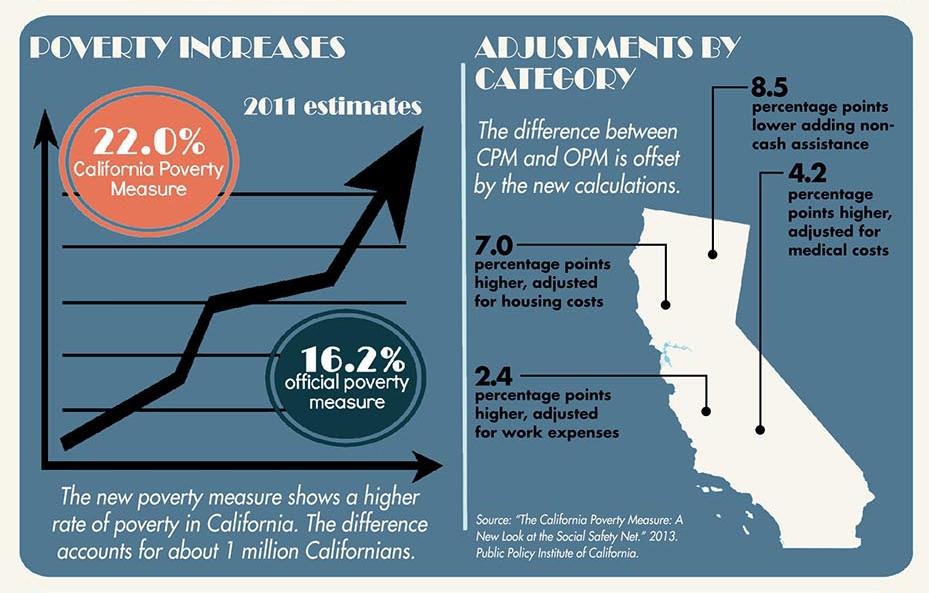
The concept of a poverty line is a measure used to determine the minimum income necessary for a family or individual to afford basic necessities. It’s a critical benchmark for assessing economic hardship and is instrumental in designing and evaluating social assistance programs. In the United States, the federal poverty line is established by the U.S. Census Bureau and is updated annually. However, the cost of living varies dramatically across the country, and California, with its notoriously high expenses, presents a unique challenge when applying a one-size-fits-all national standard. This leads to a nuanced discussion about what truly constitutes poverty within the state’s diverse economic landscape.
Understanding California’s Unique Economic Landscape
California is not a monolithic entity when it comes to its economy or the cost of living. From the tech-centric boom of Silicon Valley to the agricultural heartlands of the Central Valley, and the bustling metropolises of Los Angeles and San Francisco, the economic realities for residents differ significantly. This regional disparity directly impacts how the poverty line is perceived and experienced within the state.
The Cost of Living Challenge
The most significant factor differentiating California from many other states is its exceptionally high cost of living. This is particularly evident in housing, which consistently ranks among the most expensive in the United States. The median home price in areas like San Francisco can be astronomical, making it incredibly difficult for low-income families to secure stable housing. Beyond housing, everyday expenses such as groceries, transportation, healthcare, and childcare also contribute to a higher cost of basic necessities compared to the national average.
This elevated cost of living means that individuals and families who might be considered above the federal poverty line in other states could still struggle to make ends meet in California. Consequently, many experts and advocacy groups argue that the federal poverty line is an inadequate measure for accurately reflecting the true extent of poverty within the Golden State.
Federal vs. State Poverty Measures
The federal poverty guidelines are used by various federal agencies to determine eligibility for programs like Medicaid, SNAP (Supplemental Nutrition Assistance Program), and housing assistance. These guidelines are calculated based on the cost of a basic food diet multiplied by three, with adjustments for inflation and family size. While these federal figures provide a baseline, they often fail to capture the full picture of economic hardship in high-cost areas.
Recognizing this discrepancy, California has, at times, utilized or advocated for adjusted measures. The California Budget & Policy Center, for instance, has frequently highlighted the inadequacy of the federal poverty line and proposed alternative metrics that better reflect the state’s economic realities. These alternative measures often incorporate a broader range of essential expenses, including housing, food, transportation, healthcare, and childcare, providing a more realistic assessment of what it takes to achieve economic security in California.
Regional Variations Within California
The concept of the poverty line becomes even more complex when considering the vast regional differences within California.
-
Coastal Metropolitan Areas: Cities like San Francisco, San Diego, and parts of Los Angeles County are characterized by extremely high housing costs and a generally higher cost of living. In these areas, a family’s income might need to be significantly higher than the federal poverty line to avoid severe economic strain. The pursuit of happiness in such vibrant, amenity-rich locations often comes with a steep price tag. The allure of experiencing world-class dining, cultural institutions like the Getty Center, and the proximity to stunning natural beauty along the coast demands a substantial income. For tourists, these regions offer unparalleled experiences, from exploring the iconic Golden Gate Bridge to relaxing on the beaches of La Jolla. However, for residents, the dream of homeownership or even secure rental housing can be a distant one.
-
Inland and Rural Areas: Conversely, regions in the Central Valley, Northern California‘s rural counties, or parts of Southern California‘s interior may have a lower cost of living, particularly for housing. While these areas might still face economic challenges, the threshold for poverty, as defined by the ability to meet basic needs, might be lower than in the expensive coastal hubs. However, these areas often face different challenges, such as limited job opportunities and access to essential services, which can still lead to significant hardship. Exploring the natural wonders of Yosemite National Park or the agricultural bounty of the Sacramento Valley can offer a different pace of life, but economic opportunities may be more constrained.
The Federal Poverty Line and Its Application in California
The federal poverty line is a standardized measure, but its direct application in California raises questions about its effectiveness in addressing the state’s specific economic challenges. While it serves as a starting point, a deeper dive is necessary to understand its implications.
Official Poverty Measure (OPM)
The Official Poverty Measure (OPM), established by the U.S. Census Bureau, remains the primary federal standard. It is a relative measure, meaning it is adjusted annually for inflation. For example, in 2023, the federal poverty line for a family of four was approximately $30,000. This figure is then used to determine eligibility for numerous federal assistance programs.
However, critics argue that the OPM is outdated. It was developed in the 1960s and relies on a simple formula that may not accurately reflect current consumption patterns or the true cost of necessities. The OPM primarily focuses on pre-tax cash income and does not account for non-cash benefits like food stamps or housing subsidies, nor does it deduct taxes.

Supplemental Poverty Measure (SPM)
In response to the limitations of the OPM, the U.S. Census Bureau also developed the Supplemental Poverty Measure (SPM). The SPM is designed to provide a more comprehensive and current assessment of poverty by considering a wider range of economic factors. It accounts for:
- Government benefits: Including programs like SNAP, Medicaid, housing assistance, and tax credits.
- Necessary expenses: Such as taxes, work-related expenses, and out-of-pocket medical costs.
- Regional cost differences: Though not fully adjusted for regional variations, it attempts to incorporate some level of geographic cost of living.
The SPM generally shows a higher poverty rate than the OPM and provides a more nuanced view of economic well-being, particularly in states like California. Research using the SPM often reveals that even with the benefits of social programs, a significant number of Californians still fall below the poverty threshold due to the high cost of living. This measure is seen by many as a more accurate reflection of the economic struggles faced by families in expensive states, where a seemingly comfortable income can quickly be eroded by basic living expenses. For instance, the cost of a family vacation to Disneyland or a stay at a luxury resort in Napa Valley can easily exceed an annual income for many families, highlighting the vast economic disparities.
How the Poverty Line Affects Californians
The poverty line in California directly impacts millions of residents by determining their eligibility for a range of vital social services and programs. These include:
- Food Assistance: Programs like CalFresh (the California version of SNAP) provide crucial support for families struggling to afford nutritious food. Eligibility is often tied to income levels, with the federal poverty line serving as a primary determinant.
- Healthcare: Medi-Cal, California‘s Medicaid program, provides health insurance for low-income individuals and families. Many eligibility thresholds are directly linked to percentages of the federal poverty line. This means that even a modest increase in income can result in the loss of essential healthcare coverage, creating a precarious situation for many.
- Housing Assistance: Programs aimed at providing affordable housing or rental assistance often use the poverty line as a benchmark for determining need. Given the exorbitant housing costs in many Californian cities, the demand for these services far outstrips the available supply.
- Child Care Subsidies: For working parents, affordable childcare is a necessity. Subsidies and grants are frequently offered to low-income families, with eligibility often calculated based on poverty thresholds.
- Tax Credits: State and federal tax credits, such as the Earned Income Tax Credit, are designed to supplement the income of low-wage workers. The amount of credit received can be dependent on income relative to the poverty line.
Beyond direct program eligibility, the poverty line also serves as a broader indicator of economic distress and inequality within the state. It informs policy debates, guides resource allocation, and highlights areas where economic opportunities may be lacking. Understanding these thresholds is essential for anyone seeking to navigate the social safety net or advocate for policy changes that could improve the lives of Californians struggling to make ends meet. The dream of experiencing California’s rich cultural tapestry, from exploring the Griffith Observatory to attending a performance at the Hollywood Bowl, remains out of reach for many who are primarily focused on meeting their most fundamental needs.
Beyond the Numbers: The Lived Experience of Poverty in California
While the figures and measures of the poverty line provide a statistical framework, they only tell part of the story. The lived experience of poverty in California is a multifaceted reality shaped by individual circumstances, systemic barriers, and the sheer cost of thriving in one of the nation’s most dynamic, yet expensive, states.
Challenges Faced by Low-Income Californians
Individuals and families living below or near the poverty line in California often face a relentless cycle of challenges:
- Housing Instability: As mentioned, housing is a primary driver of poverty in California. Many low-income families spend an unsustainable portion of their income on rent, leaving little for other necessities. This can lead to precarious living situations, including overcrowding, frequent moves, or even homelessness. The dream of owning a home in picturesque California towns or even securing affordable long-term accommodation is a distant aspiration for many.
- Food Insecurity: Despite California‘s status as an agricultural powerhouse, many residents face food insecurity. The high cost of food, coupled with limited incomes, means that accessing nutritious meals is a daily struggle for some. Food banks and SNAP are lifelines, but they are often insufficient to meet the full need.
- Healthcare Access: Even with Medi-Cal, navigating the healthcare system can be challenging. Long wait times for appointments, limited provider networks, and the need to take time off work can create barriers to receiving timely and adequate care. For those just above the poverty line, the loss of Medi-Cal can be a devastating blow.
- Transportation Barriers: Reliable and affordable transportation is essential for accessing jobs, healthcare, and education. In many parts of California, public transportation is limited, forcing low-income individuals to rely on expensive personal vehicles or face significant challenges getting around.
- Limited Educational and Economic Opportunities: Poverty often perpetuates itself by limiting access to quality education and job training. Without these opportunities, individuals struggle to secure higher-paying employment, making it difficult to escape the cycle of poverty.
The Impact on Families and Children
The effects of poverty are particularly profound on children. Growing up in low-income households in California can mean:
- Nutritional Deficiencies: Leading to developmental delays and long-term health problems.
- Educational Disparities: Attending under-resourced schools and lacking access to early childhood education programs.
- Increased Stress and Trauma: The constant struggle for basic needs can create a toxic stress environment that impacts cognitive and emotional development.
- Intergenerational Poverty: Children raised in poverty are more likely to experience poverty as adults, perpetuating a cycle that can be incredibly difficult to break.

The Role of Tourism and Lifestyle
Ironically, California’s status as a premier tourist destination and a symbol of aspirational lifestyle can exacerbate the challenges faced by its low-income residents. The very attractions that draw visitors – world-class hotels like the Beverly Hills Hotel, vibrant entertainment districts in Los Angeles, and exclusive resorts in Palm Springs – are often located in areas with the highest costs of living. This creates a stark contrast between the experiences of visitors and the daily realities of many Californians.
While tourism generates significant revenue and employment, it also contributes to rising housing costs and gentrification in popular areas, often displacing long-term residents. The demand for service jobs in the hospitality sector provides employment, but these positions are frequently low-wage, offering little opportunity for upward mobility. The pursuit of luxury travel and unique experiences by tourists can inadvertently highlight the economic disparities that exist within the state, reminding those struggling that their access to the very resources and beauty of California is severely limited by their economic circumstances.
In conclusion, the poverty line in California is more than just a number; it’s a complex indicator of the economic struggles faced by a significant portion of the state’s population. While federal measures provide a framework, the unique and high cost of living in California necessitates a nuanced understanding and potentially more localized or adjusted metrics to truly grasp the extent of poverty and to develop effective solutions. The dream of enjoying California’s many offerings, from its breathtaking national parks like Redwood National Park to its bustling cityscapes, is a reality that remains out of reach for too many of its own residents.
LifeOutOfTheBox is a participant in the Amazon Services LLC Associates Program, an affiliate advertising program designed to provide a means for sites to earn advertising fees by advertising and linking to Amazon.com. Amazon, the Amazon logo, AmazonSupply, and the AmazonSupply logo are trademarks of Amazon.com, Inc. or its affiliates. As an Amazon Associate we earn affiliate commissions from qualifying purchases.