
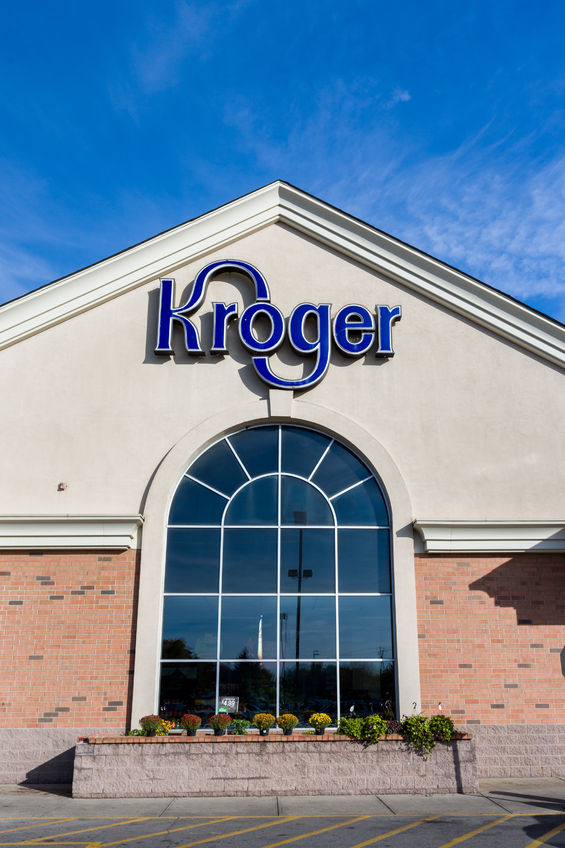
For many across the United States, the name Kroger is synonymous with grocery shopping. As one of the largest supermarket chains in the nation, its distinctive red logo and expansive product offerings are a familiar sight in countless neighborhoods. However, for those relocating to or visiting the Sunshine State, a common question often arises: “Is Kroger in Florida?” The answer, traditionally, has been a straightforward no, at least in the brick-and-mortar sense. Yet, the modern grocery landscape is evolving rapidly, and Kroger’s strategy has adapted, bringing its brand to Florida residents through innovative digital channels. This article delves into the presence of Kroger in Florida, exploring its historical absence, the state’s unique grocery market, and the transformative impact of e-commerce on how Floridians shop.

The Kroger Footprint: A National Overview
Before delving into Florida’s specifics, it’s essential to understand the sheer scale and reach of Kroger as a retail giant. Founded in 1883 in Cincinnati, Ohio, Kroger has grown into a vast conglomerate, operating thousands of stores across 35 states and the District of Columbia. Its diverse portfolio includes various banners, many of which might not be immediately recognizable as part of the Kroger family.
A Legacy of Growth and Diversification
Kroger’s expansion strategy has often involved acquiring regional chains, allowing it to maintain local brand loyalty while integrating them into its larger supply chain and operational framework. This approach has led to a diverse family of stores, including popular names like Ralphs in California, Fred Meyer in the Pacific Northwest, King Soopers in Colorado, and Harris Teeter in the Mid-Atlantic and Southeast. Each banner serves its local community while benefiting from Kroger’s national purchasing power and logistical expertise. This extensive network means that while many Americans shop at a “Kroger” branded store, just as many interact with one of its subsidiaries without realizing the broader corporate connection.
Geographic Strategy and Market Saturation
Kroger’s geographic expansion is highly strategic, often targeting regions where it can establish a strong market presence and compete effectively. This typically involves assessing local demographics, existing competition, and logistical viability. Historically, certain markets, particularly those with deeply entrenched regional players, have proven challenging for external chains to penetrate effectively. Market saturation and the cost of entry, combined with the established loyalty to existing brands, can make direct competition an uphill battle, often influencing Kroger’s decision to enter or abstain from specific states. This backdrop sets the stage for understanding Kroger’s historical relationship with Florida.
Florida’s Grocery Landscape: A Fierce Arena
Florida is a unique and highly competitive battleground for grocery retailers. Its rapidly growing population, diverse demographics, and significant tourism industry create a dynamic market with diverse consumer needs and strong brand loyalties. For decades, the state’s grocery scene has been dominated by a few major players who have successfully carved out significant market shares.
The Reign of Publix
Any discussion of grocery shopping in Florida must begin with Publix. Headquartered in Lakeland, Florida, Publix is not just a grocery store; it’s a beloved institution. Known for its immaculate stores, exceptional customer service, renowned deli sandwiches, and a strong commitment to community involvement, Publix has cultivated an almost unshakeable loyalty among Floridians. Its ubiquitous presence across the state, combined with a reputation for quality and convenience, has made it incredibly difficult for other conventional supermarket chains to gain significant traction. Publix’s deep understanding of the Florida consumer and its formidable infrastructure have created a very high barrier to entry for new competitors.
Major National Competitors
While Publix maintains a dominant position, Florida’s grocery market is also home to a robust presence of other national and international chains. Giants like Walmart and Target operate numerous Supercenters and PFresh format stores, leveraging their extensive general merchandise offerings to attract shoppers. Discount grocers such as Aldi and Lidl have aggressively expanded, catering to budget-conscious consumers with their efficient models and private-label brands. Speciality grocers like Whole Foods Market and Trader Joe’s serve niche markets, offering organic, gourmet, and unique food products. Additionally, emerging international chains continue to eye the Florida market, recognizing its growth potential. This diverse and highly competitive environment underscores why any new entrant, including a major player like Kroger, must carefully strategize its approach.
The Absence of Traditional Kroger Stores in Florida
Despite its national prominence, Kroger has, for a long time, been conspicuously absent from Florida’s physical retail landscape. This isn’t an oversight but rather a strategic decision shaped by the unique market dynamics of the Sunshine State.

Historical Context and Strategic Decisions
There are several historical and strategic reasons cited for Kroger’s lack of traditional stores in Florida. One primary factor is the aforementioned dominance of Publix, which established itself early and grew with the state, building unparalleled customer loyalty and market share. Entering a market saturated by such a formidable competitor would require massive investment in infrastructure, marketing, and competitive pricing, with no guarantee of significant returns. Kroger has historically focused its brick-and-mortar expansion in regions where it could acquire existing chains or establish a stronger foothold without facing such entrenched opposition. While there have been occasional rumors or analyses suggesting Kroger might consider a physical entry, these have never materialized into widespread store openings. The cost of acquiring prime real estate and building a supply chain from scratch in a highly developed market likely outweighed the perceived benefits.
The Role of E-commerce and Delivery Services
However, the definition of “presence” has evolved dramatically with the rise of e-commerce. In an age where consumers increasingly prioritize convenience and digital access, a physical store is no longer the sole gateway to a market. Recognizing this shift, Kroger has pivoted its strategy, choosing to enter the Florida market not with traditional supermarkets, but through its cutting-edge Kroger Delivery service, powered by automated fulfillment centers. This approach allows Kroger to bypass the challenges of establishing a brick-and-mortar presence, instead leveraging technology to bring its products directly to the consumer’s doorstep.
Kroger’s Digital Invasion: A New Frontier in Florida
In recent years, Kroger has made a significant, albeit unconventional, entry into the Florida market through its partnership with the British online grocery technology company, Ocado. This collaboration has enabled Kroger to establish a formidable digital presence without building a single traditional supermarket.
Automated Fulfillment Centers (SFCs)
The cornerstone of Kroger’s Florida strategy is its network of automated fulfillment centers, often referred to as “sheds” or “spokes.” These state-of-the-art facilities, such as the massive robot-powered customer fulfillment center (CFC) in Groveland, near Orlando, are central hubs where groceries are meticulously picked, packed, and prepared for delivery by an army of robots. Unlike traditional warehouses, these centers are designed specifically for online orders, optimizing efficiency and reducing human error. From these central hubs, smaller “spoke” facilities or cross-dock locations extend the delivery reach to surrounding areas. For example, Jacksonville, Tampa, and Miami are served by these facilities, ensuring that a significant portion of Florida’s population can access Kroger’s wide range of products. This model allows Kroger to serve a vast geographic area with fresh, high-quality groceries delivered directly to consumers’ homes, bypassing the need for physical stores.
The Consumer Experience: Convenience at Your Doorstep
For Floridians, Kroger Delivery means access to thousands of products, including Kroger private-label brands like Simple Truth and Private Selection, fresh produce, meat, dairy, and pantry staples, all available for scheduled home delivery. The online platform provides a seamless shopping experience, allowing customers to browse aisles, build carts, and select delivery windows from the comfort of their homes. This approach resonates with the modern lifestyle, offering unparalleled convenience, especially for busy families, individuals with mobility challenges, or those simply looking to save time. It also introduces a new competitive element to Florida’s grocery market, giving consumers another option beyond the traditional brick-and-mortar stores or local delivery services offered by other chains.
Navigating Florida’s Grocery Options for Residents and Visitors
So, to definitively answer the initial question: Yes, Kroger is in Florida, but not in the way many might expect. There are no traditional Kroger supermarkets, but its online delivery service provides a comprehensive grocery solution for many parts of the state. Understanding this distinction is key for both residents and visitors managing their lifestyle choices in Florida.
Maximizing Kroger Delivery
For those accustomed to shopping at Kroger in other states, or for Floridians eager to explore new options, the Kroger Delivery service offers a familiar and convenient way to access their favorite brands and products. Utilizing the Kroger website or mobile app, customers can easily place orders, track deliveries, and manage their shopping lists. It’s an excellent option for bulk purchases, weekly grocery hauls, or simply exploring Kroger’s extensive product range, often at competitive prices. The efficiency of the automated fulfillment centers ensures freshness and accuracy, making it a reliable choice for modern grocery shopping.
Exploring Local Favorites and Other Chains
While Kroger Delivery provides a significant option, it’s also worth embracing the diverse grocery landscape Florida has to offer. Publix remains a cornerstone, offering an experience renowned for quality and customer service. Walmart and Target provide one-stop shopping for groceries and household goods, while Aldi and Lidl are excellent for budget-friendly options. Specialty stores like Whole Foods Market and Trader Joe’s cater to specific dietary needs and gourmet preferences. For both long-term residents and those on extended visits, exploring these various retailers can enrich the daily lifestyle experience, allowing for a tailored approach to grocery shopping that balances convenience, cost, and product variety.
In conclusion, while the traditional “supermarket on every corner” model of Kroger does not exist in Florida, the brand has successfully established a modern, technologically advanced presence through its delivery service. This innovative approach ensures that Floridians can indeed access the extensive offerings of one of the nation’s largest grocers, adapting to the evolving demands of consumer lifestyle in the 21st century.
LifeOutOfTheBox is a participant in the Amazon Services LLC Associates Program, an affiliate advertising program designed to provide a means for sites to earn advertising fees by advertising and linking to Amazon.com. Amazon, the Amazon logo, AmazonSupply, and the AmazonSupply logo are trademarks of Amazon.com, Inc. or its affiliates. As an Amazon Associate we earn affiliate commissions from qualifying purchases.