Texas, the Lone Star State, conjures images of vast open roads, sweeping landscapes, and the freedom of the highway. For many, this freedom is best experienced from the seat of a motorcycle, feeling the wind and soaking in the unique charm of its diverse regions. From the bustling metropolises of Houston, Dallas, and Austin to the serene beauty of the Texas Hill Country and the rugged wilderness of Big Bend National Park, touring Texas on two wheels is an unforgettable experience. However, as any responsible traveler knows, understanding local laws is paramount to a smooth and enjoyable journey. One question that frequently arises among motorcyclists, particularly those visiting from other regions or states, is about the legality of lane filtering or lane splitting.
Lane filtering, often interchangeably used with lane splitting, is a practice where a motorcyclist rides between lanes of stopped or slow-moving traffic. It’s a topic of considerable debate globally and across the United States, lauded by proponents for its potential safety benefits and traffic alleviation, while raising concerns among others regarding perceived risks. For anyone planning a motorcycle adventure, a business trip involving a rental bike, or even just navigating daily commutes, clarifying the legal stance in Texas is crucial. This comprehensive guide will delve into the specifics of lane filtering in Texas, exploring its legal status, safety implications, and broader context for travelers and enthusiasts alike.
Understanding Lane Filtering and Lane Splitting
Before diving into the legalities in Texas, it’s essential to define what we mean by “lane filtering” and “lane splitting,” as these terms, while often used interchangeably, can have subtle distinctions.
What is Lane Filtering?
Lane filtering typically refers to a motorcyclist moving between lanes of stopped or slow-moving traffic, usually at a low speed, to get to the front of a traffic queue at an intersection or traffic light. The primary motivation is often to reduce the risk of rear-end collisions, which are a significant hazard for motorcyclists in congested traffic. When a motorcycle is stationary between cars, it’s vulnerable to being struck from behind, and filtering can help mitigate this by allowing the rider to move to a safer, more visible position.
What is Lane Splitting?
Lane splitting, on the other hand, generally describes a motorcyclist moving between lanes of moving traffic, often at a speed greater than the surrounding vehicles. This practice is typically aimed at reducing traffic congestion and travel time. While often grouped with lane filtering, lane splitting at higher speeds through moving traffic is generally considered a higher-risk maneuver by its detractors.
For the purpose of this discussion, we will treat both concepts under the broader umbrella of riding between lanes, as Texas law, like many other states, does not explicitly distinguish between them but rather addresses the general act of operating a vehicle in a manner that obstructs or passes within a single lane.
The Legal Landscape of Lane Filtering in Texas
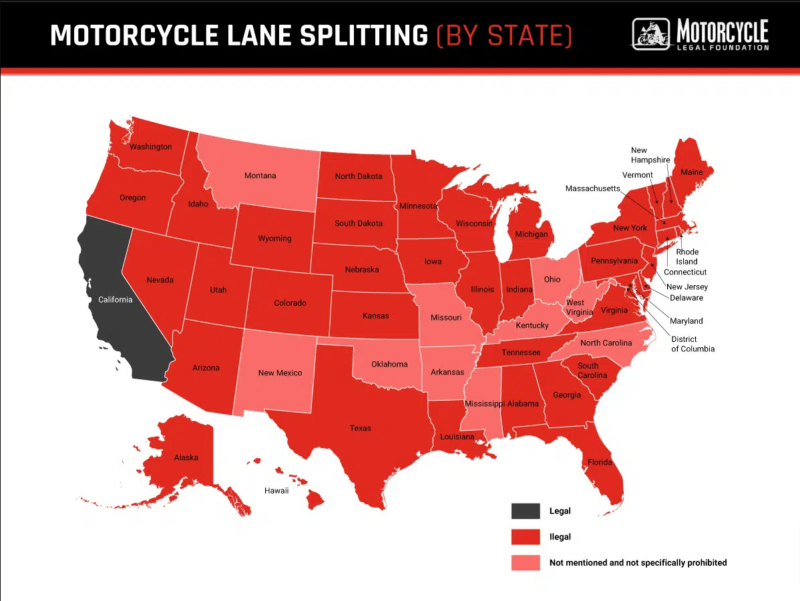
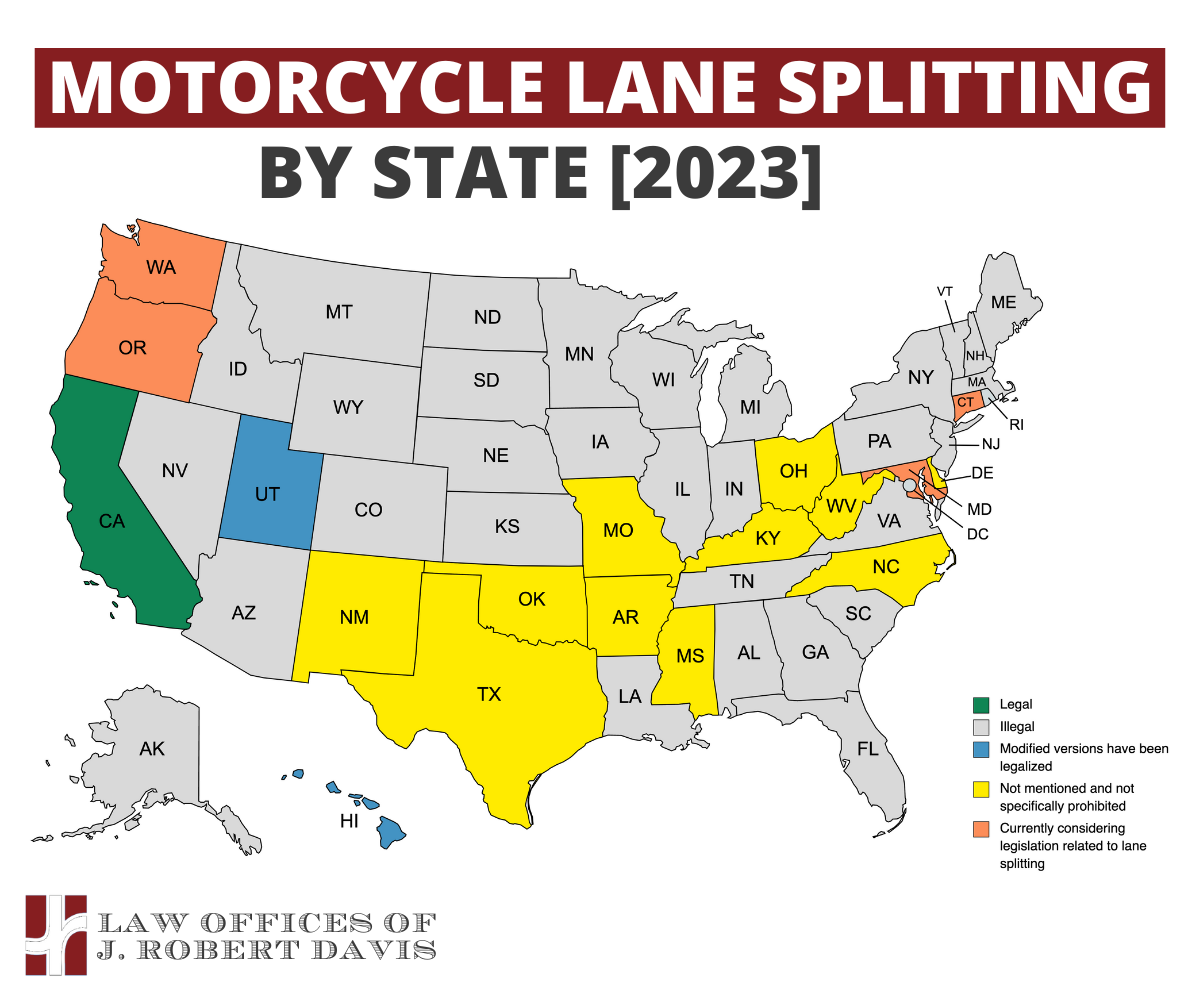
Now for the critical question: Is lane filtering legal in Texas? The short and unambiguous answer is no, lane filtering and lane splitting are generally illegal in Texas.
Texas Transportation Code and Motorcycle Operation
Texas law does not specifically use the terms “lane filtering” or “lane splitting” in its statutes. Instead, the practice is typically prohibited under general provisions of the Texas Transportation Code that govern safe vehicle operation and lane usage. Specifically, Sections 545.058 and 545.060 are often cited in this context:
- Section 545.058 – Passing to the Left; Return: This section broadly outlines how vehicles should pass others. While it doesn’t directly forbid lane splitting, it implies that passing should occur on the left in a safe manner, and not within the same lane as another vehicle.
- Section 545.060 – Driving on Roadway Divided into Lanes: This is the most relevant section. It generally requires a vehicle to be driven as nearly as practical entirely within a single lane and prohibits moving from that lane unless the driver has first ascertained that the movement can be made safely. A crucial part of this section states that a vehicle may not be driven between adjacent lanes of traffic. This provision effectively outlaws both lane splitting and lane filtering, as it prohibits occupying the space between two distinct lanes of traffic.
Therefore, under current Texas law, a motorcyclist who attempts to lane filter or lane split is likely to be cited for violating these statutes, leading to fines and potentially other legal consequences.
Penalties for Violations
A violation of the Texas Transportation Code for illegal lane usage typically results in a traffic citation. The penalties can include:
- Fines: Monetary penalties can vary depending on the jurisdiction and the specific circumstances, but they generally range from a few hundred dollars.
- Court Costs: Additional fees associated with the court appearance.
- Points on Driving Record: Accumulating points can lead to increased insurance premiums and, if enough points are accrued, potential suspension of driving privileges.
For travelers, particularly those renting motorcycles, a citation can be a significant inconvenience, impacting their budget and travel schedule. It’s always best to err on the side of caution and adhere strictly to local traffic laws.
Arguments for and Against Legalizing Lane Filtering
The debate over lane filtering is complex, with passionate arguments from both sides, rooted in safety, traffic efficiency, and driver behavior.
Arguments for Legalization
Proponents of legalizing lane filtering, often led by motorcycle advocacy groups, cite several key benefits:
- Increased Rider Safety: One of the most compelling arguments is the reduction of rear-end collisions. When motorcycles are stationary in congested traffic, they are highly vulnerable to being struck from behind by inattentive drivers. Filtering allows riders to move out of harm’s way, particularly from larger vehicles. Studies, such as those conducted in California (where it’s legal), have indicated a safety benefit for riders when filtering.
- Reduced Traffic Congestion: Motorcycles take up less space than cars. Allowing them to filter through traffic can effectively remove them from the queue, potentially reducing overall congestion and allowing other vehicles to move more freely.
- Environmental Benefits: Reduced idling time for motorcycles can lead to lower emissions and better fuel efficiency.
- Efficient Use of Road Space: In urban areas like Austin or San Antonio, where space is at a premium, allowing motorcycles to navigate traffic more efficiently can optimize road capacity.
- Reduced Rider Fatigue: Sitting in stop-and-go traffic can be physically and mentally draining for motorcyclists, especially in extreme weather conditions. Filtering can alleviate some of this stress.
Arguments Against Legalization
Opponents, which often include some drivers and certain safety advocates, raise concerns:
- Perceived Danger to Motorcyclists: Many drivers perceive lane filtering as an inherently dangerous practice, fearing that it increases the risk of side-swipe accidents or collisions with opening car doors. They also worry about potential blind spots for drivers.
- Driver Frustration and Road Rage: The sight of motorcycles filtering past stationary cars can sometimes lead to frustration or aggressive behavior from drivers who feel they are being “cut in line.”
- Difficulty in Emergency Maneuvers: Rapid lane changes or emergency braking by cars could put filtering motorcyclists at risk.
- Lack of Public Understanding: Many drivers are unfamiliar with the practice and may not know how to react safely when a motorcyclist is filtering.
- Enforcement Challenges: Policing safe filtering practices can be challenging for law enforcement, as it requires judging speed, traffic conditions, and rider skill.
Currently, a handful of states in the United States have legalized some form of lane filtering or splitting, including California, Utah, Arizona, Montana, and Washington, each with specific conditions (e.g., speed limits for filtering, only in stopped traffic). These states often serve as case studies for proponents in Texas and other states pushing for legalization.
Safe Riding Practices and Travel Tips for Motorcyclists in Texas
Given that lane filtering is illegal in Texas, it’s imperative for motorcyclists, whether residents or tourists, to adhere to the existing laws and adopt best practices for safety and enjoyment.
Obeying Traffic Laws and Lane Discipline
- Stay in Your Lane: Always operate your motorcycle within a single lane of traffic, just like any other vehicle.
- Maintain Safe Following Distances: This is critical, especially in the absence of filtering. Leave ample space between your motorcycle and the vehicle ahead to allow for sudden stops and to increase your visibility.
- Signal All Lane Changes: Clearly signal your intentions well in advance.
- Be Aware of Blind Spots: Always assume drivers don’t see you. Use reflective gear and bright headlights, even during the day.
- Yield to Emergency Vehicles: As always, ensure clear passage for emergency responders.
Enhancing Visibility and Awareness
- Wear Appropriate Gear: A helmet, riding jacket, gloves, and sturdy footwear are essential. Brightly colored gear significantly enhances your visibility to other drivers.
- Use Your Headlights: Keep your headlight on, even during daylight hours.
- Position Yourself Wisely: In multi-lane traffic, strategically position yourself in a lane to maximize your visibility and avoid blind spots of larger vehicles. Often, the left-center portion of a lane provides a good balance of visibility and an escape route.
- Scan Continuously: Constantly scan the road ahead, to the sides, and behind you. Anticipate potential hazards from other drivers.
- Assume Inattentiveness: Operate under the assumption that other drivers may be distracted or simply not see you. This defensive mindset is crucial for motorcycle safety.
Planning Your Motorcycle Journey in Texas
For travelers exploring Texas, planning is key, especially when navigating dense urban areas or popular tourist routes.
- Research Routes: Utilize GPS and mapping tools to plan routes that avoid peak traffic hours in cities like Houston or Dallas if possible. Consider scenic routes through the Texas Hill Country or the Gulf Coast, where traffic is often lighter.
- Stay Hydrated and Rested: Texas weather can be extreme, especially in summer. Ensure you stay hydrated and take frequent breaks, especially during long rides. Many towns offer charming local cafes and hotels for overnight stays or quick refreshments.
- Accommodation and Parking: If you’re staying at hotels or resorts, inquire about secure parking for your motorcycle. Many Texas destinations, from the historic Riverwalk in San Antonio to the vibrant Sixth Street in Austin, cater to tourists and can offer valuable advice.
- Local Culture and Attractions: Embrace the tourism aspect of your trip. Visiting iconic landmarks like The Alamo or the NASA Johnson Space Center can be easily integrated into a motorcycle tour. Remember to factor in parking and pedestrian traffic at these popular spots.
The Future of Lane Filtering in Texas
While lane filtering is currently illegal, the conversation around its potential legalization in Texas is not entirely dormant. Periodically, bills are introduced in the Texas legislature seeking to permit some form of lane filtering or splitting. These legislative efforts reflect a growing national trend and the persistent arguments for safety and efficiency.
For example, various proposals have typically sought to allow filtering under specific, limited conditions, such as:
- When traffic is stopped or moving at very low speeds (e.g., 10-15 mph).
- When the speed differential between the motorcycle and the surrounding traffic is minimal (e.g., no more than 10-15 mph faster than traffic).
- Only on roads with multiple lanes in the same direction.
- Prohibiting filtering in school zones or during certain hours.
These attempts generally face an uphill battle, encountering resistance from those concerned about safety and the logistical challenges of public education and enforcement. However, as more states like Arizona and Montana join California and Utah in legalizing the practice under specific conditions, the landscape could gradually shift.
For now, motorcyclists in Texas must continue to abide by the current laws. Staying informed about legislative developments is wise for anyone with an interest in the future of motorcycling laws in the state. Groups like the Motorcycle Safety Foundation and local rider organizations often advocate for changes and provide updated information.
Conclusion: Ride Safely and Responsibly in the Lone Star State
The allure of riding a motorcycle through the vast and varied landscapes of Texas is undeniable. From the coastal roads near Mustang Island State Park and Padre Island National Seashore to the rugged mountains of Guadalupe Mountains National Park, the state offers incredible routes for motorcycle enthusiasts. However, the legal status of lane filtering is a crucial aspect of responsible riding that all motorcyclists in Texas must understand.
Currently, lane filtering and lane splitting are illegal in Texas and operating a motorcycle between lanes of traffic can result in a traffic citation and associated penalties. While arguments for its legalization persist, especially concerning rider safety in congested traffic, the law remains clear.
For both residents and visitors exploring Texas, the key to a memorable and safe motorcycle journey lies in adhering to all traffic laws, practicing defensive riding, enhancing visibility, and planning routes carefully. By respecting the laws and exercising caution, motorcyclists can fully embrace the unique lifestyle and travel experiences that the Lone Star State generously offers, making every mile an enjoyable and incident-free adventure. Stay safe, stay informed, and enjoy the ride!