
For many motorcycle enthusiasts, the allure of riding through the scenic landscapes of Hawaii is undeniable. The winding coastal roads, the lush volcanic terrain, and the warm, tropical air create an unforgettable backdrop for any two-wheeled adventure. However, for those accustomed to different traffic laws, especially regarding practices like lane splitting, understanding Hawaii’s specific regulations is crucial. As a vital piece of information for any tourist planning to explore the islands on a motorcycle, the question “Is lane splitting legal in Hawaii?” demands a clear and comprehensive answer.
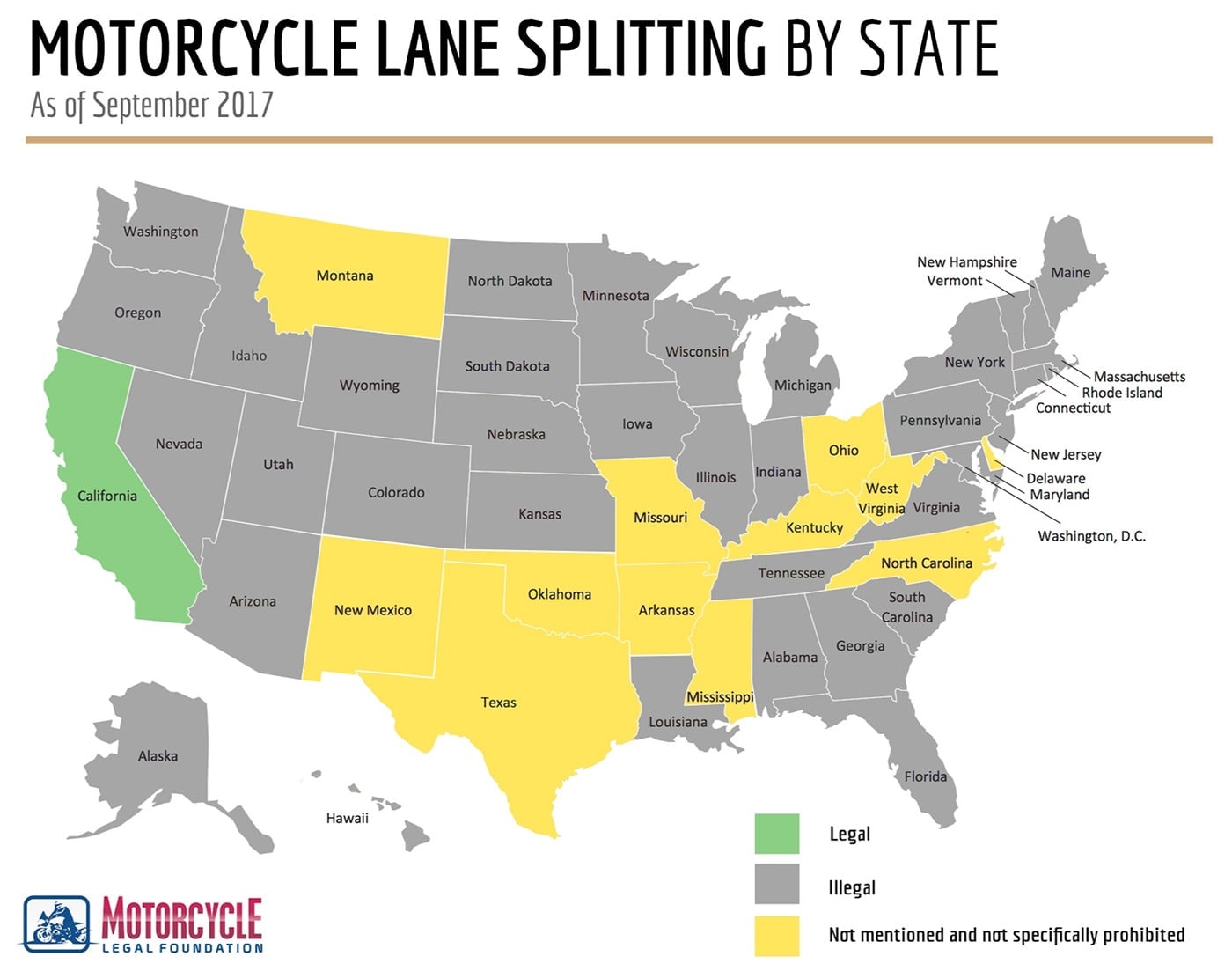
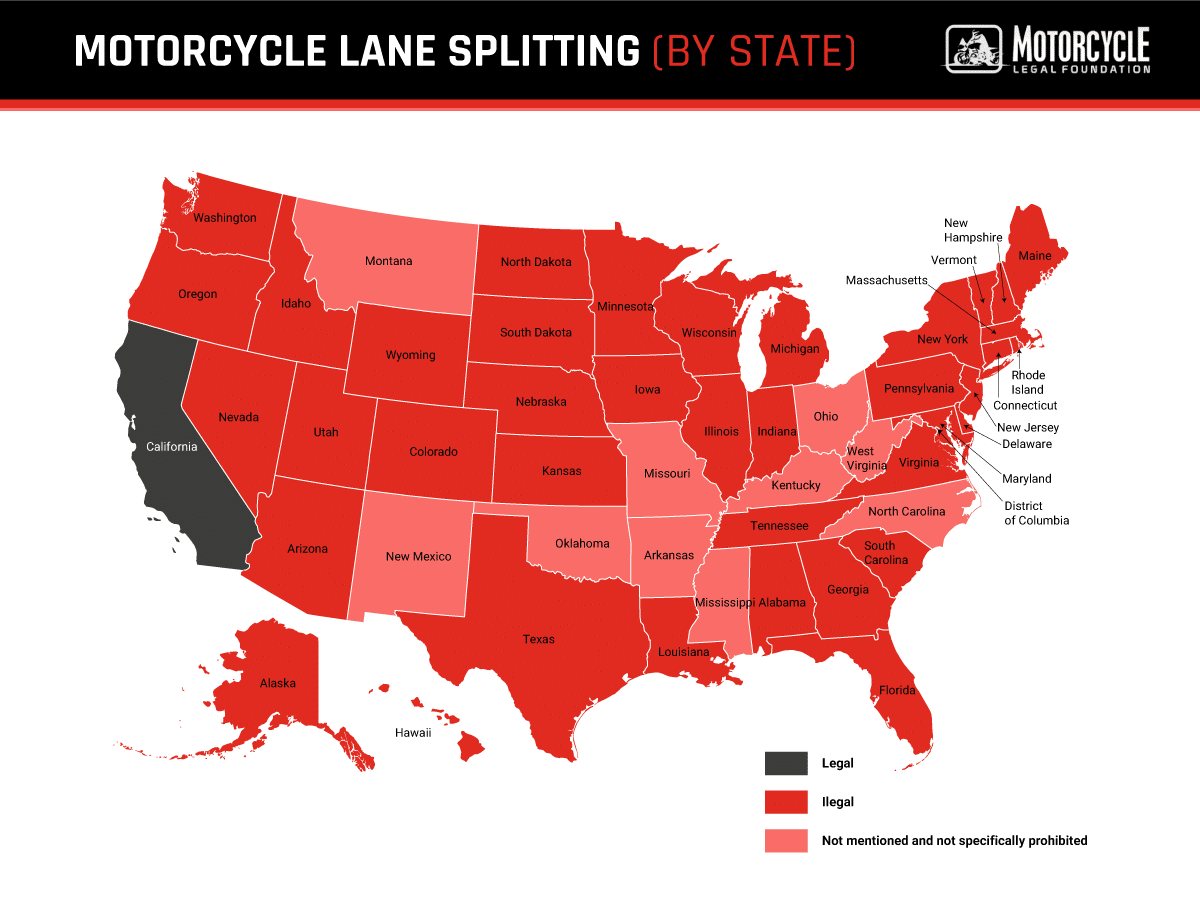
The short answer, as of the current laws, is no. Lane splitting, also known as lane sharing, filtering, or white-lining, is generally not legal in the state of Hawaii. This means that motorcyclists are prohibited from riding between lanes of stopped or slow-moving traffic, or between vehicles in the same lane. This distinction is paramount for visitors coming from regions where such practices are permitted, as ignorance of the law can lead to fines, penalties, and potentially dangerous situations.
Understanding Lane Splitting: A Global Perspective
Before delving deeper into Hawaii’s specific stance, it’s beneficial to grasp the concept of lane splitting and its broader implications. This practice, while common in some parts of the world, remains a point of contention and varied legality across different jurisdictions.
What is Lane Splitting?
Lane splitting refers to the practice of a motorcyclist riding between lanes of traffic, typically when traffic is congested or stopped. It can also include “filtering,” where a motorcycle moves to the front of a queue of vehicles at a traffic light. The core idea is to allow motorcycles to bypass slower-moving traffic by utilizing the space between vehicle lanes. Proponents argue it helps reduce traffic congestion for motorcycles, decreases rider exposure to rear-end collisions, and can help prevent engine overheating in stop-and-go traffic.
Why Riders Lane Split
Motorcyclists lane split for several reasons. Primarily, it’s seen as a way to save time by navigating through congested traffic more efficiently. In gridlock situations, motorcycles can often weave through spaces that cars cannot, allowing them to reach their destination faster. Another significant argument is safety. When motorcycles are stationary in heavy traffic, they are at a higher risk of being rear-ended by inattentive drivers. Lane splitting allows them to move out of the direct line of potential impact. Additionally, for air-cooled engines, maintaining movement helps in cooling, whereas sitting in slow traffic can lead to overheating.
Global Variations and Safety Concerns
The legality of lane splitting varies significantly around the globe. Countries in Europe and Asia often permit some form of lane splitting or filtering, recognizing its benefits in dense urban environments. For instance, in many European cities, it’s an accepted and integrated part of traffic flow.
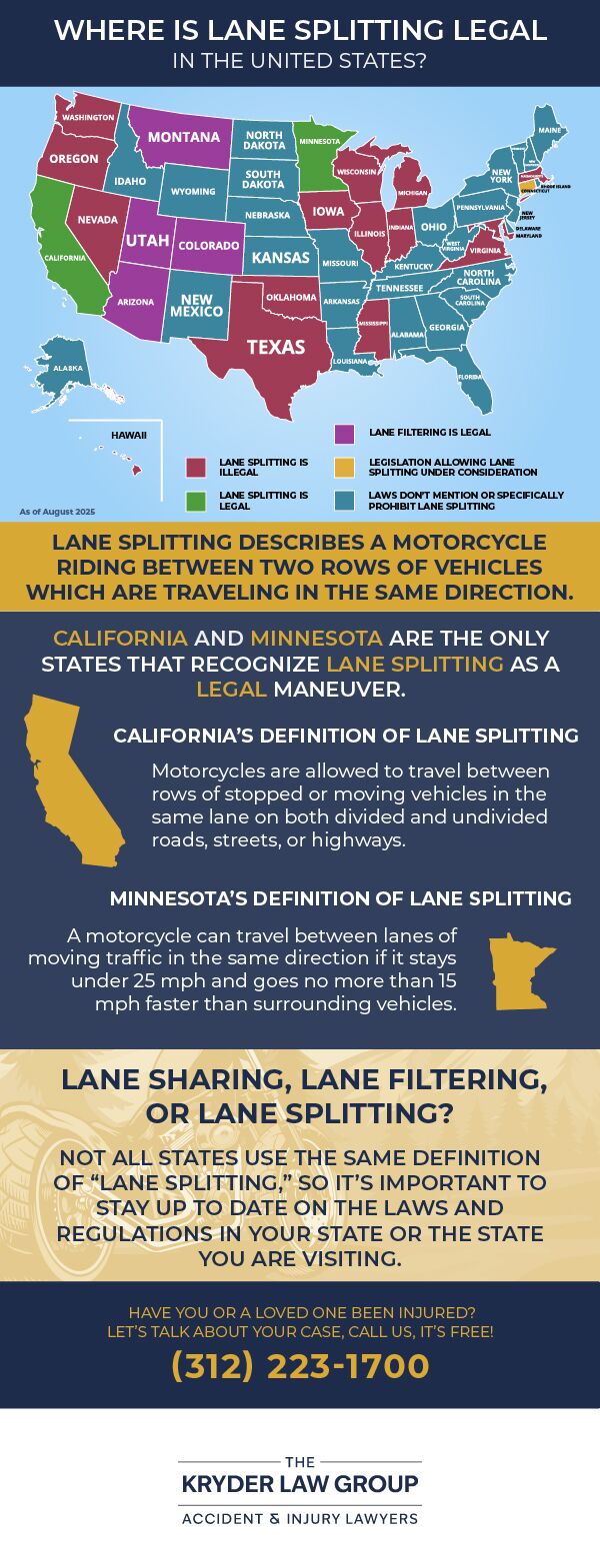
In the United States, however, the legal landscape is much more restrictive. California was historically the only state to explicitly legalize lane splitting, with specific guidelines to ensure safety. Other states have gradually begun to consider or adopt similar laws, but the practice remains largely prohibited. The primary concerns cited against legalizing lane splitting often revolve around safety—both for the motorcyclist and other road users. Critics argue that it creates unpredictable movements, reduces reaction time for drivers, and increases the risk of collisions. This ongoing debate highlights the complex considerations involved in traffic safety and motorcycle mobility.
The Legal Landscape in Hawaii
Understanding that lane splitting is not a universally accepted practice sets the stage for examining Hawaii’s specific regulations. For tourists planning their Hawaiian adventure, adhering to local laws is not just a matter of avoiding fines, but also ensuring a safe and respectful experience.
Current Laws and Regulations
In Hawaii, the traffic laws, specifically Hawaii Revised Statutes (HRS) Chapter 291C, govern vehicle operation. These statutes, similar to most other U.S. states, generally require vehicles to be operated within a single lane and prohibit passing between lanes of traffic. There are no provisions in the Hawaii state law that explicitly permit or regulate lane splitting for motorcycles. Without such specific legislation, the general rules of the road that dictate single-lane travel and safe passing apply, effectively making lane splitting illegal.
This means that a motorcyclist in Honolulu traffic, for example, must remain in their chosen lane, just like any other vehicle, and wait their turn in congested conditions. Attempting to maneuver between stopped cars or filter to the front of a line at a traffic light would be considered a traffic infraction.
The Impact of No Lane Splitting Laws
The absence of lane splitting laws has several implications for motorcyclists in Hawaii. First and foremost, it means that riders must exercise extra patience in traffic, especially in crowded areas like Waikiki or during rush hour on Oahu‘s H-1 freeway. The traffic conditions on the islands, particularly on Oahu, can be notoriously heavy, with frequent backups and slowdowns. For riders accustomed to lane splitting, this can be a significant adjustment, potentially leading to frustration or, worse, an impulse to engage in illegal maneuvers.
Secondly, the lack of lane splitting may mean increased exposure to the aforementioned rear-end collisions. While riders in Hawaii are encouraged to maintain safe following distances and be vigilant, the inherent risk when stopped in heavy traffic remains a concern for some in the motorcycling community. This underscores the need for defensive riding skills and constant awareness of surroundings.
Penalties for Violating Traffic Laws
Violating traffic laws in Hawaii, including illegal lane splitting, can result in various penalties. These typically include monetary fines, which can add an unexpected cost to a vacation budget. Depending on the severity and context of the infraction, points might be added to a driver’s record. While this might not directly affect international tourists, it’s crucial for those with a U.S. driver’s license or those renting a motorcycle under specific insurance agreements. Repeat offenses or dangerous riding could also lead to more severe consequences, potentially including a temporary suspension of driving privileges in the state or the impoundment of the vehicle, though these are less common for a first-time lane-splitting offense. For tourists, an incident like this can significantly disrupt travel plans and create unnecessary stress.
Navigating Hawaii’s Roads as a Motorcyclist
Even with the prohibition on lane splitting, [Hawaii](https://lifeoutofthebox.com/hawaii] still offers incredible motorcycling experiences. The key is to be prepared, respectful of local laws, and prioritize safety.
Unique Challenges of Hawaiian Traffic
Riding in Hawaii presents its own set of unique challenges beyond the lane-splitting rule. The islands’ roads can vary dramatically, from multi-lane freeways to narrow, winding coastal roads. Traffic in urban centers like Honolulu is often congested, while roads on other islands like Maui or Kauai can be less crowded but feature sudden turns, steep grades, and sometimes unpredictable weather changes, including sudden downpours.
Moreover, drivers in Hawaii may not always be accustomed to sharing the road with a high volume of motorcycles, especially outside of specific tourist areas. The presence of rental mopeds and scooters, particularly in tourist hotspots, adds another layer of dynamic to traffic, requiring all road users to be extra vigilant.
Essential Safety Tips for Riders
To ensure a safe and enjoyable motorcycle trip in Hawaii, consider these essential safety tips:
- Wear Appropriate Gear: Always wear a DOT-approved helmet. While Hawaii has helmet laws, wearing additional protective gear like jackets, gloves, and sturdy footwear is highly recommended, regardless of local regulations.
- Ride Defensively: Assume other drivers may not see you. Maintain a safe following distance, especially in stop-and-go traffic, and constantly scan your surroundings for potential hazards.
- Be Aware of Weather: Hawaii’s weather can change rapidly. Sudden rain showers can make roads slippery, especially after a dry spell where oil and dust accumulate.
- Watch for Potholes and Uneven Surfaces: Some roads, particularly in less-traveled areas, may have potholes, uneven pavement, or gravel.
- Respect Speed Limits: Adhere strictly to posted speed limits. Hawaii has a reputation for strict enforcement.
- Avoid Distractions: Focus entirely on the road and traffic conditions.
Recommended Practices for Visitors
For tourists specifically, a few additional practices can enhance your experience:
- Plan Your Routes: Familiarize yourself with your route beforehand, especially if venturing into less-populated areas. GPS is helpful, but always have a backup plan.
- Rent from Reputable Companies: If renting a motorcycle, choose a well-established rental agency to ensure the bike is well-maintained and insured.
- Understand Local Driving Culture: While generally polite, drivers in Hawaii can sometimes be leisurely. Patience is a virtue.
- Stay Hydrated: Riding in tropical heat can be dehydrating. Drink plenty of water throughout the day.
- Check Local Conditions: Before heading out, check local traffic reports and weather forecasts, especially if planning a longer ride or one that crosses different microclimates, like a ride up to Mauna Kea on the Big Island.
Advocating for Change: The Ongoing Debate
While lane splitting is currently illegal in Hawaii, it doesn’t mean the conversation is entirely closed. Like in many other states, there’s an ongoing debate and advocacy efforts by various groups to reconsider the legal status of lane splitting.
Arguments For Legalizing Lane Splitting
Advocates for legalizing lane splitting often present a compelling case based on several points:
- Improved Safety: As mentioned, studies, particularly from California, suggest that lane splitting can reduce a motorcyclist’s risk of being rear-ended in congested traffic, which can be a common and dangerous type of collision.
- Reduced Congestion: By allowing motorcycles to filter through traffic, it can slightly alleviate overall traffic congestion, as fewer motorcycles occupy the same space as cars.
- Environmental Benefits: Reduced idling time for motorcycles can lead to lower emissions.
- Fuel Efficiency: Moving through traffic rather than constantly stopping and starting can improve fuel economy for motorcycles.
- Precedent from Other Jurisdictions: The successful and safe implementation of lane splitting in many parts of the world provides a strong argument for its feasibility in Hawaii.
Counterarguments and Public Safety Concerns
Opponents and those cautious about legalizing lane splitting often raise valid concerns:
- Increased Accident Risk: They argue that lane splitting, especially at higher speeds or in tight spaces, increases the risk of side-swiping other vehicles or losing control.
- Driver Aggression/Confusion: Car drivers, particularly those unfamiliar with the practice, might react unpredictably, leading to dangerous situations.
- Enforcement Challenges: Policing safe lane splitting practices can be difficult, requiring clear guidelines and effective training for law enforcement.
- Public Perception: A segment of the public may view lane splitting as reckless and perceive it as an unfair advantage for motorcyclists.
What the Future Might Hold
The discussion around lane splitting in Hawaii mirrors a broader trend across the United States. As more states consider or adopt lane splitting laws, Hawaii might eventually revisit its stance. Any legislative changes would likely involve extensive studies, public hearings, and careful consideration of safety guidelines. For now, however, the law remains clear: lane splitting is not permitted. Tourists should stay informed about any potential legislative updates, but for current travel plans, assume the existing laws apply.
Enjoying Your Hawaiian Motorcycle Experience Responsibly
Despite the legal status of lane splitting, [Hawaii](https://lifeoutofthebox.com/hawaii] remains an extraordinary destination for motorcyclists. The islands offer a breathtaking array of routes, from coastal highways with views of the Pacific Ocean to mountain passes with lush rainforests.
Exploring Hawaii’s Scenic Routes
From the iconic views of Diamond Head on Oahu to the legendary Road to Hana on Maui, the volcanic landscapes of the Big Island, and the dramatic cliffs of the Na Pali Coast on Kauai, Hawaii provides countless opportunities for awe-inspiring rides. Each island offers a unique flavor, from bustling cityscapes to serene, untouched natural beauty. A motorcycle allows for an intimate connection with these environments, letting riders experience the scents, sounds, and panoramic vistas in a way that enclosed vehicles cannot.
Respecting Local Customs and Laws
As a visitor, embracing the local culture extends beyond just enjoying the food and traditions; it also includes respecting the laws and customs, particularly on the roads. The aloha spirit, which emphasizes mutual respect, understanding, and compassion, should guide interactions with other drivers and pedestrians. Adhering to traffic laws, even those that differ from what you might be accustomed to, is a demonstration of this respect. It contributes to a safer environment for everyone and ensures a positive experience for both residents and tourists.
Resources for Motorcyclists in Hawaii
For motorcyclists planning a trip to Hawaii, several resources can be helpful. Local motorcycle clubs or forums can offer insights into the best routes and local riding conditions. Rental companies can provide information on specific bike models suitable for island terrain and offer maps. Always check the official Hawaii Department of Transportation website for the latest traffic regulations and road conditions. Being well-informed is the first step toward a memorable and safe Hawaiian motorcycle adventure.
In conclusion, while the dream of weaving through traffic on a Hawaiian motorcycle might tempt some, remember that lane splitting is not legal in Hawaii. By understanding and respecting this law, along with embracing safe riding practices, you can fully enjoy the breathtaking beauty and unique experience of riding through the Hawaiian Islands.
LifeOutOfTheBox is a participant in the Amazon Services LLC Associates Program, an affiliate advertising program designed to provide a means for sites to earn advertising fees by advertising and linking to Amazon.com. Amazon, the Amazon logo, AmazonSupply, and the AmazonSupply logo are trademarks of Amazon.com, Inc. or its affiliates. As an Amazon Associate we earn affiliate commissions from qualifying purchases.