
For the adventurous soul, few experiences compare to the freedom of exploring the United States on two wheels. The Pacific Northwest offers some of the most breathtaking vistas in the country, and Idaho, often referred to as the Gem State, stands out as a premier destination for motorcycle tourism. However, before you gear up and head into the rugged landscapes of the Sawtooth Range or the winding roads along the Snake River, it is vital to understand the local traffic laws. One of the most common questions for riders visiting from states like California is: “Is lane splitting legal in Idaho?”
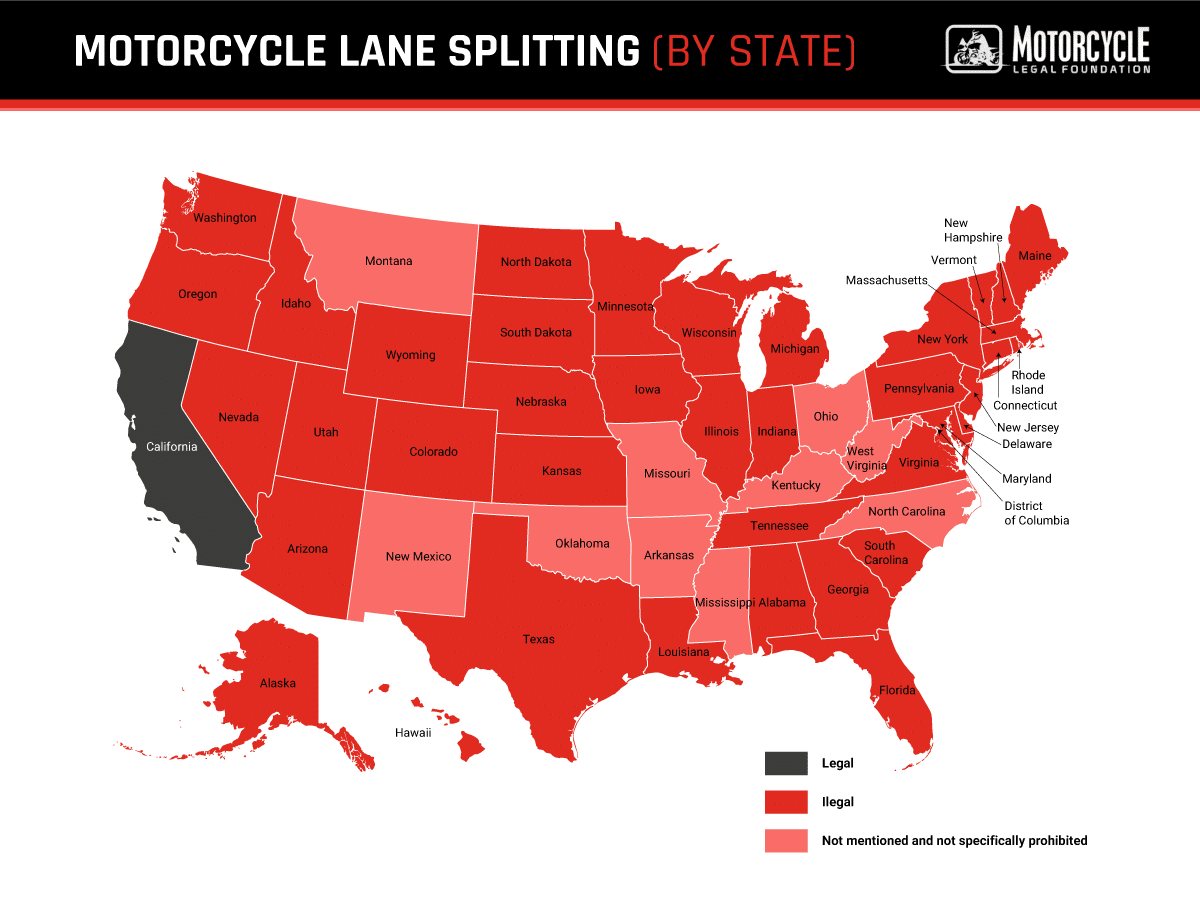
Navigating the legalities of motorcycle travel is a key part of any tourism itinerary. While Idaho has historically been conservative regarding lane sharing, recent legislative changes have introduced a nuanced approach that every visitor should understand to stay safe and avoid fines.
Understanding the Legal Landscape: Filtering vs. Splitting
When discussing motorcycle movement through traffic, terminology matters. Many riders use the terms “lane splitting” and “lane filtering” interchangeably, but in the eyes of the law in Idaho, they are distinct actions with very different legal statuses. For a tourist, knowing the difference can be the factor that prevents a costly interaction with the Idaho State Police.
The Distinction Between Lane Splitting and Filtering
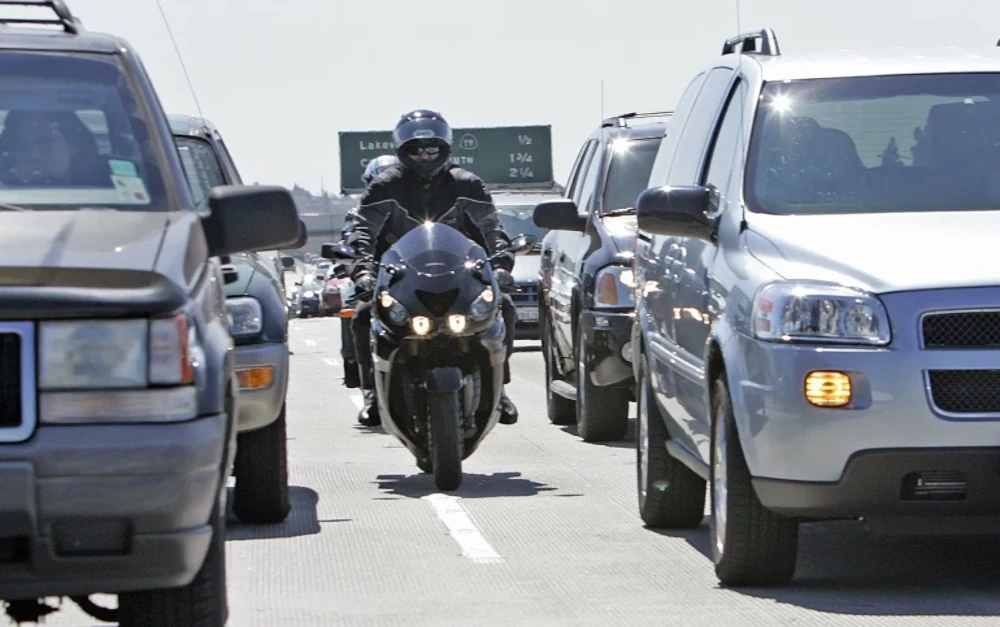
Traditionally, lane splitting refers to the practice of a motorcyclist riding between rows of stopped or moving vehicles, often at higher speeds on highways. This practice remains illegal in Idaho. The state’s motor vehicle code requires that motorcycles remain within a single lane of travel when traffic is moving at normal speeds.
Lane filtering, however, is the practice of a motorcyclist moving between lanes of stopped traffic to reach the front of a line, typically at a red light. This is designed to protect riders from being rear-ended—a common and dangerous type of collision for motorcyclists in urban centers like Boise. As of 2021, Idaho joined a small but growing number of states, including Utah and Montana, that permit a specific form of lane filtering.
Specific Requirements of House Bill 165
In 2021, the Idaho Legislature passed House Bill 165, which legalized lane filtering under very specific conditions. For those visiting Idaho, it is crucial to follow these parameters strictly:
- Traffic must be stopped: You may only filter when the vehicles around you are at a complete standstill.
- Speed Limits: The motorcyclist must not exceed 15 miles per hour while filtering.
- Road Configuration: Filtering is only permitted on roads with at least two lanes of travel in the same direction.
- Safety First: The move must be executed safely and without hindering the normal movement of traffic once the light turns green.
By adhering to these rules, motorcycle tourists can navigate the busier streets of Nampa or Idaho Falls with greater efficiency and safety.
Riding the Gem State: Essential Tourism Tips
Beyond the legalities of the road, touring Idaho requires a blend of preparation and awareness. The state’s geography varies from high-desert plateaus to dense alpine forests, meaning a rider might encounter four seasons in a single day. As a visitor, your focus should be on how the local environment interacts with your riding style.
Seasonal Weather Considerations for the Motorcyclist
Tourism in Idaho is heavily dependent on the season. If you are planning a trip to see the Shoshone Falls or the crystal-clear waters of Lake Coeur d’Alene, timing is everything.
- Late Spring and Summer: This is the peak season for motorcycle tours. The mountain passes, such as those near McCall, are typically clear of snow by late June. However, summer heat in the Treasure Valley can reach over 100 degrees Fahrenheit, making hydration and ventilated gear essential.
- Fall: September and early October offer some of the best riding conditions, with crisp air and vibrant foliage. However, riders should be wary of early frosts, particularly when traveling through high-altitude regions like Sun Valley.
Navigating Idaho’s Wildlife and Rural Terrain
One aspect of Idaho tourism that many riders from urban areas overlook is the abundance of wildlife. Whether you are cruising near Yellowstone National Park or the Grand Tetons on the eastern border, elk, deer, and even moose are frequent visitors to the roadways.
Riding at dusk or dawn is particularly hazardous. Local experts suggest scanning the shoulders of the road constantly and maintaining a speed that allows for sudden stops. In rural sections of the Palouse or the Magic Valley, you may also encounter slow-moving agricultural machinery. Patience is a virtue in Idaho culture; wait for a clear, legal passing zone rather than attempting to split lanes or pass on the shoulder.
Iconic Motorcycle Routes for the Adventurous Traveler
The reason so many riders flock to Idaho is the sheer quality of the roads. The state is home to over 30 designated scenic byways, many of which seem designed specifically with motorcycles in mind, featuring sweeping curves and minimal traffic.
The Majestic Sawtooth Scenic Byway
Starting in Bellevue and heading north through Stanley, the Sawtooth Scenic Byway is a bucket-list route. This path takes you through the heart of the Sawtooth National Forest, offering views of jagged peaks and pristine alpine lakes. Tourists should stop at Redfish Lake for a quick break; the lodge there is very welcoming to the motorcycle community and offers excellent local fare.
Exploring the Depths of Hells Canyon
On the western border shared with Oregon lies Hells Canyon National Recreation Area. This is the deepest river gorge in North America. Riding the Hells Canyon Scenic Byway provides a technical and thrilling experience. The road clings to the canyon walls, providing dramatic drops and intense switchbacks. It is a route that demands full concentration, making the legality of lane splitting a moot point, as you’ll want to savor every inch of the lane you have.
Craters of the Moon National Monument and Preserve
For a landscape that feels truly alien, a ride through Craters of the Moon National Monument and Preserve is essential. The vast fields of lava flows and cinder cones provide a stark, beautiful contrast to the green forests of the north. The loop road within the monument is perfectly paved and offers numerous pull-outs for photography.
Immersing in Idaho’s Biker Culture and Hospitality
Tourism is as much about the people as it is about the places. Idaho has a deeply ingrained “live and let live” philosophy, which translates into a very welcoming atmosphere for motorcyclists. However, understanding the local etiquette is key to a positive experience.
Motorcycle-Friendly Destinations in Boise and Beyond
The capital city, Boise, serves as an excellent hub for any Idaho adventure. The North End neighborhood and the downtown core are filled with local coffee shops and breweries where riders often congregate. If you find yourself in the northern panhandle, the city of Sandpoint offers a similar vibe, with a strong community of riders who frequent the shores of Lake Pend Oreille.
When looking for accommodation, many local spots like the Shore Lodge in McCall or smaller boutique motels in Lewiston are well-accustomed to travelers on bikes. They often provide rags for cleaning windshields or designated parking areas that are more secure.
Local Etiquette and Community Engagement
While lane filtering is legal, it is still a relatively new concept for many Idaho drivers. As a tourist, it is often wise to use the privilege sparingly and with a high degree of courtesy. A polite nod or a wave when a driver moves over to give you space goes a long way in maintaining the positive reputation of the motorcycling community.
Furthermore, Idaho has a helmet law that only applies to riders under the age of 18. While you will see many locals riding without them, most safety-conscious tourists opt for full gear due to the high-speed nature of rural highways and the unpredictable wildlife.
Planning Your Idaho Road Trip
To make the most of your trip to the United States Northwest, a bit of logistical planning ensures that your focus remains on the scenery rather than the stress of the road.
Essential Gear for the Region
Given the varied terrain of Idaho, modular gear is highly recommended. A ride might begin in the temperate climate of Meridian and end in the chilly elevations of Galena Summit. Waterproof layers are also a must, as afternoon thundershowers are common in the mountains during July and August.
Final Thoughts on Safety and Law
So, is lane splitting legal in Idaho? In the traditional, high-speed sense: No. But the state has modernized its approach by allowing lane filtering, recognizing that motorcycle tourism is a vital part of the local economy. By respecting these laws and the natural beauty of the Gem State, you can enjoy a safe, exhilarating journey through one of the most beautiful regions in the world.
Whether you are carving through the Salmon River canyons or enjoying a sunset at Snake River Canyon in Twin Falls, Idaho offers a sense of discovery that is best experienced from the seat of a motorcycle. Respect the road, enjoy the culture, and let the vast horizons of the West lead the way.
LifeOutOfTheBox is a participant in the Amazon Services LLC Associates Program, an affiliate advertising program designed to provide a means for sites to earn advertising fees by advertising and linking to Amazon.com. Amazon, the Amazon logo, AmazonSupply, and the AmazonSupply logo are trademarks of Amazon.com, Inc. or its affiliates. As an Amazon Associate we earn affiliate commissions from qualifying purchases.