
The neon-soaked horizon of Las Vegas is one of the most recognizable sights in the United States. Known globally as the entertainment capital of the world, this desert oasis attracts millions of visitors annually, ranging from high-rollers and honeymooners to families and business professionals attending conventions at the Las Vegas Convention Center. However, given its nickname “Sin City” and its reputation for 24-hour indulgence, a common question arises for the prospective traveler: Is Las Vegas dangerous?
When planning a trip to Nevada, understanding the nuances of safety, geography, and local dynamics is essential. While the city is generally safe for tourists, like any major urban destination, it requires a level of situational awareness. This guide explores the safety landscape of Las Vegas, providing travelers with the insights needed to navigate the bright lights and the surrounding Mojave Desert with confidence.
Understanding the Layout and Safety Dynamics of the City
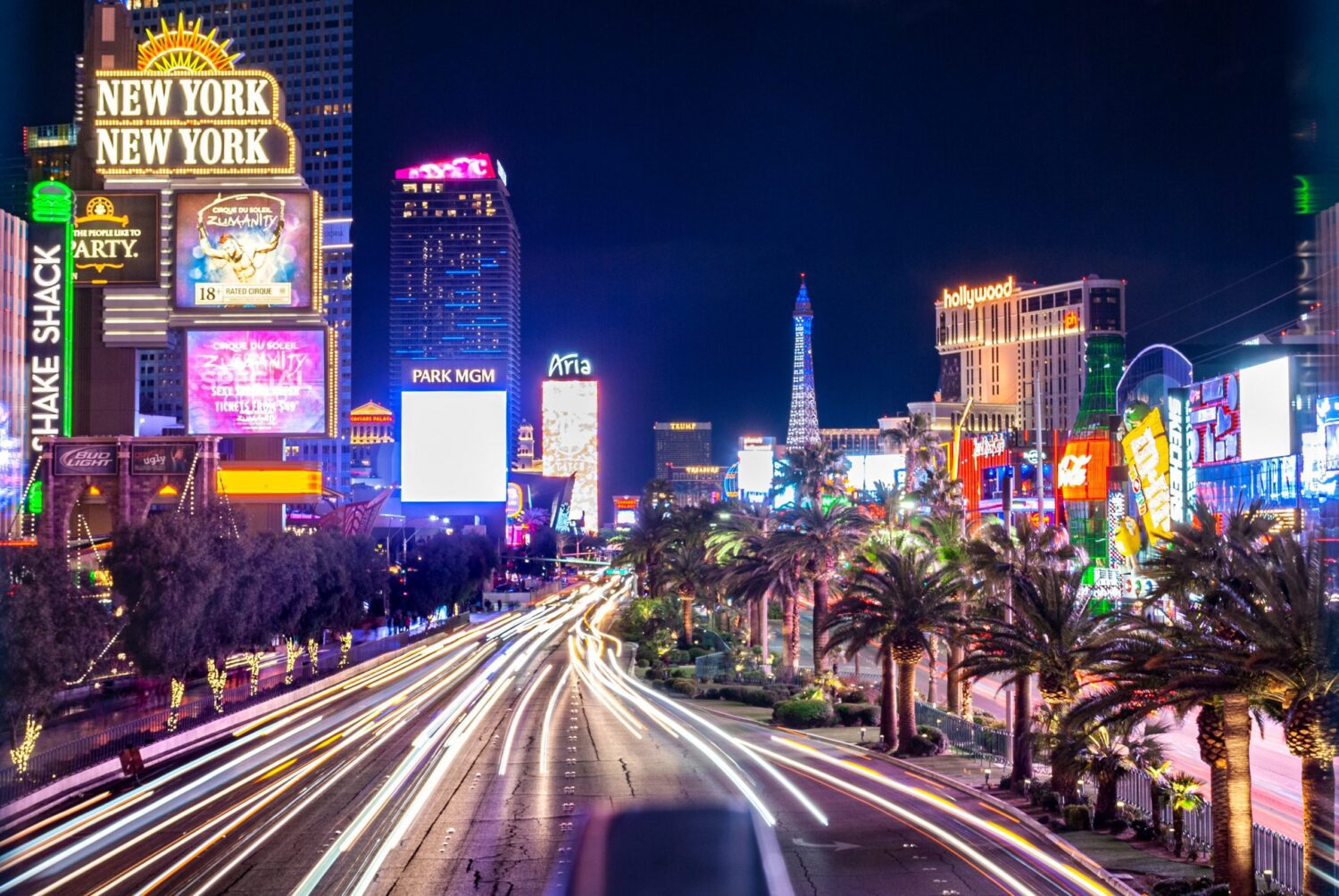
To answer whether Las Vegas is dangerous, one must first understand that the “tourist version” of the city is relatively small and highly monitored. Most visitors spend the vast majority of their time in two specific areas: the Las Vegas Strip and Downtown Las Vegas. These areas are designed for tourism and are heavily patrolled by the Las Vegas Metropolitan Police Department, as well as private security forces employed by major resorts like the MGM Grand and the Bellagio.
The Las Vegas Strip vs. Downtown
The Las Vegas Strip, technically located in the unincorporated town of Paradise, is generally considered very safe for tourists. Because it is the economic engine of the state, the security presence is formidable. You will see officers on foot, on bicycles, and even on horseback. However, the sheer density of crowds at landmarks like the Fountains of Bellagio or the Linq Promenade makes it a prime spot for pickpockets and petty scams.
Downtown Las Vegas, specifically the Fremont Street Experience, has undergone significant revitalization. While the pedestrian mall is vibrant and safe, the surrounding blocks can become “gritty” rather quickly. Travelers are advised to stay within the well-lit, populated areas near major hotels such as the Golden Nugget or the Circa Resort and Casino.
Tourist Zones and Neighborhood Safety
Beyond the neon lights, Las Vegas is a sprawling metropolis. Residential areas like Summerlin and Henderson are frequently ranked among the safest communities in the country. Conversely, certain areas in North Las Vegas or the neighborhoods immediately east of the Las Vegas Strip may have higher crime rates. For the average traveler, there is rarely a reason to visit these residential zones, but it is helpful to know that the city’s safety profile varies significantly by zip code.
Navigating Iconic Attractions with Confidence
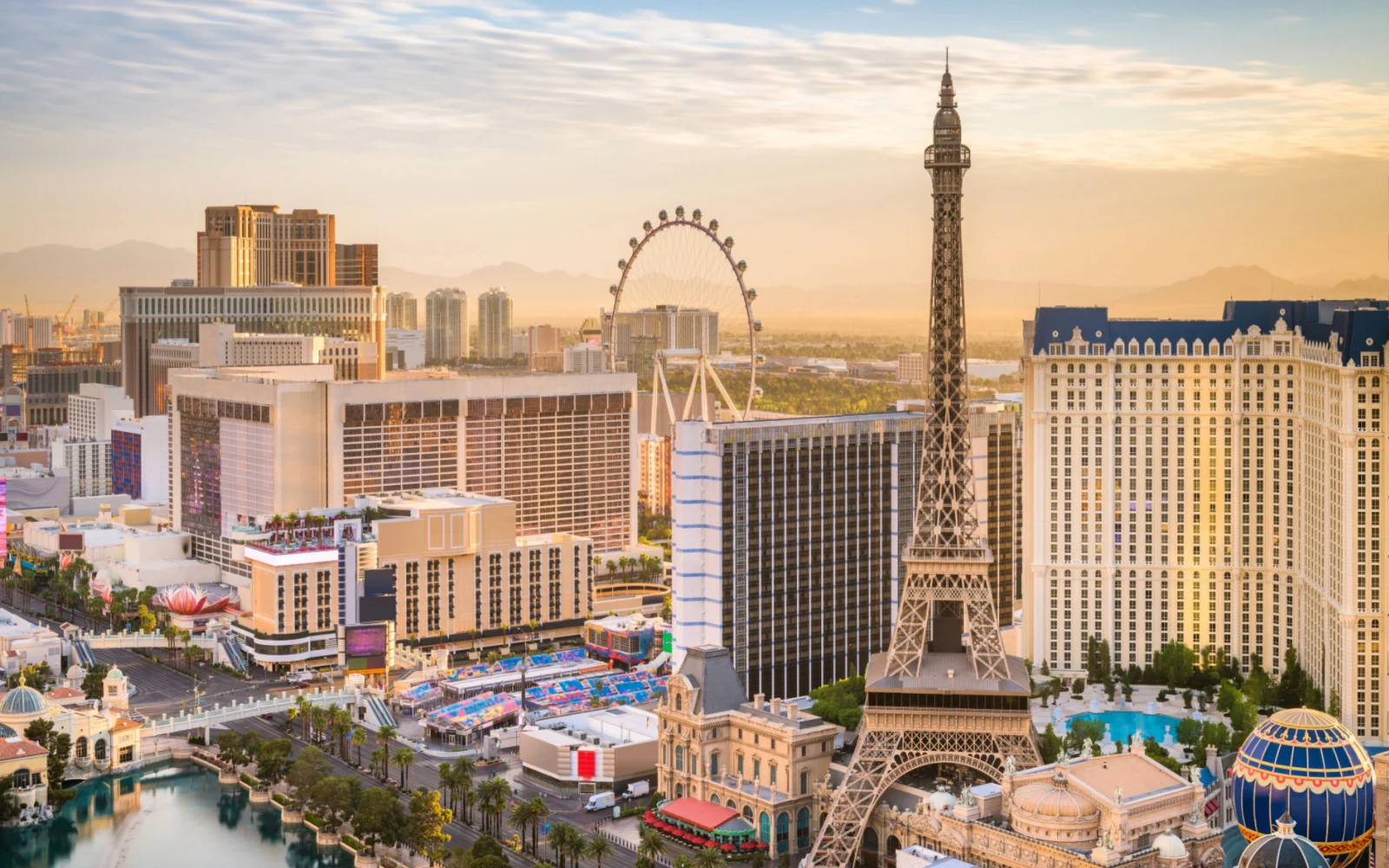
Exploring the architectural marvels of Las Vegas is the highlight of any trip. From the replica Eiffel Tower at Paris Las Vegas to the pyramid of the Luxor Hotel and Casino, the city is a playground of visual spectacles. Navigating these attractions involves more than just looking at maps; it involves understanding the physical environment.
Walking the Strip and Pedestrian Safety
Walking is the most common way to experience the Las Vegas Strip, but it presents unique challenges. The distance between resorts like Wynn Las Vegas and The Strat is much farther than it appears. One of the most significant “dangers” for tourists is actually heat exhaustion and foot fatigue.
Pedestrian safety is also a priority. Las Vegas has installed massive steel bollards along the sidewalks of Las Vegas Boulevard to protect crowds from traffic. Always use the elevated pedestrian bridges to cross the street. These bridges, found at major intersections near Caesars Palace and the New York-New York Hotel & Casino, are designed to keep foot traffic away from the busy six-lane road below.
Transportation Tips: Monorails and Rideshares
For those who prefer not to walk, the Las Vegas Monorail offers a safe and efficient way to travel the length of the Las Vegas Strip, stopping at major hubs like the Flamingo Las Vegas and the Sahara Las Vegas.
Rideshare services are highly regulated in Nevada. At most resorts, such as The Venetian Resort Las Vegas, there are designated pick-up and drop-off zones, often located in the parking garage or a side entrance. This system prevents congestion and ensures that passengers are not wandering onto the main road to find their driver. If you are arriving from Harry Reid International Airport, follow the clear signage to the professional transport levels.
Exploring Beyond the Neon Lights
Many travelers find that the “danger” in Las Vegas isn’t about the people, but the environment. The Mojave Desert is a beautiful but harsh landscape. When leaving the city to visit nearby landmarks, preparation is key to staying safe.
Natural Wonders: Red Rock Canyon and Valley of Fire
Just a short drive from the city lies Red Rock Canyon National Conservation Area. This destination offers stunning crimson peaks and world-class hiking trails. The danger here is primarily environmental: dehydration and getting lost. Always carry more water than you think you need and stay on marked trails.
Similarly, Valley of Fire State Park is famous for its ancient petroglyphs and bright red sandstone. In the summer months, temperatures here can soar above 110 degrees Fahrenheit. Travelers should visit early in the morning and be mindful of the local wildlife, including rattlesnakes and scorpions, which are native to Nevada.
Day Trips to Hoover Dam and the Grand Canyon
Hoover Dam, located on the border between Nevada and Arizona, is a feat of modern engineering and a very safe tourist destination. Security is tight; vehicles entering the dam area are subject to inspection.
Many visitors also use Las Vegas as a base for exploring the Grand Canyon. While many tour operators offer helicopter rides from Las Vegas to the Grand Canyon West Rim, those who choose to drive should be aware of the long stretches of empty road. Ensure your vehicle is in good condition and your fuel tank is full before leaving the metropolitan area of Boulder City.
Essential Tips for a Secure Las Vegas Experience
Safety in Las Vegas is often a matter of common sense. Because the city is designed to be a high-sensory environment, it is easy for travelers to become distracted. By following a few professional travel tips, you can ensure your trip to Nevada is memorable for all the right reasons.
Health and Environment: Staying Hydrated
The most common “injury” in Las Vegas is not related to crime, but to the desert climate. The humidity in Las Vegas is exceptionally low. Visitors often do not realize how much they are perspiring because the sweat evaporates instantly. When you combine this with the consumption of alcohol—a common activity at the Chandelier Bar inside The Cosmopolitan of Las Vegas—the risk of dehydration increases significantly. Drink plenty of water and use sunscreen, even if you are just walking between the Mirage Las Vegas and Treasure Island.
Protecting Personal Belongings
In high-traffic areas like the Fremont Street Experience or the front of the Mandalay Bay Resort and Casino during a concert, keep your belongings secure. Use front pockets for wallets and keep bags zipped and in front of your body.
Inside the casinos, such as the ARIA Resort & Casino or Encore Las Vegas, there are thousands of cameras monitoring every inch of the floor. While this makes the casinos very safe, you should still never leave a purse or phone hanging on the back of a chair at a slot machine or a restaurant.
Avoiding Scams and Street Solicitation
While walking the Las Vegas Strip, you will likely encounter street performers and individuals handing out flyers. Most are harmless, but some can be aggressive in seeking tips. It is perfectly acceptable to walk past without engaging. Be wary of “street games” like Three-Card Monte; these are rigged and illegal. If you want to see a show, stick to official box offices at venues like O by Cirque du Soleil or the Sphere.

Conclusion: A Balanced Perspective on Safety
So, is Las Vegas dangerous? For the vast majority of the 40 million people who visit each year, the answer is a resounding no. The city is a sophisticated destination that prioritizes the safety of its guests. By staying in well-known tourist areas, respecting the desert climate, and maintaining basic urban awareness, travelers can enjoy everything from the heights of the High Roller to the art at Seven Magic Mountains without incident.
Whether you are enjoying a luxury stay at Waldorf Astoria Las Vegas or exploring the historic charm of the Mob Museum, Las Vegas offers a world-class experience. Like any travel to a major city in the United States, the key to a successful trip lies in preparation, mindfulness, and a spirit of adventure. Enjoy the spectacle, take in the sights of the Eiffel Tower Viewing Deck, and rest easy knowing that Sin City is one of the most well-monitored destinations on the planet.
LifeOutOfTheBox is a participant in the Amazon Services LLC Associates Program, an affiliate advertising program designed to provide a means for sites to earn advertising fees by advertising and linking to Amazon.com. Amazon, the Amazon logo, AmazonSupply, and the AmazonSupply logo are trademarks of Amazon.com, Inc. or its affiliates. As an Amazon Associate we earn affiliate commissions from qualifying purchases.