
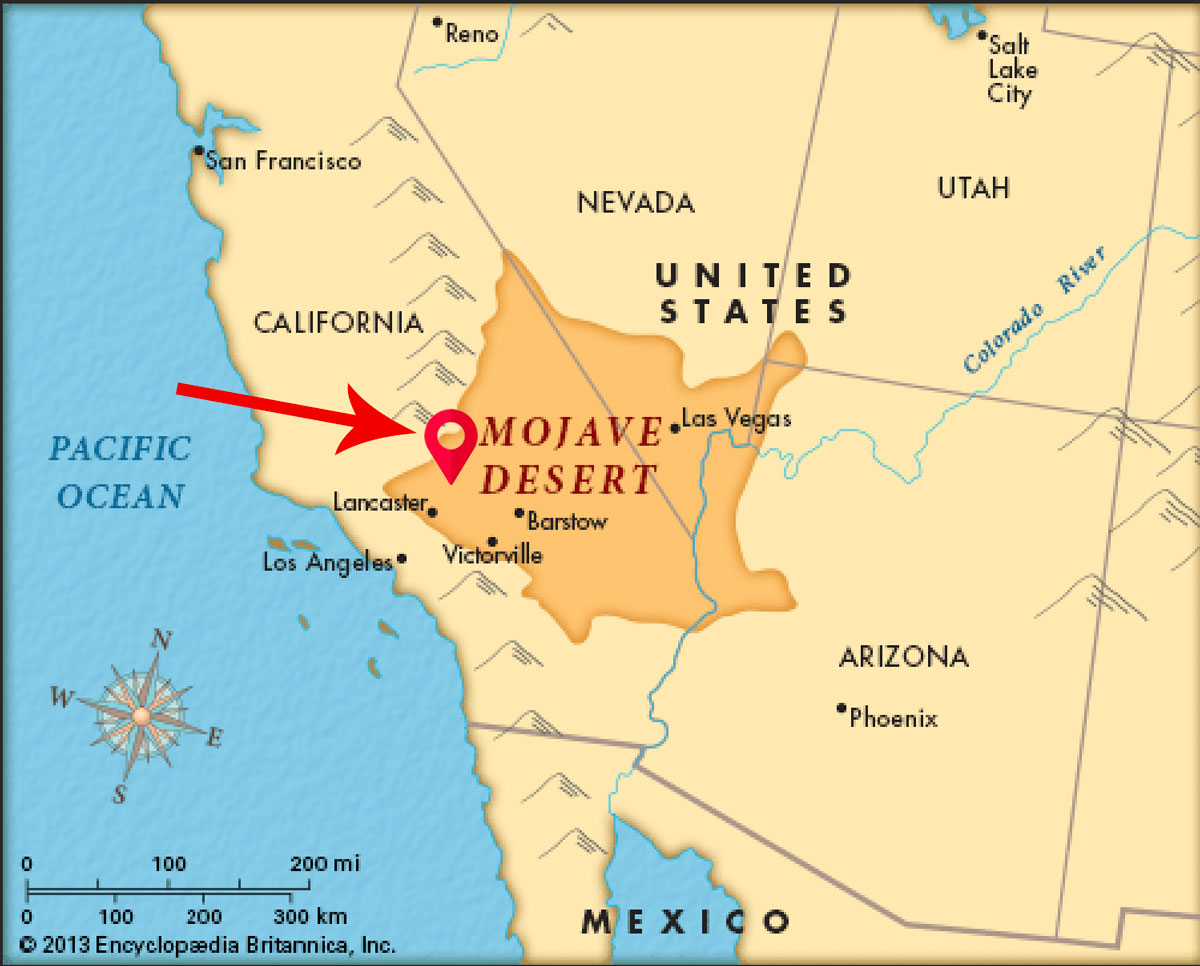
When travelers touch down at Harry Reid International Airport, they are often struck by the stark, sweeping vistas of sand and scrub that surround the glittering metropolis of Las Vegas. While the neon lights of the Las Vegas Strip create an illusion of a lush oasis, the geological reality is quite different. The answer to the question is an unequivocal yes: Las Vegas is situated firmly within the heart of the Mojave Desert. Understanding this geography is essential for any traveler looking to go beyond the casino floors and explore the natural wonders that define this unique corner of the United States.
The Geographical Reality of the Mojave Desert
The Mojave Desert is a vast and ecologically significant region spanning parts of California, Nevada, Arizona, and Utah. Characterized by its relatively high elevation and its distinct flora, the desert serves as a dramatic backdrop for the urban development found in Southern Nevada.
Defining the Mojave Basin
Unlike the lower, hotter Sonoran Desert to the south, the Mojave Desert is defined by its basin-and-range topography. This landscape is a series of isolated mountain ranges separated by expansive valleys. Las Vegas sits within the Las Vegas Valley, a massive basin surrounded by several mountain ranges including the Spring Mountains and the Sheep Range. These geological formations capture moisture, creating a unique microclimate that allows life to thrive in what would otherwise be an inhospitable landscape.
A Unique Ecosystem
The defining botanical feature of the Mojave Desert is the iconic Joshua Tree. While these trees are most famous for their presence in Joshua Tree National Park, they are scattered throughout the higher elevations surrounding Las Vegas. These trees are a testament to the desert’s resilience, standing as silent guardians against the intense heat and limited water supply. Understanding this ecosystem adds a layer of appreciation for the city; the proximity of the urban environment to such raw, untamed nature is one of the region’s greatest assets.
Beyond the Neon: Exploring the Desert Landscape
Many visitors arrive in Las Vegas expecting only world-class dining and high-stakes gambling. However, the true beauty of Southern Nevada lies in its proximity to world-renowned natural landmarks. Because the city is built on desert floor, access to rugged wilderness is often less than an hour’s drive from the center of the action.
Red Rock Canyon National Conservation Area
Perhaps the most accessible piece of the Mojave Desert for city residents and tourists alike is Red Rock Canyon National Conservation Area. Located just west of the Las Vegas Valley, this landscape is a stunning display of Aztec Sandstone formations. The vibrant red colors of the rock, contrasted against the deep blue sky, provide a photographer’s paradise. Hiking the trails here allows visitors to see the desert up close, uncovering hidden springs, desert bighorn sheep, and ancient petroglyphs left by indigenous peoples.

Valley of Fire State Park
Moving north into the Moapa Valley, one finds Valley of Fire State Park. This Nevada gem offers an even more immersive experience in the Mojave Desert than its counterpart near the city. The rock formations here are remnants of shifting sand dunes that turned to stone over millions of years. When the sun hits the iron-rich sandstone, the entire park appears to be ablaze, living up to its name. Exploring Valley of Fire State Park is an essential activity for anyone wanting to truly understand the geological drama that sits just outside the Las Vegas limits.
The Human Adaptation to Arid Environments
Building a massive, thriving metropolis in the middle of the Mojave Desert required human ingenuity on a global scale. The history of Las Vegas is inextricably linked to the management and mastery of water and climate.
The Role of the Colorado River
The survival and growth of the Las Vegas metropolitan area are primarily due to the Colorado River. The construction of the Hoover Dam transformed the region by creating Lake Mead, the largest reservoir in the United States. This engineering marvel allowed the city to flourish, providing the water necessary to sustain millions of residents and a massive tourism industry that demands luxurious amenities like sprawling swimming pools and fountains.
Sustainable Tourism in the Desert
In recent years, the approach to living in this desert climate has shifted. Las Vegas has become a leader in water conservation and sustainable desert architecture. Modern resorts are implementing grey-water recycling systems and drought-resistant landscaping, moving away from the water-intensive lawns of the past to embrace Xeriscaping—a landscaping style that uses native, desert-adapted plants. This shift represents a maturation of the city, acknowledging its place within the fragile Mojave Desert environment while maintaining its status as a world-class destination.
Planning Your Desert Excursion
For those visiting the Las Vegas Strip who want to venture into the Mojave Desert, preparation is the key to a safe and enjoyable experience. The desert environment is as unforgiving as it is beautiful.
Seasonal Timing
The best time to explore the Mojave Desert is during the cooler months, generally from late autumn through early spring. Daytime temperatures during the summer can routinely exceed 110 degrees Fahrenheit, making mid-day hiking dangerous for even experienced outdoor enthusiasts. Winter brings cooler, crisp air, which is perfect for traversing the trails of the Spring Mountains or exploring the vast dunes.

Essential Supplies
Regardless of the time of year, hydration is non-negotiable. Visitors should always carry significantly more water than they expect to consume, and wearing proper sun protection—hats, sunglasses, and high-SPF sunscreen—is vital. Navigation can be tricky in the vast openness of the desert, so sticking to marked trails and keeping a GPS or a physical map is always recommended. By respecting the power of the Mojave Desert, you gain the ability to enjoy one of the most spectacular natural landscapes in North America.
Ultimately, Las Vegas and the Mojave Desert exist in a complex, fascinating symbiotic relationship. The city provides a beacon of modern human achievement, while the desert provides a timeless, breathtaking canvas that reminds us of the raw forces of nature. Whether you are looking for the thrill of the casino or the silence of the wilderness, you are always within the bounds of a truly unique corner of the world.
LifeOutOfTheBox is a participant in the Amazon Services LLC Associates Program, an affiliate advertising program designed to provide a means for sites to earn advertising fees by advertising and linking to Amazon.com. Amazon, the Amazon logo, AmazonSupply, and the AmazonSupply logo are trademarks of Amazon.com, Inc. or its affiliates. As an Amazon Associate we earn affiliate commissions from qualifying purchases.