
When planning a trip to Las Vegas, one of the most pressing questions for travelers is how to efficiently navigate the famous four-mile stretch of South Las Vegas Boulevard, commonly known as the Las Vegas Strip. With towering Resorts and bustling crowds, walking from one end to the other is often more exhausting than it appears on a map. This is where the Las Vegas Monorail enters the conversation. However, a common misconception exists regarding its cost. To clarify: the main Las Vegas Monorail is not free.

While the system offers a sleek, air-conditioned, and efficient way to bypass Nevada traffic, it operates as a paid public transportation service. That said, there are several “free” tram systems located on the west side of the Las Vegas Strip that often get confused with the primary monorail. Understanding the difference between these systems is essential for any visitor looking to optimize their Tourism experience in the United States’ most vibrant playground.
Understanding the Las Vegas Monorail System
The Las Vegas Monorail is a 3.9-mile automated mass transit system that runs along the eastern side of the Las Vegas Strip. It was designed to provide a quick connection between major Hotels and the Las Vegas Convention Center, making it a staple for both vacationers and business professionals.
The Route and Key Stops
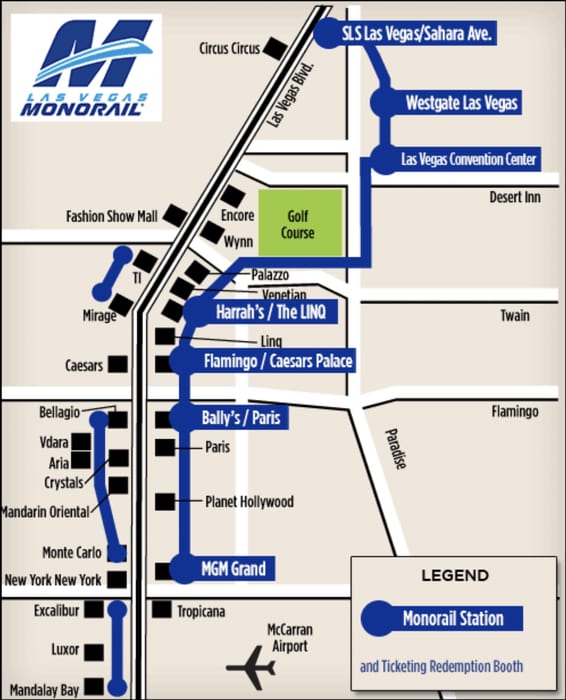
The system consists of seven stations, strategically placed to serve some of the most iconic properties in the city. Starting from the southern end, the first stop is located at the MGM Grand. From there, the train moves north to Horseshoe Las Vegas and Paris Las Vegas (which share a station).
Continuing north, the monorail stops at Flamingo Las Vegas and Caesars Palace. Further up, passengers can disembark at Harrah’s Las Vegas and The Linq Promenade. The northernmost section of the track services the Las Vegas Convention Center, followed by Westgate Las Vegas, and finally terminating at Sahara Las Vegas.
Operating Hours and Reliability
One of the primary reasons tourists choose this over rideshares or the Regional Transportation Commission of Southern Nevada (RTC) buses is reliability. The monorail operates daily, usually starting at 7:00 AM and running until midnight on Mondays, 2:00 AM from Tuesday through Thursday, and 3:00 AM from Friday through Sunday.
Because the trains run on an elevated track, they are completely immune to the gridlock that often plagues the Las Vegas Strip during peak hours or special events like the Formula 1 Las Vegas Grand Prix. Trains typically arrive every four to eight minutes, ensuring that you are never waiting long in the desert heat.
The Cost of Convenience: Ticket Pricing Explained
While the Las Vegas Monorail provides significant value in terms of time saved, it does require a financial investment. The pricing structure is designed to accommodate different types of visitors, from those taking a single ride to those staying for a week.
Standard Ticket Options
For a one-time journey, a single-ride ticket is available. This is ideal for visitors who simply want to get from one end of the Las Vegas Strip to the other for a specific dinner reservation or show. However, for most tourists, the real value lies in the unlimited passes.
Unlimited passes are sold in increments of 24 hours, 2 days, 3 days, 4 days, 5 days, and 7 days. These passes allow for endless boarding and exiting within the purchased timeframe. It is worth noting that children under the age of five can ride for free, making it a slightly more budget-friendly option for families traveling with young kids.
Purchasing Methods and Discounts
Tickets can be purchased at automated kiosks located at every station. However, savvy travelers often purchase their tickets online in advance. Digital tickets can be saved to a smartphone’s wallet, allowing for a “touchless” entry at the fare gates. Often, the Las Vegas Monorail website offers promotional discounts for multi-day passes that are not always available at the physical kiosks. Additionally, Nevada residents are eligible for a significantly discounted fare upon showing a valid state ID at the customer service desks.
Free Transportation Alternatives in Las Vegas
If your heart is set on finding free transportation, you aren’t completely out of luck. While the main monorail charges a fee, there are three independent, free trams operated by major casino groups on the west side of the Las Vegas Strip. These are often referred to as “monorails” by locals, which leads to the confusion regarding the paid system.
The Aria Express Tram
The Aria Express Tram is perhaps the most useful of the free options. It connects Park MGM, Aria Resort & Casino, Vdara, and Bellagio. This is a fantastic resource for those staying at the CityCenter complex who want to visit the famous fountains at the Bellagio without walking.
The Mandalay Bay – Luxor – Excalibur Tram
On the southern end of the Las Vegas Strip, MGM Resorts International operates a free tram that links Mandalay Bay, Luxor, and Excalibur. This is particularly helpful for those attending conventions at the Mandalay Bay Convention Center or sports fans heading to Allegiant Stadium, as it cuts down a significant amount of walking time between these massive properties.
The Treasure Island – Mirage Tram
The third free option is the Treasure Island to The Mirage tram. Although The Mirage is currently undergoing a major transformation into the Hard Rock Hotel & Casino Las Vegas, this tram link has historically been a quick way to jump between these two neighboring resorts. Always check the current operational status of this specific tram, as construction can occasionally lead to temporary closures.
Strategic Tips for Using the Monorail
To get the most out of your transit experience, it helps to understand the logistics of the stations. Unlike a subway in New York City, the Las Vegas Monorail stations are located at the very back of the Hotels.
Factoring in Walking Time
A common mistake is assuming that once you arrive at a station, you have arrived at your destination. Because these Resorts are enormous, it can often take 10 to 15 minutes just to walk from the monorail platform through the casino floor to reach the Las Vegas Strip sidewalk. When planning your itinerary, always account for this “last mile” of walking.
Best Use Cases for the Monorail
The monorail is most effective for:
- Convention Attendees: If you are staying at the MGM Grand but attending a show at the Las Vegas Convention Center, the monorail is the fastest possible route.
- Nightlife Crawls: If you want to start your night with dinner at Sahara Las Vegas and end it with a club at Paris Las Vegas, the monorail provides a safe and reliable way to move between venues.
- Avoiding Heat: In the peak of summer, when temperatures in Las Vegas can exceed 110 degrees Fahrenheit, the air-conditioned cabins are a lifesaver.
Maximizing Your Value on the Las Vegas Strip
While the Las Vegas Monorail isn’t free, it remains a cornerstone of a well-planned trip. By combining the paid monorail with the free trams on the west side, you can navigate nearly the entire resort corridor with minimal walking.
Comparing Rideshares and Public Transit
Before purchasing a multi-day pass, consider your group size. If you are traveling solo or as a couple, the monorail is almost always cheaper than taking an Uber or Lyft every time you want to move. However, for a group of four, a rideshare might occasionally be more cost-effective, though you will be subject to the unpredictable traffic of Las Vegas.

The “Deuce” Bus Alternative
For those on a strict budget, the RTC operates a double-decker bus known as The Deuce. It is cheaper than the monorail and runs 24/7 along the actual Las Vegas Strip sidewalk. While it is slower due to traffic and frequent stops, it provides a great view of the neon lights and stops at almost every major landmark, including the Welcome to Fabulous Las Vegas Sign and Fremont Street Experience in Downtown Las Vegas.
In conclusion, while the Las Vegas Monorail is not free, its efficiency, speed, and convenience make it a worthwhile expense for many visitors. By understanding the layout of the paid system and utilizing the free trams when possible, you can master the art of Las Vegas transit and focus your energy on the entertainment, dining, and excitement that the city is famous for. Whether you are heading to a meeting at the Westgate Las Vegas or catching a show at Caesars Palace, knowing your transit options is the first step toward a successful Nevada adventure.
LifeOutOfTheBox is a participant in the Amazon Services LLC Associates Program, an affiliate advertising program designed to provide a means for sites to earn advertising fees by advertising and linking to Amazon.com. Amazon, the Amazon logo, AmazonSupply, and the AmazonSupply logo are trademarks of Amazon.com, Inc. or its affiliates. As an Amazon Associate we earn affiliate commissions from qualifying purchases.