
Las Vegas, the shimmering oasis in the Nevada desert, beckons millions of visitors each year with its dazzling array of entertainment, world-class dining, luxurious hotels, and vibrant nightlife. Known globally as the “Entertainment Capital of the World,” it’s a destination synonymous with excitement, indulgence, and unforgettable experiences. However, for many prospective travelers, a fundamental question often arises amidst the allure: “Is Las Vegas safe?”
This is a valid and crucial inquiry for anyone planning a trip, whether it’s a family vacation, a solo adventure, a romantic getaway, or a business stay. The perception of safety can greatly influence travel decisions, and understanding the realities of security in such a bustling metropolis is paramount. Like any major city, Las Vegas has its unique characteristics, and while generally considered a safe tourist destination, being informed and prepared is key to ensuring a smooth and enjoyable visit.
This comprehensive guide aims to shed light on various aspects of safety in Las Vegas, drawing on insights relevant to travel, tourism, accommodation, and lifestyle within the city. We’ll explore general crime rates, specific safety considerations for different areas, practical tips for travelers, and how to make the most of your trip while staying secure.
Understanding Safety in the Entertainment Capital
Before diving into specifics, it’s essential to establish a foundational understanding of safety in Las Vegas. The city thrives on tourism, and its economy is heavily invested in ensuring visitors feel secure and have positive experiences. This commitment translates into significant security measures, particularly in high-traffic tourist zones.
Dispelling Myths and Addressing Realities
The image of Las Vegas portrayed in movies and media sometimes suggests a chaotic or lawless environment, but this is largely a dramatization. In reality, the city’s main tourist areas, especially the famous Las Vegas Strip, are heavily monitored and patrolled. Hotels and resorts invest millions in sophisticated security systems, including surveillance cameras, trained personnel, and access controls to protect their guests and properties.
However, like any urban center, Las Vegas is not immune to crime. The vast majority of incidents affecting tourists are opportunistic, non-violent crimes such as pickpocketing, purse snatching, or credit card fraud, often occurring in crowded areas or when individuals are distracted or impaired. Violent crime, while it does occur, is less prevalent in tourist areas and rarely targets visitors randomly.
Overall Crime Rates: A Balanced Perspective
When evaluating safety, it’s helpful to look at crime statistics in context. The Las Vegas Metropolitan Police Department (LVMPD) is responsible for policing the city and provides public data. While overall crime rates in some categories might appear higher than in smaller, quieter towns, this is typical for major metropolitan areas that attract large transient populations. What’s crucial for travelers is to distinguish between crimes affecting residents in specific neighborhoods and those impacting tourists in designated tourism corridors.
The focus for visitors should be on understanding the specific risks associated with tourist activities and locations. The primary goal of criminals targeting tourists is usually quick, easy gain, which means that visible valuables, unattended belongings, and individuals who appear vulnerable (e.g., heavily intoxicated) are often targets. By adopting common-sense precautions, visitors can significantly reduce their risk.
Navigating Key Las Vegas Zones: Safety by Location
Understanding the different areas of Las Vegas and their unique safety profiles is crucial for informed travel planning. The city is broadly divided into several distinct zones, each offering different experiences and requiring varying levels of awareness.
The Iconic Las Vegas Strip: Glamour and Vigilance
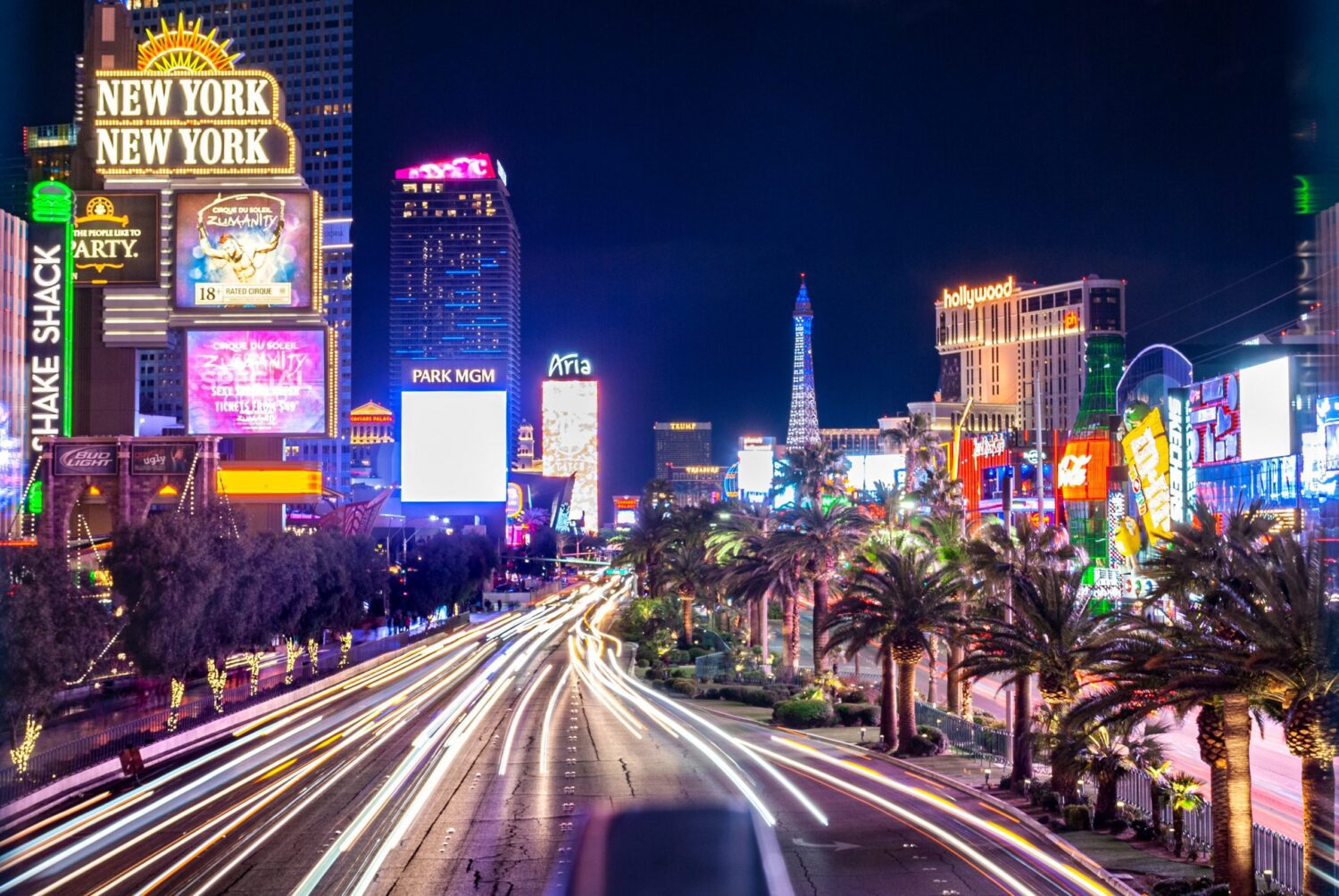
The Las Vegas Strip is undeniably the heart of the city’s tourism. Home to world-renowned resorts like the Bellagio, Caesars Palace, The Venetian Resort, MGM Grand, Wynn Las Vegas, The Cosmopolitan of Las Vegas, Paris Las Vegas, and Planet Hollywood Resort & Casino, this 4.2-mile stretch is meticulously maintained and heavily secured. You’ll find a constant police presence, private security personnel, and extensive surveillance.
Common Concerns: Despite the high security, the immense crowds on the Strip can present opportunities for petty theft. Pickpockets often operate in dense pedestrian areas, especially during major events or late at night. There can also be street performers or individuals attempting to run minor scams. Over-intoxicated individuals, both tourists and locals, are common, which can sometimes lead to minor altercations or create uncomfortable situations.
Safety Tips: Be aware of your surroundings, keep valuables secure and out of sight, and avoid engaging with aggressive street vendors or performers. Crosswalks and pedestrian bridges are your safest bet for traversing the Strip; jaywalking is both illegal and dangerous.
Downtown Las Vegas and the Fremont Street Experience
North of the Strip, Downtown Las Vegas offers a different vibe, centered around the Fremont Street Experience. This area has undergone significant revitalization and is a popular destination for its vintage casinos, live entertainment, and the dazzling Viva Vision canopy light show.
Common Concerns: Similar to the Strip, crowds and nightlife can create an environment where pickpocketing and minor disturbances occur. While the Fremont Street Experience itself is well-patrolled, some surrounding blocks can be sketchier, especially late at night.
Safety Tips: Exercise the same vigilance as on the Strip regarding your belongings. Stick to well-lit, populated areas within the Fremont Street Experience and its immediate vicinity. If venturing further into Downtown for dining or attractions, consider taking a taxi or rideshare service, especially after dark.
Off-Strip and Residential Areas: Beyond the Tourist Hub
Once you venture away from the main tourist corridors, Las Vegas becomes a typical American city with residential neighborhoods, local businesses, and varying levels of safety.
Common Concerns: Crime rates in residential areas are generally higher than on the Strip and can include property crimes, burglaries, and occasional violent incidents, similar to any urban environment. Tourists typically have little reason to be in these areas unless visiting friends or specific local attractions.
Safety Tips: If your accommodation is off-Strip or you plan to explore local spots, research the specific neighborhood beforehand. Utilize reputable rideshare services or taxis rather than walking alone in unfamiliar areas, especially at night. Always be aware of your surroundings, and avoid displaying signs of wealth.

Essential Safety Tips for Every Traveler
Beyond understanding specific locations, a proactive approach to personal safety is your best defense against potential issues in Las Vegas. These tips are applicable whether you’re enjoying the Bellagio Fountains, exploring a museum, or relaxing at your resort.
Hotel and Accommodation Security: Your Sanctuary
Your choice of accommodation plays a significant role in your overall safety. Most Las Vegas hotels and resorts boast excellent security.
Tips:
- Research Reviews: When booking, check recent reviews for mentions of safety, room security, and neighborhood atmosphere, particularly if choosing off-Strip options like apartments or villas.
- Secure Your Room: Always use the deadbolt and chain when in your room. Do not open the door to strangers. Use the in-room safe for valuables, passports, and extra cash.
- Be Discreet: Avoid displaying your room key in public or discussing your room number loudly. If your key card includes the room number, ask the front desk for a sleeve to cover it.
- Utilize Hotel Amenities: Many resorts have concierge services that can assist with safe transportation or provide local safety advice.
Nightlife and Socializing: Enjoying Responsibly
Las Vegas is famous for its vibrant nightlife, with countless bars, clubs, and lounges.
Tips:
- Drink Responsibly: Alcohol and other substances can impair judgment and make you a target. Know your limits, stay hydrated, and don’t accept drinks from strangers. Never leave your drink unattended.
- Stay with Your Group: If you’re with friends, make a plan to stick together, especially in crowded venues. Have a meeting point in case you get separated.
- Plan Your Return: Before going out, know how you’ll get back to your hotel. Use reputable taxis, rideshare apps, or the Las Vegas Monorail.
- Trust Your Gut: If a situation or person feels off, remove yourself from it.
Transportation Safety: Getting Around Securely
Getting around Las Vegas is generally straightforward, but knowing the safest options is important.
Tips:
- Official Taxis & Rideshares: Only use licensed taxis from designated stands or reputable rideshare services like Uber or Lyft. Always confirm the vehicle and driver match the information on your app. Avoid unmarked cabs or soliciting rides from strangers.
- Public Transportation: The RTC Transit system (buses) and the Las Vegas Monorail are generally safe options during the day and early evening. Be more cautious if using them late at night.
- Walking: While walking on the Strip is common, use designated pedestrian areas and avoid walking alone in poorly lit or deserted areas, especially after dark.
Weather and Environmental Awareness: Beyond Urban Dangers
Las Vegas is in a desert environment, which presents its own set of safety considerations often overlooked by urban-focused safety guides.
Tips:
- Extreme Heat: Summers in Las Vegas are intensely hot, with temperatures often exceeding 100°F (38°C). Stay hydrated by drinking plenty of water, wear light clothing, use sunscreen, and seek shade. Heatstroke can be a serious medical emergency.
- Desert Wildlife: If venturing outside the city for activities like hiking in Red Rock Canyon National Conservation Area or visiting Lake Mead or Hoover Dam, be aware of local wildlife like snakes, scorpions, and coyotes. Stick to marked trails and wear appropriate footwear.
- Flash Floods: While rare, heavy rainfall can lead to flash floods in desert washes and low-lying areas. Pay attention to weather alerts, especially during monsoon season (July-September).
Common Scenarios and How to Mitigate Risks
Being prepared for specific situations can further enhance your safety and enjoyment in Las Vegas.
Protecting Against Theft and Scams
Petty theft is the most common crime affecting tourists.
Tips:
- Secure Valuables: Keep wallets in a front pocket, use cross-body bags with zippers, and avoid carrying large amounts of cash. Leave unnecessary valuables and important documents locked in your hotel safe.
- Be Wary of Distractions: Pickpockets often work in teams, one creating a distraction while the other snatches belongings. Be cautious of anyone bumping into you or trying to draw your attention unnecessarily.
- Avoid Street Hustlers: Decline offers for free show tickets, “mix tapes,” or anything that seems too good to be true from street vendors or individuals aggressively approaching you. These are often precursors to scams or high-pressure sales.
- Gambling Safely: If playing at casinos, keep your chips and cash secure. Never leave your winnings or personal items unattended at a table or slot machine.
Managing Over-Intoxication and Personal Vulnerability
The allure of unlimited fun in Las Vegas can sometimes lead to over-indulgence, making individuals more vulnerable.
Tips:
- Pace Yourself: The availability of alcohol 24/7 means it’s easy to overdo it. Drink plenty of water between alcoholic beverages.
- Designate a Driver/Sober Buddy: If traveling in a group, ensure someone remains clear-headed to look out for everyone.
- Know Your Limits: Understand how alcohol affects you. If you start to feel overly intoxicated, stop drinking and head back to your hotel.
- Be Cautious with New Acquaintances: While Las Vegas is a great place to meet people, exercise caution. Avoid sharing personal information or going to secluded locations with strangers.
Health, Emergency Services, and Staying Prepared
Being prepared for health emergencies or other unforeseen circumstances is a key aspect of safe travel.
Tips:
- Travel Insurance: Consider purchasing travel insurance, especially if you have pre-existing medical conditions or are engaging in adventurous activities.
- Medical Facilities: Las Vegas has excellent medical facilities, including several hospitals easily accessible from the Strip and Downtown.
- Emergency Contacts: Keep a list of emergency contacts, including your hotel address and phone number, family members, and local emergency services (911 in the United States).
- Share Your Itinerary: Let a trusted friend or family member know your travel plans, especially if you’re a solo traveler.
Making Your Las Vegas Trip Safe and Memorable
In conclusion, “Is Las Vegas safe?” The answer, like for many vibrant tourist destinations, is generally yes, but with an important caveat: your safety largely depends on your awareness and preparedness. The city’s main tourist areas are heavily invested in security, offering a relatively safe environment for millions of visitors each year.
By understanding the distinct safety profiles of different zones, exercising common sense, and implementing practical safety tips, you can significantly mitigate potential risks. From securing your belongings on the Las Vegas Strip to drinking responsibly during nightlife and staying hydrated in the desert heat, a mindful approach ensures a secure and enjoyable trip.
Las Vegas offers an unparalleled blend of attractions, entertainment, and luxury travel experiences. With a little planning and vigilance, you can confidently immerse yourself in all that the “Entertainment Capital of the World” has to offer, creating memories that will last a lifetime, safely and securely. So pack your bags, prepare your itinerary, and get ready to experience the dazzling magic of Las Vegas with peace of mind.
LifeOutOfTheBox is a participant in the Amazon Services LLC Associates Program, an affiliate advertising program designed to provide a means for sites to earn advertising fees by advertising and linking to Amazon.com. Amazon, the Amazon logo, AmazonSupply, and the AmazonSupply logo are trademarks of Amazon.com, Inc. or its affiliates. As an Amazon Associate we earn affiliate commissions from qualifying purchases.