
Las Vegas, the dazzling “Entertainment Capital of the World,” attracts millions of visitors annually, drawn by its vibrant nightlife, world-class entertainment, and unique desert charm. Amidst the excitement of the Las Vegas Strip and the myriad of attractions, a common, yet crucial, question often surfaces: Is the tap water safe to drink? For both first-time visitors and seasoned travelers, understanding the quality and safety of a destination’s drinking water is paramount for a comfortable and healthy trip. In a city situated in the arid Mojave Desert, the perception of water scarcity can sometimes lead to assumptions about water quality. However, the reality of Las Vegas’ water supply is far more robust and regulated than many might imagine. This comprehensive guide delves into the origins, treatment, testing, and overall safety of drinking water in Las Vegas, offering peace of mind and practical advice for anyone visiting or residing in this iconic city.

The short answer is a resounding yes: Las Vegas’ tap water is not only safe to drink but also meets some of the most stringent quality standards in the United States. This assurance is backed by advanced infrastructure, meticulous monitoring, and a commitment to public health. But to truly appreciate this fact, it’s essential to explore the journey of water from its source to your glass, understanding the dedication and technology that ensure its safety.
The Source of Las Vegas’ Water Supply
Understanding where Las Vegas gets its water is the first step in appreciating its safety. Despite its desert location, the city has a remarkably reliable and well-managed water supply, primarily drawn from one of North America’s most significant water resources.
Lake Mead and the Colorado River
The vast majority, approximately 90%, of Las Vegas’ drinking water comes from Lake Mead, a massive reservoir formed by the Hoover Dam on the Colorado River. This iconic river system serves millions of people across seven U.S. states and parts of Mexico. The water journey begins high in the Rocky Mountains, flowing through various landscapes before being impounded in Lake Mead.
For decades, Lake Mead has been the lifeblood of Southern Nevada, providing a stable and high-quality source. While concerns about drought and declining water levels in the Colorado River basin are valid and constantly addressed through comprehensive water management strategies, these issues primarily relate to water availability and allocation, not the quality of the water itself once it reaches the treatment facilities. The water drawn from Lake Mead is raw but undergoes extensive treatment to meet drinking water standards.
Southern Nevada Water Authority (SNWA)
The task of managing Las Vegas’ water supply, treatment, and distribution falls to the Southern Nevada Water Authority (SNWA). This regional agency is responsible for the integrated management of water resources for more than 2.3 million people in Southern Nevada, including the cities of Las Vegas, Henderson, North Las Vegas, and Boulder City.
The SNWA operates two state-of-the-art water treatment facilities that draw water directly from Lake Mead. These facilities are equipped with advanced purification technologies designed to remove impurities and ensure the water is safe for consumption. The SNWA’s commitment extends beyond just treatment; it also involves proactive conservation efforts, infrastructure maintenance, and rigorous monitoring, all aimed at delivering high-quality, reliable water to the region.
Ensuring Water Quality: Treatment and Testing
The journey from Lake Mead to your tap is a complex process involving multiple stages of purification and constant vigilance. This robust system is why Las Vegas’ water is consistently rated among the safest in the nation.
State-of-the-Art Treatment Facilities
The SNWA’s two primary treatment plants, the Alfred Merritt Smith Water Treatment Facility and the River Mountains Water Treatment Facility, employ multi-barrier treatment processes. These processes typically include:
- Coagulation and Flocculation: Chemicals are added to the water to cause microscopic particles, such as dirt and organic matter, to clump together.
- Sedimentation: The heavier clumps (floc) settle to the bottom and are removed.
- Filtration: Water is passed through layers of sand, gravel, and charcoal, which remove even smaller particles.
- Disinfection: Chlorine is added to kill any remaining bacteria, viruses, and other microorganisms. Advanced disinfection techniques, such as ozonation, are also utilized to combat a broader range of potential contaminants.
- Fluoridation: Fluoride is added to promote dental health, as recommended by public health organizations.
These facilities are not only technologically advanced but also constantly upgraded to incorporate the latest innovations in water treatment.
Rigorous Testing Protocols
The safety of Las Vegas water isn’t just a matter of advanced treatment; it’s also about relentless testing. The SNWA conducts thousands of water quality tests annually, analyzing samples taken at various stages of the treatment process and throughout the distribution system.
- Source Water Testing: Regular monitoring of Lake Mead ensures the quality of the raw water entering the plants.
- In-Plant Testing: Continuous monitoring occurs at each stage of the treatment process to ensure effectiveness.
- Distribution System Testing: Samples are collected from numerous points across the vast network of pipes that deliver water to homes and businesses. This “tap water” testing ensures that water quality is maintained all the way to the consumer.
These tests check for a wide array of potential contaminants, including bacteria, viruses, heavy metals, pesticides, industrial chemicals, and disinfection byproducts. The results are transparently published in annual water quality reports, readily available to the public.
Meeting Federal and State Standards
Las Vegas’ drinking water consistently meets or exceeds all federal and state drinking water standards set by the U.S. Environmental Protection Agency (EPA) and the Nevada Division of Environmental Protection (NDEP). These standards are among the strictest in the world, designed to protect public health by setting maximum contaminant levels (MCLs) for various substances. The SNWA’s adherence to these regulations is a testament to the safety and reliability of its water supply.
Common Concerns and Misconceptions
Despite the robust systems in place, travelers and residents alike sometimes have lingering questions or encounter misconceptions about Las Vegas water. Addressing these can further solidify confidence.
The Taste of Tap Water in Las Vegas
One of the most frequent comments about Las Vegas tap water relates to its taste. Some individuals might find it has a distinct flavor compared to what they are accustomed to, often described as slightly “chlorine-like” or “mineral-rich.” This taste is largely due to the disinfection process and the natural mineral content of water originating from the Colorado River.
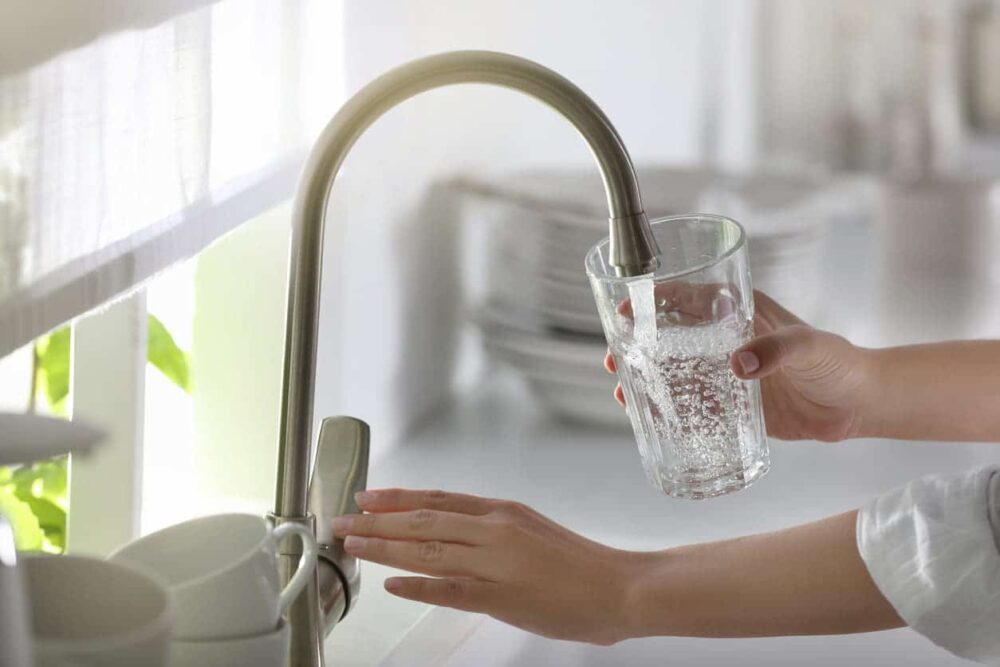
The presence of a slight chlorine taste indicates that the water has been properly disinfected to kill harmful pathogens and maintain purity throughout the distribution system. While noticeable to some, it’s not an indicator of unsafe water. For those sensitive to the taste, chilling the water or using a simple pitcher filter can significantly improve palatability without compromising safety.
Hard Water: What It Means for You
Las Vegas water is characterized as “hard water,” meaning it has a higher concentration of dissolved minerals like calcium and magnesium. This is a natural characteristic of water sourced from mineral-rich geological formations.
Hard water is not a health concern; it’s perfectly safe to drink. However, it can have noticeable effects on daily life. You might observe:
- Soap Scum: It’s harder to lather soap and shampoo, and residue might build up on fixtures or dishes.
- Mineral Deposits: White scale can form on faucets, showerheads, kettles, and other appliances.
- Dry Skin/Hair: Some people report feeling that hard water leaves their skin or hair feeling drier.
For travelers staying in hotels, these effects are usually minor and won’t impact health. Residents often install water softeners to mitigate these issues, but they are not necessary for water safety.
Addressing Drought and Water Conservation
The ongoing drought in the Western United States and the declining levels of Lake Mead are serious environmental concerns. While these issues are critical for the long-term sustainability of the region, they do not impact the safety or quality of the water delivered to consumers’ taps. The SNWA has implemented aggressive and highly effective water conservation programs, making Las Vegas a leader in urban water efficiency.
These conservation efforts ensure that the available water supply is managed responsibly, helping to sustain the resource for future generations. For visitors, being mindful of water usage during your stay contributes to these broader conservation goals.
Practical Advice for Visitors and Residents
Knowing the water is safe is one thing; understanding how to best enjoy it during your visit is another.
Drinking Tap Water at Hotels and Restaurants
You can confidently drink tap water at your hotel or in any restaurant in Las Vegas. The water served is treated to the same high standards and is regularly monitored. There is no need to exclusively purchase bottled water for safety reasons. In fact, many high-end restaurants pride themselves on the quality of their filtered tap water.
Always feel free to ask for tap water at a restaurant. Most establishments will be happy to provide it, and it’s a more environmentally friendly choice than bottled water.
Staying Hydrated in the Desert Climate
Las Vegas is located in a desert, and temperatures, especially in summer, can be extreme. Staying adequately hydrated is crucial for your health and comfort.
- Drink Frequently: Don’t wait until you’re thirsty. Sip water consistently throughout the day.
- Carry a Reusable Bottle: Refill it with tap water from your hotel or public water fountains. This is both economical and eco-friendly.
- Be Mindful of Alcohol/Caffeine: While enjoying the Las Vegas experience, remember that alcohol and excessive caffeine can contribute to dehydration. Alternate alcoholic beverages with water.
Filtering Options and Bottled Water Alternatives
While tap water is safe, some individuals prefer the taste or convenience of filtered or bottled water.
- Pitcher Filters: A simple Brita-style pitcher filter can remove chlorine taste and some minerals, improving the palatability for sensitive individuals.
- Bottled Water: Readily available everywhere, bottled water is a convenient option for those who prefer it. However, be aware of the environmental impact of single-use plastics.
- Filtered Water Stations: Many modern hotels and resorts are increasingly offering filtered water stations, particularly in gyms or public areas, allowing guests to refill reusable bottles.
The Environmental Impact of Water Choices
While the primary concern is personal safety, considering the environmental impact of your water choices contributes to responsible tourism.
Reducing Plastic Waste
Opting for tap water over single-use plastic bottles significantly reduces plastic waste. The sheer volume of plastic bottles consumed by millions of tourists can strain local waste management systems and contribute to landfill accumulation. By choosing tap water and refilling a reusable bottle, you play a part in promoting sustainability.
Supporting Sustainable Water Management
By trusting and consuming the local tap water, you implicitly support the local water authority’s efforts in maintaining a high-quality, sustainable water supply. The SNWA’s commitment to conservation and efficient water use is a model for other arid regions, and utilizing their product—safe, clean tap water—reinforces these crucial practices.
In conclusion, you can confidently and safely drink the tap water in Las Vegas. The city’s water supply is a testament to advanced engineering, rigorous testing, and dedicated public service, ensuring that visitors and residents alike have access to high-quality drinking water even in the heart of the desert. So, next time you’re in Las Vegas, raise a glass of tap water and toast to its remarkable journey to your table.
LifeOutOfTheBox is a participant in the Amazon Services LLC Associates Program, an affiliate advertising program designed to provide a means for sites to earn advertising fees by advertising and linking to Amazon.com. Amazon, the Amazon logo, AmazonSupply, and the AmazonSupply logo are trademarks of Amazon.com, Inc. or its affiliates. As an Amazon Associate we earn affiliate commissions from qualifying purchases.