
The vibrant pulse of Miami, Florida, is undeniable, and nestled within its urban sprawl is a neighborhood that captures the heart of Caribbean culture: Little Haiti. Renowned for its rich artistic expression, authentic cuisine, and lively atmosphere, Little Haiti has become a must-visit destination for travelers seeking an immersive cultural experience. However, like many urban enclaves, questions sometimes arise about its safety for visitors. This exploration delves into the reality of safety in Little Haiti, offering a balanced perspective for those planning a visit.
Understanding the Nuances of Urban Safety
It is a disservice to any neighborhood, urban or otherwise, to generalize its safety based on outdated perceptions or isolated incidents. Little Haiti, like any other diverse and dynamic community in a major metropolitan area such as Miami, experiences its share of crime. This is a statistical reality for most urban centers globally. However, focusing solely on crime statistics without considering the context can be misleading and detrimental to understanding the true character of a place.
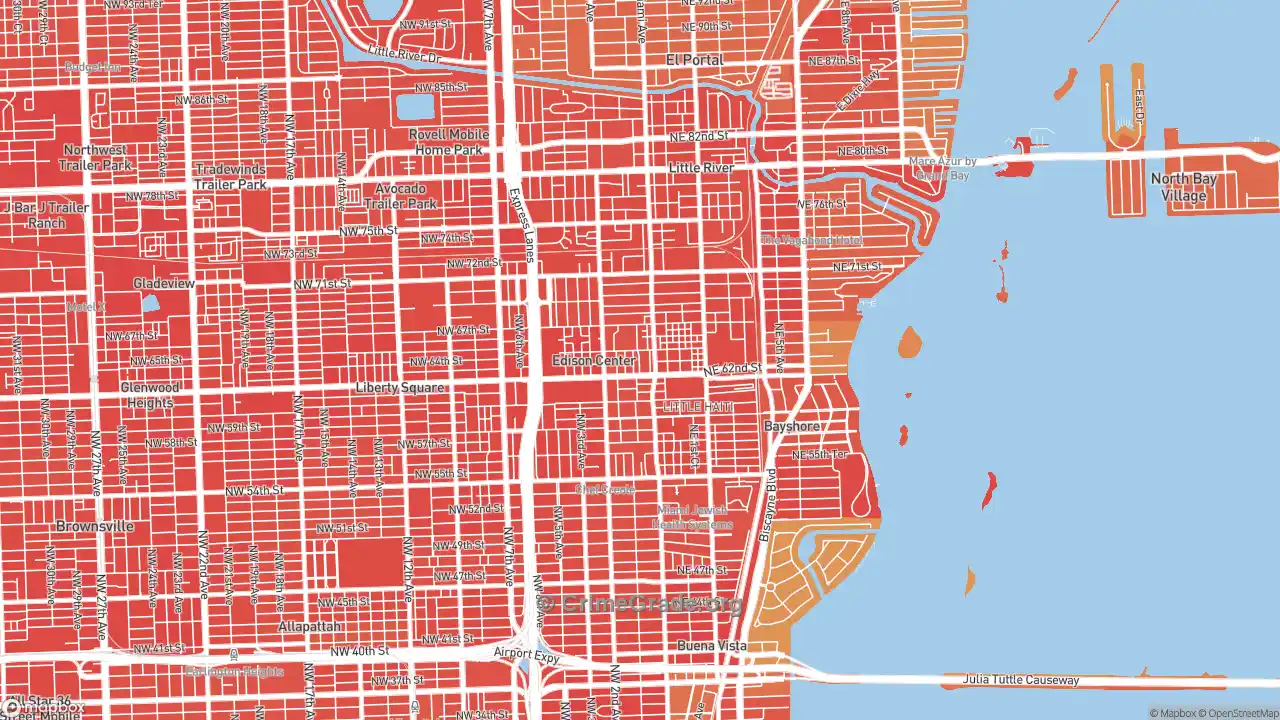
Crime Statistics vs. Lived Experience
When discussing safety, it’s crucial to differentiate between statistical crime rates and the actual lived experience of residents and visitors. While official data might indicate certain crime trends in specific areas, these statistics do not always reflect the day-to-day reality for most people. Little Haiti is a community with a strong sense of pride and resilience. Its residents are deeply invested in their neighborhood, and many initiatives are underway to improve quality of life and safety.
The Impact of Perception
Perceptions of danger can be heavily influenced by media portrayals, anecdotal evidence, and stereotypes. Unfortunately, some neighborhoods, particularly those with a strong cultural identity that may differ from the mainstream, can be subject to unfair labeling. For Little Haiti, this can lead to a skewed perception of risk that doesn’t align with the welcoming environment many visitors experience. The vibrant street art, the aroma of Haitian coffee and griot, and the sounds of kompa music are the dominant sensory experiences for most who explore its streets.
Exploring Little Haiti Safely: Practical Advice
For travelers, approaching any new destination with a degree of awareness is always prudent. This is not unique to Little Haiti but a general principle of responsible travel. By adopting sensible precautions and understanding the neighborhood’s character, visitors can have a safe and enriching experience.
Daytime Exploration
During daylight hours, Little Haiti is a thriving hub of activity. This is the ideal time to immerse yourself in its cultural offerings.
- Visit Local Art Galleries and Studios: Explore the vibrant art scene at places like the Little Haiti Cultural Center and discover the works of local artists.
- Savor Authentic Cuisine: Enjoy a delicious meal at a local restaurant. Try specialties like griot (fried pork) or djon djon rice. Neighborhood eateries are often the heart of community life.
- Shop for Unique Goods: Browse the shops for Haitian art, crafts, and clothing. These provide fantastic souvenirs and support local artisans.
- Experience the Street Art: Take a walking tour or simply wander through the streets to admire the colorful murals that adorn many buildings, turning the neighborhood into an open-air gallery.
In these bustling daytime scenarios, visitors are likely to encounter a warm and welcoming community. The streets are active with residents going about their daily lives, and the general atmosphere is one of energetic community life.
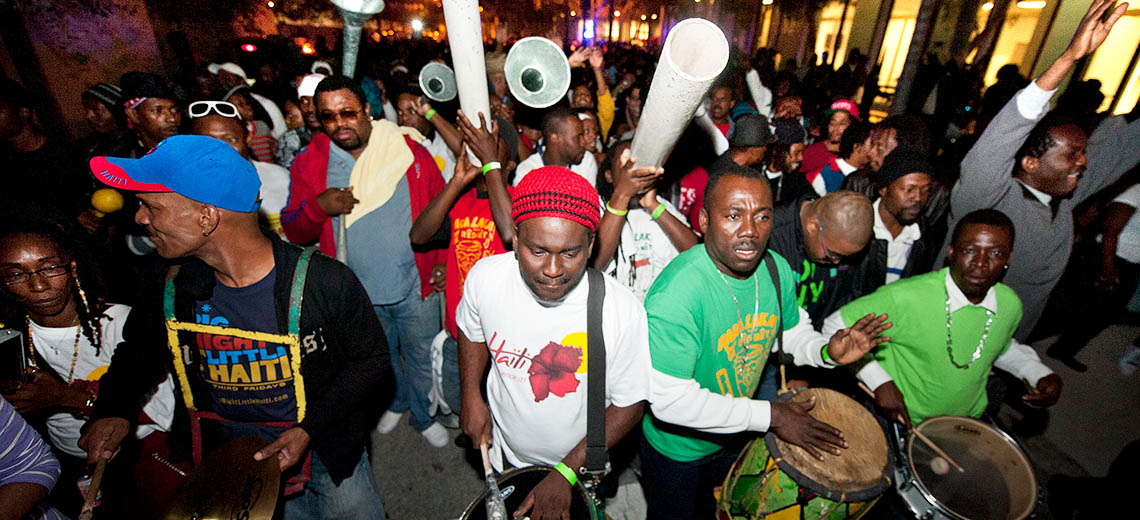
Evening and Nighttime Considerations
As with any urban area, exercising a higher degree of caution after dark is advisable. This is not to say that Little Haiti becomes inherently dangerous at night, but rather that general urban safety practices become more important.
- Stick to Well-Lit and Populated Areas: If exploring in the evening, focus on main thoroughfares and areas with active businesses or cultural events.
- Transportation: Utilize reputable ride-sharing services or taxis when traveling at night. Avoid walking alone in deserted areas.
- Be Aware of Your Surroundings: This is universal advice for any city. Pay attention to who is around you and avoid displaying excessive wealth, such as expensive jewelry or large amounts of cash.
- Check for Local Events: Many of Little Haiti’s vibrant cultural events and festivals occur in the evening. Attending these organized gatherings in designated, often well-managed, venues can be a safe and enjoyable way to experience the neighborhood’s nightlife.
It’s important to note that many of the popular restaurants and cultural venues in Little Haiti are active in the evenings, offering a safe and enjoyable atmosphere. The key is to be informed and make conscious choices about where you go and how you navigate the neighborhood.
The Evolving Landscape of Little Haiti
Little Haiti is not a static entity. It is a dynamic and evolving community that is undergoing significant revitalization and development. This often brings both positive changes and new considerations.
Community Initiatives and Development
Numerous community-led initiatives are actively working to enhance the safety and vibrancy of Little Haiti. These efforts focus on improving public spaces, supporting local businesses, and fostering a stronger sense of community pride. The influx of new businesses and residents, while bringing economic growth, also necessitates an ongoing dialogue about community preservation and equitable development.
Economic Growth and Gentrification
Like many urban neighborhoods with a rich cultural heritage, Little Haiti is experiencing the effects of economic development and increasing interest from outside investors. While this can bring positive changes, it also raises concerns about gentrification and its impact on long-term residents and the preservation of the neighborhood’s authentic character. Understanding this context can offer a deeper appreciation for the community’s ongoing narrative.
A Welcoming Destination
Ultimately, Little Haiti is a testament to the resilience, creativity, and warmth of the Haitian diaspora. It is a place that thrives on connection and cultural exchange. The vast majority of visitors experience Little Haiti as a safe, welcoming, and enriching destination. The stories that often dominate headlines can overshadow the everyday reality of a community working to thrive and share its vibrant culture with the world.

Conclusion: Embracing the Culture, Practicing Prudence
The question “Is Little Haiti in Miami dangerous?” deserves a nuanced answer. While crime statistics are a reality for any urban area, they do not define the entirety of the Little Haiti experience. For the curious traveler, Little Haiti offers an unparalleled opportunity to engage with a rich and dynamic culture.
By approaching your visit with awareness, engaging in sensible safety practices – particularly during evening hours – and focusing on the incredible cultural offerings available during the day, visitors can ensure a safe, rewarding, and unforgettable journey. The true spirit of Little Haiti lies in its people, its art, its music, and its food, all of which are readily accessible and deeply welcoming to those who come with an open heart and a curious mind. It is a neighborhood that is not defined by fear, but by its vibrant cultural heartbeat and its enduring community spirit.
LifeOutOfTheBox is a participant in the Amazon Services LLC Associates Program, an affiliate advertising program designed to provide a means for sites to earn advertising fees by advertising and linking to Amazon.com. Amazon, the Amazon logo, AmazonSupply, and the AmazonSupply logo are trademarks of Amazon.com, Inc. or its affiliates. As an Amazon Associate we earn affiliate commissions from qualifying purchases.