
The allure of Hawaii is undeniable. Picture yourself waking up to the gentle sound of waves, with a backdrop of lush, volcanic landscapes and the scent of plumeria filling the air. It’s a dream destination for many, often conjuring images of pristine beaches, vibrant coral reefs, and a laid-back island lifestyle. But beyond the postcard-perfect imagery, a crucial question looms for those who dare to consider making this paradise their home: Is living in Hawaii expensive? The short answer is a resounding yes. However, understanding the nuances of this expense, and how it compares to other destinations, is key to managing expectations and making informed decisions.
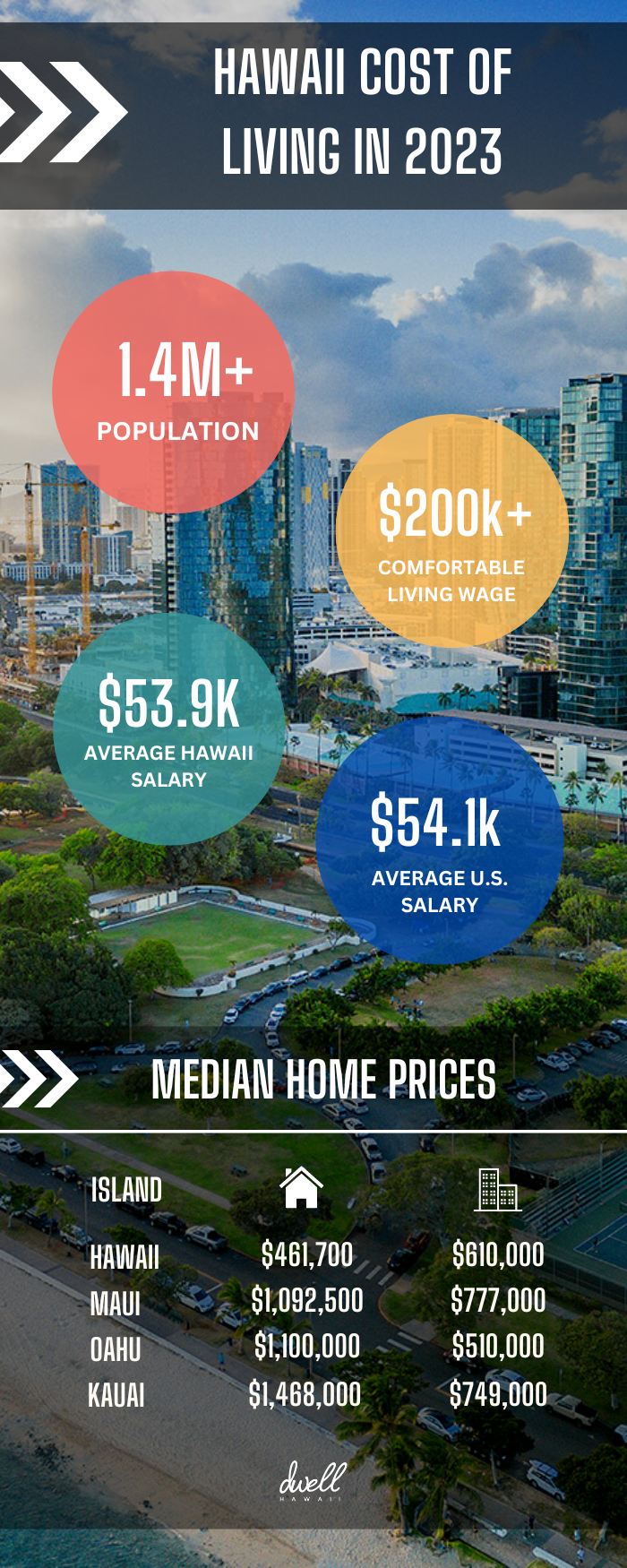
The Hawaiian archipelago, comprised of eight major islands, each offers a unique flavor, but the high cost of living is a consistent theme across the islands. This expense is not a recent phenomenon; it’s deeply rooted in the state’s unique geography and economic realities. As a collection of islands situated in the middle of the Pacific Ocean, Hawaii faces significant logistical challenges. Nearly everything, from groceries and building materials to consumer goods and even fuel, must be shipped or flown in. This reliance on imports inherently drives up prices, impacting every facet of daily life.
The Cost of Accommodation in Paradise
One of the most significant drivers of the high cost of living in Hawaii is the price of accommodation. Whether you’re looking for a short-term resort stay or considering a long-term rental or purchase, you’ll likely encounter figures that dwarf those in most mainland cities.
Housing Market Realities
The demand for housing in Hawaii consistently outstrips supply. This scarcity, coupled with limited developable land due to mountainous terrain and protected natural areas, creates a competitive and expensive housing market.
Rental Prices
For renters, the prospect of finding an affordable apartment or house can be daunting. Even modest studios or one-bedroom units in populated areas like Honolulu on Oahu can command rental rates comparable to or exceeding those in major metropolitan areas on the United States mainland. For example, a one-bedroom apartment in Honolulu might cost upwards of $2,000 per month, with prices escalating significantly for larger spaces or prime locations near beaches like Waikiki. The outer islands, while sometimes perceived as more remote and thus cheaper, also face intense housing demand, especially in popular tourist areas, and can be equally, if not more, expensive for rentals.
Long-term stays, while potentially offering a slight discount compared to short-term vacation rentals, still represent a substantial portion of a resident’s budget. Many people opt for shared housing or smaller, less amenity-rich dwellings to manage costs. The concept of “affordable housing” in Hawaii often refers to prices that are still significantly higher than the national average.
Homeownership Aspirations
For those dreaming of homeownership, the reality is even more challenging. The median home price in Hawaii is consistently among the highest in the United States. Buying a single-family home, even a modest one, can require a substantial down payment and mortgage, pushing homeownership out of reach for many residents. Condominiums and townhouses offer more accessible entry points, but even these can be priced at levels that require considerable financial planning.
The limited inventory, coupled with a strong demand driven by both local residents and those seeking vacation homes or investment properties, keeps prices elevated. Factors like the desirable climate, beautiful scenery, and a perceived high quality of life contribute to this sustained demand. The Hawaiian government has implemented various initiatives to address the housing shortage and affordability, but these are long-term solutions in a market facing immediate pressures.
Daily Expenses: Beyond the Rent Check
While housing is a major expense, the cost of everyday living in Hawaii adds up considerably. From the food on your table to the gas in your car, almost every daily expense is influenced by the islands’ isolation.
The Grocery Bill Shock
One of the most immediate impacts of Hawaii’s remoteness is felt at the grocery store. Imported goods mean that the price of produce, meat, dairy, and pantry staples is significantly higher than in most parts of the United States. For example, a gallon of milk might cost considerably more than on the mainland, and fresh fruits and vegetables, even those grown locally, can still carry a premium due to transportation and distribution costs.
To mitigate these costs, many residents embrace local agriculture. Farmers’ markets and roadside stands offer fresh, seasonal produce that can be more affordable than supermarket options. Learning to cook with local ingredients and reducing reliance on pre-packaged or imported goods can make a noticeable difference. However, even with these strategies, the overall grocery bill is likely to be higher than in many other states.
Transportation and Utilities
Getting around Hawaii also comes with its own set of costs. While island living often conjures images of leisurely strolls on the beach, daily commutes and errands require transportation.
Fuel Prices and Car Ownership
The cost of gasoline in Hawaii is consistently among the highest in the United States. This is directly attributable to the cost of shipping fuel to the islands. Owning a car is often a necessity, especially on islands other than Oahu, where public transportation options are more limited. This means that not only is the initial purchase price of a vehicle a consideration, but the ongoing expense of fuel and maintenance is a significant factor in the monthly budget. For those who prefer to avoid car ownership, relying on ride-sharing services or public transportation can be an option in more populated areas, but even these services reflect the higher cost of operations in Hawaii.
Utility Costs
Utility bills in Hawaii can also be surprisingly high. Electricity, in particular, can be expensive due to the state’s reliance on imported fossil fuels for power generation. While renewable energy sources like solar are becoming more prevalent, the initial investment and ongoing costs can still be considerable for residents. Water and sewage costs are also influenced by the infrastructure required to serve an island population. High-speed internet and other communication services are generally on par with mainland prices, but can sometimes be more expensive due to the infrastructure required to bring these services to the islands.
Lifestyle and Leisure: Finding Value in Paradise
Despite the high costs, many people find that the quality of life in Hawaii makes it a worthwhile trade-off. The unique lifestyle, abundant natural beauty, and strong sense of community offer intangible benefits that are difficult to quantify.
Embracing the Aloha Spirit and Outdoor Activities
The Hawaiian lifestyle is deeply intertwined with its natural environment. Outdoor activities are not just pastimes; they are an integral part of daily life. From surfing and hiking to snorkeling and simply enjoying the beaches, there are countless ways to experience the islands without spending a fortune.
Hawaii is renowned for its stunning natural landmarks. Exploring places like Diamond Head on Oahu, the volcanic landscapes of Hawaii Volcanoes National Park on the Big Island, or the breathtaking Nā Pali Coast on Kauai can be done with minimal expense, often just requiring transportation and perhaps an entrance fee. These experiences offer immense value, providing a connection to nature that many find priceless.
Local culture also plays a significant role in the Hawaiian lifestyle. Attending local festivals, experiencing traditional music and dance, and engaging with the vibrant arts scene can be enriching and affordable. Food plays a central role, with a thriving culinary scene ranging from casual food trucks serving delicious plate lunches to upscale restaurants showcasing local ingredients. Exploring the diverse culinary offerings, from poke bowls to kalua pig, is an essential part of the Hawaiian experience.

Budgeting for Your Island Dream
Making Hawaii a permanent home requires careful financial planning. Understanding the cost of living is the first step. Many residents develop strategies to live within their means, which often involves prioritizing experiences over material possessions.
For budget travelers or those considering a move, exploring different islands can reveal variations in cost. While Oahu, with its bustling capital of Honolulu and popular tourist hubs like Waikiki, tends to be the most expensive, other islands like Kauai or Maui offer different price points for accommodation and daily expenses. However, the fundamental cost drivers remain consistent across the archipelago.
Ultimately, whether living in Hawaii is “expensive” is relative to your individual financial situation and what you value most. For many, the unparalleled beauty, unique culture, and slower pace of life in the Hawaiian Islands are well worth the premium. It requires a conscious effort to manage finances, embrace local living, and appreciate the natural wonders that surround you. The dream of living in Hawaii is attainable for many, but it demands a realistic understanding of the financial landscape and a willingness to adapt to the unique realities of island life.
LifeOutOfTheBox is a participant in the Amazon Services LLC Associates Program, an affiliate advertising program designed to provide a means for sites to earn advertising fees by advertising and linking to Amazon.com. Amazon, the Amazon logo, AmazonSupply, and the AmazonSupply logo are trademarks of Amazon.com, Inc. or its affiliates. As an Amazon Associate we earn affiliate commissions from qualifying purchases.