
Unpacking the Geography of the Golden State
The question of whether Los Angeles resides in Northern California or Southern California is a common point of confusion for many, both within and outside of the state. This seemingly simple geographical query delves into the nuanced understanding of California’s vast and diverse landscape. While the state is broadly divided into these two regions, the exact dividing line can be a topic of friendly debate and depends on the criteria used for classification. However, from a widely accepted geographical and cultural standpoint, Los Angeles unequivocally belongs to Southern California.
The Defining Lines: A Matter of Perception and Geography
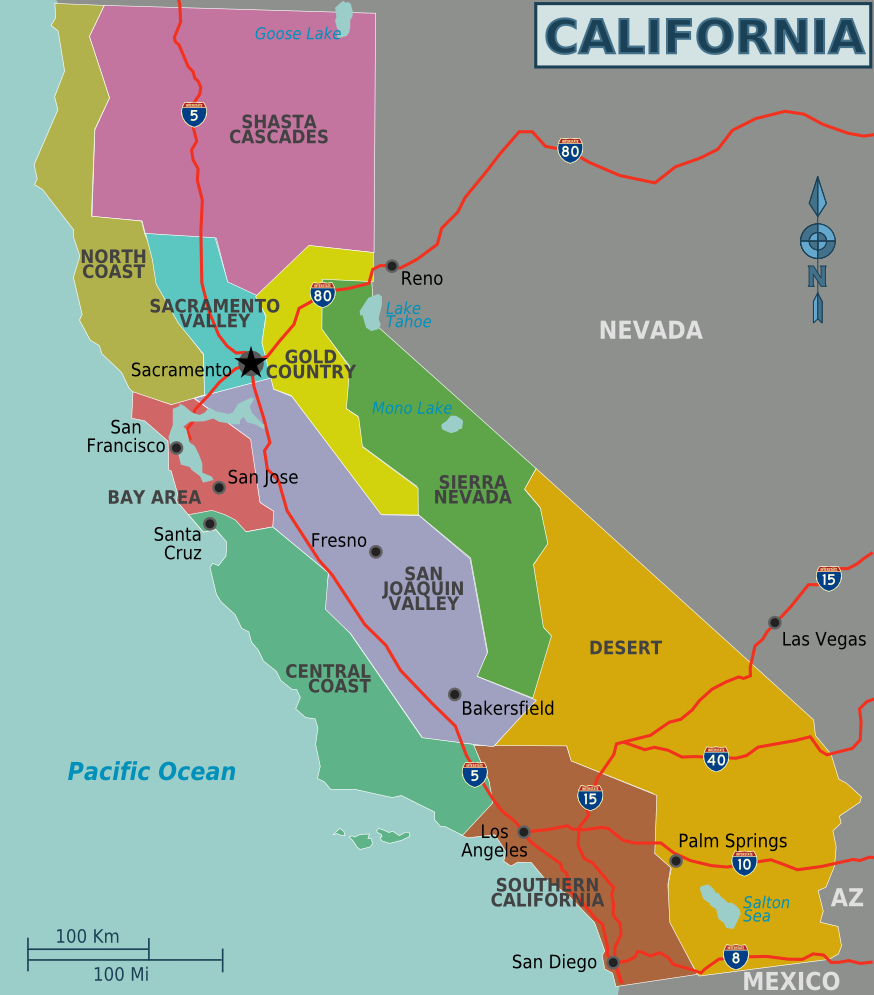
California’s immense size, stretching over 770 miles from north to south, naturally leads to distinct regional identities. These divisions are not merely administrative but are reflected in climate, culture, economy, and even the prevailing dialects. While there isn’t a perfectly defined, universally agreed-upon border, several factors contribute to the general understanding of where Northern California ends and Southern California begins.
The Great Central Valley Divide
One of the most significant geographical features influencing this division is the Great Central Valley. This vast, fertile agricultural region runs through the heart of the state. Generally, the northern end of the valley is considered part of Northern California, while the southern end transitions into what is recognized as Southern California. Cities like Sacramento and San Francisco are firmly in the north, while communities in the southern reaches of the valley may feel a connection to the southern region.
Climate as a Classifier
Climate plays a crucial role in distinguishing the two Californias. Northern California is characterized by a more temperate climate, often featuring cooler summers, wetter winters, and a more pronounced marine influence, especially along the coast. Think of the foggy San Francisco Bay Area or the redwood forests of Humboldt County. In contrast, Southern California, and particularly the Los Angeles basin, experiences a Mediterranean climate with warmer, drier summers and mild, wetter winters. The sunshine and heat are defining features of the southern experience.
The Cultural and Dialectical Divide
Beyond geography and climate, a noticeable cultural and even dialectical divide exists. Northern California is often associated with a more liberal, environmentally conscious, and tech-oriented ethos, exemplified by Silicon Valley and the progressive culture of San Francisco. Southern California, on the other hand, is renowned for its entertainment industry, laid-back beach culture, and a more diverse range of economic drivers. Even the way people speak can offer clues, with subtle differences in accent and vocabulary emerging between the regions.
Southern California: The Domain of Los Angeles
Los Angeles, the most populous city in California and the second-most populous in the United States, is a quintessential example of Southern California. Its sprawling urban landscape, iconic beaches, and the heart of the global entertainment industry all firmly place it south of the commonly accepted dividing line.
Key Indicators Placing Los Angeles in the South
Several factors solidify Los Angeles’s position in the southern part of the state.
Geographical Coordinates and Climate
Geographically, Los Angeles is located in the southern third of California. Its latitude places it significantly south of major Northern California cities like San Francisco and Oakland. The climate is a definitive indicator: warm, sunny days are the norm for much of the year, punctuated by mild, relatively dry winters. This contrasts sharply with the cooler, often fog-laden atmosphere of the Bay Area.
Cultural Identity and Industry
The cultural identity of Los Angeles is intrinsically linked to Southern California. It is the epicenter of the film and television industry, with landmarks like the Hollywood Sign and the studios of Burbank being globally recognized symbols. The beach culture, from Santa Monica to Malibu, is a hallmark of the southern region. Furthermore, Los Angeles is a hub for aerospace, international trade, and a diverse array of cultural influences, all characteristic of Southern California.
The Informal Border: A General Consensus
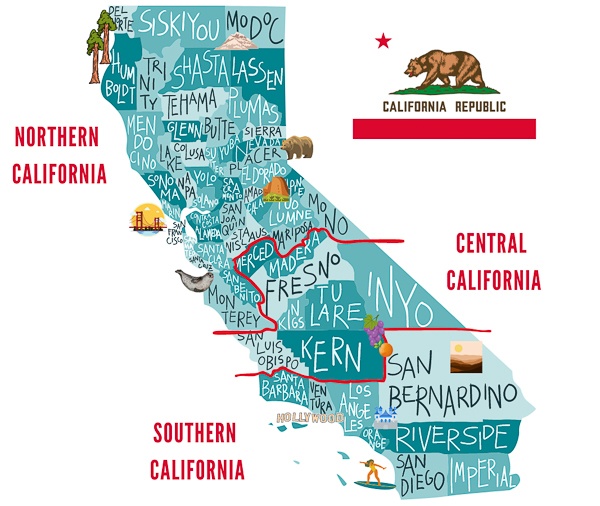
While official boundaries for “Northern” and “Southern” California are not strictly defined by state legislation, there’s a strong general consensus. Most residents and observers would place the dividing line somewhere between the southern edge of the San Joaquin Valley and the northern reaches of the Los Angeles metropolitan area. Cities like Bakersfield might find themselves in a geographical gray area, but the sentiment and cultural ties of Los Angeles are undeniably southern.
Exploring the Rich Tapestry of Southern California’s Attractions
Once firmly established as part of Southern California, Los Angeles and its surrounding areas offer an unparalleled array of travel experiences. This region is a vibrant mosaic of entertainment, natural beauty, and cultural hotspots, drawing millions of visitors annually.
Iconic Destinations and Experiences
The allure of Southern California is multifaceted, offering something for every traveler.
Entertainment and Hollywood Glamour
The name Los Angeles is synonymous with entertainment. Visitors flock to experience the magic of Hollywood, walk the Hollywood Walk of Fame, and tour legendary studios like Universal Studios Hollywood. Beyond the film industry, theme parks such as Disneyland Resort in nearby Anaheim and Knott’s Berry Farm offer thrilling adventures for families.
Coastal Wonders and Beach Life
The extensive coastline is one of Southern California’s greatest assets. From the lively atmosphere of Venice Beach with its street performers and eclectic shops, to the upscale charm of Santa Monica and the celebrity enclaves of Malibu, the beaches offer opportunities for sunbathing, swimming, surfing, and simply soaking in the Pacific breeze. Further south, the coastal cities of Orange County, such as Huntington Beach (Surf City USA), and the picturesque coves of Laguna Beach, provide diverse coastal experiences.
Cultural and Natural Attractions
Los Angeles is also a cultural melting pot. Museums like the Getty Center and the LACMA (Los Angeles County Museum of Art) house impressive collections of art and artifacts. The diverse neighborhoods, from the vibrant street art of the Arts District to the cultural enclaves of Little Tokyo and Koreatown, offer a glimpse into the city’s rich heritage. For nature lovers, the nearby Griffith Observatory offers stunning city views and hiking trails, while the majestic peaks of the San Gabriel Mountains provide opportunities for more strenuous outdoor adventures.
Planning Your Southern California Sojourn
Understanding that Los Angeles is firmly situated in Southern California is the first step in planning a memorable visit. This knowledge helps in tailoring your itinerary to match the region’s distinct climate, culture, and attractions.
Embracing the Southern California Vibe
When visiting Los Angeles and its surrounding areas, embracing the “Southern California vibe” is key to a fulfilling travel experience.
Weather-Wise Preparations
The climate of Southern California is generally pleasant year-round, but there are seasonal variations. Summers are warm to hot, with coastal areas benefiting from cooler ocean breezes. Winters are mild and can be wet, especially from November to March. Packing light clothing, sunscreen, and a hat is advisable for most of the year, with layers recommended for cooler evenings or potential winter rain.
Transportation and Navigation
Navigating the vast expanse of Los Angeles and Southern California often requires a car, as public transportation, while improving, may not be as comprehensive as in some other major global cities. Renting a car or utilizing ride-sharing services are common options. Familiarizing yourself with the freeways, though sometimes congested, is essential for efficient travel.

Accommodation and Dining
Southern California offers a wide spectrum of accommodation, from luxury resorts along the coast to budget-friendly motels and vacation rentals in various neighborhoods. Dining options are equally diverse, reflecting the region’s multicultural population. Expect to find everything from world-class fine dining to casual taco trucks and authentic ethnic eateries. Exploring the local culinary scene is an integral part of the Southern California experience.
In conclusion, the question of whether Los Angeles is in Northern California is definitively answered: it is a jewel of Southern California. This understanding allows travelers to better appreciate the unique characteristics and abundant offerings of this iconic region.
LifeOutOfTheBox is a participant in the Amazon Services LLC Associates Program, an affiliate advertising program designed to provide a means for sites to earn advertising fees by advertising and linking to Amazon.com. Amazon, the Amazon logo, AmazonSupply, and the AmazonSupply logo are trademarks of Amazon.com, Inc. or its affiliates. As an Amazon Associate we earn affiliate commissions from qualifying purchases.