
The question of time zones can feel surprisingly complex when you’re planning a trip, especially to a sprawling metropolis like Los Angeles. While it might seem like a straightforward geographical query, understanding Pacific Time and its implications for your visit to California‘s most iconic city can enhance your travel experience, from booking your stay to planning your daily adventures. This article delves into the temporal realities of Los Angeles, exploring how Pacific Time shapes everything from your flight arrival to your exploration of its renowned attractions.
Understanding Pacific Time in Los Angeles
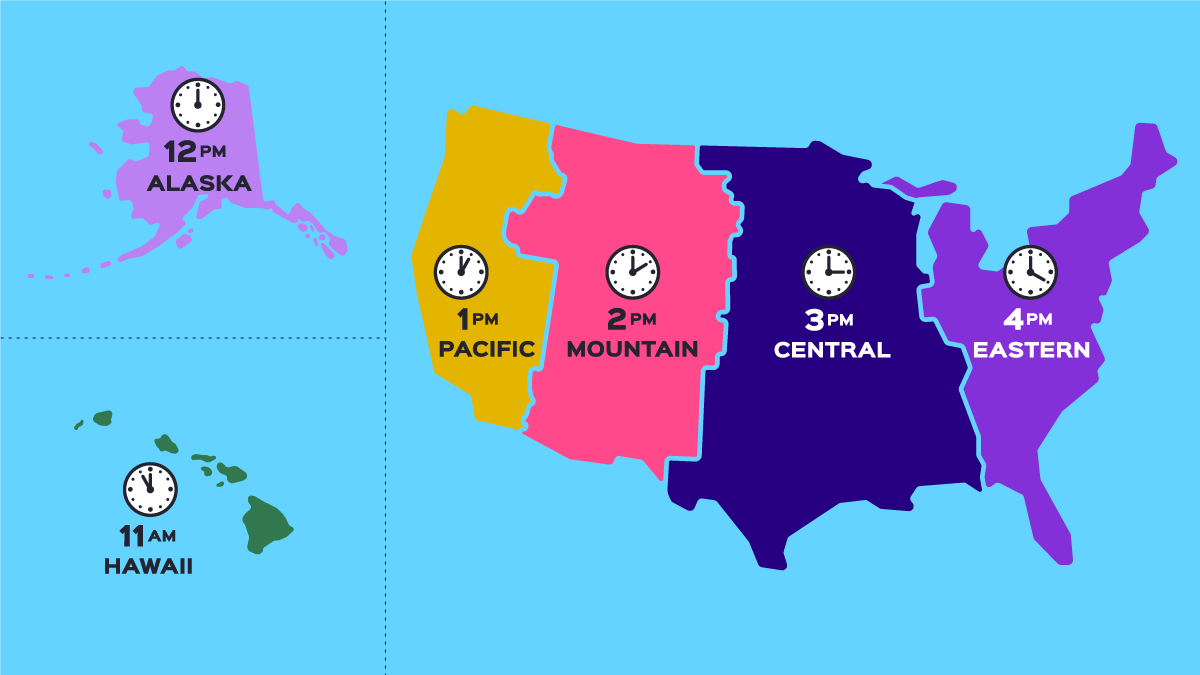
Pacific Time is a time zone that encompasses a significant portion of the western United States, including California, Nevada, Oregon, Washington, and parts of Idaho and Arizona. Within this broad designation, there are two primary variations: Pacific Standard Time (PST) and Pacific Daylight Time (PDT).

The Rhythms of Pacific Standard Time (PST) and Pacific Daylight Time (PDT)
Pacific Standard Time (PST) is the standard time observed in the Pacific Time Zone during the fall and winter months. It is UTC-8, meaning it is eight hours behind Coordinated Universal Time. When PST is in effect, Los Angeles operates on this schedule.
As the days lengthen, Daylight Saving Time comes into play. The United States observes Daylight Saving Time starting on the second Sunday in March and ending on the first Sunday in November. During this period, the Pacific Time Zone switches to Pacific Daylight Time (PDT). PDT is UTC-7, effectively shifting the clock forward by one hour. This means that during the spring and summer months, Los Angeles is seven hours behind Coordinated Universal Time.
This annual shift is crucial for travelers to be aware of. Arriving in Los Angeles from a region with a different Daylight Saving Time schedule can lead to confusion if not accounted for. For instance, if you’re traveling from the Eastern Time Zone (ET) in the United States, which observes EDT (UTC-4) during Daylight Saving Time, Los Angeles will be three hours behind you. When both zones are on standard time (EST and PST), the difference remains three hours. However, the transition dates for Daylight Saving Time can differ in other countries, adding another layer of complexity for international visitors.
The practical implications of Pacific Time are far-reaching for any Los Angeles itinerary. Flights schedules, dining reservations, tour start times, and even the opening hours of attractions are all dictated by this temporal framework. Being aware of whether PST or PDT is currently in effect will help you accurately gauge travel times, set alarms, and coordinate with friends or family back home. It’s a fundamental piece of information that underpins a smooth travel experience.
Navigating Los Angeles with Pacific Time
The broad geographical spread of Los Angeles itself means that “local time” can feel like it has internal variations, though officially the entire metropolitan area adheres to Pacific Time. The sheer scale of the city, from the beaches of Malibu to the inland communities, means that traveling between different parts of Los Angeles can take a considerable amount of time, and this travel time needs to be factored into your plans, especially when operating under Pacific Time.
Embracing the Pacific Time Lifestyle
Pacific Time is often associated with a more relaxed pace of life, particularly on the coast. This perception, whether entirely accurate or not, can influence the visitor experience. Many of Los Angeles‘s famous outdoor activities are best enjoyed during daylight hours, and the timing of these activities is directly tied to Pacific Time.
Consider a morning hike in Runyon Canyon Park. Starting your hike early in the Pacific Time morning allows you to beat the heat and enjoy spectacular views of the city. If you’re on a different time zone, say Central Time (CT), you might perceive this early start as even earlier than it is. For example, 7 AM PST is 9 AM CST. Understanding this difference helps you gauge your energy levels and your ability to fully enjoy the experience.
Similarly, an evening enjoying a sunset from the Griffith Observatory requires careful timing. The golden hour, when the light is perfect for photography and the city lights begin to twinkle, occurs at specific times dictated by Pacific Time. Planning your visit to align with these moments ensures you capture the quintessential Los Angeles vista.

The dining scene in Los Angeles also operates within Pacific Time. Brunch, a weekend institution, typically starts mid-morning. Happy hours often kick off in the late afternoon, and dinner reservations can range from early evening to late into the night. If you’re accustomed to dining earlier or later in your home time zone, adjusting to Los Angeles‘s culinary rhythms will be part of the cultural immersion.
Time Zones and Travel Logistics in Los Angeles
When planning your Los Angeles adventure, understanding Pacific Time is paramount for seamless travel logistics. This applies to everything from booking flights to arranging ground transportation.
Flights to Los Angeles: Major airports like Los Angeles International Airport (LAX) operate on Pacific Time. When you book a flight, the arrival and departure times will be listed in PST or PDT, depending on the season. It’s vital to cross-reference these times with your departure city’s time zone to avoid confusion. For instance, a 2 PM PDT departure from Los Angeles to New York (which is 5 PM EDT) means you’ll arrive in New York at a specific local time, which is crucial for planning onward travel or airport transfers.
Accommodation Bookings: Hotels, resorts, and vacation rentals in Los Angeles will have check-in and check-out times based on Pacific Time. Websites like Booking.com and Hotels.com will typically display these times in the local zone. When comparing accommodations, consider the proximity to attractions and your planned activities, as travel time within Los Angeles can be significant, even within the same time zone. For example, staying near Hollywood might be convenient for visiting the Walk of Fame, but getting to the Getty Center could take an hour or more, regardless of the clock.
Tour and Attraction Schedules: Guided tours, theme park operating hours, and museum visiting times are all set to Pacific Time. If you book a guided tour of Hollywood or a behind-the-scenes studio tour, ensure you know the exact start time in Pacific Time and plan your journey to the meeting point accordingly. Many attractions, like Disneyland Resort or Universal Studios Hollywood, have extensive operating hours that extend well into the evening, allowing for flexible planning around Pacific Time.
Embracing the Los Angeles Experience Through Its Landmarks and Lifestyle
Los Angeles is a city defined by its iconic landmarks, diverse neighborhoods, and a lifestyle that attracts millions of visitors each year. Understanding Pacific Time is not just about practicalities; it’s about appreciating the rhythm of the city and maximizing your enjoyment of its unique offerings.
Landmarks and Activities in Pacific Time
The sprawling nature of Los Angeles means that many of its most famous attractions are spread across considerable distances. Planning your days around Pacific Time is essential for a fulfilling visit.
- Hollywood & Highland: Home to the TCL Chinese Theatre and the Dolby Theatre, this area is a hub of entertainment. Visiting during Pacific Time allows you to experience the buzz of the district, catch a show, or simply soak in the atmosphere.
- Santa Monica Pier: This historic landmark offers amusement park rides, restaurants, and stunning ocean views. Enjoying the sunset from the pier is a classic Los Angeles experience that needs to be timed according to Pacific Time for optimal enjoyment.
- Griffith Observatory: Offering panoramic views of the Los Angeles Basin and the Hollywood Sign, the observatory is a must-visit. Its operating hours are aligned with Pacific Time, and arriving before sunset allows you to witness the city transform as day turns into night.
- The Getty Center: This architectural marvel and art museum boasts impressive collections and breathtaking gardens. Planning your visit during Pacific Time ensures you have ample time to explore its vast offerings.
- Theme Parks: Disneyland Resort in nearby Anaheim and Universal Studios Hollywood offer full-day experiences. Their extensive operating hours are geared towards maximizing visitor enjoyment throughout the day, all within Pacific Time.
Lifestyle and Culinary Delights in Pacific Time
Los Angeles boasts a diverse culinary scene and a lifestyle that emphasizes health, wellness, and outdoor activities. Pacific Time plays a role in how these aspects of the city are experienced.
- Farmers Markets: From the famous Original Farmers Market to numerous neighborhood markets, sampling fresh, local produce is a quintessential Los Angeles experience. These markets typically operate during morning hours, aligning with the relaxed Pacific Time morning.
- Beach Culture: Beaches like Venice Beach and Malibu are central to the Los Angeles lifestyle. Enjoying the surf, sun, and sand is best done during daylight hours, guided by Pacific Time.
- Fitness and Wellness: Los Angeles is a hub for fitness studios, yoga retreats, and outdoor exercise. Early morning or late afternoon classes are popular, fitting neatly into the Pacific Time schedule.
- Culinary Scene: From Michelin-starred restaurants to eclectic food trucks, Los Angeles offers a world-class dining experience. Reservations and meal times are all coordinated with Pacific Time, allowing for everything from a leisurely brunch to a late-night supper.
Ultimately, whether you’re planning a luxurious getaway or a budget-friendly exploration, understanding Pacific Time is a fundamental aspect of your Los Angeles travel planning. It ensures that you are always in sync with the city’s rhythm, allowing you to fully immerse yourself in the magic of this iconic Californian destination. So, yes, Los Angeles is unequivocally on Pacific Time, and embracing this temporal reality will undoubtedly enhance your journey.
LifeOutOfTheBox is a participant in the Amazon Services LLC Associates Program, an affiliate advertising program designed to provide a means for sites to earn advertising fees by advertising and linking to Amazon.com. Amazon, the Amazon logo, AmazonSupply, and the AmazonSupply logo are trademarks of Amazon.com, Inc. or its affiliates. As an Amazon Associate we earn affiliate commissions from qualifying purchases.