
Planning a trip to the sprawling metropolis of Los Angeles involves meticulous preparation, from securing the perfect accommodation and sketching out an itinerary of must-see landmarks to understanding the local culture and culinary scene. However, one often-overlooked yet critical detail that can significantly impact your travel experience is the city’s time zone. So, is Los Angeles in Pacific Daylight Time (PDT)? The straightforward answer is yes, for a significant portion of the year.
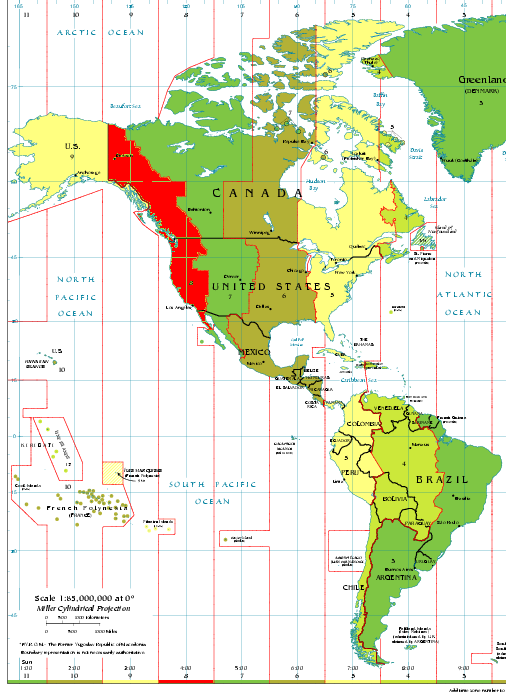
Los Angeles, like much of California and the western United States, observes the Pacific Time Zone. This zone operates under two designations throughout the year: Pacific Standard Time (PST) and Pacific Daylight Time (PDT). From the second Sunday in March until the first Sunday in November, Los Angeles switches to Pacific Daylight Time, advancing clocks by one hour. For the remaining months, it reverts to Pacific Standard Time. Understanding this distinction is paramount for travelers, as it affects everything from flight arrivals and hotel check-ins to coordinating business meetings and maximizing your time enjoying the diverse attractions Los Angeles has to offer.

Understanding Los Angeles’ Time Zone: PST vs. PDT
The concept of daylight saving time, or “springing forward” and “falling back,” is a common practice in many parts of the world, designed to make better use of natural daylight. For Los Angeles, this means a seasonal shift between Pacific Standard Time (PST) and Pacific Daylight Time (PDT).
When Does the Time Change in Los Angeles?
The transition between PST and PDT is consistent each year:
- Transition to PDT: On the second Sunday in March, clocks “spring forward” one hour at 2:00 AM PST to 3:00 AM PDT. This means an hour of sleep is lost, but the evenings become brighter and longer.
- Transition to PST: On the first Sunday in November, clocks “fall back” one hour at 2:00 AM PDT to 1:00 AM PST. This grants an extra hour of sleep, signaling the return to standard time and shorter daylight hours.
During the PDT period, which spans approximately eight months of the year, Los Angeles is 7 hours behind Coordinated Universal Time (UTC-7). When observing PST, it is 8 hours behind Coordinated Universal Time (UTC-8). For travelers from the East Coast of the United States (e.g., New York observing Eastern Daylight Time or Eastern Standard Time), this typically translates to a three-hour time difference. For international visitors, particularly those from Europe or Asia, the difference can be considerably larger, demanding careful planning to mitigate the effects of jet lag and ensure a smooth trip. Knowing whether you’re visiting during PST or PDT is not just a matter of trivia; it’s a practical necessity for seamless travel planning.
Why Time Zones Matter for Your Los Angeles Travel Plans
The time zone in Los Angeles isn’t just a detail for locals; it’s a fundamental aspect that shapes every traveler’s experience. From the moment you land at Los Angeles International Airport (LAX) to your final sunset viewing over the Pacific Ocean, understanding PDT and PST can make or break your trip’s efficiency and enjoyment.
Planning Your Arrival and Departure
For many travelers, the journey to Los Angeles involves traversing multiple time zones. If you’re flying in from the East Coast, you’ll “gain” three hours on your westward journey, which can feel like a bonus until you realize your internal clock is still operating on Eastern Time. Conversely, flying eastward means “losing” those hours.
- Arrivals: When booking flights, always confirm arrival and departure times in local time. A flight scheduled to land at 10:00 AM PDT might feel like 1:00 PM EDT to your body, potentially impacting your energy levels for initial activities like checking into your hotel (e.g., The Langham Huntington, Pasadena) or navigating the city. Factor in potential jet lag when planning your first day’s activities, opting for lighter, more flexible schedules.
- Departures: Similarly, a morning flight out of LAX might require an extremely early start if your body is still on a different time zone. Be sure to account for travel time to the airport, check-in, and security, all while your internal clock might be telling you it’s still the middle of the night.
Synchronizing with East Coast or International Travel
The impact of time zones extends beyond just your personal comfort; it affects how you interact with the outside world.
- Connecting with Home: If you’re traveling from a different time zone, communicating with family and friends back home requires careful consideration. A quick morning call from Los Angeles might be late afternoon or evening for those on the East Coast or early morning the next day for relatives in Asia or Australia.
- Business Obligations: For business travelers, time zone differences are especially critical. Scheduling virtual meetings with colleagues in New York or London demands precise coordination to avoid early morning calls or late-night sessions. During PDT, a 9:00 AM meeting in Los Angeles would be 12:00 PM in New York and 5:00 PM in London, while a 9:00 AM meeting during PST would be 12:00 PM in New York and 6:00 PM in London.
Maximizing Your Sightseeing and Activities
The transition to PDT brings longer daylight hours, a significant advantage for tourists eager to explore Los Angeles.
- Extended Exploration: With sunsets occurring later in the day, especially from spring through early autumn, you have more natural light to visit outdoor attractions like Griffith Observatory for panoramic views, stroll along Santa Monica Pier, or hike through Runyon Canyon Park. This allows for fuller days of exploration without feeling rushed.
- Booking and Reservations: Most attractions, tours, and dining establishments operate on local time. When booking tickets for Universal Studios Hollywood or a reservation at a popular Malibu restaurant like Nobu Malibu, ensure you’re noting the times in PDT. Missing a timed entry slot due to a time zone miscalculation can lead to disappointment and wasted time. Always double-check operating hours, as they can sometimes vary seasonally or on holidays.
The Los Angeles Lifestyle Through a Time Zone Lens
Beyond the logistical challenges, the observance of Pacific Daylight Time profoundly influences the very fabric of life and leisure in Los Angeles. The longer evenings and abundant sunshine during the PDT months contribute to the city’s celebrated outdoor culture and relaxed, yet vibrant, lifestyle.
Dining and Entertainment Schedules
Los Angeles is a city that never truly sleeps, but its rhythm shifts with the seasons. During PDT, the extended daylight encourages later dining and evening activities, allowing residents and visitors alike to savor the temperate California evenings.
- Alfresco Dining: The late sunsets make outdoor dining a quintessential LA experience, whether it’s on a rooftop bar overlooking Hollywood, a beachfront patio in Santa Monica, or a charming eatery in West Hollywood. You can enjoy your meal as the sky transitions from brilliant blue to fiery orange, feeling no rush for the day to end.
- Evening Events: Concerts at the Hollywood Bowl, performances at the Walt Disney Concert Hall, or screenings at outdoor cinemas all benefit from the balmy evenings and later onset of darkness. This allows for a leisurely dinner before an event or a post-event stroll under a starlit sky.
- Nightlife: Los Angeles’s diverse nightlife, from trendy clubs in Silver Lake to sophisticated lounges in Beverly Hills, often kicks into high gear later in the evening, aligning with the extended daylight hours and the local preference for a more relaxed pace.
Business Travel and Meetings
For business travelers, understanding the PDT schedule is crucial for efficiency and maintaining professional connections. Los Angeles is a hub for entertainment, technology, and trade, making it a frequent destination for corporate visits.
- Inter-timezone Coordination: While the three-hour difference from the East Coast is manageable, it still requires strategic planning. Meetings with clients or colleagues in New York often mean early starts for LA-based teams or late afternoons for New York counterparts. International calls with partners in Europe or Asia can become even more challenging, sometimes requiring one party to participate outside conventional business hours.
- Networking Events: Many industry events and networking functions in Los Angeles are scheduled in the late afternoon or early evening, taking advantage of the longer daylight. This allows business travelers to blend work commitments with opportunities for professional growth and social engagement, often against a picturesque Southern California backdrop.
- Work-Life Balance: The LA lifestyle often emphasizes work-life balance, even for those on business trips. The longer daylight hours during PDT allow for early morning workouts, a quick beach walk, or an evening leisure activity after a day of meetings, helping to combat travel fatigue and maximize productivity.
Embracing the Laid-Back California Pace
The transition to PDT, with its promise of more daylight, subtly reinforces the laid-back, outdoor-centric lifestyle for which California is famous.
- Outdoor Activities: Whether it’s surfing in Malibu, cycling along Venice Beach, or enjoying a round of golf in Palm Springs, the extended daylight encourages people to spend more time outdoors. Visitors can truly immerse themselves in this active culture.
- Sunset Chasing: The late sunsets become an event in themselves. Locals and tourists alike gather at scenic spots like Griffith Observatory, Point Dume in Malibu, or the bluffs of Palos Verdes to witness the spectacular colors painting the Pacific Ocean. This experience, often followed by a leisurely dinner, epitomizes the Southern California way of life.
- Less Rushed Feel: The extra hour of daylight lends an overall sense of leisure and less urgency to the day, allowing for more spontaneous plans and a relaxed pace, which is ideal for a vacation. This “slower” rhythm, ironically enabled by setting the clock forward, is a key part of the Los Angeles allure.
Navigating Time Differences: Practical Tips for Visitors
Adapting to a new time zone, especially when crossing multiple zones to reach Los Angeles, is crucial for an enjoyable and productive trip. Fortunately, there are several strategies and tools to help mitigate the effects of jet lag and ensure you’re always on schedule.
Adjusting to Pacific Time
The most common challenge for travelers is jet lag, a temporary sleep disorder caused by rapid travel across time zones. Here are some tips to help you adjust to Pacific Daylight Time (PDT) or Pacific Standard Time:
- Pre-Trip Adjustment: If possible, start adjusting your sleep schedule a few days before your flight. If traveling westward to Los Angeles, try to go to bed later and wake up later.
- Hydration is Key: Drink plenty of water before, during, and after your flight. Dehydration can exacerbate jet lag symptoms. Limit alcohol and caffeine, especially on your travel day.
- Embrace Natural Light: Upon arrival in Los Angeles, expose yourself to sunlight, particularly in the morning. Natural light helps reset your body’s internal clock. Head outdoors to places like Santa Monica Beach or take a walk in a local park.
- Stay Active: Gentle exercise, such as walking or light stretching, can help alleviate fatigue and promote better sleep. Consider a hike at Griffith Park or a stroll along the Venice Beach Boardwalk.
- Stick to Local Time: As soon as you arrive, try to eat and sleep according to Los Angeles’ local time, regardless of what your body tells you. Even if you’re tired, try to stay awake until evening, and if hungry, eat at local meal times.
- Manage Sleep: Avoid long naps during the day. If you must nap, keep it short (20-30 minutes) to avoid interfering with nighttime sleep. Consider bringing an eye mask and earplugs for a restful sleep in your hotel, whether it’s the luxurious Beverly Wilshire, A Four Seasons Hotel or a cozy boutique hotel in Downtown LA.
Tools and Apps for Time Management
In our digital age, numerous tools can simplify time zone management for travelers:
- Smartphone World Clock: Most smartphones have a built-in world clock feature that allows you to easily track multiple time zones simultaneously. Set it to include your home time zone and Los Angeles time.
- Time Zone Converter Apps: Dedicated apps like “World Clock & Widget” or “Time Buddy” offer more advanced features, including meeting planners that help you find optimal times for calls across different zones.
- Calendar Integration: When scheduling appointments or booking attractions, use a calendar that automatically adjusts for time zones. Ensure your online bookings for experiences like a tour of Disneyland Park or a visit to The Getty Center correctly reflect Los Angeles’ time.
- Flight Tracking Apps: Apps like FlightAware or FlightStats not only provide real-time flight updates but often display arrival and departure times in local time for all locations, reducing confusion.
- Travel Itinerary Apps: Tools like TripIt or Google Travel consolidate all your booking information and automatically convert times to the local time zone of your destination, providing a clear, synchronized schedule.
By proactively addressing time zone differences and utilizing available resources, you can minimize potential disruptions and ensure your visit to Los Angeles is as seamless and enjoyable as possible.
Exploring Los Angeles: Top Attractions and Their Timings
Understanding Los Angeles’ time zone is particularly vital when planning to visit its iconic landmarks and attractions. The city offers an incredible array of experiences, and knowing their operating hours and how they align with your adjusted schedule can significantly enhance your trip.
Iconic Landmarks and Operating Hours
Los Angeles is brimming with world-famous sites, each with its own schedule and optimal visiting times.
- Theme Parks: For major attractions like Universal Studios Hollywood or a day trip to Disneyland Park in nearby Anaheim, opening and closing times can vary seasonally. During the peak summer months (when PDT is in full swing), parks often have extended hours, allowing for more rides and shows. Always check their official websites for the most up-to-date schedule. Arriving right at opening or staying until closing can maximize your time and minimize crowds.
- Museums and Galleries: Institutions like The Getty Center, the Los Angeles County Museum of Art (LACMA), or the Broad Museum typically have fixed operating hours, often closing earlier in the evening. Planning your visit for mid-morning after you’ve had time to adjust to local time, or later in the afternoon for a quieter experience, is often a good strategy. Remember that free admission days or late-night events might have special hours.
- Cultural Icons: A visit to the Hollywood Sign or the Walk of Fame doesn’t have strict operating hours, but the best time to visit for photos and comfortable sightseeing is during daylight hours. For Griffith Observatory, arriving in the late afternoon allows you to enjoy the exhibits, watch the sunset over the city, and then observe the stars through their telescopes – a perfect way to utilize those longer PDT evenings.
- Shopping Districts: Upscale shopping on Rodeo Drive in Beverly Hills or exploring the boutiques of Melrose Avenue generally adheres to standard retail hours. However, evening events or special promotions might extend these hours, especially during the festive season.

Beach Life and Sunset Views
The Los Angeles coastline is a major draw, and the time of day significantly impacts the experience, especially during Pacific Daylight Time.
- Morning Beach Visits: For surfers and early risers, the mornings offer cooler temperatures and calmer waters, perfect for catching waves or a peaceful walk along Manhattan Beach or Laguna Beach.
- Afternoon Fun: The midday and afternoon hours are ideal for sunbathing, swimming, and exploring the bustling energy of Santa Monica Pier or the vibrant street performers of Venice Beach. The longer daylight hours of PDT mean you can comfortably spend more time enjoying the sand and surf.
- Sunset Spectacles: One of the most quintessential Los Angeles experiences is watching the sunset over the Pacific Ocean. During PDT, sunsets occur much later in the evening, providing ample time after a day of sightseeing for a leisurely drive down Pacific Coast Highway, a cocktail at a beachfront restaurant like The Ritz-Carlton, Laguna Niguel, or simply finding a quiet spot on the sand. The vibrant colors that paint the sky are a perfect conclusion to any day in Southern California.
In conclusion, yes, Los Angeles observes Pacific Daylight Time for the majority of the year, providing longer, brighter evenings that shape its unique lifestyle and offer extended opportunities for exploration. By understanding this time zone dynamic, preparing for potential jet lag, and coordinating your itinerary with local timings, you can ensure a remarkably smooth, enriching, and memorable visit to this captivating city. Whether you’re chasing the sun on the beaches or exploring Hollywood’s iconic sights, being in tune with LA’s clock will undoubtedly enhance your California adventure.
LifeOutOfTheBox is a participant in the Amazon Services LLC Associates Program, an affiliate advertising program designed to provide a means for sites to earn advertising fees by advertising and linking to Amazon.com. Amazon, the Amazon logo, AmazonSupply, and the AmazonSupply logo are trademarks of Amazon.com, Inc. or its affiliates. As an Amazon Associate we earn affiliate commissions from qualifying purchases.