
For travelers planning a visit to the vibrant metropolis of Los Angeles, a city renowned for its iconic landmarks, diverse culture, and endless attractions, one practical question often arises: “Is the tap water safe to drink?” This seemingly simple query touches upon fundamental aspects of health, convenience, and even the sustainability of your journey. As you navigate the sprawling landscapes from the sun-kissed beaches of Santa Monica to the star-studded streets of Hollywood, understanding the quality and safety of your hydration source can significantly enhance your travel experience.
The reassuring answer, for the vast majority of residents and visitors, is yes, Los Angeles tap water is generally safe to drink. The City of Angels boasts one of the most sophisticated and rigorously tested water systems in the United States, thanks to comprehensive monitoring and advanced treatment processes. However, delving a little deeper into where the water comes from, how it’s treated, and what precautions, if any, a discerning traveler might consider, provides a more complete picture. This article will guide you through the intricacies of Los Angeles’s water supply, ensuring you can confidently quench your thirst as you explore this dynamic destination.

Understanding Los Angeles’s Water Sources and Quality
The robust safety of Los Angeles’s tap water isn’t a matter of chance; it’s the result of strategic planning, significant investment in infrastructure, and continuous vigilance. The city’s water supply is a complex tapestry woven from diverse sources, managed by dedicated public utilities, and subjected to stringent quality controls. For any traveler, understanding this backbone of urban life can offer immense peace of mind.
A Diverse Water Portfolio: Tapping into Nature’s Reserves
Los Angeles’s ability to thrive in an arid region like Southern California is largely due to its ingenious water supply system. Unlike many cities that rely on a single primary source, Los Angeles draws its water from a multifaceted portfolio, ensuring resilience and quality.
The primary sources include:
- The Los Angeles Aqueduct: This historic engineering marvel brings high-quality snowmelt and runoff from the distant Sierra Nevada Mountains, a pristine natural source that contributes a significant portion of the city’s water. The water travels hundreds of miles, undergoing natural filtration along the way.
- The Colorado River Aqueduct: Managed by the Metropolitan Water District of Southern California, this system delivers water from the Colorado River, which originates in the Rocky Mountains. This supplemental source is crucial, especially during periods of drought or increased demand, and its quality is meticulously managed before reaching Los Angeles.
- Local Groundwater: While less prominent than the imported supplies, local groundwater basins play a vital role, especially in times of emergency or to supplement the overall supply. These underground reserves are carefully monitored and replenished.
- Recycled Water: Increasingly, Los Angeles is investing in advanced water recycling technologies to create a sustainable local supply, reducing its reliance on imported water and bolstering water security for the future. While this water is primarily used for irrigation and industrial purposes, advancements in treatment mean it could eventually contribute to drinking water supplies.
This diverse portfolio not only ensures an abundant supply but also allows for flexibility in managing water quality, as different sources can be blended or prioritized based on seasonal conditions and operational needs.
The Rigorous Treatment Process: From Source to Tap
The journey of water from its natural source to your glass in Los Angeles involves an intricate and technologically advanced treatment process. The Los Angeles Department of Water and Power (LADWP) is the primary agency responsible for overseeing this entire operation, adhering to some of the strictest water quality standards in the world.
Key stages of the treatment process typically include:
- Coagulation and Flocculation: Chemicals are added to the water, causing tiny particles to stick together, forming larger, heavier particles called “floc.”
- Sedimentation: The floc settles to the bottom of large tanks, separating from the cleaner water above.
- Filtration: Water passes through layers of sand, gravel, and charcoal, which further remove any remaining particles, impurities, and microorganisms.
- Disinfection: To eliminate any remaining bacteria, viruses, and other pathogens, the water is treated with disinfectants, most commonly chlorine or chloramines. These compounds are effective at killing harmful microbes and maintaining water quality as it travels through the distribution system.
- Fluoridation: Following public health recommendations, a small, carefully controlled amount of fluoride is added to the water to help prevent tooth decay.
- Corrosion Control: Measures are taken to adjust the water’s pH balance, making it less corrosive to pipes and plumbing fixtures, which helps prevent metals like lead from leaching into the water.
Throughout these processes, LADWP conducts tens of thousands of water quality tests annually. Samples are collected from source waters, treatment plants, reservoirs, and numerous points throughout the vast distribution network. These tests monitor for hundreds of potential contaminants, including bacteria, viruses, heavy metals, pesticides, and industrial chemicals, ensuring that the water consistently meets or exceeds regulatory standards.
What Does “Safe To Drink” Really Mean for Visitors?
For a traveler, the term “safe to drink” isn’t just about meeting regulatory thresholds; it’s about confidence, comfort, and how it impacts your daily activities in a new environment. When considering Los Angeles, this means understanding the rigorous standards in place, managing personal preferences, and knowing when to take extra precautions.
Meeting Federal and State Standards: A Benchmark of Trust
The safety of Los Angeles’s tap water is underpinned by strict adherence to both federal and state regulations.
- Environmental Protection Agency (EPA) Standards: At the federal level, the EPA sets National Primary Drinking Water Regulations, which are legally enforceable standards for public water systems to protect health by limiting the levels of certain contaminants. LADWP must comply with these comprehensive rules, which cover everything from microbiological contaminants to disinfection byproducts and organic chemicals.
- California State Water Resources Control Board: California often implements even stricter standards than those mandated by the EPA, reflecting the state’s proactive approach to public health and environmental protection. The State Water Resources Control Board continuously monitors and enforces these regulations, ensuring that water systems like LADWP maintain the highest levels of water quality.
Every year, LADWP publishes a detailed Water Quality Report (Consumer Confidence Report), which is publicly accessible. This report provides an in-depth analysis of the previous year’s water quality, including source information, detected contaminants, compliance with regulatory limits, and educational health information. For any curious traveler, this transparency is a testament to the system’s reliability and offers direct confirmation of safety.
Addressing Common Concerns: Taste, Odor, and Old Plumbing
While objectively safe, tap water can sometimes raise subjective concerns, especially for those accustomed to different water profiles.
- Taste and Odor: The most common complaints about tap water often relate to its taste or smell, which can vary depending on the water’s source and the amount of chlorine used for disinfection. Los Angeles water, being sourced from various locations, might have slight variations in mineral content that can subtly alter its taste. The presence of chlorine, while essential for killing harmful bacteria, can also be noticeable to some palates. These variations are generally harmless and do not indicate unsafe water. Chilling the water or letting it sit for a few minutes can often reduce the chlorine taste.
- Hardness: Los Angeles water is generally considered “hard,” meaning it has a higher concentration of minerals like calcium and magnesium. This can lead to mineral buildup in kettles or leave spots on dishes, but it is not a health concern and, in fact, contributes beneficial dietary minerals.
- Aging Infrastructure and Lead: A legitimate concern in older cities globally is the presence of lead pipes. While LADWP’s main distribution lines are not made of lead, older buildings (pre-1950s) in certain areas of Los Angeles might still have lead service lines connecting to the municipal supply or lead solder in their internal plumbing. If you are staying in a very old accommodation, especially one that has not been renovated, it’s wise to run the cold water for a few minutes in the morning or after prolonged disuse. This flushes any water that might have been sitting in the pipes and potentially picked up lead from older plumbing. Most modern hotels and newer constructions in areas like Downtown Los Angeles or Beverly Hills are unlikely to have this issue.

Special Considerations for Sensitive Populations
For the vast majority of healthy adults, Los Angeles tap water is perfectly fine. However, certain groups may wish to exercise extra caution:
- Infants and Young Children: While generally safe, some pediatricians recommend using filtered or boiled water for infants, especially if mixing formula, as their developing immune systems can be more sensitive.
- Immunocompromised Individuals: People with severely weakened immune systems (due to illness, chemotherapy, or organ transplants) might be advised by their doctors to take extra precautions, such as boiling water or using a certified water filter, regardless of where they are.
- Pregnant Women: Generally, Los Angeles tap water is safe for pregnant women. However, any specific dietary or health concerns should always be discussed with a healthcare provider.
For these groups, using a portable water filter bottle, opting for bottled water, or boiling tap water for one minute and allowing it to cool are simple ways to ensure maximum safety and peace of mind.
Practical Tips for Hydration in the City of Angels
Armed with the knowledge that Los Angeles’s tap water is safe, travelers can make informed choices about how to stay hydrated efficiently and responsibly throughout their stay. These tips combine convenience, cost-effectiveness, and environmental consciousness, aligning perfectly with a modern travel lifestyle.
Relying on the Tap with Confidence: A Smart Travel Choice
For the average tourist, making tap water your primary source of hydration in Los Angeles is not only safe but also offers numerous benefits:
- Cost Savings: Bottled water can quickly become an unexpected expense, particularly when exploring popular attractions like The Getty Center or Universal Studios Hollywood. Carrying a reusable water bottle and refilling it from the tap saves money that can be better spent on experiences or local cuisine.
- Environmental Friendliness: Choosing tap water significantly reduces plastic waste. Given the growing emphasis on sustainable tourism and responsible travel, this simple act makes a positive impact on the environment, aligning with the efforts many Los Angeles establishments are making towards green initiatives. Many hotels, cafes, and public spaces now offer water refill stations.
- Convenience: Access to safe drinking water is ubiquitous. Whether you’re in your hotel room, at a restaurant, or visiting a park, tap water is readily available. This eliminates the need to constantly search for bottled water, freeing up more time for sightseeing.
Pack a durable, reusable water bottle in your travel essentials. Many contemporary hotels and accommodations in Los Angeles are equipped with in-room water filters or dispensers in common areas, further enhancing the appeal of tap water. Don’t hesitate to ask for tap water at restaurants; it’s always provided free of charge.
When Bottled Water Might Be Preferred: Personal Preference or Specific Situations
While tap water is generally safe, there are circumstances where bottled water might be chosen:
- Personal Preference: Some individuals simply prefer the taste of certain bottled waters or feel more comfortable with them, particularly if they are accustomed to very soft water or have specific sensitivities to chlorine.
- Medical Recommendations: As mentioned, individuals with compromised immune systems or specific medical conditions may receive advice from their healthcare provider to stick to bottled or specially filtered water.
- Remote Locations or Emergencies: While rare within the Los Angeles urban core, if you venture into very remote, undeveloped areas (though these are few and far between within the city limits) or encounter a localized water advisory (which would be widely publicized), bottled water serves as a reliable alternative. However, for 99% of tourist activities, this is not a concern.
- Vending Machines & Convenience Stores: Bottled water is widely available in vending machines, supermarkets, and convenience stores throughout Los Angeles, offering an easy option for those who prefer it or forget their reusable bottle.
Exploring Hydration Alternatives: Beyond the Tap
Beyond direct tap water or bottled water, travelers have other reliable options:
- Hotel Water Filters and Dispensers: Many upscale hotels and even boutique accommodations now provide filtered water pitchers in rooms or communal water dispensers in lobbies and gyms. These are an excellent, convenient, and environmentally friendly option.
- Restaurants and Cafes: Any reputable establishment in Los Angeles uses municipal tap water for cooking, beverage preparation, and ice. The ice served in drinks is perfectly safe, made from the same high-quality treated tap water.
- Portable Water Filters: For those who want an extra layer of filtration or prefer to remove any residual chlorine taste, a personal water filter bottle or a small pitcher filter can be a worthwhile travel accessory. These devices are designed to remove common impurities and improve taste, offering an additional peace of mind without resorting to single-use plastic bottles.
The Broader Impact on Your Los Angeles Experience
Considering the safety of tap water is not merely a health concern; it’s an integral part of your overall travel experience, influencing everything from your budget to your ecological footprint and even your enjoyment of local culture.
Eco-Conscious Travel and Local Water: A Sustainable Choice
In an era where sustainable travel is increasingly prioritized, making mindful choices about water consumption in a destination like Los Angeles can significantly enhance your trip’s integrity.
- Reducing Plastic Waste: The environmental impact of single-use plastic bottles is substantial. By opting for tap water, you directly contribute to reducing plastic pollution, easing the strain on local waste management systems and protecting California’s beautiful natural landscapes, from the Pacific Ocean coastline to its sprawling parks.
- Supporting Local Infrastructure: By utilizing the municipal water supply, you are indirectly supporting the advanced infrastructure and dedicated professionals of LADWP that ensure high-quality water for everyone. This aligns with the principles of responsible tourism, where visitors contribute positively to the local community and its resources.
- Embracing Local Habits: Many Angelenos confidently drink tap water. By doing the same, you immerse yourself more fully in the local lifestyle, rather than creating an artificial barrier by always seeking bottled alternatives. This small act can deepen your connection to the city.
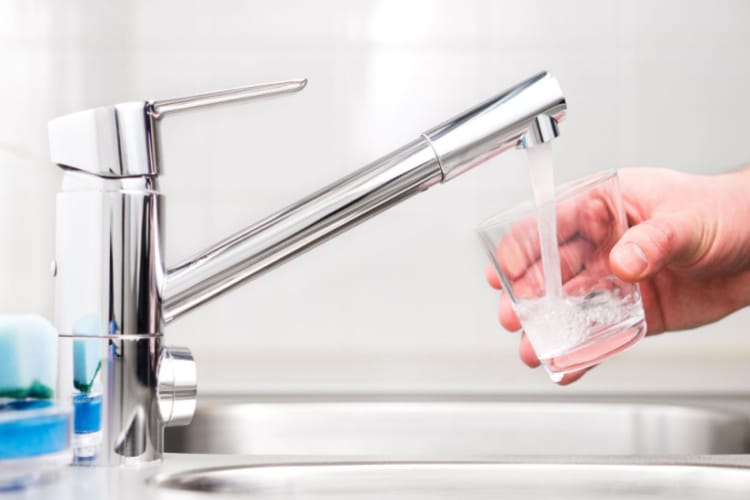
Enhancing Your Stay: From Dining to Daily Life
The reliability of Los Angeles’s tap water seamlessly integrates into various aspects of your visit:
- Culinary Delights: From high-end dining experiences in Beverly Hills to casual eateries near the Hollywood Walk of Fame, chefs and restaurateurs confidently use tap water for all their culinary needs, knowing it meets stringent safety and quality standards. This ensures the integrity of local flavors and ingredients. You can confidently enjoy the city’s diverse food scene, including its fresh produce and innovative beverages.
- Leisure and Recreation: Whether you’re hiking up to Griffith Observatory, spending a day at the Santa Monica Pier, or embarking on a day trip to the Disneyland Resort in nearby Anaheim, staying hydrated is crucial. The ease of refilling your bottle at public fountains or cafes, rather than continually buying expensive bottled water, makes these excursions more enjoyable and less cumbersome.
- Hotel Amenities: Beyond in-room taps, many hotels offer amenities like coffee makers, ice machines, and complimentary filtered water stations. All these rely on the same safe municipal water supply, allowing you to enjoy a complete range of services without concern. Ice from hotel machines is safe, and any hot beverages you prepare are equally secure.
In conclusion, the question “Is Los Angeles tap water safe to drink?” can be confidently answered with a resounding yes for most travelers. The city’s advanced water management, diverse sources, rigorous treatment, and adherence to strict federal and state standards ensure a high-quality, potable supply. By embracing Los Angeles’s tap water, you not only make a practical and economical choice but also contribute to a more sustainable and authentic travel experience in this remarkable California destination. So, pack your reusable water bottle, stay hydrated, and enjoy everything the City of Angels has to offer.
LifeOutOfTheBox is a participant in the Amazon Services LLC Associates Program, an affiliate advertising program designed to provide a means for sites to earn advertising fees by advertising and linking to Amazon.com. Amazon, the Amazon logo, AmazonSupply, and the AmazonSupply logo are trademarks of Amazon.com, Inc. or its affiliates. As an Amazon Associate we earn affiliate commissions from qualifying purchases.