
Louisiana, often dubbed the Pelican State, is a land of vibrant culture, rich history, and unparalleled natural beauty. For many, it’s a sought-after travel destination, renowned for its lively music scene, delectable cuisine, and unique bayou landscapes. But beyond the allure of a vacation, what does it mean to call Louisiana home? When considering a place to live, especially through the lens of travel, tourism, and lifestyle, Louisiana presents a compelling, albeit complex, proposition. This article delves into various facets of life in Louisiana, exploring its unique advantages and challenges, and helping you decide if this captivating state aligns with your long-term aspirations.
Embracing the Louisiana Lifestyle: A Unique Cultural Tapestry
One cannot discuss living in Louisiana without first acknowledging its profound cultural identity, a blend of French, Spanish, African, and Native American influences that has created something truly distinct in the United States. This cultural richness isn’t just for tourists; it permeates everyday life, offering residents an unparalleled experience.
The Rhythms of New Orleans and Beyond
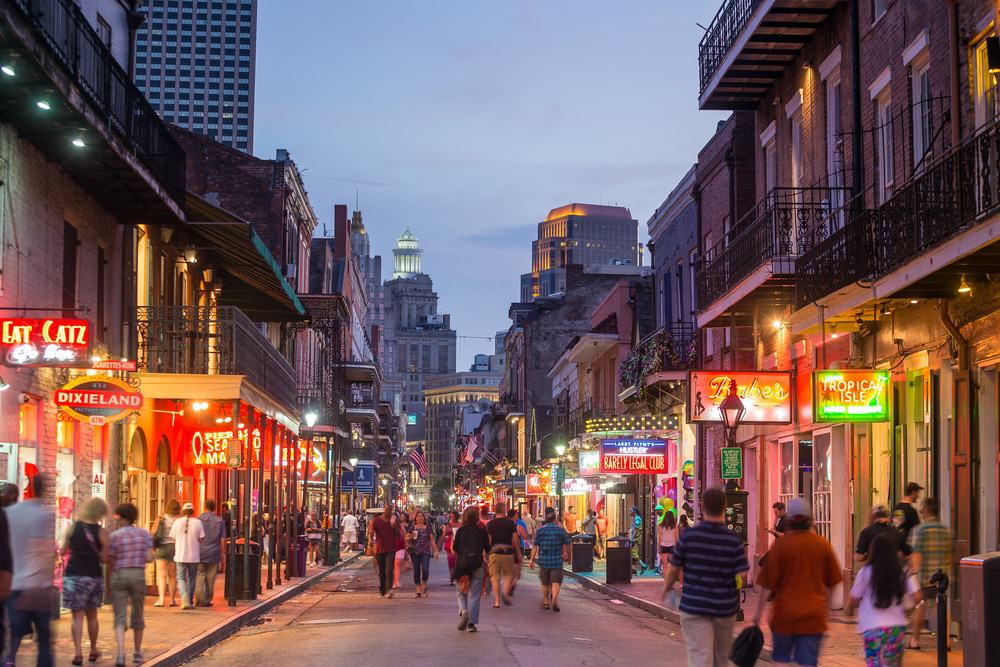
At the heart of Louisiana’s cultural pulse lies New Orleans, a city unlike any other. Living in or near New Orleans means immersing yourself in a world where jazz and blues are the soundtracks to daily life, where historic architecture tells stories of centuries past, and where celebrations like Mardi Gras are not just events, but traditions deeply woven into the community fabric. The French Quarter, with its iconic wrought-iron balconies and lively streets, is a constant source of entertainment and history. Beyond the French Quarter, neighborhoods like the Garden District offer stunning antebellum homes and a more serene, yet equally charming, atmosphere. Residents enjoy easy access to world-class museums like The National WWII Museum, family-friendly attractions such as the Audubon Zoo, and historic sites like Jackson Square and St. Louis Cathedral.
However, Louisiana’s cultural richness extends far beyond the Crescent City. Cajun Country, particularly around Lafayette, offers a different but equally vibrant cultural experience, characterized by its unique French dialect, infectious Zydeco music, and spirited Fais Do-Dos. Even smaller towns across the state boast their own distinct charm, from the historic beauty of Natchitoches to the industrial energy of Baton Rouge. For those who appreciate a life infused with art, music, and tradition, Louisiana offers an environment that constantly stimulates the senses.
A Culinary Journey Through Cajun and Creole Flavors
If there’s one aspect that truly defines the Louisiana lifestyle, it’s the food. Living here means having daily access to some of the most unique and flavorful cuisine in the United States. The distinct culinary traditions of Cajun and Creole cooking are a source of immense pride and a cornerstone of social life. Staples like rich Gumbo, spicy Jambalaya, creamy Étouffée, and savory Po’boys are not merely dishes; they are experiences, often enjoyed in communal settings that foster a strong sense of community.
New Orleans is a culinary mecca, home to legendary restaurants and innovative chefs. However, the food scene thrives statewide. Lafayette is recognized as the heart of Acadiana, offering authentic Cajun fare that delights locals and visitors alike. Even a trip to Avery Island, home of the famous Tabasco Factory, becomes a culinary adventure. Residents often find themselves exploring farmers’ markets for fresh local produce, participating in cook-offs, or simply gathering with friends and family for a backyard boil, reinforcing the idea that food in Louisiana is about much more than sustenance – it’s about connection and celebration.
Festivals and Community Spirit
Louisiana is famous for its “festival culture.” Beyond Mardi Gras, the state hosts countless events throughout the year, celebrating everything from strawberries and seafood to blues and jazz. The New Orleans Jazz & Heritage Festival, the Voodoo Music + Arts Experience, and the Essence Festival are just a few examples of large-scale events that draw crowds from around the globe, but smaller, local festivals are equally cherished. These gatherings are not just tourist attractions; they are integral to the local community, providing opportunities for residents to come together, enjoy music, food, and camaraderie. This pervasive festival spirit contributes to a strong sense of community and offers endless opportunities for entertainment and engagement, making life in Louisiana feel like a perpetual celebration.
Navigating the Pelican State: Travel & Accommodation Insights
For those considering moving to Louisiana, understanding the practical aspects of travel within the state and the availability of suitable accommodation is paramount. The state’s unique geography and diverse urban centers offer a variety of living environments and travel experiences.
Major Cities and Their Charms
While New Orleans and Baton Rouge are the most recognized urban hubs, Louisiana boasts several other significant cities, each with its own character and opportunities. Shreveport in the northwest serves as a commercial and cultural center for the Ark-La-Tex region, known for its casinos, riverboat cruises, and a growing arts scene. Lake Charles in the southwest is a hub for the petrochemical industry and offers a vibrant casino resort scene, along with access to beautiful marshlands. Cities like Monroe and Alexandria in central Louisiana provide a quieter, more traditional Southern experience, often with a lower cost of living and closer proximity to nature.
For residents, this means a choice of lifestyles: the bustling energy of New Orleans, the governmental and educational focus of Baton Rouge, the industrial and recreational mix of Lake Charles, or the relaxed pace of smaller towns. Each city offers different amenities, job markets, and community atmospheres, allowing prospective residents to find a place that best fits their personal and professional needs.
Finding Your Perfect Stay: From Historic Hotels to Modern Living
Whether you’re visiting for a short stay to gauge the lifestyle or moving permanently, Louisiana offers a diverse range of accommodation options. For temporary stays, the state is home to numerous hotels, from luxurious resorts like the Roosevelt New Orleans, A Waldorf Astoria Hotel to charming boutique hotels and reliable chains such as those under Marriott International, Hilton Worldwide, and Hyatt Hotels Corporation. Websites like Booking.com, Expedia, and Tripadvisor are invaluable resources for finding the perfect short-term rental.
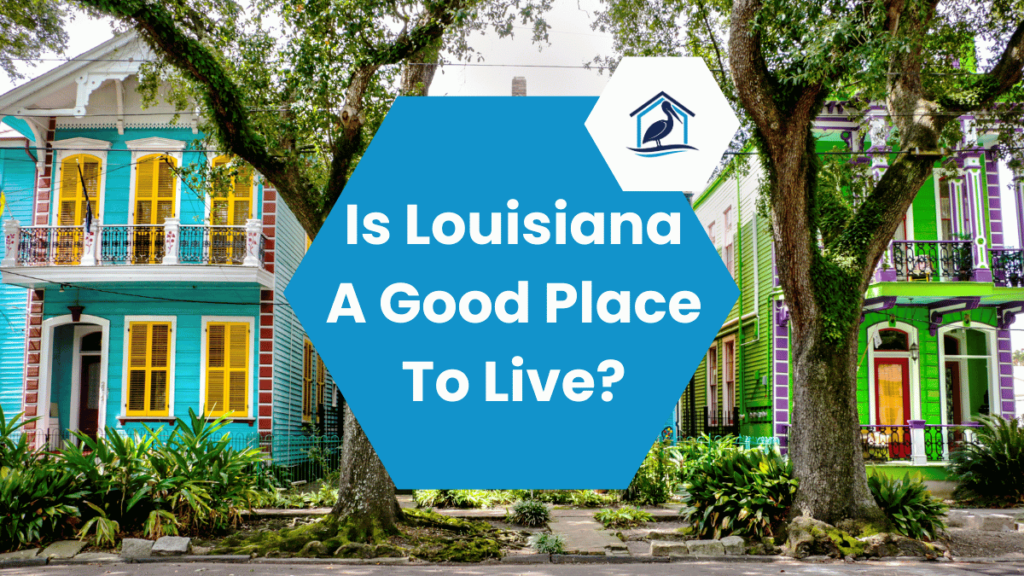
For those planning a long-term stay, the housing market varies significantly by region. New Orleans offers historic shotgun houses, vibrant townhouses, and modern apartments. Baton Rouge features more suburban housing, while rural areas offer larger properties. Rental platforms like Airbnb and Vrbo can be useful for initial longer-term stays to get a feel for a neighborhood before committing to a lease or purchase. The availability of housing and the specific architectural styles are part of the state’s unique appeal, offering diverse choices for every taste and budget.
Getting Around Louisiana
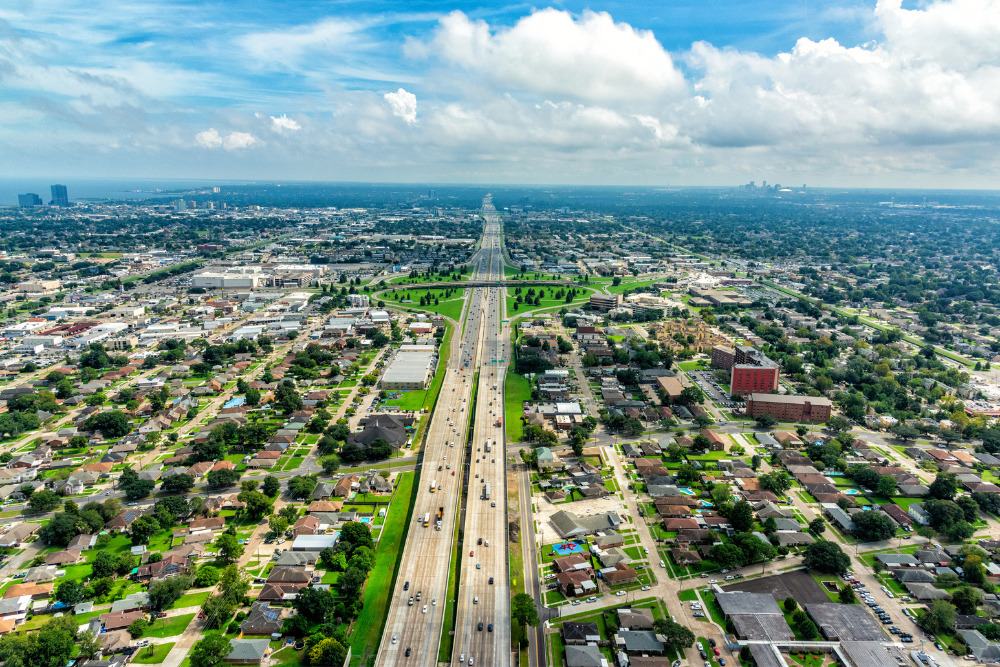
Navigating Louisiana is relatively straightforward, especially with a car, which is almost essential for exploring the state’s diverse landscapes and connecting its major cities. Interstate highways like I-10 and I-49 crisscross the state, making travel between New Orleans, Baton Rouge, Lafayette, and Shreveport efficient. Public transportation is primarily limited to larger cities, with New Orleans offering streetcars and buses that provide excellent local connectivity within the city’s distinct neighborhoods.
For air travel, Louis Armstrong New Orleans International Airport serves as the primary gateway, with regional airports in Baton Rouge, Lafayette, Shreveport, and Lake Charles providing domestic connections. The ease of access to major attractions and natural wonders means that residents can easily embark on weekend adventures, whether it’s a trip to a swamp, a historic plantation, or a coastal beach.
Iconic Landmarks and Natural Wonders: Exploring Louisiana’s Beauty
Beyond its cities, Louisiana is a treasure trove of natural beauty and historical sites that captivate residents and visitors alike. Living here means having constant access to these unique landscapes and markers of history, offering endless opportunities for exploration and recreation.
Historic Plantations and Architectural Gems
The state’s history is vividly preserved in its magnificent plantations, many of which are open for tours and offer a sobering glimpse into the past. Oak Alley Plantation, with its iconic canopy of 300-year-old oak trees, is a breathtaking example of antebellum architecture and Southern grandeur. Laura Plantation, known for its focus on the lives of enslaved people and its Creole history, provides a different, but equally important, perspective. These sites, often located along the Mississippi River in what is known as Plantation Alley, are not just tourist attractions; they are integral to understanding Louisiana’s complex heritage. For residents, these landmarks offer continuous opportunities for historical education and cultural appreciation, often just a short drive from their homes.
Bayous, Swamps, and Wildlife Adventures
Louisiana’s natural landscape is dominated by its extensive network of bayous, swamps, and wetlands, including the vast Atchafalaya Basin, the largest river swamp in the United States. Living in Louisiana means being able to easily access these unique ecosystems. Swamp Tours offer exhilarating encounters with alligators, migratory birds, and diverse wildlife, providing a stark contrast to urban life. Kayaking or canoeing through serene waterways like Bayou Teche is a popular pastime, allowing residents to connect with nature on a deep level. These natural spaces offer a plethora of outdoor activities, from fishing and birdwatching to photography, making Louisiana an ideal place for nature enthusiasts. The Jean Lafitte National Historical Park and Preserve provides accessible trails and educational programs, making it easy for residents to explore the unique ecology of the region.
Coastal Beauty and Outdoor Recreation
Bordering the Gulf of Mexico, Louisiana also offers coastal attractions and beaches, particularly in the southwestern region near Grand Isle State Park and the barrier islands. While not as famous for its white sand beaches as some neighboring states, Louisiana’s coast provides excellent opportunities for fishing, crabbing, and enjoying the unique charm of its fishing villages. State parks like Fontainebleau State Park offer camping, hiking, and water activities, blending natural beauty with recreational facilities. This combination of swamp, bayou, and coastal environments ensures that outdoor enthusiasts will always find something new to explore, contributing significantly to the quality of life for residents who value nature and adventure.
Cost of Living and Quality of Life: A Practical Perspective
While the cultural and natural attractions of Louisiana are undeniable, a practical assessment of living in the state must also consider economic factors and daily realities.
Economic Outlook and Job Market
Louisiana’s economy is diverse, with significant sectors in energy (oil and gas), petrochemicals, manufacturing, agriculture, and increasingly, film production and technology. New Orleans and Baton Rouge are key centers for professional services, healthcare, and education, home to institutions like Louisiana State University and Tulane University. The job market varies by region and industry. While certain sectors like oil and gas can offer high-paying jobs, other areas may experience slower growth. It’s crucial for prospective residents to research specific industries and job availability in their chosen city or region. The state also offers various incentives for businesses, which can contribute to job creation, particularly in emerging fields.
Affordability and Housing
Generally, the cost of living in Louisiana is lower than the national average, making it an attractive option for those seeking more affordable housing and daily expenses. Housing costs, in particular, tend to be significantly less expensive than in major metropolitan areas on the coasts. While New Orleans and parts of Baton Rouge can be more expensive, many other cities and rural areas offer very competitive housing prices, whether renting an apartment or purchasing a home. This affordability can translate into a higher disposable income, allowing residents to enjoy the state’s rich cultural offerings and culinary delights without undue financial strain. However, property insurance, especially for homes in coastal areas susceptible to hurricanes, can be a significant cost factor.
Education and Healthcare
Louisiana has a mix of public and private educational institutions, ranging from K-12 schools to universities. Major universities like Louisiana State University and Tulane University are well-regarded, attracting students from across the country. Healthcare facilities are available throughout the state, with major medical centers located in New Orleans, Baton Rouge, and Shreveport. As with any state, the quality and accessibility of these services can vary by region, and it’s advisable for individuals and families to research specific options in their intended area of residence.
Climate and Natural Challenges
Louisiana’s climate is subtropical, characterized by hot, humid summers and mild winters. While many appreciate the relatively short and gentle cold season, the intense summer heat and humidity can be a significant adjustment for newcomers. Furthermore, Louisiana is susceptible to severe weather, including hurricanes and tropical storms, particularly during the Atlantic hurricane season (June to November). Residents must be prepared for these natural challenges, which often involve evacuations and recovery efforts. The ongoing issue of coastal erosion and rising sea levels also presents long-term environmental concerns that impact the state and its residents.
In conclusion, “Is Louisiana a good place to live?” The answer is nuanced and depends heavily on individual priorities. For those who value a rich cultural life, unparalleled cuisine, a vibrant music scene, and abundant natural beauty at a relatively affordable cost, Louisiana offers a truly unique and fulfilling lifestyle. However, prospective residents must also be prepared for its distinctive climate and the challenges posed by severe weather. Ultimately, living in Louisiana is an experience of embracing its captivating complexities, where the charm and character of the Pelican State can genuinely feel like home.
LifeOutOfTheBox is a participant in the Amazon Services LLC Associates Program, an affiliate advertising program designed to provide a means for sites to earn advertising fees by advertising and linking to Amazon.com. Amazon, the Amazon logo, AmazonSupply, and the AmazonSupply logo are trademarks of Amazon.com, Inc. or its affiliates. As an Amazon Associate we earn affiliate commissions from qualifying purchases.