
The Shifting Sands of the Bayou State’s Political Landscape
The question of whether Louisiana is a swing state is a complex one, with a history of partisan loyalty often punctuated by moments of unexpected electoral flux. While the state has, in recent decades, trended reliably Republican, understanding its political identity requires a deeper dive into its unique demographics, historical voting patterns, and the diverse cultural tapestry that shapes its electorate. For those interested in the intricate dynamics of American politics, particularly through the lens of regional identity and voter behavior, Louisiana offers a compelling case study. This exploration will delve into the factors that have traditionally defined the state’s political leanings and the elements that could, under certain circumstances, propel it towards swing state status.
Historical Context: From Solid South to Red State
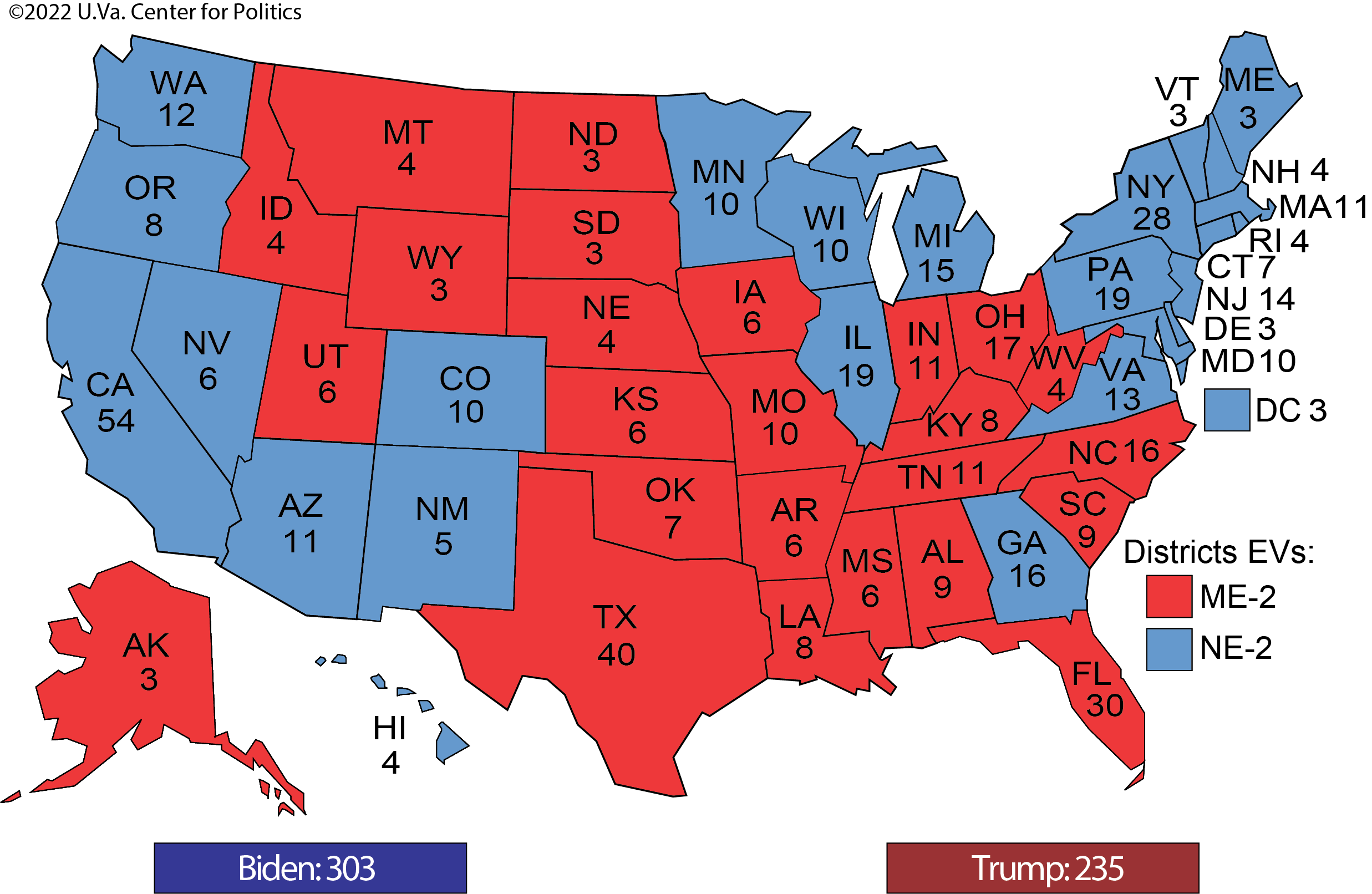
For much of the 20th century, Louisiana was a staunch member of the “Solid South,” a voting bloc overwhelmingly loyal to the Democratic Party. This allegiance was rooted in the post-Civil War era and the state’s deep historical ties to the Confederacy. However, the mid-20th century saw significant shifts in the national Democratic Party’s platform, particularly concerning civil rights. As the national party embraced integration and voting rights for African Americans, many Southern states, including Louisiana, began to re-evaluate their allegiances.
The Great Realignment
The Civil Rights Movement and the subsequent federal legislation of the 1960s marked a pivotal turning point. While African Americans in Louisiana began to register and vote in larger numbers, the state’s white voters, many of whom felt alienated by the Democratic Party’s progressive stance on racial issues, started to drift towards the Republican Party. This “Great Realignment” was a slow but steady process, culminating in the late 20th and early 21st centuries, where Louisiana solidified its reputation as a reliably Republican state in presidential elections.
Demographic Influences on Voting Patterns
The demographic makeup of Louisiana plays a crucial role in its political character. Understanding these demographics is key to analyzing its electoral trends.
Racial and Ethnic Diversity
Louisiana is a state with significant racial and ethnic diversity. The African American population, concentrated particularly in the southern and northern parishes, has historically voted overwhelmingly Democratic. Conversely, the white population, while diverse in its own right, has increasingly leaned Republican. The growing Hispanic and Asian American populations, while smaller, represent emerging voting blocs whose allegiances can shift and influence local races.
Urban vs. Rural Divide
As in many American states, a distinct urban-rural divide shapes Louisiana’s political landscape. Its major urban centers, such as New Orleans, Baton Rouge, and Shreveport, tend to be more liberal and Democratic-leaning, driven by diverse populations and a strong emphasis on social services and urban development. In contrast, the more rural and exurban areas of the state are overwhelmingly Republican, often prioritizing conservative social values and economic policies that favor agriculture and industry.
Socioeconomic Factors
Socioeconomic factors also contribute to the state’s voting patterns. Economic anxieties, such as those related to the oil and gas industry, coastal erosion, and poverty, can influence how voters cast their ballots. While economic distress can sometimes lead to a rejection of the status quo and an openness to new political ideas, in Louisiana, it has often translated into a conservative backlash, with voters seeking what they perceive as more traditional or fiscally responsible leadership.
The Nuance of a “Swing State” Designation
The term “swing state” typically refers to a state where neither major political party has a consistent, overwhelming advantage, and where the outcome of elections can be decided by relatively small margins. By this strict definition, Louisiana has not been a swing state in presidential elections for some time. Republican presidential candidates have consistently won the state by comfortable margins in recent cycles.
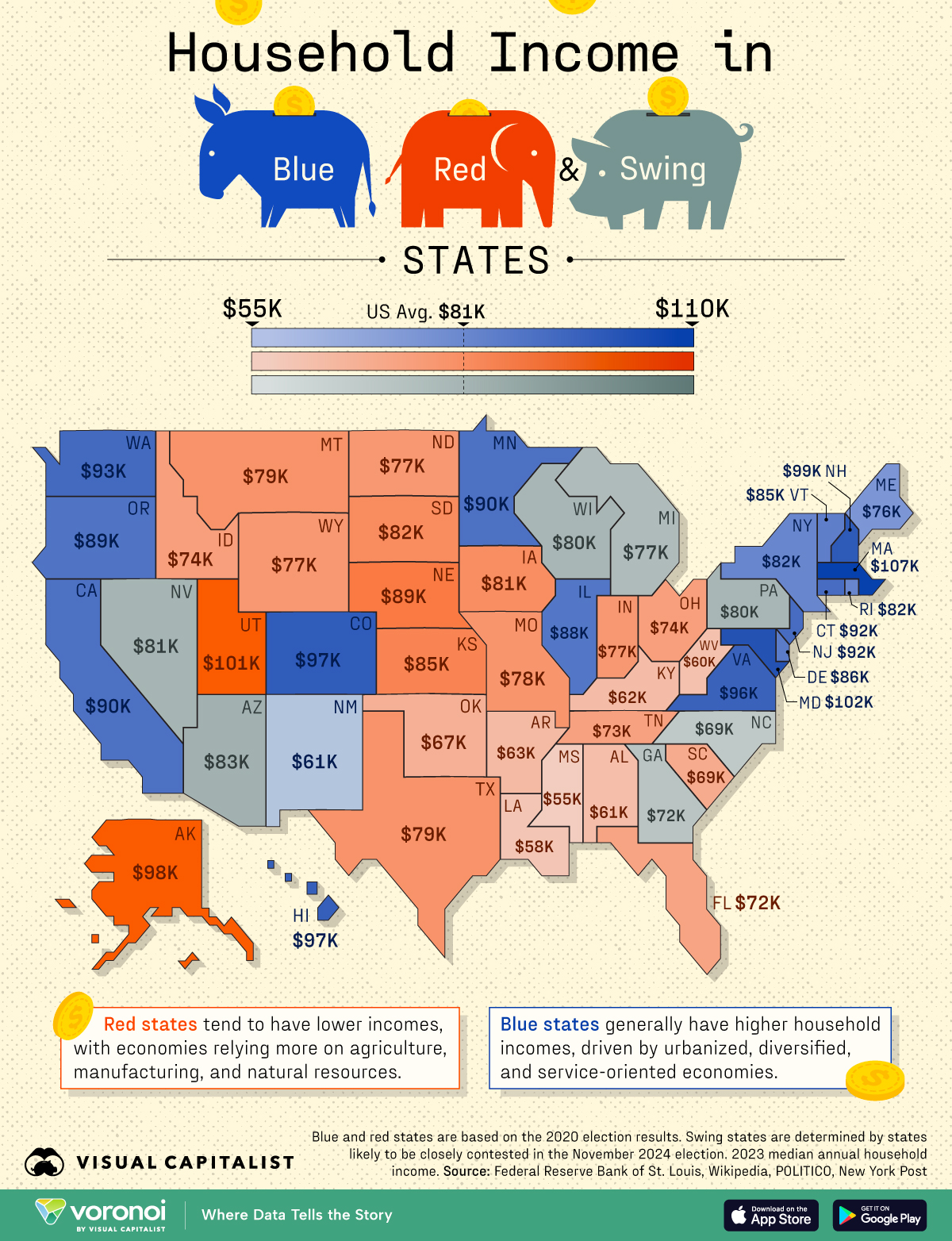
However, the political landscape is rarely static. Several factors could potentially push Louisiana back into the category of a swing state, or at least make its races more competitive:
gubernatorial and Senatorial Races
While presidential races may be predictable, Louisiana has a history of producing competitive gubernatorial and senatorial races. These statewide elections often involve local issues and candidates with strong personal followings, which can transcend national party platforms. The outcomes of these races can be much closer, indicating a segment of the electorate that is willing to cross party lines or that is disengaged from national political narratives.
Emerging Voter Cohorts and Shifting Demographics
As Louisiana’s demographic makeup continues to evolve, so too could its voting patterns. A growing number of younger voters, increasing diversity, and potential shifts in the voting habits of established demographic groups could create opportunities for either party. For instance, a concerted effort by the Democratic Party to mobilize its base or appeal to disillusioned moderate Republicans could make the state more competitive.
National Political Trends and Candidate Appeal
The broader national political climate and the appeal of individual candidates can also influence Louisiana’s electoral outcomes. A highly charismatic or controversial presidential candidate, for example, could energize or alienate voters in ways that disrupt traditional party loyalties. Similarly, compelling local candidates who tap into specific regional concerns or anxieties might sway voters who otherwise adhere to party lines.
Factors Contributing to Republican Dominance
Despite the potential for change, several enduring factors contribute to the Republican Party’s current dominance in Louisiana.
Conservative Social Values
Louisiana is often characterized by its strong conservative social values, deeply rooted in its religious and cultural heritage. Issues such as abortion, gun rights, and traditional family values resonate with a significant portion of the electorate, aligning them with the Republican platform.
Economic Interests and Industry Ties
The state’s economy, with its significant ties to the oil and gas industry, often leads voters to favor policies that support these sectors. The Republican Party’s platform is generally seen as more favorable to these industries, which can translate into strong support in regions where these businesses are major employers.
The “Cultural Wedge” Issues
Certain cultural issues, often amplified during national election cycles, can act as “wedge issues,” further solidifying partisan divides. Discussions around religious freedom, patriotism, and perceived threats to traditional American lifestyles can draw voters towards the Republican Party.

Conclusion: A State in Transition or Firmly Entrenched?
While Louisiana may not fit the classic definition of a swing state in presidential elections today, its political landscape is far from monolithic. The state is a dynamic entity, shaped by a complex interplay of history, demographics, economics, and culture. The solid Republican advantage in presidential contests is a testament to decades of realignment and the enduring influence of conservative values. However, the possibility of shifts in gubernatorial and senatorial races, coupled with evolving demographics and the unpredictable nature of national politics, means that Louisiana remains a state to watch. Whether it will re-emerge as a truly competitive battleground or continue its trend as a reliably red state will depend on a confluence of factors, offering a captivating glimpse into the ever-changing mosaic of American political identity.
LifeOutOfTheBox is a participant in the Amazon Services LLC Associates Program, an affiliate advertising program designed to provide a means for sites to earn advertising fees by advertising and linking to Amazon.com. Amazon, the Amazon logo, AmazonSupply, and the AmazonSupply logo are trademarks of Amazon.com, Inc. or its affiliates. As an Amazon Associate we earn affiliate commissions from qualifying purchases.