
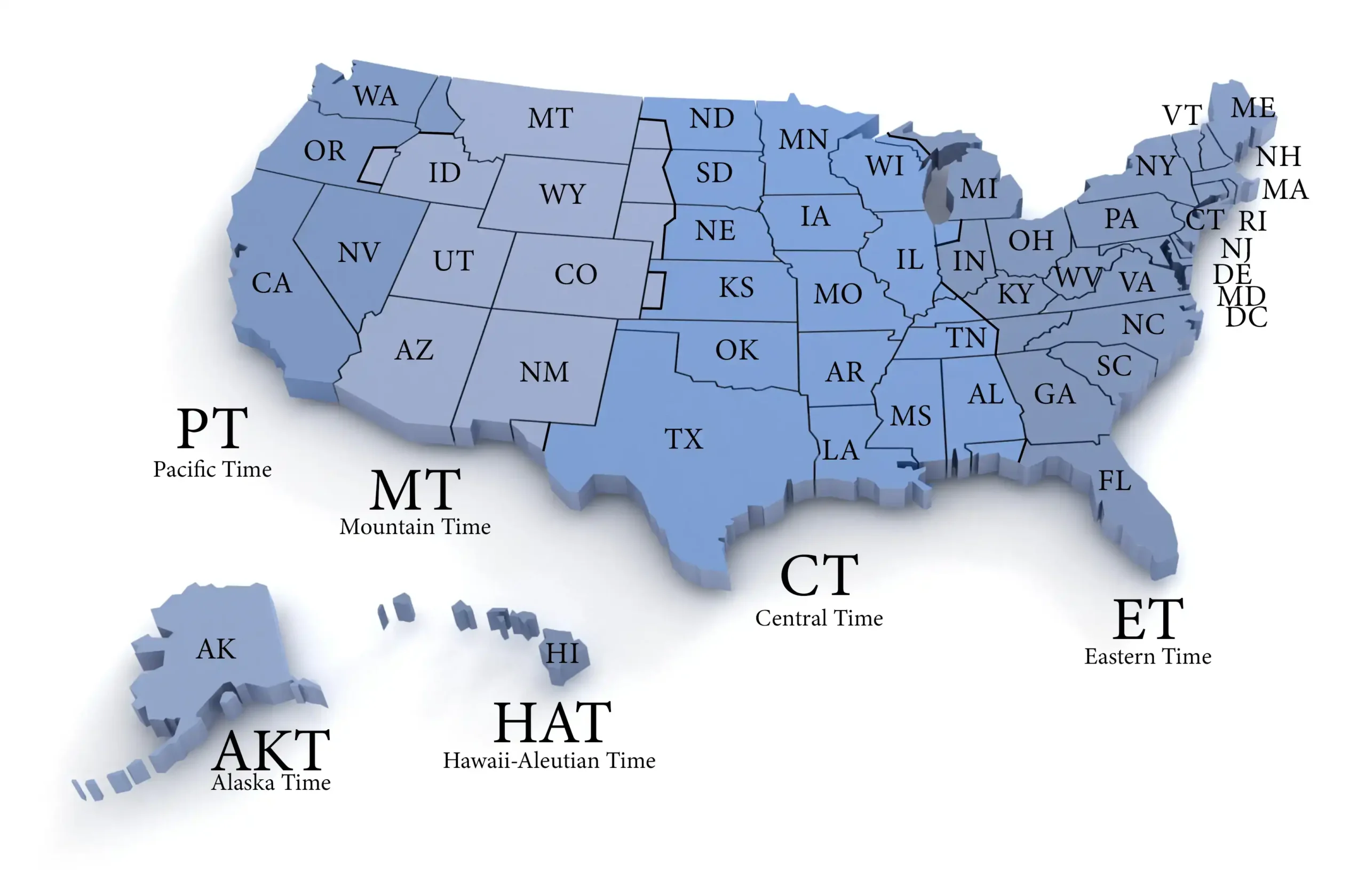
For anyone planning a journey to the heart of the American South, understanding the local time zone is a fundamental first step in seamless travel. So, to answer the pivotal question directly: Yes, Louisiana is entirely situated within the Central Time Zone (CT). This means that whether you’re savoring beignets in New Orleans, exploring the bayous near Lafayette, or engaging in business in Baton Rouge, your clock will be set to CT, which observes Coordinated Universal Time minus six hours (UTC-6).
This geographical alignment into a single time zone simplifies travel logistics considerably for visitors. From coordinating flight arrivals at Louis Armstrong New Orleans International Airport (MSY) to booking a table at a renowned Creole cuisine establishment, all your plans within the Pelican State will operate on the same time. This comprehensive guide will delve into the intricacies of time zones, offer practical advice for travelers navigating Louisiana, and highlight how understanding this simple fact enhances your overall experience of the state’s vibrant culture, iconic landmarks, and unique lifestyle.
Understanding Time Zones in the United States
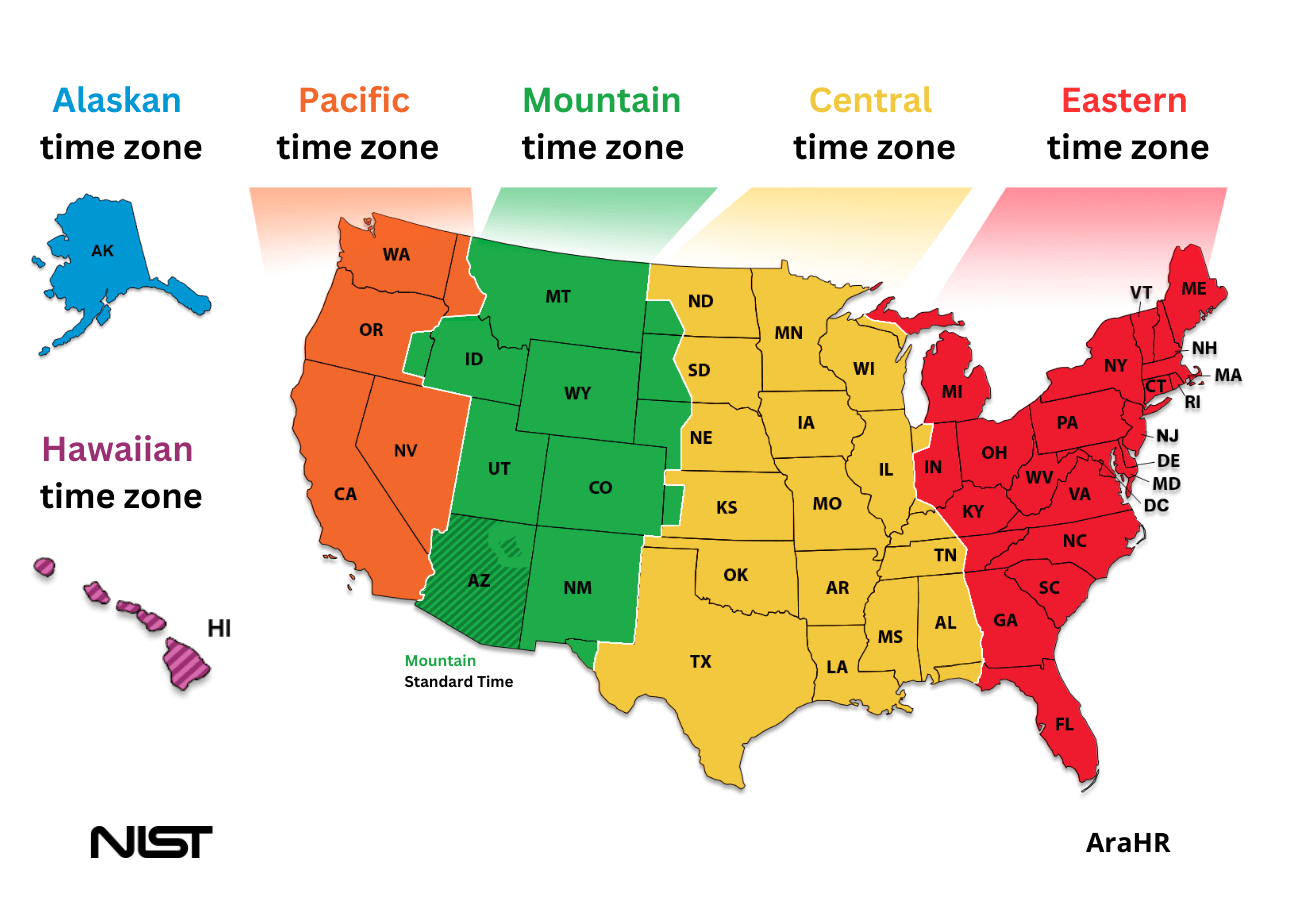
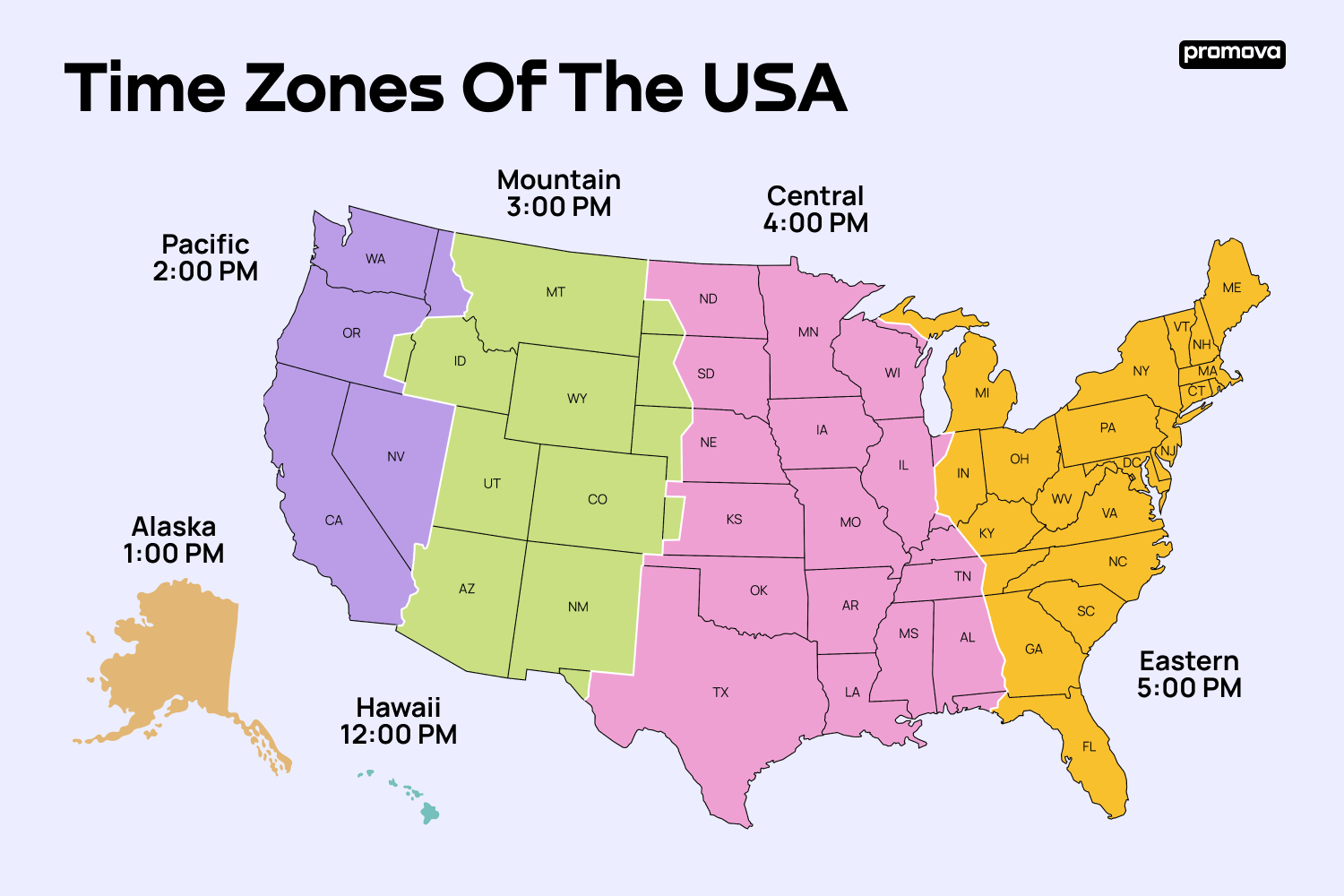
The concept of time zones, as we know them today, was largely established to standardize timekeeping across vast geographical areas, particularly to aid railway schedules in the late 19th century. In the United States, the contiguous landmass is divided into four primary time zones: Eastern Time Zone (ET), Central Time Zone (CT), Mountain Time Zone (MT), and Pacific Time Zone (PT). Each zone generally represents a difference of one hour from its adjacent zone, moving eastward to westward.
Most of the United States also observes Daylight Saving Time (DST), a practice of advancing clocks by one hour during warmer months so that evening daylight lasts longer. For states in the Central Time Zone, this shift moves them from Central Standard Time (CST), which is UTC-6, to Central Daylight Time (CDT), which is UTC-5. This change typically occurs on the second Sunday in March, when clocks “spring forward,” and reverts on the first Sunday in November, when they “fall back.” It’s a crucial detail for travelers, as it means the local time will shift by an hour depending on the time of year, potentially impacting bookings or scheduled events.
Louisiana’s Geographical Context and Time Zone Alignment
Louisiana’s placement firmly within the Central Time Zone is a consequence of its geographical location in the south-central United States. It borders Texas to the west, Arkansas to the north, and Mississippi to the east, all of which are predominantly or entirely in the Central Time Zone. To its south lies the vast Gulf of Mexico. This consistent time zone across its neighboring states simplifies regional travel and commerce, as there are no time zone changes to contend with when crossing state lines into these adjacent areas. This uniformity means that a road trip from, say, Houston to New Orleans or from Little Rock to Shreveport involves no clock adjustments, allowing travelers to focus solely on the journey and the exciting destinations ahead.
Navigating Louisiana: Time Zone Tips for Travelers
Understanding that Louisiana observes the Central Time Zone is just the beginning. For seasoned travelers and first-time visitors alike, integrating this knowledge into your travel planning can significantly enhance your experience, preventing potential inconveniences and ensuring a smooth, enjoyable trip focused on exploration and cultural immersion.
Planning Your Itinerary and Bookings
Effective trip planning is paramount, and time zone awareness plays a critical role, especially when traveling from a different time zone.
-
Flights and Transportation: When booking flights into Louisiana, always double-check the departure and arrival times in relation to your home time zone. For instance, if you’re flying from New York City (ET) to New Orleans (CT), you’ll effectively “gain” an hour upon arrival. Conversely, returning home will mean “losing” an hour. Be mindful of these shifts when scheduling connecting flights or ground transportation. Major airports like MSY operate strictly on local time, and knowing this helps you avoid missed connections or early/late arrivals for your next leg of the journey.
-
Hotel Check-ins/Check-outs: Accommodation providers, from sprawling resorts to charming boutique hotels in the French Quarter or Garden District, operate on Central Time. Ensure your arrival time aligns with their check-in policies, especially if you’re arriving early morning from an Eastern Time Zone flight or late at night from a Pacific Time Zone one. Confirming check-out times is equally important to avoid additional charges. Whether you’ve booked a historic hotel in New Orleans, a modern suite in Baton Rouge, or a cozy vacation rental in Shreveport, adherence to local time is key for a hassle-free stay.
-
Restaurant Reservations and Activities: Louisiana’s culinary scene and vibrant cultural offerings are major draws. From securing a coveted dinner reservation at a renowned restaurant to booking a swamp tour or a ghost tour, all scheduled activities will be listed in Central Time. This is particularly important for timed attractions like the National WWII Museum or performances at Bourbon Street jazz clubs. Always confirm the local time for your reservations to avoid missing out on these unforgettable experiences.
Dealing with Jet Lag and Time Zone Adjustments
For travelers coming from time zones significantly different from Central Time, managing jet lag is a practical consideration. While a one or two-hour difference (e.g., from ET) might be manageable, those arriving from the Mountain or Pacific Time Zones will experience a more noticeable shift.
- Pre-Trip Adjustment: Gradually adjust your sleep schedule a few days before your trip. Shift your bedtime and wake-up time by 15-30 minutes each day to slowly align with Louisiana’s Central Time.
- Hydration and Light: Stay well-hydrated during your flight and upon arrival. Maximize exposure to natural light during Louisiana’s daytime hours to help reset your circadian rhythm. Conversely, minimize bright light exposure in the evenings to signal to your body that it’s time to wind down.
- Strategic Napping: If you feel tired upon arrival, a short power nap (20-30 minutes) can be beneficial, but avoid long naps that could disrupt your night’s sleep. Try to stay awake until the local bedtime to acclimate faster.
- Gentle First Day: Plan lighter activities for your arrival day. Instead of diving straight into a packed schedule, consider a leisurely stroll through Jackson Square or enjoying a relaxed meal, allowing your body time to adjust to the new rhythm of the Central Time Zone.
Experiencing Louisiana: Beyond the Clock
While the practicalities of time zones are important, they merely set the stage for the vibrant experiences that await in Louisiana. The state’s rich history, diverse culture, and unparalleled hospitality truly shine, all operating harmoniously within the Central Time Zone framework.
Iconic Destinations and Attractions in Central Time
Every corner of Louisiana offers something unique, and travelers can confidently explore knowing that all activities align with the same clock.
-
New Orleans: The undisputed cultural gem, New Orleans is a city that never truly sleeps, but its vibrant energy certainly runs on Central Time. From the historic architecture and lively street performers of the French Quarter to the elegant mansions of the Garden District, there’s a timeless charm here. Don’t miss a morning coffee and beignets at Café Du Monde or an evening of jazz on Bourbon Street. Annual events like Mardi Gras and Jazz Fest draw millions, all celebrated in sync with the local time. Accommodation options abound, from luxurious resorts to charming bed and breakfasts, all ready to welcome you at their CT check-in times.
-
Baton Rouge: As the state capital, Baton Rouge offers a blend of historical significance and modern amenities. Visitors can explore the magnificent Louisiana State Capitol, a towering Art Deco masterpiece, or delve into the state’s agricultural past at the LSU Rural Life Museum. Like all other destinations in the state, museum hours, tours, and restaurant timings are all based on Central Time, ensuring easy integration into your itinerary.
-
Lafayette and Acadiana: Venture into the heart of Cajun culture in Lafayette and the surrounding Acadiana region. Here, you can embark on an exhilarating swamp tour to spot alligators and diverse wildlife, all scheduled on local time. Indulge in authentic Cajun cuisine and experience lively Fais Do-Do dances, immersing yourself in a way of life that celebrates its unique heritage. Understanding the local clock ensures you don’t miss a beat of the festive atmosphere.
-
Northern Louisiana: Cities like Shreveport and Monroe in northern Louisiana offer a different flavor of the state, often leaning into the hospitality of the Ark-La-Tex region. Here, you’ll find vibrant entertainment, including casinos and riverboat cruises along the Red River, alongside historical sites and natural beauty. All these attractions operate seamlessly on Central Time, allowing for relaxed exploration without time-zone induced confusion.
The Rhythms of Louisiana Life
The Central Time Zone is more than just a numerical offset; it’s the rhythm to which Louisiana moves. The pace of life can vary from the bustling streets of New Orleans, where evenings often stretch into the early hours, to the more serene, agriculture-driven communities where days begin with the sunrise. Knowing that every event, every business hour, and every moment of relaxation adheres to this single time standard allows visitors to fully synchronize with the local lifestyle.
From early morning fishing charters in the bayous to late-night musical performances in historic venues, the collective pulse of the state beats to Central Time. This consistent timing allows visitors to effortlessly transition between diverse experiences, from an educational morning at a plantation to an exciting afternoon exploring a city, all without the mental burden of constantly converting times. It reinforces the sense of place and immersion that makes travel to Louisiana so uniquely rewarding.
In conclusion, for any adventurer setting their sights on the captivating state of Louisiana, rest assured that your journey will unfold entirely within the Central Time Zone. This straightforward fact significantly simplifies all aspects of travel planning, from booking flights and accommodations to scheduling your cultural excursions and culinary delights. By keeping the Central Time Zone in mind, you are free to fully immerse yourself in the rich tapestry of experiences that Louisiana so generously offers, from its bustling cities and charming small towns to its unique natural landscapes and unforgettable cultural heritage. So, set your watch, embrace the rhythm, and prepare for an extraordinary adventure in the heart of the South.
LifeOutOfTheBox is a participant in the Amazon Services LLC Associates Program, an affiliate advertising program designed to provide a means for sites to earn advertising fees by advertising and linking to Amazon.com. Amazon, the Amazon logo, AmazonSupply, and the AmazonSupply logo are trademarks of Amazon.com, Inc. or its affiliates. As an Amazon Associate we earn affiliate commissions from qualifying purchases.