
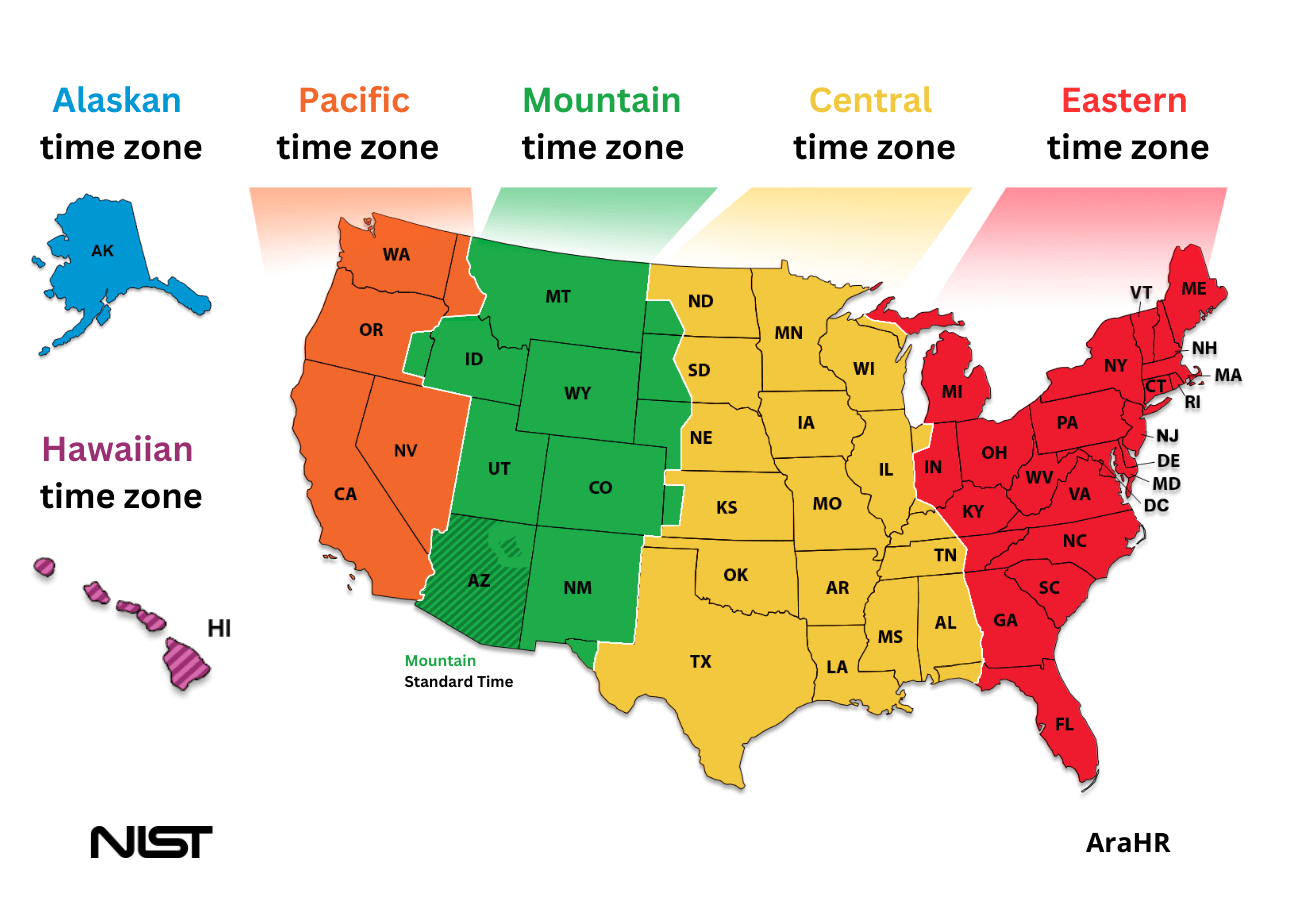
Yes, Louisiana is entirely within the Central Time Zone. For anyone planning a trip to the Pelican State, understanding this fundamental piece of information is crucial for seamless travel, timely appointments, and an overall stress-free experience, whether you’re navigating the vibrant streets of New Orleans, exploring the historic capital of Baton Rouge, or delving into the heart of Cajun Country. This means that during the standard time period, the state observes Central Standard Time (CST), which is UTC-6. When Daylight Saving Time is in effect, Louisiana switches to Central Daylight Time (CDT), aligning with UTC-5. For travelers arriving from other time zones within the United States or internationally, this detail sets the rhythm for their entire stay, from flight schedules and hotel check-ins to restaurant reservations and attraction visiting hours.
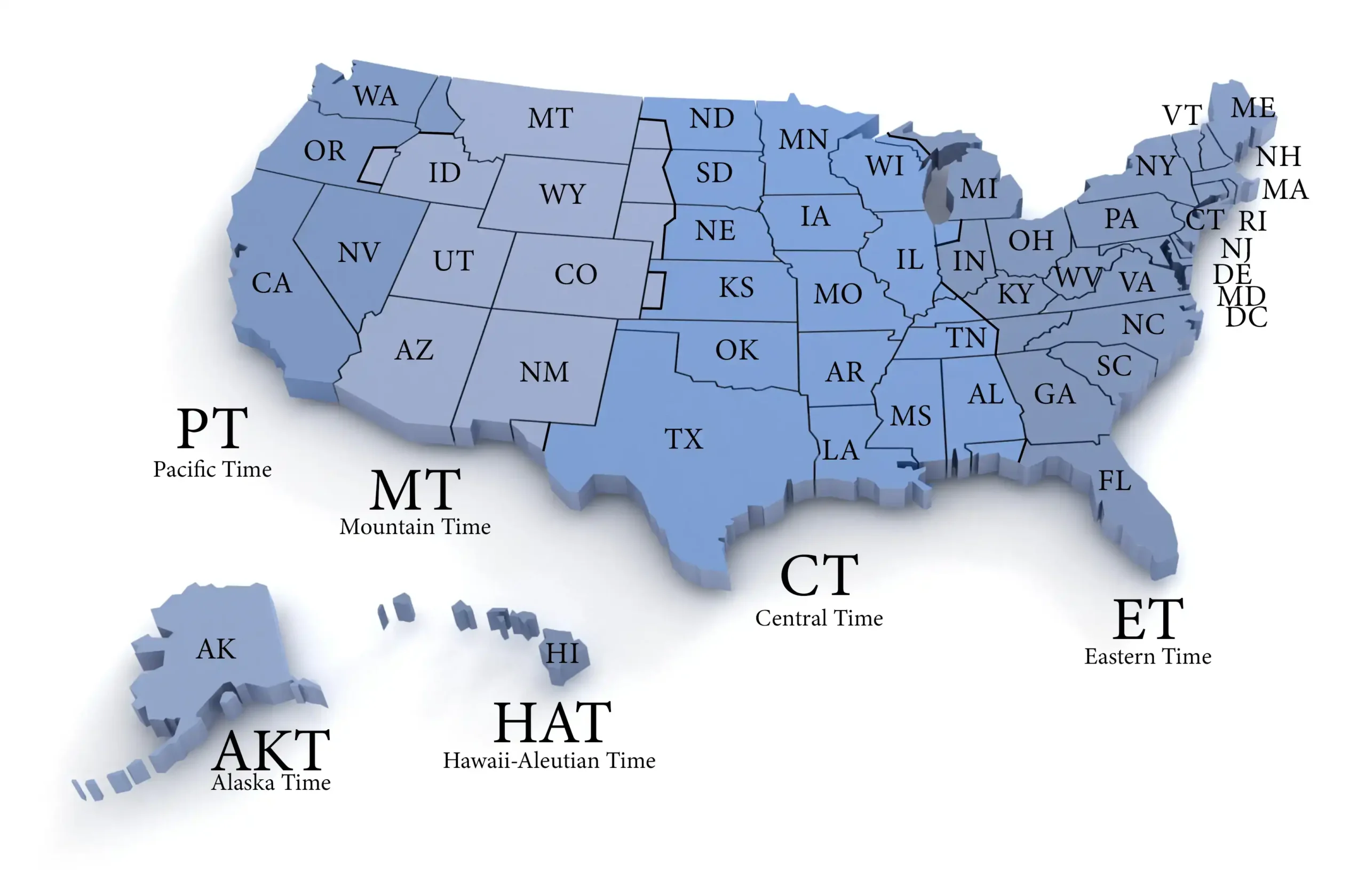
The consistent adherence to a single time zone across the entire state simplifies planning considerably. Unlike some states that straddle multiple time zones, Louisiana’s unified approach means you never have to worry about adjusting your watch as you travel from one exciting destination to another within its borders. This geographical convenience enhances the travel experience, allowing visitors to fully immerse themselves in the rich tapestry of Louisiana’s culture, history, and natural beauty without a temporal hiccup.
Understanding Louisiana’s Time Zone: CST and CDT
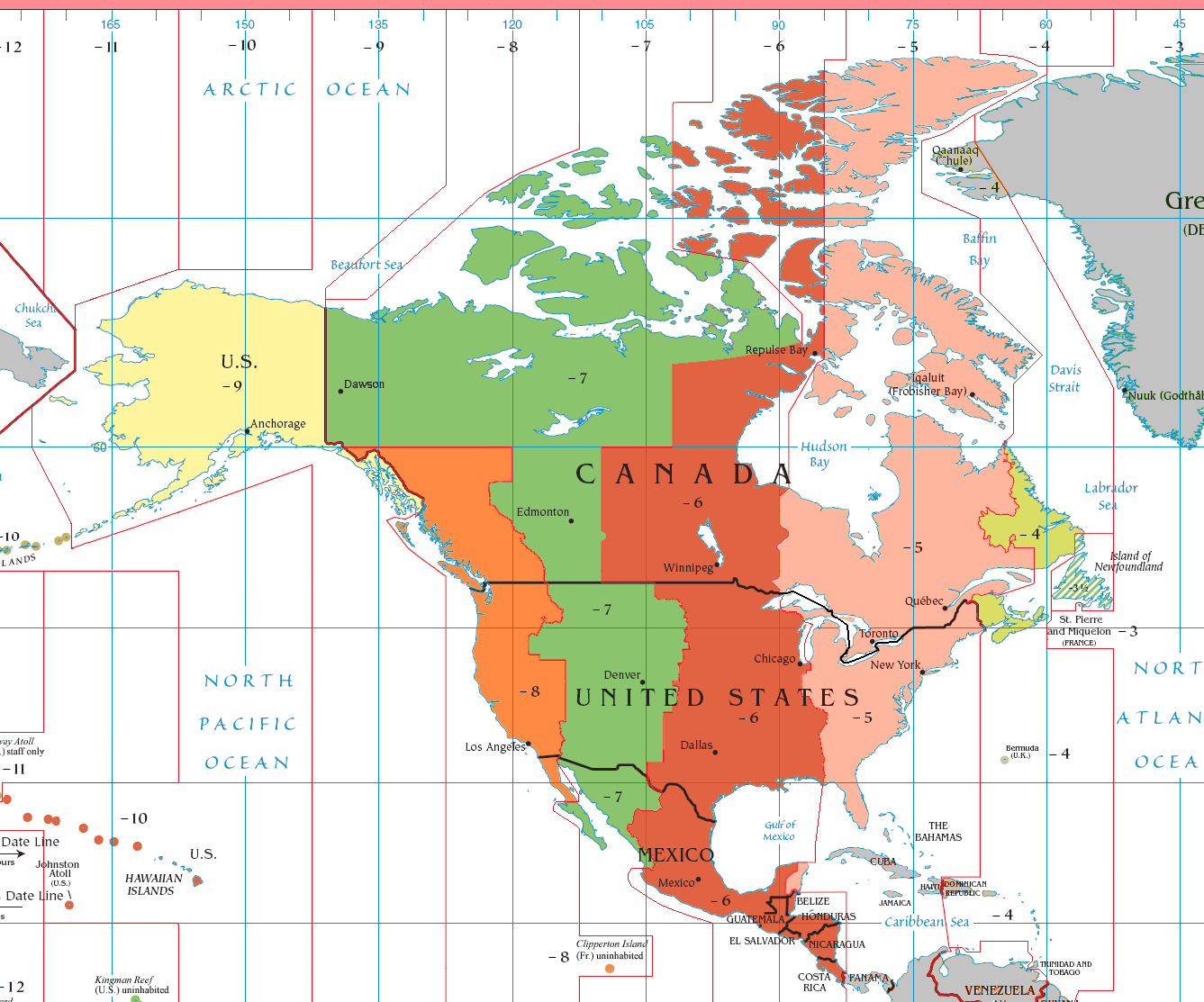
The concept of time zones might seem straightforward, but for travelers, especially those venturing across large geographical areas, it’s a detail that can make or break an itinerary. Louisiana’s position firmly within the Central Time Zone simplifies this aspect of travel immensely. Geographically, Louisiana is situated in the south-central United States, bordered by Texas to the west (also predominantly in Central Time), Arkansas to the north (Central Time), and Mississippi to the east (Central Time). To its south lies the Gulf of Mexico. This consistent regional time zone further contributes to the ease of planning multi-state trips within the Southern United States.
Central Standard Time (CST) is observed from early November to mid-March, placing Louisiana six hours behind Coordinated Universal Time (UTC). This means that when it’s noon UTC, it’s 6:00 AM in Louisiana. During this period, the days are shorter, and mornings are often crisp, inviting travelers to enjoy cozy breakfasts before heading out to explore museums or historic sites. As spring approaches, Louisiana, like most of the United States, transitions to Central Daylight Time (CDT). This shift occurs on the second Sunday in March, when clocks “spring forward” one hour, moving to UTC-5. The advent of CDT ushers in longer daylight hours, perfect for enjoying outdoor activities, evening strolls, and late-night culinary adventures without feeling rushed by an early sunset. The transition back to CST happens on the first Sunday in November, when clocks “fall back” one hour.
The consistency of the Central Time Zone across Louisiana is a blessing for tourism and lifestyle. It means that whether you’re taking a swamp tour near the Atchafalaya Basin, attending a music festival in Lafayette, or enjoying a casino resort experience in Shreveport or Bossier City, your internal clock and local clocks will always be synchronized. This unified approach eliminates any potential confusion or missed connections that could arise from time zone changes within a single state.
The Impact on Travelers and Daily Life
For travelers, understanding Louisiana’s time zone directly influences almost every aspect of their journey. Flights arriving from the Eastern Time Zone will experience a one-hour shift backward, granting an extra hour upon arrival, while those from the Mountain Time Zone or Pacific Time Zone will need to adjust forward, potentially losing hours. This adjustment is vital for managing jet lag, especially for longer stays or business trips.
Consider the following practical implications:
- Flight and Train Schedules: All arrival and departure times for airports like Louis Armstrong New Orleans International Airport or Baton Rouge Metropolitan Airport will be listed in Central Time. Confirming these times relative to your departure point’s time zone is the first step in successful travel planning.
- Hotel Check-ins and Check-outs: Most hotels and accommodation providers strictly adhere to local check-in and check-out times. Knowing the time zone ensures you arrive when your room is ready and depart without incurring late fees. Many resorts and boutique hotels in cities like New Orleans offer flexible check-in options, but adherence to the local time remains paramount.
- Restaurant Reservations: Louisiana is a foodie paradise, and securing reservations at popular eateries, especially in New Orleans’ French Quarter or Lafayette’s culinary hotspots, is often essential. These will always be in Central Time.
- Attraction Hours: Whether you’re planning to visit the National WWII Museum in New Orleans, the Louisiana State Capitol in Baton Rouge, or the Acadian Village in Lafayette, their operating hours will be based on CST or CDT.
- Events and Festivals: Louisiana is renowned for its vibrant festivals, from Mardi Gras to Jazz Fest. All event schedules, parades, and concert times are published in local Central Time, making it easy for visitors to plan their participation.
- Business Travel: For those visiting Louisiana for conferences or meetings, all business engagements will operate on Central Time. Punctuality is key, and an understanding of the local time zone prevents any missteps.
Beyond logistics, the time zone also subtly influences the local lifestyle. When Louisiana is on CDT, the longer evenings allow for extended outdoor enjoyment, be it dining al fresco, taking a leisurely stroll through the Garden District, or enjoying live music on Bourbon Street well into the night. During CST, cooler evenings might encourage more indoor activities, like exploring art galleries or enjoying a cozy meal in a historic restaurant.
Exploring Louisiana: Destinations and Time Zone Considerations
Louisiana’s allure lies in its diverse regions, each offering a distinct flavor of the state’s vibrant heritage. Understanding that all these destinations operate on the same Central Time allows for seamless transitions and optimal planning as you journey from one captivating locale to another.
New Orleans: A City of Timeless Charm
Often the first stop for many travelers, New Orleans is a city where history, music, and culinary excellence converge. From the moment you land at Louis Armstrong New Orleans International Airport, you’re on Central Time. This is crucial for navigating your arrival, whether you’re taking a taxi to a historic hotel in the French Quarter or arranging a shuttle to a resort near the Mississippi River.
In New Orleans, time often feels fluid, but scheduled activities remain punctual. Plan your visit to Jackson Square and the iconic St. Louis Cathedral during daylight hours. Book your ghost tours or jazz club excursions in the evening, knowing that the city’s nightlife truly comes alive after sundown, which will vary depending on whether it’s CST or CDT. For dining, reservations at renowned establishments like Commander’s Palace in the Garden District or Galatoire’s in the French Quarter are best made well in advance, always confirming the local time. Exploring the numerous attractions such as the Audubon Zoo or the New Orleans Museum of Art will also require an awareness of their Central Time operating hours.
Baton Rouge: The Capital’s Rhythms
Just a little over an hour’s drive northwest of New Orleans, Baton Rouge serves as Louisiana’s capital and a hub for history and politics. Operating on the same Central Time as New Orleans, transitioning between the two cities is effortless. Visitors to Baton Rouge can explore the impressive Louisiana State Capitol, the tallest capitol building in the United States, or delve into history at the Old State Capitol, a Gothic-Revival masterpiece. Both attractions have specific opening hours that adhere to Central Time.
For those interested in the state’s agricultural past, the LSU Rural Life Museum offers a fascinating glimpse, with its schedule aligned with CST/CDT. The campus of Louisiana State University (LSU) itself is a major landmark, hosting sporting events and cultural activities, all synchronized to the local time. When planning your accommodation in Baton Rouge, from luxury hotels to budget-friendly stays, always confirm their check-in and check-out times in Central Time to ensure a smooth experience.
Cajun Country and Beyond: Embracing Local Culture
Venturing west from Baton Rouge, you enter Cajun Country, centered around the vibrant city of Lafayette. This region is celebrated for its unique Acadian culture, spicy cuisine, and lively music scene. Whether you’re taking a scenic drive through the Creole Nature Trail near Lake Charles, exploring the historic structures at Vermilionville in Lafayette, or enjoying a traditional fais do-do, all activities and events will operate on Central Time.
The pace of life in Cajun Country might feel a little slower, but being mindful of time is still important for booking swamp tours into the Atchafalaya Basin, reserving tables at famous boudin shops, or attending a local dance. Even further north, cities like Shreveport and Bossier City, located on the Red River, offer a different kind of Louisiana experience with their casinos, entertainment venues, and cultural attractions, all meticulously running on Central Time. This consistent time zone makes road-tripping across Louisiana incredibly straightforward, allowing you to focus on the experiences rather than temporal adjustments.
Planning Your Louisiana Journey: Accommodation and Lifestyle
Planning a trip to Louisiana involves more than just selecting destinations; it also means choosing the right accommodation and tailoring your travel style to match your preferences. The state’s consistent adherence to the Central Time Zone greatly simplifies these logistical aspects, allowing for smoother bookings and a more relaxed pace.
From Historic Hotels to Modern Resorts
Louisiana offers a diverse array of accommodation options, catering to every taste and budget. In New Orleans, you can choose from opulent historic hotels in the French Quarter, charming boutique hotels in the Garden District, or modern chain hotels with all amenities. Cities like Baton Rouge, Lafayette, and Shreveport also feature a range of options, from luxury resorts with casinos to family-friendly suites and budget-conscious apartments.
When booking your stay, remember that all check-in and check-out times will be specified in Central Time (CST/CDT). This is especially important if you are flying in from a different time zone. Many hotels offer early check-in or late check-out options, but these are often subject to availability and additional fees. Always confirm these details in advance to avoid any surprises. Our website, LifeOutOftheBox.com, offers comprehensive guides, reviews, and comparison tools to help you find the perfect stay, whether you’re looking for a long-term apartment rental or a short-term luxury resort experience. Understanding the local time is a critical component of leveraging these tools effectively for smooth arrival and departure arrangements.
For those interested in unique experiences, Louisiana also boasts a selection of charming bed and breakfasts, particularly in historic areas, and even plantation stays outside of cities like New Orleans, offering a glimpse into the state’s rich past. These accommodations often have more personalized service and stricter check-in procedures, making time zone awareness even more important.
Navigating Louisiana with Time in Mind
Whether your travel style leans towards luxury, budget, family trips, or business stays, being time-savvy in Louisiana will enhance your experience.
- Luxury Travel: If you’re indulging in fine dining, spa treatments, or private tours, punctuality is often expected. Your concierge will manage many details, but knowing the local time empowers you to keep track of your schedule, especially when coordinating with tour guides or reservation times for exclusive experiences.
- Budget Travel: For budget-conscious travelers, understanding time zones can save money. Missing a bus or train due to a time mix-up could lead to unexpected expenses. Early bird specials or happy hour deals at restaurants are also time-sensitive.
- Family Trips: Traveling with family often means a packed schedule, from theme park visits to children’s museum explorations. Adhering to Central Time for all activities ensures that everyone is where they need to be, when they need to be, minimizing stress and maximizing fun. Attractions like the Audubon Aquarium of the Americas in New Orleans are popular family destinations with strict operating hours.
- Business Stays: For business travelers, time is literally money. Conferences, meetings, and networking events are rigorously scheduled. Ensuring your devices are correctly set to Central Time is non-negotiable for professional success. Many hotels cater to business travelers with amenities like conference rooms and high-speed internet, and these services operate on the local time schedule.
Louisiana’s vibrant cultural landscape is deeply intertwined with its daily rhythms. From the early morning aroma of beignets at Cafe Du Monde in New Orleans to late-night jazz performances on Frenchmen Street, every experience is dictated by the clock. While the state’s laid-back atmosphere might suggest a relaxed approach to time, key appointments, bookings, and transportation schedules remain firmly anchored to the Central Standard Time or Central Daylight Time framework.
In conclusion, the answer to “Is Louisiana in Central Time?” is an unequivocal yes. This single time zone across the entire state is a boon for any traveler, simplifying logistics and allowing for a deeper, more relaxed immersion into the rich tapestry of Louisiana’s attractions, culture, and lifestyle. By keeping this in mind, visitors can ensure their journey through the Pelican State is as smooth and enjoyable as the gentle flow of the Mississippi River itself.
LifeOutOfTheBox is a participant in the Amazon Services LLC Associates Program, an affiliate advertising program designed to provide a means for sites to earn advertising fees by advertising and linking to Amazon.com. Amazon, the Amazon logo, AmazonSupply, and the AmazonSupply logo are trademarks of Amazon.com, Inc. or its affiliates. As an Amazon Associate we earn affiliate commissions from qualifying purchases.