
Louisiana, a state synonymous with vibrant culture, rich history, and unparalleled Southern charm, has long captivated the hearts of travelers worldwide. From the rhythmic sounds of jazz wafting through the historic streets of New Orleans to the serene beauty of its Bayou Country, the Pelican State offers a kaleidoscope of experiences that beckon visitors to explore its unique heritage. As a premier destination for tourism, travel, and distinctive lifestyle adventures, Louisiana constantly evolves, and with it, the landscape of its laws and regulations that might impact visitors. One of the most frequently asked questions by prospective travelers and residents alike, increasingly relevant in the modern era of changing legislation, is: “Is Louisiana legalizing weed?”
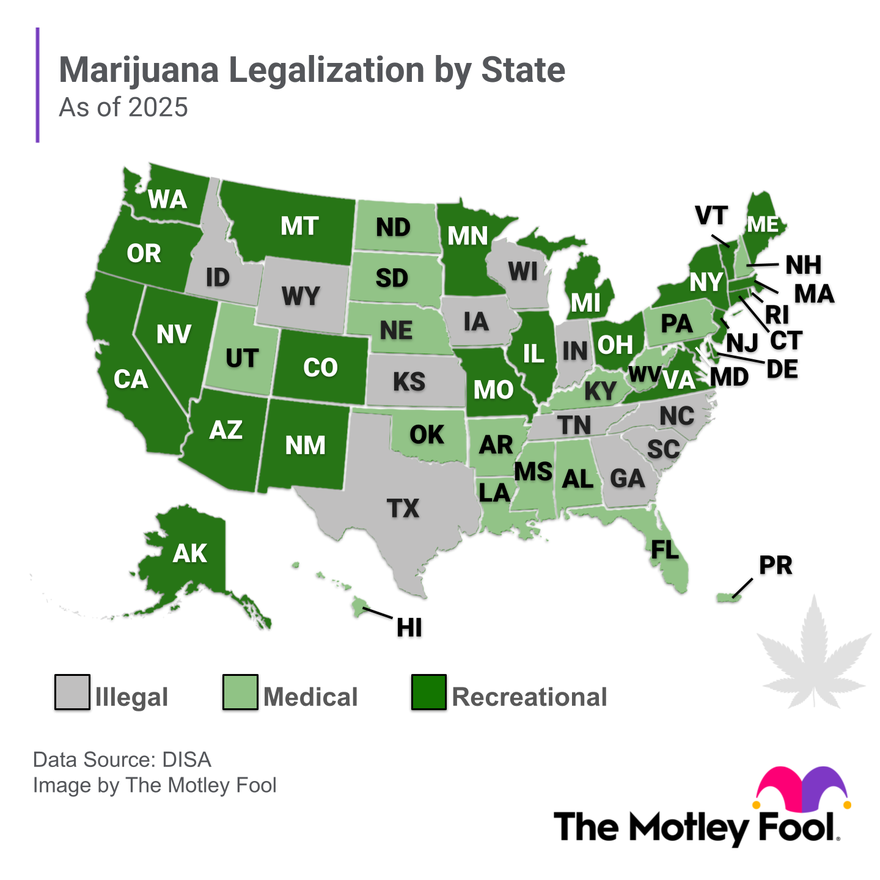
The short answer, as of late, is nuanced. While recreational cannabis remains illegal under state law, Louisiana has made significant strides in both decriminalization and the establishment of a robust medical marijuana program. These developments reflect a broader national trend and hint at a potential future where cannabis plays a different role in the state’s economy, culture, and especially its tourism sector. For anyone planning a trip, understanding the current legal framework is crucial to ensure a smooth and enjoyable visit. This article delves into the current status of cannabis laws in Louisiana, explores the potential impacts on travel and tourism, and provides essential tips for visitors navigating this evolving legal environment. Whether you’re interested in the jazz clubs of the French Quarter, the historic plantations along the Mississippi River, or the culinary delights of Lafayette, being informed about Louisiana’s cannabis laws is an important aspect of responsible travel planning.
The Current Landscape of Cannabis in Louisiana
Understanding the present legal status of cannabis in Louisiana requires distinguishing between different legislative actions: medical use, decriminalization, and full recreational legalization. The state has adopted a cautious approach, moving incrementally rather than making sweeping changes. This conservative stance reflects the unique political and cultural fabric of the Deep South, even as surrounding states and the nation as a whole move towards more progressive cannabis policies.
Medical Marijuana: A Precedent for Change
The most significant shift in Louisiana’s cannabis policy has been the establishment and expansion of its medical marijuana program. Initiated in 2015 and gradually expanded in subsequent years, the program allows qualified patients to legally access cannabis for therapeutic purposes. This program is regulated by the Louisiana Department of Agriculture and Forestry and overseen by the Louisiana Board of Pharmacy, ensuring strict guidelines for cultivation, dispensing, and patient access.
To qualify for medical marijuana, patients must receive a recommendation from a state-licensed physician for a debilitating condition, which has broadened over time to include a wide range of ailments from chronic pain and PTSD to cancer and epilepsy. The state has authorized a limited number of dispensaries, typically one per region, to distribute medical cannabis products. These products come in various forms, including oils, tinctures, edibles, and, more recently, flower, which has significantly increased accessibility and patient choice. The expansion of the medical program has not only provided relief to countless patients but has also established a legal framework for cannabis production and distribution, laying crucial groundwork that could potentially pave the way for future recreational reforms. For travelers with medical cannabis cards from other states, it’s vital to research reciprocity laws, as carrying out-of-state medical cannabis into Louisiana or attempting to purchase it there typically requires specific compliance with Louisiana state laws, which often means being a registered patient within the state itself.
Decriminalization vs. Full Legalization: Understanding the Nuances
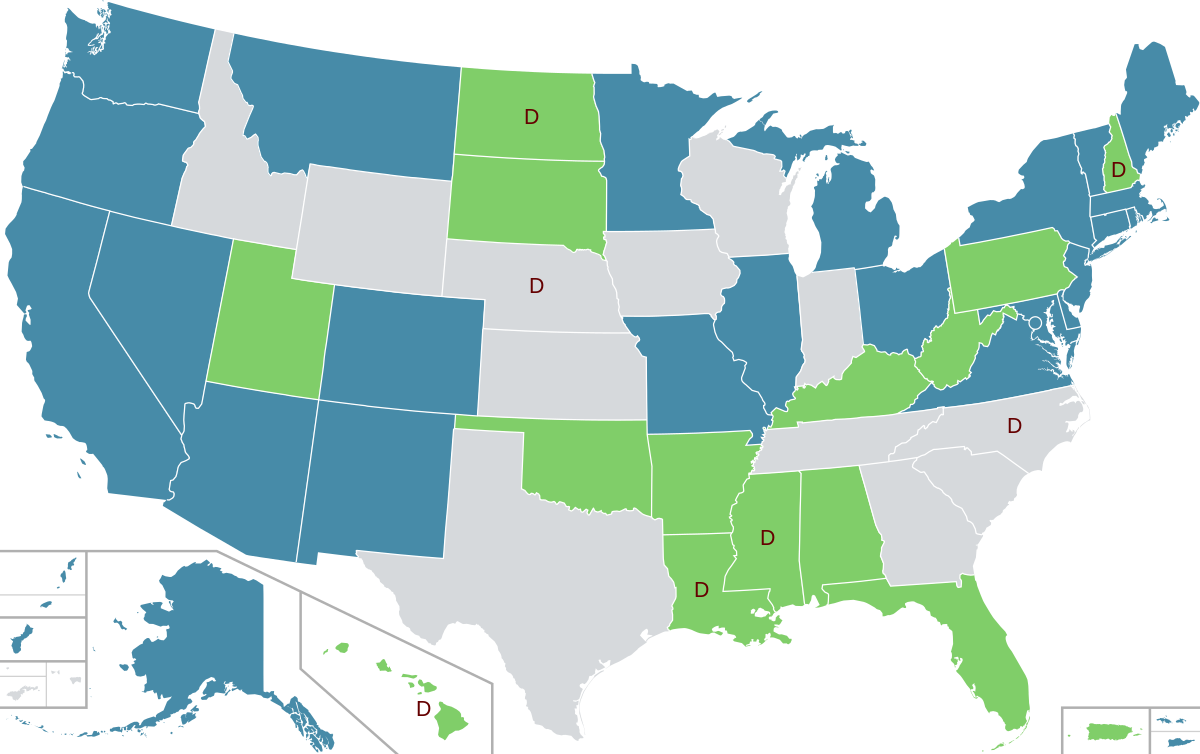
While medical marijuana is established, the concept of “legalizing weed” for recreational purposes is a different beast entirely. Full recreational legalization would mean adults could legally possess, purchase, and consume cannabis without a medical recommendation, similar to alcohol. Louisiana has not yet reached this stage, but it has taken steps toward decriminalization.
Decriminalization means that while cannabis possession remains illegal, the penalties for possessing small amounts have been reduced, often to a civil infraction (like a traffic ticket) rather than a criminal charge involving jail time. In 2021, Louisiana passed a statewide bill that reduced penalties for possession of up to 14 grams (approximately half an ounce) of marijuana to a misdemeanor punishable by a fine of up to $100 for a first offense, without the threat of jail time. Many parishes and cities, most notably New Orleans, had already enacted their own local decriminalization ordinances prior to the statewide change, often with even more lenient penalties.
This distinction is critical for travelers. Decriminalization does not mean legalization. It means that while the consequences for minor possession are less severe, cannabis is still considered an illicit substance by law enforcement. Public consumption remains strictly prohibited, and purchasing recreational cannabis is illegal. Travelers should be aware that even in cities like New Orleans, where attitudes might seem more relaxed, possessing or consuming cannabis can still lead to fines and legal complications. The state’s legislative sessions frequently feature bills proposing full recreational legalization, reflecting ongoing debates and a growing public interest, but as of now, none have successfully passed into law.
Potential Impacts on Louisiana Tourism and Travel
The evolving cannabis landscape, even in its current state of medical legality and decriminalization, has significant implications for Louisiana’s vital tourism and travel industries. Should full recreational legalization eventually occur, these impacts would undoubtedly amplify, potentially reshaping how visitors experience the state.
A New Wave of Travelers: Cannabis Tourism
The rise of “cannabis tourism” is a well-documented phenomenon in states where recreational marijuana is legal, such as Colorado, California, and Nevada. This niche market attracts travelers specifically interested in exploring legal cannabis culture, from dispensaries and consumption lounges to cannabis-infused dining experiences and wellness retreats. If Louisiana were to fully legalize recreational cannabis, it could tap into this burgeoning market, drawing a new demographic of visitors alongside its traditional tourists.
Imagine a visitor to New Orleans enjoying a jazz performance in the French Quarter, followed by a visit to a legally licensed dispensary, or perhaps a cannabis-friendly cooking class exploring Cajun and Creole cuisine with a twist. This could offer a unique selling proposition, blending Louisiana’s already rich cultural offerings with a modern, burgeoning industry. Cities like Baton Rouge and Shreveport could also see new businesses catering to this market, creating jobs and stimulating local economies. The potential for cannabis tourism could broaden Louisiana’s appeal, attracting those who seek unique and progressive travel experiences.
Navigating the Legalities: What Travelers Need to Know
Regardless of the future, for now, travelers to Louisiana must be acutely aware of the existing legal framework. The most critical takeaway is that recreational cannabis is illegal. This means:
- No Recreational Purchase or Sale: It is illegal to purchase recreational cannabis from any source in Louisiana, whether from individuals or unlicensed vendors. The only legal purchases are via a medical marijuana recommendation from a Louisiana-licensed physician and from a state-licensed dispensary.
- Possession Limits: While decriminalized in many areas for small amounts, possessing cannabis without a medical recommendation is still illegal. Even small amounts can result in fines and legal trouble, especially for repeat offenses or larger quantities.
- Public Consumption is Prohibited: Even for medical marijuana patients, consumption in public spaces is generally not allowed. This includes streets, parks, restaurants, bars, and any common areas of hotels or accommodations.
- Driving Under the Influence (DUI): Operating a vehicle while impaired by cannabis is strictly illegal and carries severe penalties, similar to alcohol-related DUIs.
- Federal Law: It is crucial to remember that cannabis remains illegal under federal law. This means it is illegal to transport cannabis across state lines, even if both states have legalized it. It is also illegal to possess cannabis on federal property, including national parks, federal buildings, and airports, regardless of state laws. For travelers flying into or out of Louisiana, this federal prohibition at airports is especially important.
Travelers should always check the most current laws before their trip, as legislation can change rapidly. Reputable sources, such as official state government websites or legal counsel, are the best places for up-to-date information.
Economic Opportunities and Lifestyle Shifts
Should Louisiana move towards full recreational legalization, the economic benefits could be substantial. Tax revenues generated from cannabis sales could be directed towards public services, education, or infrastructure projects, mirroring the positive impacts seen in other legal states. New businesses, from cultivation facilities and processing plants to dispensaries and consumption venues, would create jobs and foster economic diversification. This could particularly benefit rural areas looking for new agricultural opportunities and urban centers seeking to expand their hospitality sectors.
Beyond economics, legalization could bring about significant lifestyle shifts. It could integrate cannabis more openly into aspects of local culture, potentially influencing everything from culinary experiences to entertainment. The stigma associated with cannabis might lessen, leading to more open discussions about its use and responsible consumption. For a state that prides itself on its unique way of life, from Mardi Gras celebrations to its vibrant music scene, the introduction of legal cannabis could add another layer to its multifaceted identity, attracting a more diverse array of visitors seeking unique experiences.
Preparing for the Future: Travel Tips and Considerations
For travelers considering a visit to Louisiana, staying informed and prepared is key, especially given the dynamic nature of cannabis laws. Even without full recreational legalization, the current medical program and decriminalization efforts warrant careful consideration.
Accommodation Choices and Cannabis Policies
One of the most immediate concerns for travelers regarding cannabis use, whether medical or potentially recreational, is accommodation. Currently, most hotels, resorts, and even many vacation rentals (like those found on platforms such as Airbnb) maintain strict no-smoking policies, which often extend to vaping and other forms of cannabis consumption, regardless of legality. This is due to a combination of factors, including federal laws, individual property policies, and the desire to maintain a certain environment for all guests.
For medical marijuana patients, it’s crucial to confirm the accommodation provider’s policy regarding cannabis use. While some may permit non-smoking forms of consumption (e.g., edibles) in private rooms, this is rare and should never be assumed. Future recreational legalization might lead to the emergence of “cannabis-friendly” hotels or designated consumption lounges within hospitality venues, similar to trends observed in Denver or Las Vegas. However, until such time, discretion and adherence to property rules are paramount. When booking accommodation, it is always advisable to directly contact the hotel or host to inquire about their specific cannabis policy if this is a concern for your lifestyle or medical needs.
Exploring Louisiana’s Attractions Responsibly
Louisiana’s attractions are world-renowned, from the historical Garden District of New Orleans to the natural wonders of its swamps and bayous. Enjoying these landmarks and experiences responsibly means adhering to all local and state laws, including those related to cannabis. Public consumption of cannabis is illegal and can lead to fines, even in decriminalized areas. This applies to all public spaces, including streets, parks, beaches, and entertainment venues.
For medical patients, discreet consumption in private settings is the only legal option. Travelers should exercise caution and respect local customs. When exploring iconic landmarks or engaging in cultural activities such as a Mardi Gras parade or a swamp tour, the focus should remain on the experience itself and compliance with all laws. Engaging with Louisiana’s vibrant culture and friendly locals is best done with a clear understanding of the legal landscape, ensuring that your travel experience is memorable for all the right reasons.
In conclusion, while Louisiana has not yet fully legalized recreational weed, it has made significant strides with a robust medical marijuana program and statewide decriminalization for small amounts. These changes reflect a progressive shift and undoubtedly lay the groundwork for potential future reforms. For travelers, this means staying informed about the current laws, respecting local regulations, and exercising caution, especially concerning public consumption and purchasing. Louisiana remains an incredibly rich and rewarding destination for all types of travelers, offering everything from historic landmarks and culinary delights to thrilling experiences and a vibrant lifestyle. By understanding and respecting its evolving cannabis laws, visitors can ensure a legal, safe, and truly unforgettable journey through the heart of the Deep South.
LifeOutOfTheBox is a participant in the Amazon Services LLC Associates Program, an affiliate advertising program designed to provide a means for sites to earn advertising fees by advertising and linking to Amazon.com. Amazon, the Amazon logo, AmazonSupply, and the AmazonSupply logo are trademarks of Amazon.com, Inc. or its affiliates. As an Amazon Associate we earn affiliate commissions from qualifying purchases.