
Understanding the time in California is far more than just knowing the current hour. For any traveler, whether planning a luxurious escape, a budget-friendly adventure, or a comprehensive tour of its iconic landmarks, grasping the nuances of the Golden State’s time zones is fundamental. From coordinating flights and hotel check-ins to scheduling visits to world-renowned attractions and managing jet lag, time is an invisible thread that weaves through every aspect of your California experience.
California, a land of diverse landscapes stretching from sun-drenched beaches to snow-capped mountains and bustling metropolises, operates on a single time zone, simplifying intra-state travel but introducing complexities for visitors arriving from other parts of the United States or across the globe. This article delves into the specifics of California’s time, exploring its practical implications for travel planning, tourism activities, accommodation logistics, and how it shapes the overall lifestyle of a trip to this vibrant state. Prepare to synchronize your watches and maximize every precious moment in the Golden State.
Navigating California’s Time Zones: PST and PDT
At its core, understanding the time in California begins with its official time zone. The state primarily observes Pacific Standard Time (PST) during the winter months and Pacific Daylight Time (PDT) during daylight saving periods. This annual shift, common across many parts of the world, can significantly impact travel plans if not accounted for.
Understanding Pacific Standard Time (PST) and Pacific Daylight Time (PDT)
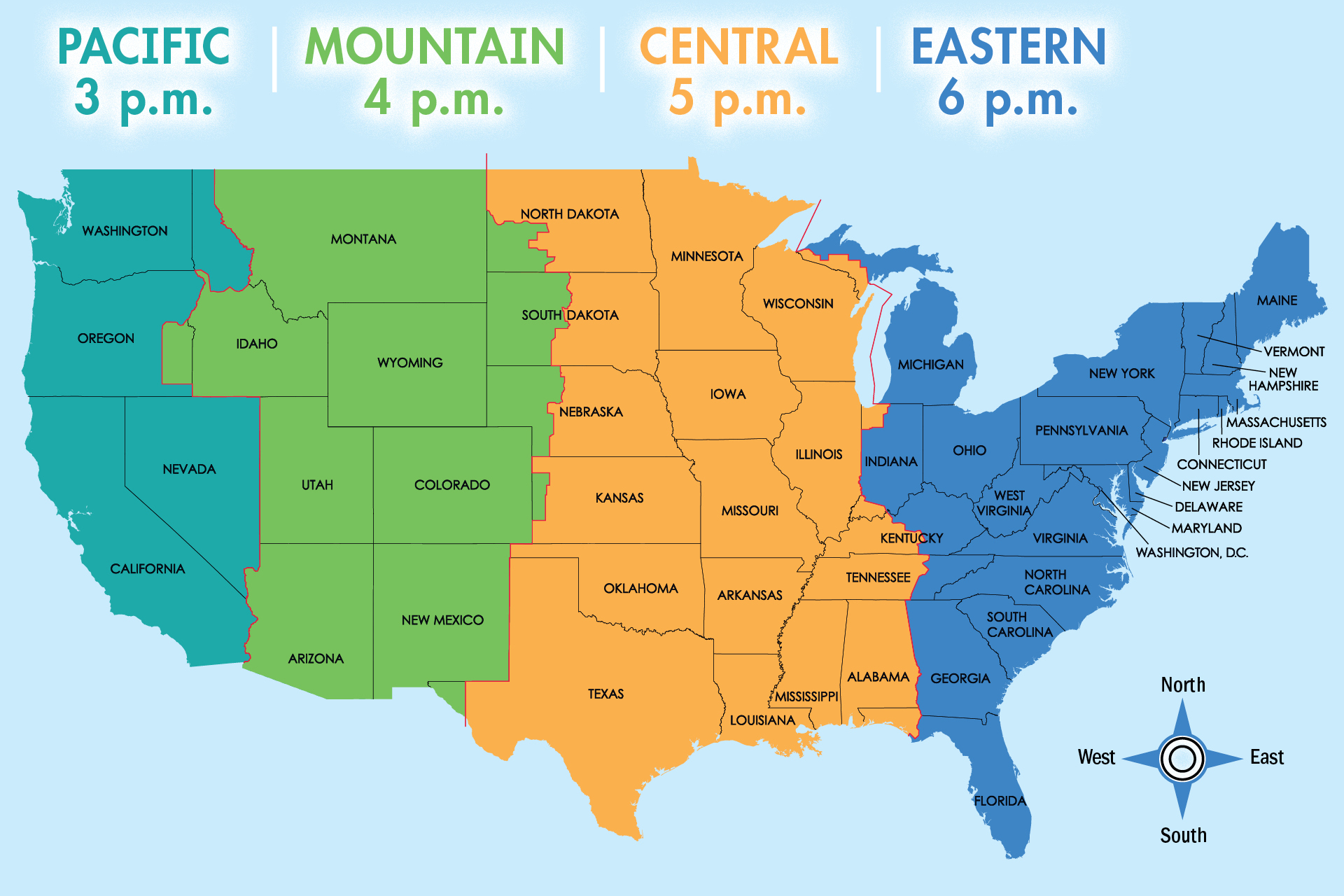
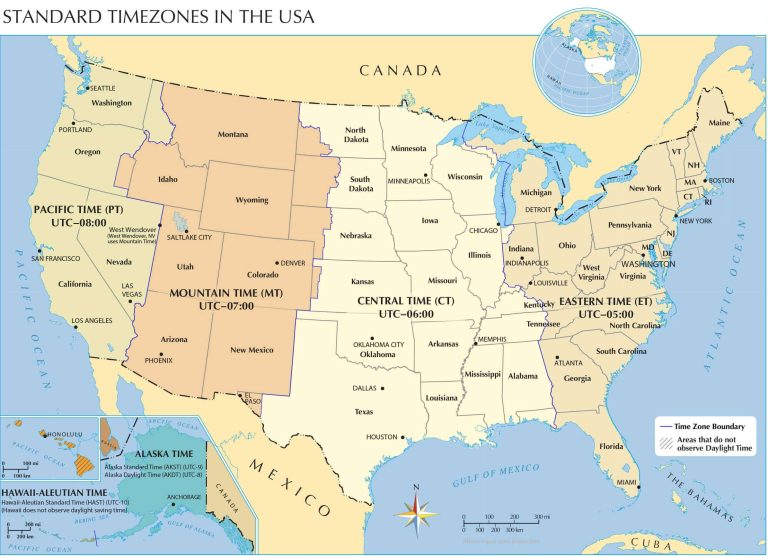
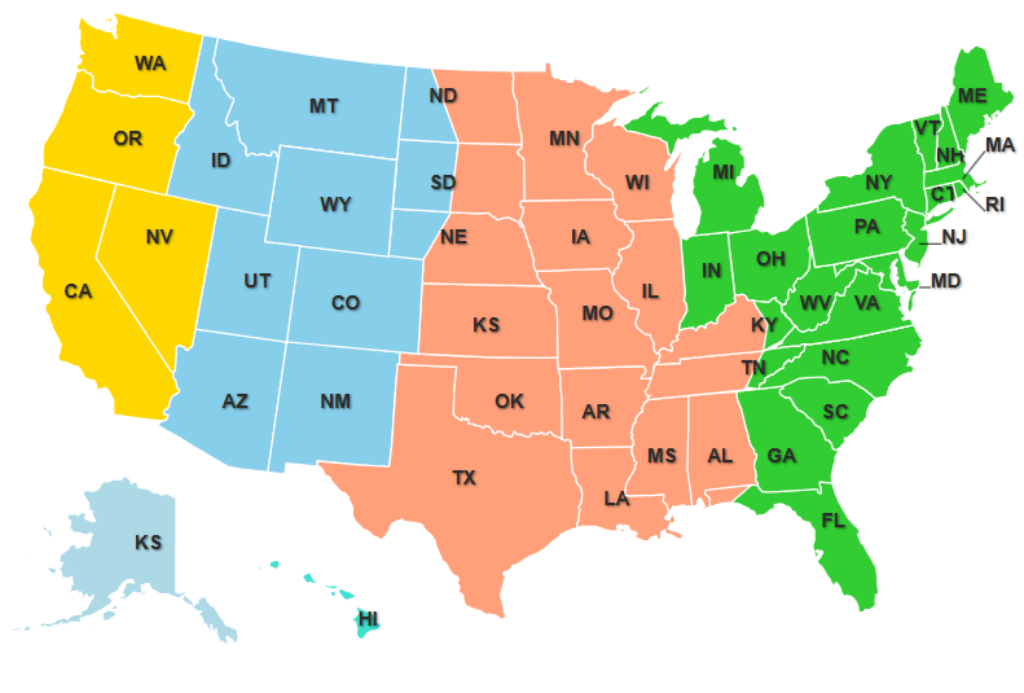
California is situated in the Pacific Time Zone. This means it operates 8 hours behind Greenwich Mean Time (GMT) during the standard time period, making it GMT-8. This is known as Pacific Standard Time (PST). When daylight saving time comes into effect, usually starting on the second Sunday in March and ending on the first Sunday in November, clocks are advanced by one hour. During this period, California observes Pacific Daylight Time (PDT), which is GMT-7.
For travelers coming from the East Coast of the United States, this translates to a three-hour time difference (e.g., 9 AM in Los Angeles is 12 PM in New York City). For international visitors, especially those from Europe or Asia, the time difference can be substantial, often 8 to 11 hours or more, depending on their origin. This seemingly simple fact carries profound implications for pre-trip planning and on-the-ground execution.
The Impact of Time Zones on Your Travel Plans
The time difference isn’t just a number; it’s a critical factor that can influence everything from your arrival experience to your daily itinerary.
- Flight Schedules and Hotels Check-ins: When booking flights, always confirm the local arrival and departure times. A flight departing at 6 PM from New York and arriving at 9 PM in Los Angeles might seem quick, but in reality, you’ve lost three hours of your day. Similarly, hotel check-in times are usually in the afternoon, often around 3 PM or 4 PM local time. If you arrive early due to an overnight flight from a different time zone, you might need to arrange for early check-in or make plans to store your luggage while you explore. Hotels like the Grand Hyatt Hotel or specific resorts often have flexible policies, but it’s best to confirm beforehand.
- Booking Tours and Attractions: Many popular attractions, from Disneyland in Anaheim to Alcatraz tours in San Francisco, operate on strict schedules and require advance bookings. Being aware of the local time ensures you don’t miss your slot or miscalculate opening hours. This is especially crucial for time-sensitive experiences like sunrise hikes or specific performance times.
- Communicating with People Outside California: If you need to stay in touch with family, friends, or colleagues in different time zones, keeping track of the local time in California is paramount to avoid inconvenient calls or missed connections.
- Jet Lag Prevention and Management: For those traveling long distances, especially across multiple time zones, jet lag can be a significant hurdle. Strategies include adjusting your sleep schedule gradually before departure, staying hydrated, avoiding excessive caffeine and alcohol, and exposing yourself to natural light upon arrival in California to help reset your circadian rhythm. Arriving mid-day can be beneficial, allowing you to stay awake until a reasonable local bedtime.
Timeless Experiences: Making the Most of Every Hour in California
Beyond the clock’s ticking, California offers experiences that feel both precisely timed and utterly timeless. From breathtaking natural spectacles that unfold with the sun to seasonal festivities, knowing when to be where is key to unlocking the state’s full potential.
Dawn to Dusk: Iconic Moments Across the Golden State
The Golden State is renowned for its diverse natural beauty, offering spectacular sights from the moment the sun peeks over the horizon until it dips below the Pacific.
- Sunrise: For early risers, catching the first light can be a magical experience. Imagine the serene beauty of dawn painting the peaks of Yosemite National Park or the otherworldly glow over the vast expanse of Death Valley National Park. These moments require early starts, often before 5 AM, but the reward is unparalleled photographic opportunities and a profound sense of tranquility.
- Sunset: California’s Pacific coastline is legendary for its sunsets. Popular spots like the Santa Monica Pier offer vibrant backdrops as the sun melts into the ocean, while the panoramic views from near the Golden Gate Bridge in San Francisco or along the dramatic cliffs of Big Sur provide equally stunning spectacles. These golden hours are also perfect for romantic strolls or family photo opportunities.
- Nightlife: As day turns to night, California’s cities come alive. West Hollywood in Los Angeles is famous for its vibrant bars and clubs, while San Francisco’s North Beach district offers a historic and lively atmosphere for evening entertainment. Planning your evenings to coincide with peak hours (usually 9 PM onwards) ensures you catch the full energy of these locales.
Seasonal Travel: When to Visit California for Optimal Experiences
The “best” time to visit California heavily depends on what kind of experience you’re seeking, as each season brings its own unique charm and considerations.
- Spring (March to May): This is arguably one of the most beautiful times to visit. Wildflowers carpet hillsides, especially around Antelope Valley and Carrizo Plain National Monument. The weather is generally mild and pleasant across the state, making it ideal for exploring cities and national parks before the summer crowds arrive. Napa Valley and Sonoma Wine Country burst into green, perfect for leisurely tours.
- Summer (June to August): This is peak tourist season, especially for coastal areas and national parks. Beaches like Santa Monica Beach and Coronado are bustling, and temperatures are warm. While excellent for outdoor activities and family trips to theme parks, be prepared for larger crowds and higher prices for hotels and flights. Booking well in advance is essential during this time.
- Fall (September to November): Often considered a ‘shoulder season,’ fall offers some of the best weather in California. The crowds thin out, especially after Labor Day. Wine Country experiences its harvest season, making it a fantastic time for vineyard tours and tastings. Deserts like those around Palm Springs become more hospitable as temperatures cool. This season is perfect for a blend of outdoor activities and cultural exploration.
- Winter (December to February): While much of the United States is cold, California offers diverse winter experiences. Skiing and snowboarding thrive in the Sierra Nevada mountains, particularly around Lake Tahoe and Mammoth Lakes. Coastal areas remain mild, offering opportunities for whale watching as grey whales migrate south. Desert regions like Palm Springs become popular retreats for those seeking warmth. Cities like San Diego enjoy comfortable temperatures year-round.
Seamless Journeys: Time Management for California’s Diverse Destinations
With its vast geographic spread and myriad attractions, effective time management is paramount for any California itinerary. From bustling urban centers to serene coastal highways, every destination requires a thoughtful allocation of your precious travel hours.
Urban Adventures and Coastal Retreats: Planning Your Schedule
California’s iconic cities and stunning coastlines demand strategic planning to avoid feeling rushed or missing key experiences.
- Los Angeles: This sprawling metropolis requires careful time budgeting. A typical day might involve a morning studio tour in Hollywood, an afternoon exploring museums at Exposition Park or shopping on Rodeo Drive in Beverly Hills, and an evening enjoying the Santa Monica sunset or dinner in Downtown LA. Remember that traffic can significantly impact travel times between districts, so account for extra buffer time.
- San Francisco: While smaller than Los Angeles, San Francisco is packed with attractions. A full day might encompass a morning visit to Alcatraz Island, an afternoon riding the famous cable cars and exploring Fisherman’s Wharf, followed by an evening culinary experience in North Beach. Walking tours are popular, but allow time for the city’s famous hills.
- San Diego: Known for its relaxed vibe, San Diego offers a blend of natural beauty and cultural attractions. A day could involve exploring the gardens and museums of Balboa Park in the morning, enjoying the beaches of La Jolla in the afternoon, and experiencing the vibrant nightlife of the Gaslamp Quarter in the evening.
- Coastal Road Trips (Highway 1): Driving along Highway 1 between San Francisco and Los Angeles is a quintessential California experience. While Google Maps might suggest a 9-10 hour drive, this scenic route is meant for multiple stops. Budget 2-3 days minimum to truly appreciate the dramatic cliffs of Big Sur, the charming towns of Carmel-by-the-Sea and Santa Barbara, and the numerous viewpoints along the way.
Accommodation and Logistics: Time-Sensitive Considerations
Smooth travel often hinges on meticulous planning around logistical details, many of which are time-sensitive.
- Hotel Booking and Policies: Always double-check check-in and check-out times for your hotels or apartments. Standard check-in is typically 3 PM or 4 PM, and check-out is 11 AM or 12 PM. If your flights arrive early or depart late, inquire about early check-in or late check-out options, or luggage storage facilities. Upscale properties like The Peninsula Beverly Hills or Ritz-Carlton Laguna Niguel might offer more flexibility for their guests.
- Restaurant Reservations: In popular dining destinations like Napa Valley, Beverly Hills, or San Francisco, sought-after restaurants can book up weeks or even months in advance. Making timely reservations, especially for evening meals or weekend brunches, is crucial to securing a table at your desired establishments.
- Transportation: California’s major cities are notorious for rush hour traffic. Planning your commutes to avoid peak times (generally 7 AM to 9 AM and 4 PM to 6 PM on weekdays) can save you significant time and frustration. Utilizing real-time navigation apps like Google Maps or Waze is highly recommended for accurate drive times and alternative routes. For longer distances, consider driving during off-peak hours or taking internal flights to maximize your sightseeing time.
- Using Apps for Real-Time Information: Download and use apps for public transportation schedules, ride-sharing services, and attraction wait times. Many California tourism boards and specific attractions offer their own apps with up-to-the-minute information, helping you make spontaneous decisions that fit your schedule.
A Lifestyle of Leisure and Precision: Embracing California Time
The concept of time in California extends beyond mere clock management; it influences the very rhythm of its lifestyle and the choices travelers make, whether seeking opulent retreats or spontaneous discoveries.
From Luxury Escapes to Budget-Friendly Adventures
Understanding the temporal dynamics of California is a strategic advantage for all types of travelers.
- Influencing Pricing: The ebb and flow of tourist seasons directly impact the cost of travel. Peak seasons (summer, holidays) inevitably mean higher prices for flights, hotels, and popular tours. Conversely, traveling during shoulder seasons (spring, fall) or off-peak times can unlock significant savings, allowing for more luxurious stays at a fraction of the cost or simply stretching a budget further. For instance, a suite at a premium resort like the Ritz-Carlton Laguna Niguel might be considerably more affordable in November than in July.
- Maximizing Time on a Budget: Budget travelers can strategically use time to their advantage. Early bird specials for tours, happy hour deals at restaurants, and visiting free attractions (like beaches, parks, or free museum days) at optimal, less crowded times can enhance the experience without breaking the bank. Family trips also benefit from timed planning, ensuring kids are entertained and rested, making the most of every hour.
- Business Stays: For those on business stays, managing time is critical. This includes scheduling meetings across time zones, allocating efficient travel between appointments in cities like San Jose or San Francisco, and even finding windows for leisure or networking. Business travelers often prioritize accommodation with excellent amenities and seamless booking to optimize their busy schedules.
Beyond the Clock: Living the California Dream
While precision in planning is valuable, a trip to California is also about embracing the moment and enjoying the unique pace of life.
- The Relaxed Pace vs. The Fast Pace: Depending on where you are, California can feel like a rush or a serene retreat. The bustling energy of Los Angeles or San Francisco demands a certain level of dynamism, while the tranquil vineyards of Napa Valley or the quiet beaches of Mendocino invite a slower, more contemplative experience. Embracing this duality is part of the California dream.
- Enjoying the “Timeless” Quality of Natural Beauty: Some of California’s greatest treasures, like the towering Redwood forests or the ancient landscapes of Joshua Tree National Park, offer a sense of timelessness. Here, the clock matters less than simply being present and absorbing the grandeur of nature, allowing for moments of introspection and wonder that transcend daily schedules.
- Reflecting on the Unique Appeal: Ultimately, understanding “what time is in California” becomes a metaphor for navigating its vast opportunities. It’s about being prepared for the practicalities of its time zones and seasonal shifts, while also being open to the spontaneity and diverse lifestyle experiences that make California such a captivating destination for travelers seeking destinations, attractions, and unforgettable experiences.
In conclusion, a successful journey through California is meticulously woven around the fabric of time. From adjusting your internal clock to Pacific Standard Time or Pacific Daylight Time, to strategically planning your urban explorations and coastal drives, every minute counts. By mastering the temporal landscape of the Golden State, you unlock a richer, more fulfilling travel experience, ensuring you not only see the landmarks but truly live the diverse lifestyle California has to offer. So set your watch, plan wisely, and prepare for an unforgettable adventure where every moment is an opportunity for discovery.
LifeOutOfTheBox is a participant in the Amazon Services LLC Associates Program, an affiliate advertising program designed to provide a means for sites to earn advertising fees by advertising and linking to Amazon.com. Amazon, the Amazon logo, AmazonSupply, and the AmazonSupply logo are trademarks of Amazon.com, Inc. or its affiliates. As an Amazon Associate we earn affiliate commissions from qualifying purchases.