
Texas, a state synonymous with vast landscapes, a vibrant cultural tapestry, and an independent spirit, often finds itself at the forefront of national discussions. From its booming tech hubs in Austin and Dallas to the energy giants of Houston and the historic charm of San Antonio, the Lone Star State offers an unparalleled array of experiences for travelers. But beyond its famous BBQ, live music, and diverse attractions, a quieter but significant conversation is gaining momentum: the potential legalization of cannabis. For those planning a trip, considering a move, or simply observing the evolving landscape of travel and lifestyle in the United States, understanding the current status and future trajectory of cannabis laws in Texas is becoming increasingly crucial.
The question “Is Texas legalizing weed?” is complex, touching upon state politics, public opinion, economic implications, and, most importantly for a travel and lifestyle platform like ours, the potential ripple effects on tourism, hospitality, and the overall visitor experience. While many states across the nation have embraced full recreational or extensive medical cannabis programs, Texas has historically maintained a more conservative stance. However, the winds of change are undeniably blowing, prompting travelers and residents alike to wonder what the future holds for this iconic destination.
This article delves into the current legal status of cannabis in Texas, explores the ongoing legislative efforts, and critically examines how potential changes could reshape the travel, tourism, and lifestyle landscape across the state. From the bustling city centers to the serene beauty of Big Bend National Park and the coastal allure of South Padre Island, every corner of Texas could see a shift in how visitors engage with its unique culture and offerings.
The Current Landscape: Cannabis Laws in Texas
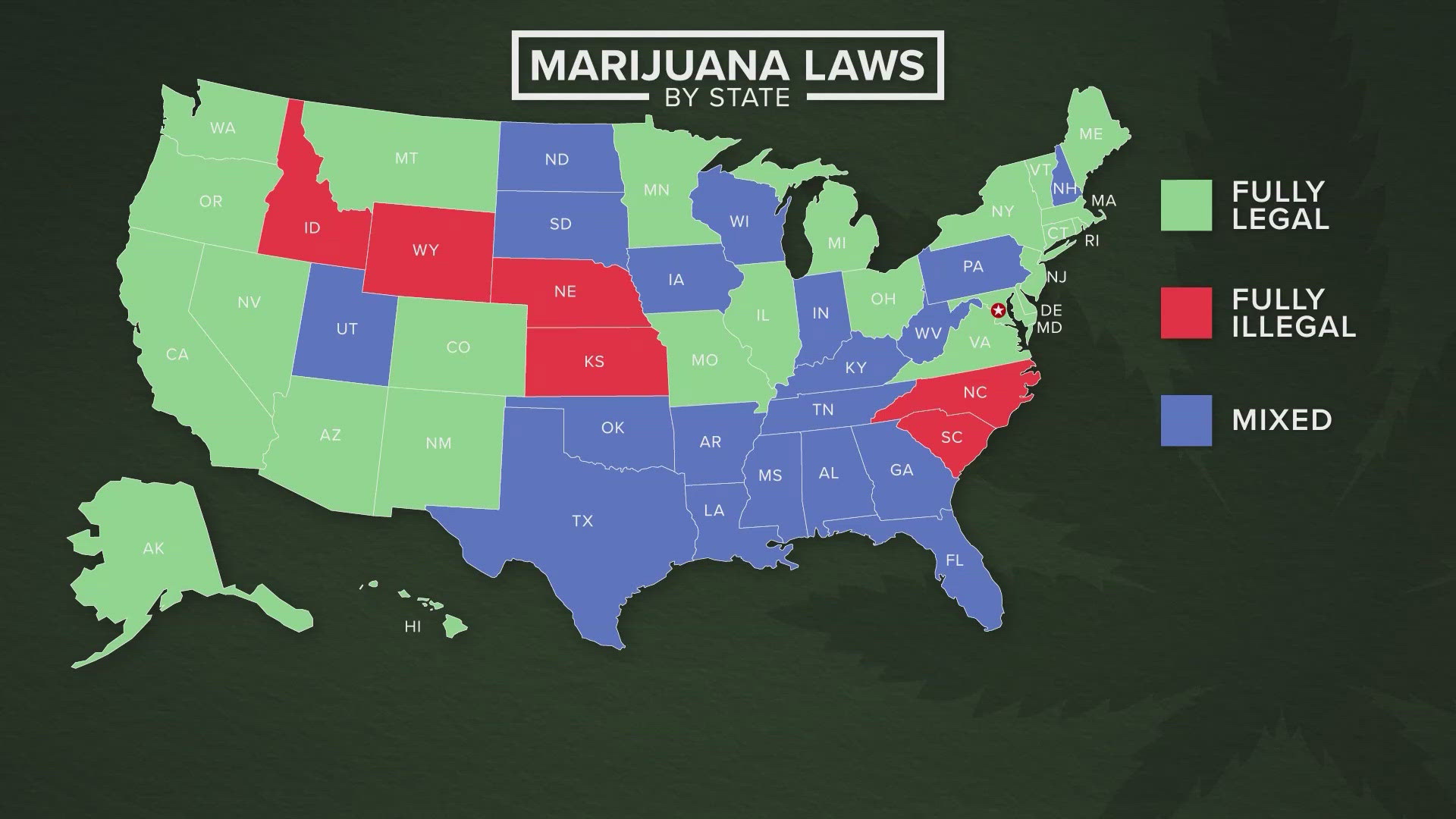
To understand where Texas might be headed, it’s essential to first grasp its current position regarding cannabis. Unlike states such as Colorado or California, where recreational cannabis is fully legal and widely accessible, Texas operates under a more restrictive framework. The state’s approach has been characterized by incremental changes, often focusing on medical use and decriminalization rather than outright legalization.
A Patchwork of Regulations: Decriminalization vs. Legalization
Currently, recreational cannabis remains illegal in Texas. Possession of even small amounts can lead to misdemeanor charges, fines, and potential jail time, though many local jurisdictions have implemented their own “cite and release” policies or significantly reduced penalties. This creates a confusing and often inconsistent legal landscape for both residents and visitors. For instance, in cities like Austin and Dallas, law enforcement agencies have largely deprioritized arrests for small amounts of marijuana, focusing instead on issuing citations. However, this is not uniform across all 254 counties, and travelers should be acutely aware that penalties can vary dramatically depending on where they are in the state.
The key distinction lies between decriminalization and legalization. Decriminalization reduces penalties for cannabis offenses, often treating them more like traffic tickets than serious crimes, but it doesn’t make the substance legal to buy or sell. Legalization, on the other hand, establishes a regulated market where cannabis can be legally produced, distributed, and sold, typically with age restrictions and taxation. Texas is still a long way from full recreational legalization, but decriminalization efforts continue to gain traction, primarily through local ordinances and legislative proposals.
Medical Cannabis: The Texas Compassionate Use Program
While recreational use is restricted, Texas does have a limited medical cannabis program known as the Texas Compassionate Use Program (TCUP). Initially established in 2015, TCUP was very narrow, covering only intractable epilepsy. Over the years, the program has expanded to include a growing list of qualifying conditions, such as multiple sclerosis, spasticity, autism, terminal cancer, and neurological disorders. Patients with these conditions, prescribed by a qualified physician, can access low-THC cannabis products (typically defined as less than 0.5% tetrahydrocannabinol by weight).
It’s important to note that TCUP is far more restrictive than medical cannabis programs in other states. It focuses on low-THC products, and cannabis flower remains explicitly illegal under the program. For travelers accustomed to broader medical cannabis access in their home states, the limitations of TCUP can be surprising. This narrow scope means that medical cannabis tourism, as seen in states with more liberal programs, is not a significant factor in Texas’s current tourism landscape. Any future expansion of TCUP or move towards broader legalization would undoubtedly change this dynamic.
The Potential Impact on Texas Tourism and Travel
Should Texas move towards more comprehensive cannabis legalization, the implications for its thriving tourism and travel industries would be profound. Texas is a magnet for millions of visitors annually, drawn by its diverse attractions, vibrant cities, and unique cultural experiences. Legalization could introduce new tourism segments, reshape existing ones, and necessitate significant adaptations across the hospitality sector.
Attracting New Visitors: The Rise of Cannabis Tourism
One of the most immediate effects of cannabis legalization in other states has been the emergence of “cannabis tourism.” This niche market comprises travelers specifically seeking destinations where they can legally purchase and consume cannabis, often combining it with other leisure activities. For Texas, a state already boasting a rich array of attractions – from the live music capital of Austin and the historic Alamo in San Antonio to the NASA Space Center Houston and the vast natural beauty of its state parks – adding legal cannabis could create a powerful new draw.
Imagine visitors exploring a distillery tour in Fredericksburg, followed by a visit to a sophisticated cannabis dispensary. Or perhaps enjoying a vibrant music festival in Austin, with legal access to cannabis products. This new demographic of tourists could boost local economies, particularly in areas near the Mexican Border or in bustling urban centers, driving demand for specialized tours, events, and related services. It could also open up opportunities for cannabis-infused dining experiences, wellness retreats, and unique cultural events, further diversifying Texas’s tourism portfolio.
How Accommodations Might Adapt: From Hotels to Resorts
The hospitality sector would be among the first to feel the effects of legalization. Currently, most hotels in Texas maintain strict non-smoking policies that often extend to cannabis. With legalization, a new category of cannabis-friendly accommodations might emerge. We’ve seen this in states like Colorado and California, where some hotels offer designated consumption areas, specialized suites, or even cannabis-centric amenities.
- Hotels and Resorts: Major hotel chains would likely need to develop clear policies regarding on-premise consumption. Some might opt for designated outdoor smoking areas, while others might explore “420-friendly” rooms equipped with air filtration systems. Boutique hotels and luxury resorts could find a niche in offering high-end cannabis experiences, perhaps partnering with local dispensaries for curated selections or incorporating cannabis into spa treatments and wellness programs.
- Short-Term Rentals: Platforms like Airbnb already grapple with varied cannabis policies in legal states. In Texas, legalization could lead to an increase in hosts explicitly advertising cannabis-friendly properties, particularly in popular tourist destinations like Austin’s South Congress Avenue or San Antonio’s Riverwalk districts.
- Impact on Existing Guests: Hotels would need to balance the desires of cannabis consumers with the comfort of guests who prefer a cannabis-free environment. Clear communication about policies and designated areas would be paramount to ensure a pleasant stay for all visitors, whether they are on a luxury travel adventure or a budget travel exploration.
Culinary and Cultural Shifts: Beyond Traditional Texas Experiences
Texas’s culinary scene is world-renowned, famous for its BBQ, Tex-Mex, and diverse international flavors. Legal cannabis could introduce new dimensions to this vibrant food culture. Edibles, cannabis-infused beverages, and sophisticated dining experiences pairing gourmet food with specific cannabis strains could become a fixture, especially in cities known for their culinary innovation like Houston and Austin.
Culturally, cannabis could integrate into Texas’s vibrant arts and entertainment scene. Picture cannabis-friendly art galleries, music venues, or even wellness centers offering cannabis-enhanced yoga or meditation classes. Festivals and events, a cornerstone of Texas tourism, might adapt to include legal cannabis consumption areas, similar to how alcohol is managed. This would not only enhance the visitor experience but also position Texas as a progressive and dynamic lifestyle destination.
Navigating a Changing Environment: Tips for Travelers
Even as the legal landscape potentially shifts, travelers to Texas will need to remain informed and prepared. Responsible travel, especially concerning substances, is always key to a safe and enjoyable trip.
Understanding Local Ordinances and Responsible Consumption
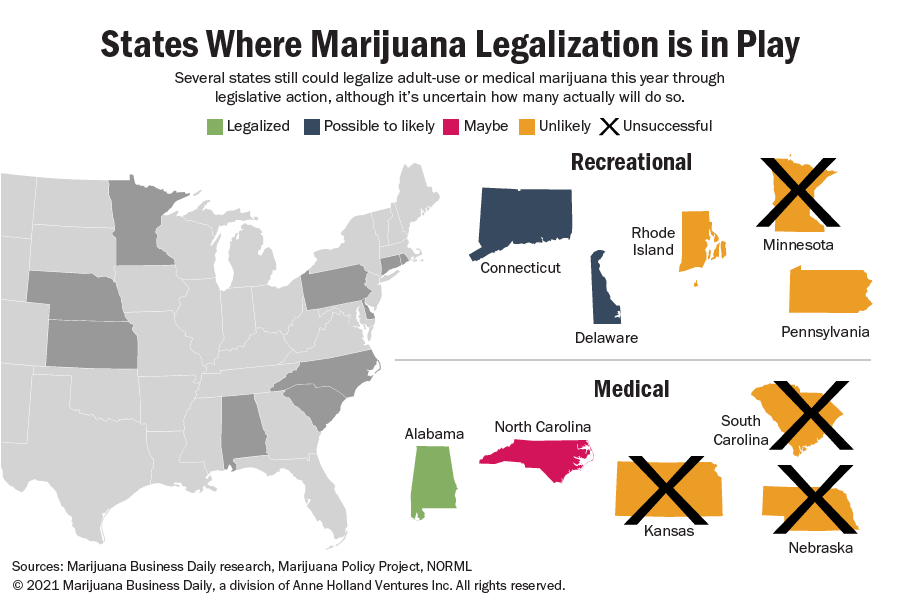
If Texas does legalize cannabis, it’s highly probable that local jurisdictions will retain some autonomy over specific regulations. Travelers should always research the local laws of their specific destination within Texas, whether it’s El Paso, Galveston, or the state capital, Austin. Public consumption, driving under the influence, and purchasing limits are common areas where regulations can vary significantly.
For those planning to partake, responsible consumption is paramount. This includes understanding dosage, avoiding public consumption where prohibited, and never driving while impaired. Just as one wouldn’t drink and drive, the same caution applies to cannabis. Additionally, travelers should be aware of federal laws, as cannabis remains federally illegal. This means that transporting cannabis across state lines, even between two legal states, is prohibited and could lead to serious legal consequences. Air travel with cannabis is also generally forbidden.
Planning Your Texas Itinerary: Where to Go, What to See
Regardless of cannabis laws, Texas offers an incredible array of experiences. For those interested in the evolving cannabis scene, future itineraries might include:
- Urban Exploration: Cities like Austin, Dallas, and Houston are likely to be epicenters of cannabis-friendly businesses, from dispensaries to consumption lounges and specialty dining. These cities also offer world-class shopping, museums, and entertainment.
- Cultural Immersion: Explore the unique blend of cultures in San Antonio with its historic missions and vibrant Riverwalk, perhaps with cannabis-friendly events integrated into its rich festival calendar.
- Nature Escapes: The state’s vast natural parks, from the rugged beauty of Big Bend National Park to the tranquil Texas Hill Country, offer breathtaking backdrops for relaxation. Visitors should, however, always respect park rules regarding consumption and public behavior.
- Coastal Retreats: Destinations like South Padre Island could see a boost in tourism with the introduction of beachside cannabis amenities, catering to those seeking relaxation with legal access.
When planning your trip, consider using reputable booking platforms for accommodation, reading recent reviews, and comparing options to find hotels or rentals that align with your preferences, whether that includes cannabis-friendly policies or not.
Comparing Texas to Other Legalized States
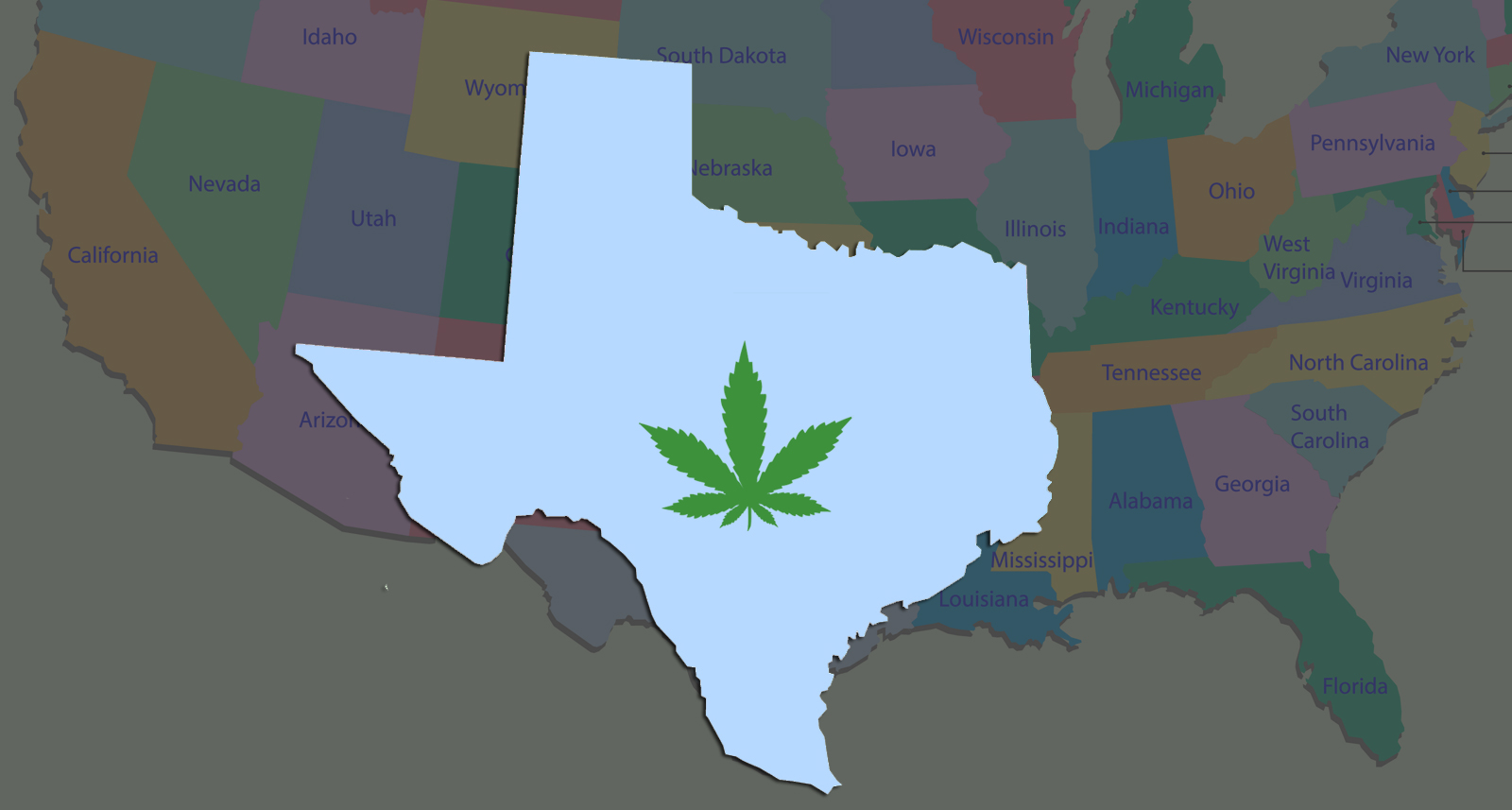
Looking at states that have already legalized recreational cannabis provides a blueprint for what Texas might expect. The experiences of Colorado, California, Nevada, Oregon, and Washington, among others, offer valuable insights into the potential economic, social, and cultural transformations.
Lessons from Colorado, California, and Beyond
States like Colorado were pioneers in recreational legalization, demonstrating how a regulated market could generate significant tax revenue, create jobs, and attract new forms of tourism. Denver became a hub for cannabis tourism, with dispensaries, consumption lounges, and even cannabis cooking classes. California, with its enormous population and existing counter-culture, rapidly developed a sophisticated cannabis industry, integrating it into its luxury travel and wellness scenes, particularly in areas like Los Angeles and San Francisco.
From these examples, Texas could learn several key lessons:
- Economic Boom: Legalization often leads to a significant increase in tax revenue, which can be channeled into public services. It also creates a new industry with jobs in cultivation, processing, retail, and tourism.
- Tourism Growth: Cannabis-friendly destinations experience an uptick in visitors specifically drawn by legal access. This often complements existing tourism, rather than replacing it.
- Regulatory Challenges: States have faced challenges in establishing robust regulatory frameworks, ensuring public safety, and addressing issues like impaired driving and youth access.
- Social Acceptance: Over time, social acceptance of cannabis tends to increase, leading to a more normalized integration into daily life and culture.
For Texas, a state known for its powerful economy and independent spirit, the potential economic benefits could be a strong motivator for legislative change. The challenge would be to craft regulations that respect its unique cultural identity while creating a safe and profitable market.
In conclusion, while Texas has not yet legalized recreational cannabis, the conversation is intensifying. The trajectory of cannabis laws across the United States suggests that change in the Lone Star State may be a matter of “when” not “if.” For travelers, this evolving landscape presents both potential new opportunities for unique experiences and a continued need for vigilance regarding local laws. As Texas navigates this complex issue, it will undoubtedly remain a fascinating destination, continuously adapting its offerings to cater to the diverse preferences of both its residents and its millions of visitors. Whether you’re planning a family trip, a business stay, or a luxury travel adventure, keeping an eye on the legislative developments in the Capitol Building in Austin will be key to understanding the future of lifestyle and travel in this dynamic state.
LifeOutOfTheBox is a participant in the Amazon Services LLC Associates Program, an affiliate advertising program designed to provide a means for sites to earn advertising fees by advertising and linking to Amazon.com. Amazon, the Amazon logo, AmazonSupply, and the AmazonSupply logo are trademarks of Amazon.com, Inc. or its affiliates. As an Amazon Associate we earn affiliate commissions from qualifying purchases.