
When planning a trip to any destination, understanding the local time is often the very first practical consideration, especially for international travelers or those crossing multiple time zones. For the vibrant and ever-evolving city of Detroit, the question “What time is it in Detroit?” is more than just a quick check; it’s the gateway to coordinating your journey and immersing yourself in all that the Motor City has to offer. Situated in the heart of the Midwest of the United States, Detroit operates within the Eastern Time Zone (ET). This crucial piece of information sets the stage for everything from flight schedules and hotel check-ins to restaurant reservations and attraction visiting hours.
But beyond the simple answer to a time zone query, exploring Detroit means delving into a city rich with history, innovation, and a palpable sense of resurgence. From its iconic automotive heritage and legendary music scene to its burgeoning culinary landscape and architectural marvels, Detroit offers a diverse array of experiences for every type of traveler. This article will not only clarify the time in Detroit but also guide you through the exciting travel, tourism, accommodation, landmark, and lifestyle opportunities that await in this truly unique urban destination.
Navigating Time Zones: Your First Step to Visiting Detroit
Understanding the time zone in Detroit is fundamental for seamless travel planning, particularly if you’re traveling from a different part of the world or even just a neighboring region within North America.
Understanding Eastern Time (ET)
Detroit, like the majority of Michigan, adheres to the Eastern Time Zone. This means that during the standard winter months, it observes Eastern Standard Time (EST), which is UTC-5. When Daylight Saving Time is in effect during the warmer months, Detroit switches to Eastern Daylight Time (EDT), which is UTC-4. This places Detroit on the same time as major cities like New York, Toronto, and Florida, and one hour ahead of cities in the Central Time Zone (like Chicago) and two hours ahead of those in the Mountain Time Zone (like Denver).
The proximity of Detroit to the Canadian border, specifically to Windsor, Ontario, also means that both cities share the same time zone, simplifying cross-border travel via the Ambassador Bridge or the Detroit-Windsor Tunnel. For travelers from adjacent states like Ohio and Indiana, most of which also observe ET, the transition to Detroit is straightforward.
Daylight Saving Time in Michigan
Michigan, including Detroit, observes Daylight Saving Time. This annual shift typically occurs on the second Sunday in March, when clocks “spring forward” one hour, moving from EST to EDT. They then “fall back” one hour on the first Sunday in November, returning to EST. This adjustment means that if you’re visiting during these transition periods, it’s essential to confirm the precise time to avoid missing appointments or flights. Most modern devices automatically adjust, but it’s always wise to double-check.
Planning Your Arrival: Time Zone Considerations for Travelers
For those flying into Detroit Metropolitan Wayne County Airport (DTW), knowing the local time allows you to accurately predict your arrival and plan your ground transportation. It impacts everything from coordinating airport pickups to scheduling initial tours. Business travelers, in particular, will find this crucial for aligning meetings and conferences. Adjusting to the time difference upon arrival can take a day or two, so factor in some downtime to acclimate, especially if you’re arriving from distant time zones. Staying hydrated and getting enough rest can significantly mitigate the effects of jet lag, ensuring you’re refreshed and ready to explore Detroit.
Beyond the Clock: Experiencing Detroit’s Vibrant Resurgence
Once you’ve set your watch to Detroit time, a world of compelling experiences unfolds. The city, once synonymous with its industrial past, has undergone a remarkable transformation, blending its rich heritage with a dynamic, forward-looking spirit.
Iconic Landmarks and Automotive Heritage
Detroit’s identity is inextricably linked to the automotive industry. A visit here is incomplete without immersing yourself in this legacy. The Henry Ford Museum of American Innovation and Greenfield Village offer an unparalleled journey through American ingenuity, showcasing historic vehicles, presidential limousines, and pioneering inventions. You can even take the Ford Rouge Factory Tour for an insider look at modern automobile manufacturing. The Automotive Hall of Fame, located in Dearborn, further celebrates the titans and innovations of this industry.
Beyond cars, Detroit boasts an array of other significant landmarks. The Motown Museum, housed in the legendary Hitsville U.S.A. building, is a pilgrimage site for music lovers, offering a glimpse into the birthplace of a sound that changed the world. Downtown, architectural masterpieces like the art deco Guardian Building and the opulent Fox Theatre stand as testaments to the city’s past grandeur. The Fisher Building in the New Center area is another stunning example of classic Detroit architecture, often referred to as “Detroit’s largest art object.”
A Thriving Arts, Culture, and Music Scene
Detroit’s cultural landscape is as diverse as its history. The Detroit Institute of Arts (DIA) is a world-class institution, home to an impressive collection spanning centuries and cultures, including Diego Rivera’s iconic “Detroit Industry Murals.” For those interested in the city’s narrative, the Detroit Historical Museum and the Charles H. Wright Museum of African American History provide profound insights into the people and events that shaped Detroit.
The music scene continues to thrive, honoring its jazz, blues, and techno roots while fostering new talents. Venues like the Fox Theatre, Fillmore Detroit, and Saint Andrew’s Hall host a constant stream of concerts and performances. Live music is an integral part of the Detroit experience, from intimate jazz clubs in Midtown to pulsating electronic music festivals. The former Michigan Theatre, now a parking garage, serves as a hauntingly beautiful reminder of Detroit’s architectural cycles.
Culinary Delights and Entertainment Districts
Detroit’s culinary scene has exploded in recent years, drawing national attention for its innovation and diversity. From farm-to-table restaurants leveraging produce from the historic Eastern Market to acclaimed fine dining establishments, there’s something to satisfy every palate. Explore neighborhoods like Corktown for trendy eateries and classic pubs, or visit Greektown for authentic Mediterranean cuisine and lively casino entertainment at places like Greektown Casino-Hotel. Craft breweries and distilleries are also flourishing, offering unique local flavors.
For entertainment, Detroit provides a vibrant nightlife, numerous sports venues for its professional teams (Red Wings, Pistons, Tigers, Lions), and popular gathering spots like Campus Martius Park, which transforms into a bustling ice-skating rink in winter and a lively green space in summer. The Detroit Riverwalk offers scenic views of the Detroit River and Windsor, Canada, perfect for a leisurely stroll or bike ride, leading to attractions like Belle Isle Park, an urban oasis designed by Frederick Law Olmsted.
Where to Stay and How to Explore: Accommodation and Travel Tips
Making the most of your Detroit experience involves choosing the right accommodation and understanding the best ways to navigate the city.
Diverse Accommodation Options for Every Traveler
Detroit’s resurgence has brought with it an impressive array of accommodation options, catering to various preferences and budgets. For luxury travelers, the downtown area offers opulent choices like the Shinola Hotel, renowned for its bespoke design and amenities, or The Siren Hotel, housed in the historic Wurlitzer Building. Grand casino hotels such as MGM Grand Detroit and MotorCity Casino Hotel combine lavish stays with entertainment.
Business travelers often opt for hotels that provide convenience and comprehensive services, such as the Detroit Marriott at the Renaissance Center, located within the iconic riverfront skyscraper complex. Boutique hotels are increasingly popular, offering unique character and personalized service, often in renovated historic buildings. For budget-conscious travelers, there are numerous reputable hotel chains and independent options across the city and surrounding areas that provide comfortable and affordable stays. Many hotels also offer extended-stay suites, perfect for those planning a longer visit or relocation.
When selecting accommodation, consider the neighborhood. Downtown puts you at the heart of the action, close to many attractions and the business district. Midtown is ideal for arts and culture enthusiasts, being near the DIA and Wayne State University. Corktown offers a historic charm with a burgeoning food scene. Reviews and comparison websites are invaluable tools for finding the perfect fit for your travel style and needs.
Getting Around the Motor City
Navigating Detroit is relatively easy, though the sprawling nature of the city means a multi-modal approach is often best. While Detroit is known as the Motor City, having a car provides the most flexibility, especially for visiting attractions outside the downtown core. Parking is generally available, though it may be paid in central areas.
Public transportation options are improving. The QLine streetcar runs along Woodward Avenue, connecting downtown, Midtown, and the New Center area, making it convenient for accessing many cultural institutions and entertainment venues. The People Mover, an elevated automated transit system, circles the central business district, offering quick access between hotels, the convention center, and sports stadiums. Ride-sharing services like Uber and Lyft are readily available, as are traditional taxi services. For those who enjoy active travel, bike-sharing programs are accessible, and the Detroit Riverwalk provides excellent cycling paths.
Lifestyle Travel: From Luxury Stays to Budget-Friendly Adventures
Detroit caters to a wide spectrum of lifestyle travel. For those seeking luxury, the city delivers with high-end hotels, exclusive dining experiences, and bespoke tours. Business travelers will find state-of-the-art conference facilities and professional services to meet their needs. Families can enjoy numerous kid-friendly attractions, parks like Belle Isle Park with its aquarium and conservatory, and museums tailored for all ages.
Budget travelers will appreciate the value Detroit offers, with affordable accommodation, delicious street food, and many free or low-cost attractions such as public art installations, parks, and self-guided historical walks. Whether you’re planning a romantic getaway, a solo adventure, or a group exploration, Detroit’s diverse offerings ensure a memorable experience that aligns with your desired travel style. The city’s vibrant community and entrepreneurial spirit also mean there are always new experiences emerging, from pop-up markets at Eastern Market to unique art installations in former industrial spaces.
Planning Your Detroit Journey: Essential Travel Information
Beyond understanding the local time and exploring the multitude of attractions, a few final tips will help you plan an unforgettable trip to Detroit.
Best Times to Visit
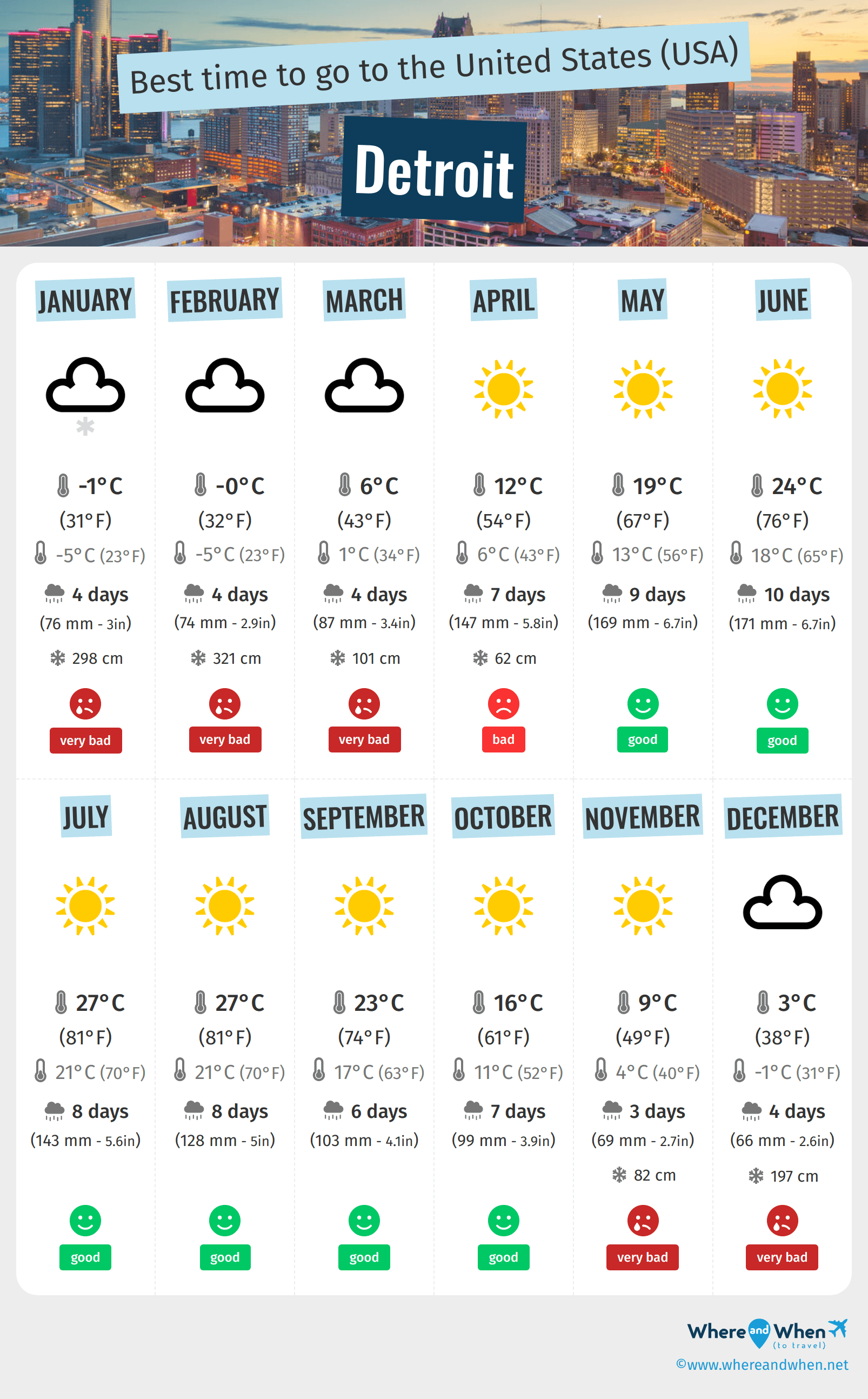
Detroit experiences four distinct seasons, each offering a different charm. Late spring (May-June) and early autumn (September-October) are often considered the best times to visit, with pleasant temperatures perfect for walking tours, outdoor events, and enjoying the Great Lakes region. Summers (July-August) can be warm and humid but are packed with festivals, concerts, and outdoor dining opportunities. Winters (November-April) are cold and snowy, creating a picturesque landscape, especially around Campus Martius Park with its holiday festivities and ice skating. If you’re planning around specific events like the Detroit Jazz Festival or the North American International Auto Show, be sure to book your accommodation well in advance.
Practical Tips for a Memorable Trip
- Book in Advance: Especially for popular hotels, major events, or high season, securing your accommodation and any must-do tours in advance is highly recommended.
- Stay Connected: Public Wi-Fi is available in many establishments, but having a local SIM card or an international roaming plan can be invaluable for navigation and communication.
- Explore Neighborhoods: Don’t limit yourself to downtown. Each neighborhood, from Corktown to Midtown and Eastern Market, offers its own unique flavor and attractions.
- Engage with Locals: Detroiters are known for their resilience and hospitality. Strike up conversations, ask for recommendations, and you’ll discover hidden gems and authentic experiences.
- Safety First: Like any major city, it’s wise to be aware of your surroundings, especially at night. Stick to well-lit, populated areas and use reputable transportation services.
- Embrace the Spirit: Detroit is a city of innovation, art, and community. Approach your visit with an open mind, and you’ll uncover the true heart and soul of this remarkable destination.
So, while “What time is it in Detroit?” might initiate your journey, it’s the rich tapestry of experiences awaiting you in the Eastern Time Zone that will truly define your adventure in this magnificent Motor City. Enjoy your trip!
LifeOutOfTheBox is a participant in the Amazon Services LLC Associates Program, an affiliate advertising program designed to provide a means for sites to earn advertising fees by advertising and linking to Amazon.com. Amazon, the Amazon logo, AmazonSupply, and the AmazonSupply logo are trademarks of Amazon.com, Inc. or its affiliates. As an Amazon Associate we earn affiliate commissions from qualifying purchases.