
Louisiana, often celebrated for its vibrant culture, rich history, and unparalleled culinary scene, attracts millions of visitors each year. From the bustling streets of New Orleans to the serene bayous of Cajun Country, the Pelican State offers a diverse range of experiences for every type of traveler. However, as with any destination, understanding local laws and customs is paramount for a safe and enjoyable trip. A common question that arises for those planning a visit, especially from other states or countries, pertains to firearm regulations: specifically, “Is Louisiana open carry?”
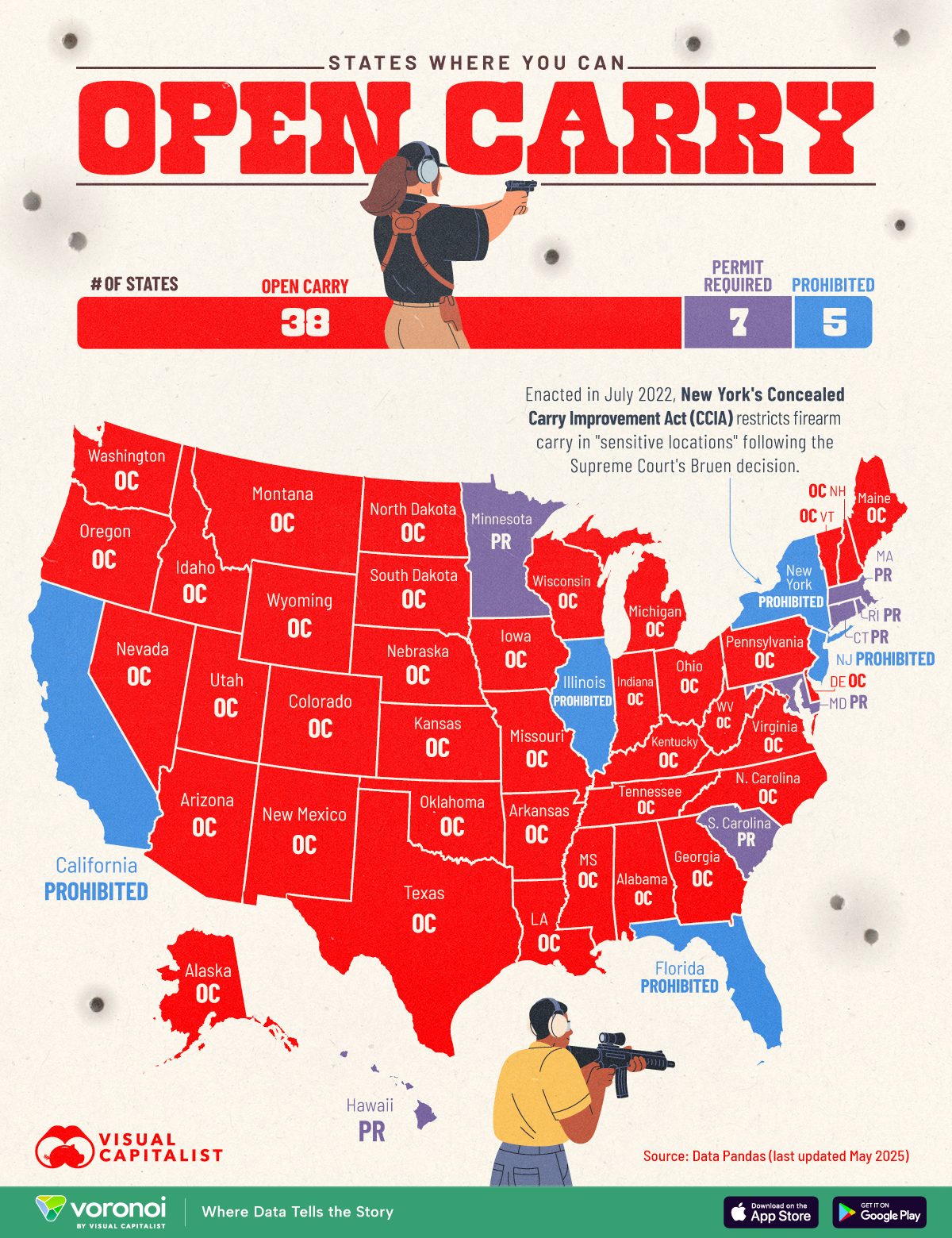
The answer, in broad strokes, is yes. Louisiana is generally an open-carry state, meaning that individuals who are legally allowed to possess a firearm can typically carry it openly in public spaces without a permit. However, the nuances and restrictions associated with this law are crucial for both residents and visitors to comprehend. For travelers exploring destinations, booking accommodation, or engaging in local tourism activities, understanding these regulations is not just about legal compliance, but also about ensuring peace of mind and respecting the local environment. This comprehensive guide will delve into Louisiana’s open carry laws, their implications for tourists, and practical advice for navigating the state responsibly, all while highlighting how these laws intertwine with various aspects of travel, accommodation, and lifestyle.
Understanding Louisiana’s Open Carry Laws: What Every Visitor Should Know
Navigating the legal landscape of firearm possession can be complex, especially when traveling across state lines, where laws can vary significantly. Louisiana’s approach to open carry is relatively permissive compared to many other states, but it is by no means without its limitations. For any visitor, whether on a family vacation, a luxury escape, or a budget-friendly adventure, a foundational understanding of these laws is essential.
The Legal Landscape: Basics of Open Carry
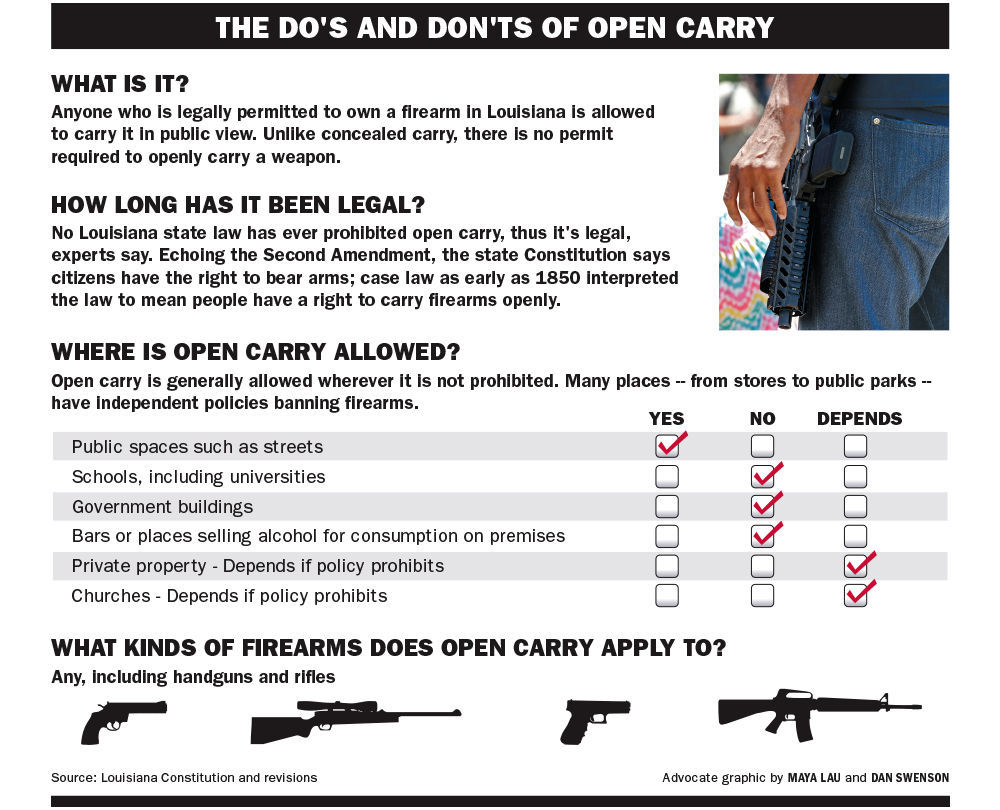
In Louisiana, the right to bear arms is enshrined, and the state has adopted laws that permit open carry for eligible individuals. This means that if you are at least 18 years old and legally permitted to own a firearm (i.e., not a prohibited person under state or federal law), you can openly carry a handgun or long gun in public. This doesn’t require a specific permit for open display. The principle behind open carry is that displaying a firearm openly is generally not considered a crime in itself, provided it is done in a lawful manner and not in a threatening way.
However, the definition of “open carry” is important. The firearm must be visible and not concealed. Attempting to conceal a weapon without a proper permit (a concealed handgun permit) could lead to legal issues. This distinction is vital for travelers who might be accustomed to different regulations in their home states. Visitors should also be aware that while open carry is generally allowed, individual establishments retain the right to prohibit firearms on their private property, a common practice in many businesses, particularly those serving alcohol.
Concealed Carry vs. Open Carry: Key Differences
While open carry in Louisiana doesn’t typically require a permit, carrying a concealed handgun is a different matter. To legally carry a concealed handgun in Louisiana, a person must obtain a Louisiana Concealed Handgun Permit (CHP). This permit is available to residents who meet specific criteria, including age, training, and background checks.
For out-of-state visitors, the situation depends on reciprocity agreements. Louisiana recognizes concealed carry permits from many other states. If your home state’s concealed carry permit is recognized by Louisiana, you can carry a concealed handgun under the terms of your permit while visiting. However, it is crucial to verify the current reciprocity agreements, as these can change. Resources such as the Louisiana State Police website typically provide up-to-date information on recognized permits. Even with a recognized concealed carry permit, all Louisiana laws regarding prohibited places and circumstances still apply. Therefore, understanding both open and concealed carry regulations is essential for any firearm owner traveling through the state.
Reciprocity Agreements for Out-of-State Visitors
Understanding reciprocity is perhaps the most critical aspect for firearm-owning travelers. Louisiana maintains agreements with numerous other states, acknowledging their concealed handgun permits. This means that if you hold a valid concealed carry permit from a state that Louisiana recognizes, you can legally carry a concealed firearm within Louisiana’s borders, provided you adhere to Louisiana’s laws regarding where firearms are prohibited.
However, if your state does not have a reciprocity agreement with Louisiana, or if you do not possess a concealed carry permit at all, then you would generally be limited to open carry, assuming you meet the basic eligibility requirements. It’s imperative for travelers to research the specific reciprocity laws for their state before embarking on a trip to Louisiana. This diligence ensures that you comply with all legal requirements and avoid potential legal complications during your vacation or business stay. The official Louisiana State Police website is the authoritative source for this information, offering comprehensive lists and guidelines.
Navigating Public Spaces and Tourist Destinations
While the general rule in Louisiana allows for open carry, this freedom is not absolute. Certain locations and types of establishments have specific restrictions that every visitor must respect. From historic landmarks to popular nightlife districts, understanding where firearms are prohibited is just as important as knowing where they are permitted.
Rules in Cities and Popular Attractions
Major cities in Louisiana, such as New Orleans, Baton Rouge, and Shreveport, uphold state open carry laws. However, these urban centers are also home to numerous tourist attractions, businesses, and public events that often have their own policies. For instance, while strolling through the historic French Quarter in New Orleans or visiting Jackson Square, open carry might technically be allowed on public streets. However, many individual shops, restaurants, and entertainment venues within these areas will post signage prohibiting firearms. It is always advisable to look for such signs and respect the policies of private establishments.
Similarly, specific attractions like the National WWII Museum or the Audubon Zoo in New Orleans will likely have strict no-firearm policies for visitor safety and security. When planning your itinerary, especially if it involves visiting cultural sites, museums, or family-friendly attractions, it’s wise to check their individual policies beforehand. This proactive approach helps avoid any inconvenience or legal issues during your travel experience.
Restrictions in Specific Venues
Louisiana law explicitly prohibits firearms in a range of specific venues, regardless of whether you have an open carry right or a concealed carry permit. These include:
- Schools and Universities: This prohibition applies to all school properties, including elementary, secondary, and higher education institutions like Louisiana State University in Baton Rouge.
- Churches, Synagogues, and Mosques: Places of worship generally restrict firearms, though there might be exceptions for security personnel.
- Polling Places: During an election or while early voting is in progress.
- Courthouses and Government Buildings: The Louisiana State Capitol and all courtrooms are prime examples where firearms are strictly forbidden.
- Law Enforcement Facilities: Police stations, sheriff’s offices, and correctional facilities.
- Casinos: Gaming establishments, such as Harrah’s New Orleans Hotel & Casino, typically have a blanket prohibition on firearms.
- Bars and Restaurants Serving Alcohol: This is a crucial point for tourists enjoying Louisiana’s famous nightlife, particularly on Bourbon Street. While a restaurant that serves alcohol might permit firearms if food is the primary business, any establishment where the sale of alcohol is the main purpose, such as a bar, is off-limits.
- Detention Facilities and Prisons.
- Parade Routes during Permitted Parades: This is particularly relevant during events like Mardi Gras, where large crowds gather, and public safety is paramount.
It is critical for travelers to be acutely aware of these “gun-free zones.” Violating these prohibitions can lead to serious legal consequences, including arrest and criminal charges.
Considerations for Outdoor Activities and Nature Parks
Louisiana’s natural beauty, from the expansive Atchafalaya Basin to coastal wildlife refuges, draws outdoor enthusiasts for activities like fishing, hunting, hiking, and swamp tours. Generally, open carry is permissible in most public outdoor spaces, including state and national forests, for those legally entitled to possess a firearm. Hunting activities, of course, have their own specific regulations and licensing requirements.
However, national parks and national wildlife refuges operate under federal law, which can differ. While federal law generally allows individuals to possess firearms in national parks and wildlife refuges in accordance with state laws, certain areas within these federal lands might still be restricted (e.g., visitor centers, administrative offices, or federal buildings). Always check with the specific park or refuge management for their exact policies. When participating in guided activities like a swamp tour or visiting a private nature preserve, the tour operator or property owner’s policies on firearms must be respected. The key is to be informed and cautious, ensuring your outdoor adventures remain safe and compliant with all regulations.
Accommodation and Firearm Policies: A Traveler’s Guide
When planning your trip and booking a place to stay in Louisiana, the topic of firearms might seem secondary, but it is an important consideration for responsible travelers. Accommodation options range from luxury resorts and boutique hotels to cozy bed and breakfasts and private vacation rentals, each potentially having different policies regarding firearms.
Hotel Policies and Storing Firearms Safely

Most hotels in Louisiana, from chains like the Hilton New Orleans Riverside to historic establishments such as the Hotel Monteleone or The Roosevelt New Orleans, A Waldorf Astoria Hotel, are private properties and have the right to set their own rules regarding firearms on their premises. While Louisiana law might allow open carry in general, a hotel can prohibit it. Many establishments, particularly those aiming for a broad appeal to diverse guests, may prefer a policy that discourages or prohibits firearms in public areas.
It is highly recommended to contact your chosen hotel directly to inquire about their specific firearm policy before your arrival. If you plan to travel with a firearm, discuss their procedures for safe and secure storage. Some hotels might offer in-room safes large enough for certain handguns, while others might provide secure storage at the front desk or require firearms to be stored unloaded and locked in a vehicle. The goal is to ensure that your firearm is stored safely, legally, and in a manner that aligns with both hotel policy and your personal security needs, especially when you are away from your room exploring attractions.
Vacation Rentals and Private Property Considerations
The popularity of vacation rentals (apartments, villas, and homes) through platforms like Airbnb and VRBO offers travelers unique accommodation experiences. When staying in a private vacation rental in Louisiana, the rules can be less explicit than in a traditional hotel. The owner of a private property has the right to set their own rules regarding firearms on their premises.
It is crucial to communicate with the property owner or manager before booking or arriving to clarify their policy on firearms. Some owners may explicitly prohibit them, while others may be more permissive. If permitted, responsible and secure storage of any firearm within the rental is paramount, especially if traveling with children or sharing the property with others. Never assume permission; always confirm directly to ensure a respectful and compliant stay. For those considering a long-term stay, these considerations become even more important as your rental becomes a temporary home.
Best Practices for Secure Accommodation
Regardless of where you stay, responsible firearm ownership dictates specific best practices for storage and handling:
- Secure Storage: Always store firearms unloaded and locked, preferably in a hard-sided case, when not being carried. Ammunition should be stored separately.
- Discretion: If you are traveling with a firearm, exercise discretion upon arrival and departure from your accommodation. Avoid openly displaying it in lobbies or common areas unless explicitly permitted and necessary.
- Knowledge of Policies: Be fully aware of and adhere to the specific firearm policies of your chosen accommodation.
- Never Leave Unattended: Do not leave firearms unsecured in your room or vehicle where they could be easily accessed by unauthorized individuals.
- Transportation: When transporting a firearm in your vehicle, especially when checking into or out of accommodation, ensure it is secured and unloaded, ideally in a separate, locked compartment, to comply with both state and potentially local ordinances.
Adhering to these best practices will contribute significantly to your safety, the safety of others, and your compliance with local laws and property rules, enhancing your overall travel experience in Louisiana.
General Travel Safety and Etiquette in Louisiana
Beyond the legal specifics, understanding and respecting the cultural context and general safety practices in Louisiana is vital for any visitor. The presence of open carry laws means that travelers may encounter individuals openly carrying firearms, which can be an unfamiliar sight for some.
Awareness and Respecting Local Norms
While open carry is legal, it is not an overwhelmingly common sight in every part of Louisiana, particularly in crowded tourist areas like the French Quarter or the Garden District during peak season. However, visitors should be aware that they might encounter individuals openly carrying firearms. The key is to remain calm, respectful, and focused on enjoying your trip. Avoid confrontation and understand that the presence of a firearm, in itself, does not automatically signify a threat.
It’s also important to be mindful of local etiquette. Louisianans are known for their hospitality and warmth. Engaging with locals respectfully, whether discussing the local cuisine or seeking directions, will enrich your travel experience. If you are a firearm owner, consider the impression your open carry might have on others, especially in family-oriented settings or international tourist hubs. Discretion, even when legal, can sometimes be the most respectful approach.
Emergency Contacts and Resources
Knowing who to contact in an emergency is a fundamental travel safety tip, regardless of firearm laws. In Louisiana, as in the rest of the United States, dial 911 for immediate police, fire, or medical emergencies.
For non-emergencies or specific questions about firearm laws, you can contact the Louisiana State Police. Having local law enforcement contact numbers for the specific cities you are visiting, such as the New Orleans Police Department or the Baton Rouge Police Department, can also be beneficial. Additionally, if you are a member of a legal protection plan for firearm owners, ensure you have their contact information readily available. These resources can provide clarity and assistance should any situation arise.
Enjoying Your Trip Responsibly
Ultimately, a trip to Louisiana should be a memorable experience filled with exploration, delicious food, and cultural immersion. Understanding the state’s open carry laws is one piece of the puzzle that contributes to responsible tourism. By being informed, respectful, and prepared, travelers can confidently enjoy everything Louisiana has to offer. Whether you’re exploring the historic St. Louis Cathedral, tasting fresh seafood, or dancing to jazz music at Preservation Hall, your awareness of local regulations ensures that your focus remains on the joy of discovery and the unique charm of the Pelican State. Responsible travel involves not just understanding laws, but also practicing common sense, being aware of your surroundings, and ensuring your actions do not inadvertently cause alarm or distress to others.
The Broader Travel Experience: Lifestyle and Tourism Implications
The topic of firearm laws, while specific, has broader implications for how different travelers perceive and experience Louisiana. From family vacationers to solo adventurers, understanding the local context shapes expectations and travel planning.
Family Travel and Public Safety
For families traveling with children, concerns about public safety are often paramount. The knowledge that Louisiana is an open carry state might raise questions for some parents. It’s important to reiterate that while open carry is permitted, firearms are strictly prohibited in places specifically designed for children, such as schools, zoos (like Audubon Zoo), and many family-friendly museums. Attractions like Mardi Gras World or the Audubon Aquarium of the Americas will also enforce their own no-weapon policies to ensure a safe environment for all visitors, especially children.
When planning family activities, parents can check the specific policies of venues they intend to visit. Choosing accommodation with strong security measures and clear firearm policies is also a wise step for family trips. Ultimately, while the law allows for open carry, the vast majority of public spaces frequented by families are safe, welcoming, and focused on providing enjoyable experiences. Maintaining general travel safety practices, such as staying aware of surroundings and keeping children close, remains the best approach.
Luxury and Budget Travel Perspectives
Whether you’re indulging in the opulence of a stay at the Ritz-Carlton, New Orleans or exploring Lafayette’s vibrant culture on a budget, firearm laws apply equally. However, the experience of these laws can differ. Luxury travelers might primarily frequent high-end resorts, fine dining establishments, and curated tours, many of which have private security and explicit policies against firearms on their premises. This might create a perception of being less exposed to open carry in daily activities.
Budget travelers, on the other hand, might use more public transportation, visit more diverse local establishments, and explore areas where open carry might be more prevalent. Regardless of the lifestyle, the core advice remains the same: understand the laws, respect private property policies, and prioritize responsible conduct. For both luxury and budget travel, the unique lifestyle offerings of Louisiana — from plantation tours at Oak Alley Plantation to exploring the charming streets of Monroe — are accessible and enjoyable when approached with an informed perspective.
Embracing Louisiana’s Unique Culture with Confidence
Louisiana’s culture is a tapestry woven from diverse influences, resulting in unique traditions, music, food, and hospitality. From the jazz rhythms of New Orleans to the Cajun heritage of Lafayette and the historic charm of Lake Charles, the state offers unparalleled experiences. Understanding and respecting local laws, including those pertaining to firearms, empowers travelers to immerse themselves in this rich culture with confidence.
Being informed removes uncertainty, allowing you to focus on the vibrant festivals like Jazz Fest, the architectural wonders of the Garden District, or the serene beauty of a swamp tour. Whether you are exploring landmarks, dining in local eateries, or simply enjoying the atmosphere, a responsible and informed approach ensures your journey through the Pelican State is both safe and deeply enriching. Louisiana welcomes visitors with open arms and a unique charm that is best experienced when you are fully prepared and at ease with your surroundings.
LifeOutOfTheBox is a participant in the Amazon Services LLC Associates Program, an affiliate advertising program designed to provide a means for sites to earn advertising fees by advertising and linking to Amazon.com. Amazon, the Amazon logo, AmazonSupply, and the AmazonSupply logo are trademarks of Amazon.com, Inc. or its affiliates. As an Amazon Associate we earn affiliate commissions from qualifying purchases.