
When considering the political landscape of the United States, understanding the leanings of individual states is crucial for a comprehensive view. The question of whether a state leans towards the Democratic (blue) or Republican (red) party is often a complex one, influenced by a multitude of factors including demographics, economic trends, and historical voting patterns. In 2024, as the nation gears up for another pivotal election cycle, the political identity of states like Maine becomes a focal point of discussion. Maine, with its unique character and diverse population, offers an intriguing case study in this ongoing political conversation.
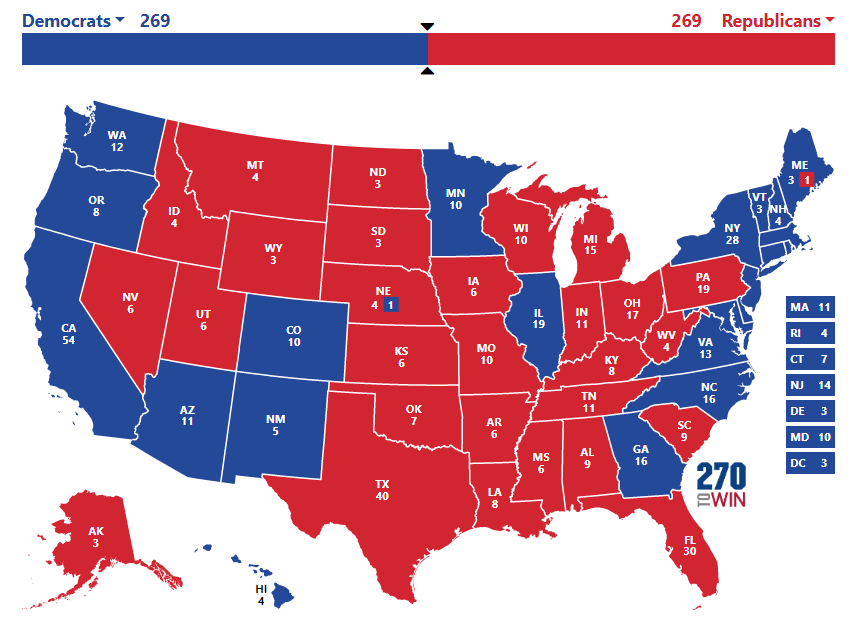
The notion of a state being definitively “blue” or “red” is often an oversimplification. While a state might consistently vote for one party in presidential elections, its congressional delegation, state legislature, and local elections can present a more nuanced picture. Furthermore, the political allegiances of a state can shift over time, influenced by national trends, regional specificities, and the evolving priorities of its citizens. For Maine, understanding its 2024 political color requires delving into its recent electoral history, its demographic makeup, and the specific issues that are likely to shape voter sentiment.
This exploration will not only touch upon the political leanings of Maine but also weave in elements of its rich cultural tapestry and its appeal as a travel destination, recognizing that the very fabric of a state influences its political inclinations. From the rugged coastlines and charming towns to its vibrant culinary scene and historic landmarks, Maine offers a unique backdrop against which its political identity is formed and expressed.
Maine’s Electoral History: A Shifting Tide
Maine’s voting record offers a fascinating glimpse into its evolving political identity. Historically, Maine has shown a tendency towards moderation, often electing more centrist candidates from both major parties. However, in recent decades, there has been a noticeable shift, with the state increasingly aligning with the Democratic Party in presidential elections. This trend is not monolithic and can be influenced by the specific candidates and the prevailing national mood.
Presidential Election Trends
In the realm of presidential elections, Maine has, for the most part, consistently voted for Democratic candidates in recent cycles. The state has a unique electoral vote allocation system, awarding two electoral votes statewide and one for each congressional district. This system can sometimes lead to interesting outcomes, as demonstrated by the fact that Maine has, on occasion, split its electoral votes between candidates. This duality underscores that while the state may lean blue in its overall presidential preference, the congressional districts can exhibit different tendencies. Understanding these district-level trends is vital for a precise picture of Maine’s political leanings in 2024. For instance, the First Congressional District, which encompasses the more populous southern and coastal areas, has generally leaned more Democratic. In contrast, the Second Congressional District, which covers the vast, more rural northern and western parts of the state, has often shown a more conservative bent, sometimes voting Republican. This divergence within the state is a significant factor to consider when assessing its overall political color.
The reasons behind this shift are multifaceted. Economic factors, such as the decline of traditional industries and the rise of a more service-based economy, have played a role. Demographically, Maine has seen an influx of younger residents and a growing population in its urban centers, areas that tend to favor Democratic candidates. Furthermore, social issues and evolving cultural values have also contributed to the state’s tilt. The picturesque state, with its renowned attractions like the Acadia National Park and the historic city of Portland, attracts a diverse array of visitors and residents, each bringing their own perspectives to the political discourse.
Gubernatorial and Legislative Leanings
Beyond presidential contests, Maine’s gubernatorial and legislative races provide further insights into its political temperament. While the state may lean Democratic in presidential elections, its gubernatorial and legislative outcomes have historically been more varied. Maine has elected Republican governors in recent history, demonstrating that voters are not necessarily tied to a single party for all offices. Similarly, the composition of the Maine Legislature can fluctuate, with control of either the House or the Senate, or both, shifting between parties over the years. This suggests a pragmatic electorate that evaluates candidates and issues on a case-by-case basis, rather than adhering to a rigid party line.
The state’s commitment to ranked-choice voting, a system adopted for federal and state primary elections and general elections for federal and state offices, adds another layer of complexity. Ranked-choice voting allows voters to rank candidates in order of preference. This system can lead to outcomes that differ from traditional plurality voting and can sometimes favor more moderate candidates or those who can build broader coalitions. Its impact on the 2024 elections in Maine is a subject of ongoing observation and analysis. This electoral innovation reflects a desire among Mainers for a more nuanced and representative political process, further complicating a simple blue or red categorization.
Demographics and Economic Influences on Maine’s Political Landscape

The demographic composition and economic realities of Maine are inextricably linked to its political leanings. The state’s population is not uniform; it comprises distinct urban centers, coastal communities, and vast rural hinterlands, each with its own set of concerns and political priorities. Understanding these variations is key to comprehending why Maine might lean one way or another in 2024.
Shifting Demographics and Voting Patterns
Maine’s demographic profile has been evolving. The state has experienced an aging population, which traditionally can lean more conservative. However, it has also seen an increase in younger residents, particularly in areas like Portland, which tend to be more liberal. The growth of college towns and the increasing presence of a professional workforce in certain regions also contribute to a more diverse voter base. The state’s rural areas, on the other hand, often grapple with economic challenges related to declining industries like logging and fishing, and these communities may have different political priorities and allegiances.
The influence of tourism and its associated hospitality industry, which is prominent in areas around places like Kennebunkport and the Maine Coast, also plays a subtle role. While this sector creates jobs and economic activity, it can also bring in seasonal populations and influence local economies in ways that might impact voting behavior. The state’s natural beauty, from the iconic lighthouses dotting its coastline to the vast forests inland, attracts people with diverse backgrounds and perspectives, all contributing to the complex mosaic of Maine’s electorate.
Economic Realities and Political Priorities
Economic factors are always a significant driver of political sentiment. In Maine, the health of its traditional industries, such as fishing, logging, and agriculture, remains a concern for many communities. The state’s embrace of renewable energy, particularly wind power, is an example of how economic development can intersect with environmental concerns and political ideologies. The burgeoning craft brewery scene and the focus on local food have also become significant economic drivers and cultural touchstones, often associated with a more progressive lifestyle and outlook.
The cost of living, particularly in desirable coastal areas and burgeoning cities, is another issue that can influence voter priorities. Access to affordable healthcare and the state of its education system are perennial concerns that transcend party lines but can be addressed with different policy approaches by the major parties. For those planning a visit or a longer stay, understanding these economic underpinnings can offer a deeper appreciation of the local culture and the motivations of its residents. Whether seeking luxury accommodations at a place like the Grand Resort Hotel or a charming bed and breakfast in a historic town, the economic well-being of the state underpins the experiences available to both residents and visitors.
Maine in 2024: A State of Nuance
As 2024 approaches, the question of whether Maine is a blue or red state remains one of complexity. The state’s political identity is not a static label but rather a dynamic interplay of historical trends, demographic shifts, economic realities, and the specific candidates and issues that emerge during election cycles.

The Outlook for 2024
Given Maine’s recent voting history, it is likely to remain a state that leans Democratic in presidential elections. However, this lean should not be interpreted as a foregone conclusion for all elections. The nuances of its electoral system, particularly the district-based allocation of electoral votes and the presence of ranked-choice voting, can lead to unpredictable outcomes. Gubernatorial and legislative races will likely continue to exhibit a degree of swing, reflecting a pragmatic electorate that values independent thinking.
The social and cultural characteristics of Maine, from its independent spirit to its appreciation for nature and local traditions, contribute to a political culture that is often less dogmatic than in some other states. The appeal of Maine as a travel destination, drawing visitors to its iconic landmarks like the Pemaquid Point Lighthouse and cities like Bangor, also means that its communities are exposed to a wider range of ideas and perspectives. This exposure, combined with a strong sense of local identity, contributes to a political landscape that is often more about substance and community well-being than rigid partisan adherence.
In conclusion, while Maine may exhibit a general Democratic lean in presidential contests, its political identity in 2024, as in past years, is best described as nuanced. It is a state where individual districts can vote differently, where governorships can change hands, and where voters often weigh specific issues and candidates rather than adhering strictly to party platforms. This complexity is, in many ways, a reflection of the diverse and beautiful state itself, making Maine a continuously fascinating subject for political observation. The experience of exploring its charming accommodations, from the suites at the Portland Harbor Hotel to secluded villas, further enriches the understanding of the people who call this unique state home and the decisions they make at the ballot box.
LifeOutOfTheBox is a participant in the Amazon Services LLC Associates Program, an affiliate advertising program designed to provide a means for sites to earn advertising fees by advertising and linking to Amazon.com. Amazon, the Amazon logo, AmazonSupply, and the AmazonSupply logo are trademarks of Amazon.com, Inc. or its affiliates. As an Amazon Associate we earn affiliate commissions from qualifying purchases.