
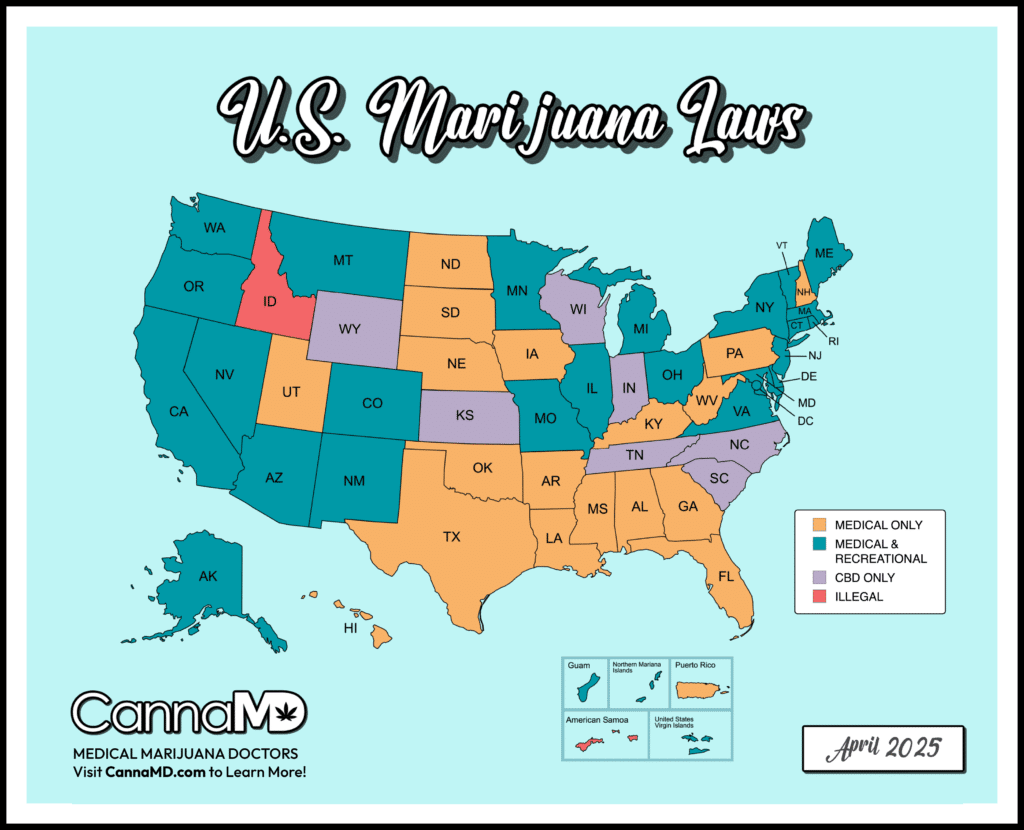
For many travelers planning a trip to the Sunshine State, the question of marijuana’s legal status is a natural one. Florida, renowned for its pristine beaches, vibrant cities like Miami and Orlando, and world-class attractions, operates under a unique legal framework when it comes to cannabis. Unlike some other states in the United States that have fully embraced recreational legalization, Florida maintains a more conservative approach. Understanding these laws is crucial for anyone visiting or residing in the state, whether you’re planning a family vacation to Walt Disney World Resort, a luxurious stay in a Key West villa, or simply exploring the natural beauty of Everglades National Park. The short answer to the central question is nuanced: medical marijuana is legal for qualified patients, but recreational use remains illegal and carries significant penalties. This comprehensive guide will delve into the intricacies of Florida’s cannabis laws, their implications for residents and tourists, and what the future may hold for the Sunshine State’s stance on marijuana.
The Current Legal Landscape: Medical vs. Recreational Use
The legal status of marijuana in Florida is a tale of two distinct categories: medical and recreational. While both involve the same plant, their legal frameworks, accessibility, and consequences differ dramatically.
Medical Marijuana: A Path for Qualified Residents
Florida voters overwhelmingly approved Amendment 2 in 2016, establishing the legality of medical marijuana for individuals with specific qualifying conditions. This amendment paved the way for a regulated system allowing patients to access cannabis for therapeutic purposes. The Office of Medical Marijuana Use (OMMU), under the Florida Department of Health, oversees the program, ensuring compliance and regulating all aspects from cultivation to dispensation.
Eligibility and the Registry
To qualify for medical marijuana in Florida, an individual must be a permanent or seasonal resident of the state. This means tourists or visitors from other states, regardless of their own medical marijuana cards, are generally not eligible to obtain a Florida medical marijuana card. Eligible conditions include, but are not limited to, cancer, epilepsy, glaucoma, HIV/AIDS, PTSD, ALS, Crohn’s disease, Parkinson’s disease, multiple sclerosis, and chronic nonmalignant pain. A qualified Florida physician must diagnose the patient with one of these conditions and determine that the benefits of medical marijuana outweigh the risks.
Obtaining a Medical Marijuana Card
The process to obtain a medical marijuana card involves several steps:
- Consultation with a Qualified Physician: The patient must be examined by a physician who is certified to order medical marijuana. This physician will review the patient’s medical history and determine if they meet the criteria for a qualifying condition.
- Entry into the Compassionate Use Registry: If the physician determines eligibility, they will register the patient in the Medical Marijuana Use Registry.
- Application to the OMMU: The patient then submits an application, along with a fee and proof of residency, to the OMMU.
- Receiving the Card: Once approved, the patient receives a physical Medical Marijuana Use Registry Identification Card, which must be presented at dispensaries for purchases. This card is valid for one year and requires annual renewal, including a follow-up visit with the recommending physician.
Dispensaries and Possession Limits
Medical marijuana can only be purchased from licensed Medical Marijuana Treatment Centers (MMTCs), commonly known as dispensaries. These facilities are regulated by the state and offer various forms of cannabis, including oils, edibles, vapes, and flower. Patients are subject to specific possession limits set by the OMMU, which typically specify the amount of marijuana a patient can purchase and possess within a 70-day period. Public consumption of medical marijuana remains restricted; patients are advised to use their medicine in private settings, similar to prescription medications.
Recreational Marijuana: Still Prohibited
Despite the progress made with medical cannabis, recreational marijuana remains strictly illegal in Florida. The possession, sale, cultivation, and distribution of cannabis for non-medical purposes are criminal offenses under state law. This stark contrast with states like California or Colorado means that visitors from those states, where recreational use is legal, need to be particularly aware of Florida’s more restrictive laws.
Understanding the Penalties
Penalties for recreational marijuana offenses in Florida can range from misdemeanors to serious felonies, depending on the quantity involved.
- Possession of 20 grams or less: This is typically a first-degree misdemeanor, punishable by up to one year in jail, a fine of up to $1,000, and a driver’s license suspension.
- Possession of more than 20 grams but less than 25 pounds: This is considered a third-degree felony, carrying a potential prison sentence of up to five years and a fine of up to $5,000.
- Sale or Intent to Sell: Even small amounts can lead to felony charges.
- Cultivation: Growing marijuana is a felony offense with severe penalties.
It is critical for anyone in Florida to understand that ignorance of the law is not a defense. Enforcement can be strict, and consequences can significantly impact travel plans, personal freedom, and future legal standing.

Federal Law Overrides State Statutes
An important layer of complexity in the United States is that marijuana remains illegal under federal law. The Controlled Substances Act classifies cannabis as a Schedule I drug, meaning it has a high potential for abuse and no accepted medical use. While the federal government has generally adopted a hands-off approach to states with legal medical or recreational cannabis, federal law always takes precedence. This is particularly relevant in places like national parks (e.g., Everglades National Park or Biscayne National Park), federal buildings, and airports, where federal agents operate. Possessing marijuana in these areas, even with a valid Florida medical marijuana card, can lead to federal charges.

Navigating Florida’s Cannabis Laws as a Visitor
For the millions of tourists who flock to Florida each year, understanding the state’s cannabis laws is paramount to avoiding legal trouble and ensuring a smooth, enjoyable trip. Whether you’re planning to soak up the sun in Fort Lauderdale, explore the vibrant arts scene in St. Petersburg, or embark on an adventure in Tampa, adherence to local regulations is non-negotiable.
Can Tourists Access Medical Marijuana?
Generally, no. As mentioned, the Florida medical marijuana program is designed for permanent or seasonal residents. This means visitors, even those with medical marijuana cards from their home states, cannot legally purchase cannabis from Florida dispensaries. Attempting to use an out-of-state card or misrepresenting residency to obtain medical cannabis is illegal and could lead to severe penalties. The most prudent approach for visitors is to assume that all forms of marijuana are illegal for them while in Florida.
Public Consumption and Designated Areas
Even for qualified medical marijuana patients, public consumption is largely prohibited. This includes smoking, vaping, or consuming edibles in public places such as parks, beaches, sidewalks, restaurants, and common areas of hotels or resorts. The intent of the law is for medical marijuana to be used in private settings, similar to other prescription medications. For recreational users, public consumption is unequivocally illegal and can lead to immediate arrest and charges. Law enforcement in cities like Jacksonville, Orlando, and Miami are generally vigilant about enforcing these rules, especially in tourist-heavy areas.
Traveling with Cannabis: What You Need to Know
Traveling with marijuana across state lines, even if both states have legalized it, is a federal offense. This applies to both medical and recreational cannabis. Airports, being under federal jurisdiction, are particularly risky. Bringing cannabis into Florida from another state, or attempting to fly out with it, can lead to federal charges, regardless of Florida’s state laws. For those driving, crossing state borders with marijuana also constitutes a federal crime, even if you remain within states where cannabis is legal. The safest advice for travelers is to leave all cannabis products at home when visiting Florida and to refrain from purchasing or possessing it during your stay.
Marijuana and Florida Tourism: What It Means for Your Trip
Florida’s tourism industry is a cornerstone of its economy, attracting millions to its diverse range of attractions, luxury accommodations, and natural wonders. Understanding how cannabis laws intersect with the tourist experience is essential for a worry-free vacation.
Rules in Hotels, Resorts, and Vacation Rentals
Most hotels, resorts, and vacation rentals in Florida maintain strict no-smoking policies, which often extend to vaping and cannabis use, even for medical marijuana patients. These establishments are private property and have the right to set their own rules, irrespective of state medical marijuana laws. Attempting to consume cannabis in a hotel room or on resort grounds can lead to fines, eviction, and even legal repercussions if the property involves law enforcement. When booking accommodation, it’s always advisable to check their specific policies regarding smoking and cannabis use to avoid any unpleasant surprises. Many properties, particularly family-friendly resorts near Orlando’s theme parks or the upscale hotels in South Beach, explicitly prohibit such activities.
Cannabis Laws Near Popular Attractions
Florida is home to world-famous attractions like Universal Orlando Resort, Busch Gardens Tampa Bay, and numerous state parks and beaches. All of these public and private spaces strictly prohibit the use of recreational marijuana. Even medical marijuana patients should exercise extreme caution, as public consumption is illegal. Theme parks, being private property, have their own rules which universally ban cannabis. Violating these rules can result in removal from the premises, banning, and potentially legal charges. When visiting landmarks or engaging in tourism activities, it’s best to keep any substances off-site and to adhere to all posted regulations and state laws. Remember that certain areas, like the Florida Keys, might feel laid-back, but state laws are enforced uniformly.
Planning a Responsible Florida Getaway
A responsible approach to your Florida trip involves being well-informed about the state’s cannabis laws. Focus on enjoying the myriad legal experiences the state has to offer, from exploring the historic streets of St. Augustine to deep-sea fishing off the coast of Sarasota. For travelers interested in the lifestyle aspect of their journey, Florida offers everything from luxury spas and gourmet dining to thrilling adventure sports, all perfectly legal and enjoyable without the added risk of cannabis-related legal issues. If you are a medical marijuana patient from another state, ensure your travel plans account for not having access to cannabis while in Florida. Prioritizing safety and legality will ensure your experience in the Sunshine State is memorable for all the right reasons.
The Future of Cannabis Legislation in the Sunshine State
The legal status of marijuana in Florida is not static. There is ongoing discussion, advocacy, and legislative effort to potentially change the current framework, particularly concerning recreational use.
Potential for Recreational Legalization
Activists and various organizations in Florida have consistently pushed for the legalization of recreational marijuana. Several initiatives have attempted to get amendments on the ballot to allow for adult-use cannabis, similar to the process that legalized medical marijuana. These efforts often involve collecting hundreds of thousands of signatures and facing scrutiny from the Florida Supreme Court. While some initiatives have fallen short due to various legal challenges or insufficient signatures, the public sentiment and economic arguments for recreational legalization continue to fuel these campaigns. Proponents often highlight potential tax revenues for the state, job creation, and the right to personal liberty as key benefits. It is plausible that in the coming years, Florida voters may once again have the opportunity to decide on the future of recreational cannabis.
Staying Informed on Evolving Laws
Given the dynamic nature of cannabis legislation across the United States and within Florida, it is crucial for both residents and frequent visitors to stay informed. Legislative sessions, ballot initiatives, and court rulings can all impact the legal status and regulations surrounding marijuana. Websites like the OMMU and reputable legal news sources are excellent resources for tracking changes. As the conversation around cannabis continues to evolve at both state and federal levels, what is true today might change tomorrow. For now, however, the clear distinction remains: medical marijuana is legal for qualified Florida residents, while recreational use for everyone else is illegal and can lead to serious legal consequences. Responsible travel and an understanding of these laws are essential for enjoying all the incredible experiences Florida has to offer.
LifeOutOfTheBox is a participant in the Amazon Services LLC Associates Program, an affiliate advertising program designed to provide a means for sites to earn advertising fees by advertising and linking to Amazon.com. Amazon, the Amazon logo, AmazonSupply, and the AmazonSupply logo are trademarks of Amazon.com, Inc. or its affiliates. As an Amazon Associate we earn affiliate commissions from qualifying purchases.