
Deciding when to embark on a journey to the Hawaii islands involves balancing weather patterns, crowd levels, and seasonal events. For many travelers, March presents a compelling window of opportunity. Positioned as a bridge between the winter rainy season and the dry, balmy summer, March in [Hawaii](already linked) offers a unique atmospheric profile. It is a time when the lushness of the Pacific Ocean paradise is at its peak, the wildlife is most active, and the cultural calendar is vibrant with celebrations. Understanding the nuances of this specific month is essential for any visitor looking to maximize their experience in the United States fifty-first state.
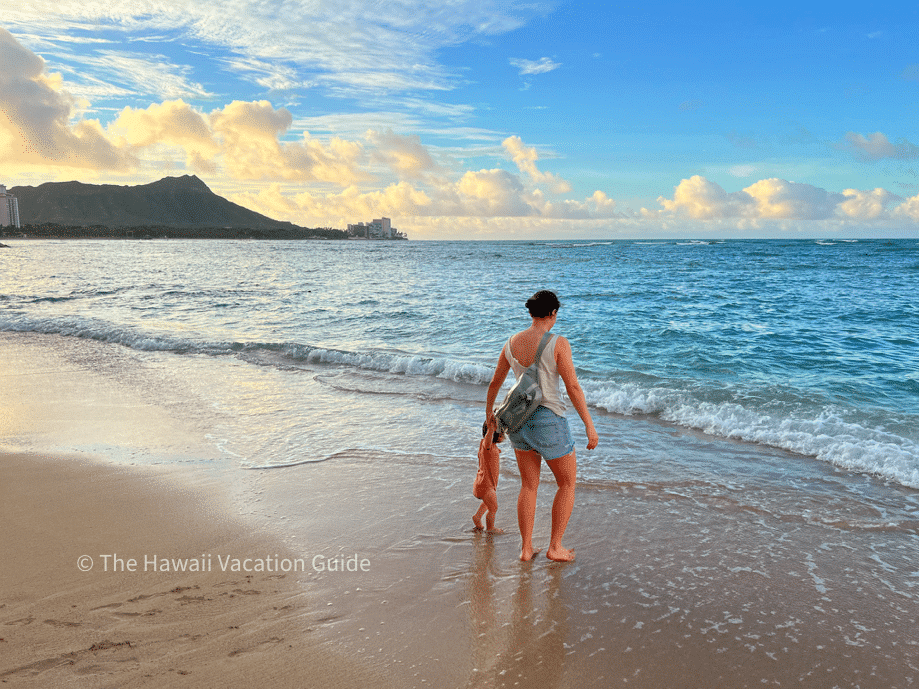
The Weather Dynamics of a Hawaiian Spring
One of the primary concerns for anyone visiting [Hawaii](already linked) is the weather. March marks the tail end of the “ho’oilo” (the cool/wet season) and the beginning of “kau” (the sunny/dry season). This transition creates a dynamic climate that varies significantly depending on which island or even which side of an island you inhabit.
Temperature and Humidity
In March, the average daytime temperatures across the major islands like Oahu and Maui hover comfortably between 75°F and 82°F (24°C to 28°C). The evenings are refreshing, often dipping into the high 60s, making it one of the most pleasant times for outdoor dining in Honolulu or coastal Kona. The humidity, which can be stifling during the peak of summer, is relatively moderate in March, tempered by the consistent trade winds that sweep across the archipelago. These winds act as nature’s air conditioning, ensuring that even on the sunniest days at Waikiki Beach, the air remains crisp and breathable.
Navigating the Rainy Season Transition
While March is sunnier than January or February, it is still prone to occasional “blessing” showers. In Hawaiian culture, rain is often seen as a gift that keeps the islands verdant. Visitors should expect short-lived, localized tropical downpours, particularly on the windward (northeast) sides of the islands. For instance, Hilo on the Big Island and the Na Pali Coast in Kauai may see more precipitation than leeward spots like Kapalua or Poipu Beach. The benefit of this lingering moisture is the prevalence of rainbows—[Hawaii](already linked) is, after all, the rainbow capital of the world—and the sight of massive, temporary waterfalls cascading down the emerald cliffs of the Waimea Canyon.
Microclimates and High Altitudes
It is important to remember that [Hawaii](already linked) contains a vast array of microclimates. While you might be sunbathing on Kaanapali Beach, the summit of Mauna Kea or Haleakala National Park may still be experiencing winter-like conditions. March is one of the last months where you might see snow atop the highest peaks of the [Big Island](already linked). Travelers planning to view the sunrise at Haleakala must pack heavy layers, as temperatures at 10,000 feet can drop below freezing, regardless of the tropical warmth at sea level.
Seasonal Tourism Highlights and Wildlife
March is a standout month for tourism because it aligns with some of the most spectacular natural phenomena in the world. From the depths of the ocean to the crests of the waves, the islands are teeming with life.
Whale Watching Peak in the Auau Channel
Perhaps the greatest draw for visiting in March is the peak of the Humpback Whales migration. These majestic creatures travel from Alaska to the warm, shallow waters of [Hawaii](already linked) to mate and give birth. The Auau Channel, located between [Maui](already linked), Lanai, and Molokai, becomes one of the best places on Earth for whale watching. By March, the calves are active and playful, often seen breaching and tail-slapping alongside their mothers. Boat tours departing from Lahaina or Maalaea Harbor offer near-guaranteed sightings, but it is not uncommon to spot them from the shore while driving the Road to Hana.
Ocean Activities and Surfing Conditions

For water sports enthusiasts, March offers a “best of both worlds” scenario. The massive winter swells that target the North Shore of [Oahu](already linked) begin to subside, though they remain formidable enough for professional competitions and experienced surfers. Meanwhile, the southern shores start to see a slight increase in wave activity. For the average tourist, snorkeling conditions at Hanauma Bay or Molokini Crater are generally excellent, as the winter storms have calmed, leading to better underwater visibility. The water temperature averages around 75°F, which is slightly brisk for some but perfectly comfortable for those engaged in active swimming or paddleboarding.
Cultural Immersion and Major Events
A trip to [Hawaii](already linked) is incomplete without engaging with its rich cultural tapestry. March hosts several major events that allow visitors to see the “Aloha Spirit” in action, moving beyond the typical resort experience.
The Honolulu Festival
One of the most significant cultural events in the [Pacific Ocean](already linked) region is the Honolulu Festival. Held annually in March, this three-day extravaganza celebrates the relationship between [Hawaii](already linked) and the Pacific Rim, particularly Japan, Australia, and various Polynesian nations. The festival features traditional dance performances, craft fairs at the Hawaii Convention Center, and a grand parade through Waikiki. The highlight for many is the Nagaoka Fireworks show, which lights up the sky over the ocean, symbolizing a wish for world peace. It is a fantastic opportunity for tourists to witness diverse cultural expressions in one centralized location.
Celebrating Prince Kuhio Day
March 26th is a state holiday in [Hawaii](already linked) known as Prince Kuhio Day. It honors Prince Jonah Kuhio Kalanianaole, a pivotal figure in Hawaiian history who served in the [United States](already linked) Congress and worked tirelessly to preserve the rights and lands of the Native Hawaiian people. Throughout the month, and especially on the weekend nearest the 26th, visitors can attend the Prince Kuhio Festival. This includes canoe races, ho’olaule’a (celebrations), and choral concerts. Visiting historical sites like Iolani Palace or the Queen Emma Summer Palace during this time provides a deeper context into the royal heritage of the islands.
Practical Tourism Tips for March Travelers
While March is an excellent time to visit, it does come with specific logistical challenges that require careful planning. Being aware of the “Spring Break” effect and local nuances can make or break a vacation.
Managing the Spring Break Influx
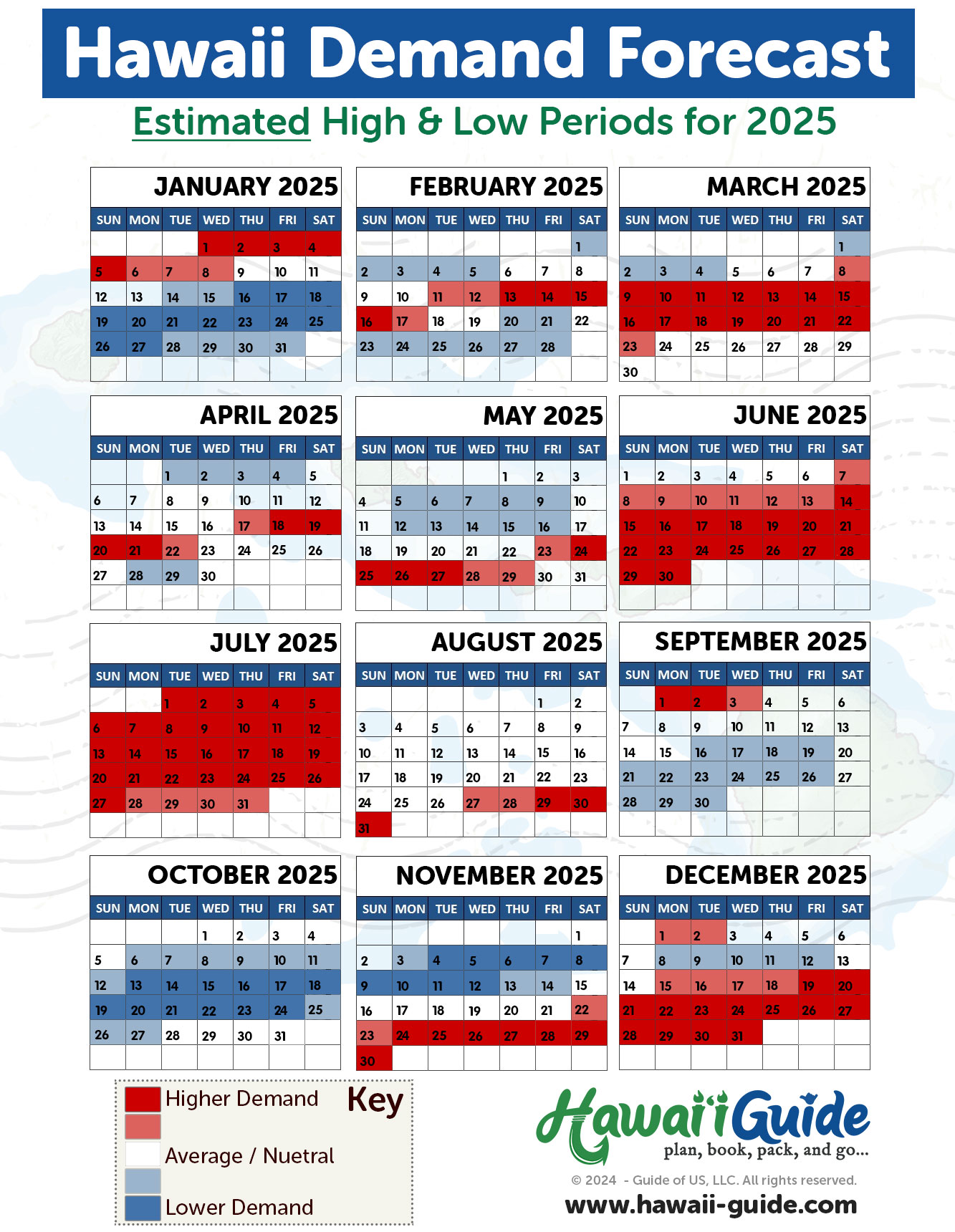
The primary drawback of March is the Spring Break crowd. Many families from the mainland [United States](already linked) and Canada head to the islands during the last two weeks of the month. This surge in demand leads to higher prices for flights and accommodations. Popular tourist attractions like Pearl Harbor and the Polynesian Cultural Center can reach capacity weeks in advance. To mitigate this, savvy travelers should aim for the first two weeks of March or ensure that all reservations—including rental cars and popular restaurants—are booked at least three months prior.
Culinary Exploration and Seasonal Produce
Tourism in [Hawaii](already linked) is inextricably linked to food. In March, the farmer’s markets, such as the one at Kapiolani Community College, are overflowing with seasonal produce. This is a great time to try starfruit, lychee, and the early harvests of mango. For a true local experience, seek out a “Plate Lunch” at neighborhood spots in Kalihi or Wailuku. March is also a wonderful time to explore the coffee farms in Holualoa on the [Big Island](already linked), where the coffee trees often begin to bloom with “Kona Snow”—the white, fragrant flowers that precede the coffee cherry.
Packing for Microclimates and Activities
When visiting in March, versatility is the key to a successful wardrobe. While swimwear is a given for days at Diamond Head or the beaches of [Kauai](already linked), you must also prepare for the occasional rain and cooler evenings. A lightweight, breathable rain shell is indispensable for hiking in the Manoa Valley. Furthermore, if you plan on attending a formal luau or dining at upscale establishments in the Ala Moana Center area, a “dressy-casual” outfit—such as an Aloha shirt for men or a sundress for women—is the standard. Always include sturdy hiking shoes if you intend to explore the volcanic terrain of Hawaii Volcanoes National Park, as the lava rock can be sharp and unforgiving.
In conclusion, March is more than just a good time to visit [Hawaii](already linked); it is a month of transition and life. Whether you are drawn by the haunting songs of the [Humpback Whales](already linked), the cultural depth of the [Honolulu Festival](already linked), or the simple desire to escape the mainland winter, the islands offer a hospitable and breathtaking environment. By planning around the [Spring Break](already linked) rush and embracing the occasional tropical shower, visitors can experience the very best of what the [Pacific Ocean](already linked) most famous archipelago has to offer.
LifeOutOfTheBox is a participant in the Amazon Services LLC Associates Program, an affiliate advertising program designed to provide a means for sites to earn advertising fees by advertising and linking to Amazon.com. Amazon, the Amazon logo, AmazonSupply, and the AmazonSupply logo are trademarks of Amazon.com, Inc. or its affiliates. As an Amazon Associate we earn affiliate commissions from qualifying purchases.