
For many travelers planning a trip to the Golden State, or even residents simply curious about the evolving legal landscape, the question “Is marijuana legal in California?” is a common one. The short answer is yes, both for medicinal and recreational purposes, making California one of the pioneering states in the United States to embrace cannabis reform. However, like any nuanced legal framework, the full answer requires a deeper dive into the specifics, especially for those navigating the state’s vibrant tourism scene. Understanding these regulations is crucial for a smooth and lawful visit, allowing you to enjoy all that California has to offer, from its bustling cities to its serene natural landscapes, without encountering any unexpected legal hurdles.
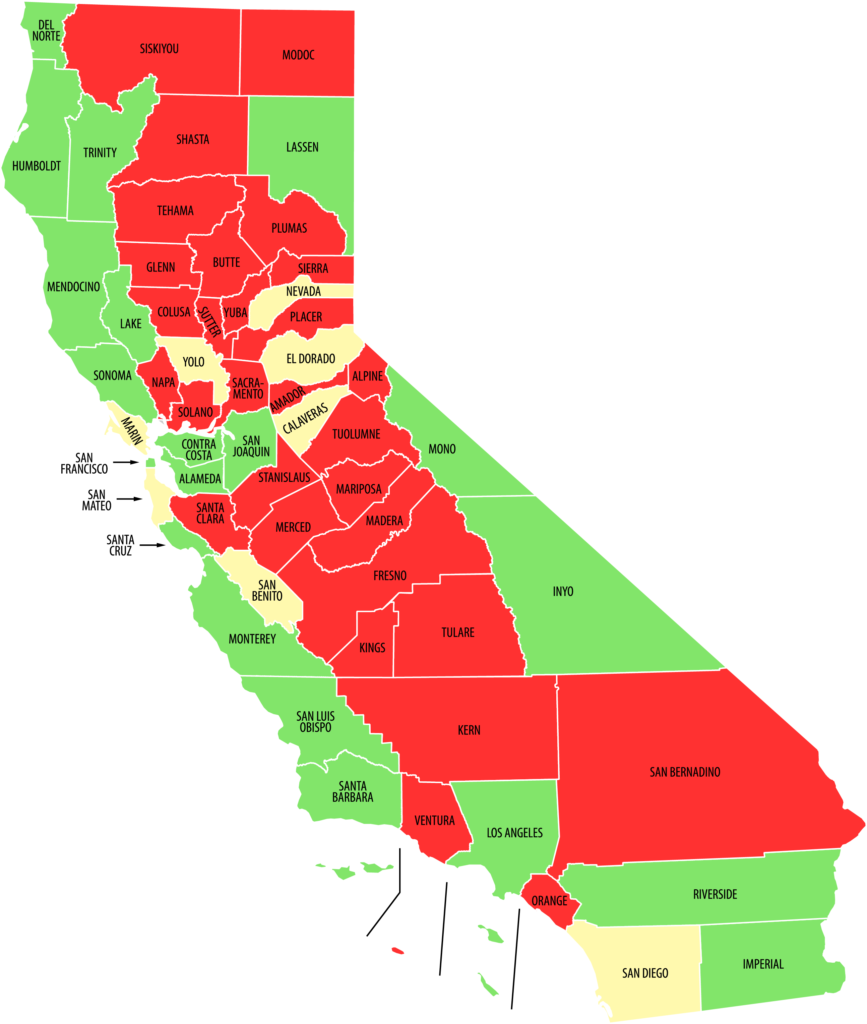
The legalization of cannabis has significantly reshaped California’s economy, culture, and tourism industry. What was once a taboo subject is now a regulated industry, generating substantial tax revenue and creating new business opportunities. For visitors, this means encountering licensed dispensaries, cannabis-friendly experiences, and a general shift in public perception. However, it’s essential to remember that despite state-level legality, federal prohibition still looms, creating a complex web of rules that both residents and tourists must carefully consider. This article will unravel the intricacies of California’s cannabis laws, providing a comprehensive guide for anyone looking to understand this aspect of their travel or lifestyle in the state.
The Evolving Legal Landscape of Cannabis in California
California has historically been at the forefront of cannabis reform, paving the way for other states to follow suit. Its journey towards legalization is a testament to decades of advocacy, public discourse, and shifting societal views. Understanding this historical progression is key to appreciating the current legal framework.
Proposition 215: Medical Marijuana’s Foundation
The journey began in 1996 with the passage of Proposition 215, also known as the Compassionate Use Act of 1996. This landmark initiative made California the first state in the United States to legalize marijuana for medical purposes. Under Proposition 215, patients with a doctor’s recommendation for certain qualifying medical conditions could legally obtain and use cannabis. This marked a pivotal moment, shifting the conversation around marijuana from purely illicit substance to a recognized medicine with therapeutic potential.
The Compassionate Use Act of 1996 provided a legal defense for patients and their primary caregivers against state criminal charges for possession and cultivation. While it opened the door for medical cannabis, the initial years were characterized by a lack of clear regulatory guidelines, leading to a patchwork of local ordinances and legal interpretations. This period saw the rise of various medical marijuana dispensaries and collectives, often operating in a grey area, yet serving a critical need for patients seeking alternative treatments. The success and challenges of Proposition 215 laid the groundwork for future, more comprehensive reforms.
Proposition 64: Legalizing Recreational Use
Two decades after legalizing medical cannabis, California took another monumental step forward with the passage of Proposition 64 in November 2016. Also known as the Adult Use of Marijuana Act, this initiative legalized the recreational use of cannabis for adults aged 21 and older. This decision aligned California with other pioneering states like Colorado and Washington, signaling a broader national trend towards cannabis liberalization.
Proposition 64 did more than just permit recreational use; it established a comprehensive regulatory framework for the cultivation, testing, distribution, and sale of cannabis. This framework aimed to create a safe and transparent market, moving away from the unregulated illicit market. It introduced stringent licensing requirements for businesses, ensuring product safety through mandatory testing for pesticides, heavy metals, and potency. Furthermore, it imposed taxes on cannabis sales and cultivation, with revenues earmarked for youth programs, environmental protection, and public safety initiatives. The implementation of Proposition 64 officially commenced in January 2018, transforming the state’s cannabis landscape into the regulated industry we see today.
Understanding California’s Cannabis Laws for Tourists and Residents
While California has embraced cannabis legalization, it’s vital for both residents and visitors to understand the specific rules governing its purchase, possession, and consumption. Navigating these laws responsibly ensures a safe and enjoyable experience for everyone.
Where Can You Legally Purchase Cannabis?
The legal purchase of cannabis in California is strictly confined to licensed dispensaries. These establishments, easily identifiable by official signage and a welcoming atmosphere, are the only places where consumers can legally buy cannabis products. Whether you’re in bustling Los Angeles, vibrant San Francisco, the state capital of Sacramento, or any other city, you’ll find a network of these regulated shops. It’s crucial to avoid purchasing cannabis from unlicensed sources, such as street vendors or pop-up shops, as these operations are illegal and their products are unregulated, posing potential health risks.
When visiting a dispensary, you’ll need to present a valid government-issued ID proving you are 21 years or older. This applies universally, regardless of whether you’re a state resident or an international tourist. The staff at these dispensaries are typically well-informed and can guide you through the various product types—from flowers and edibles to concentrates and topicals—helping you make an informed choice based on your preferences and experience level. Many dispensaries also offer delivery services within their local areas, providing a convenient option for those who prefer to shop from the comfort of their accommodation.

Possession Limits and Consumption Rules
California law sets clear limits on the amount of cannabis an individual can legally possess. For adults aged 21 and over, the limit is up to one ounce (28.5 grams) of dried cannabis flower and up to eight grams of concentrated cannabis. These limits apply to personal possession and are designed to prevent large-scale distribution by individuals. For those interested in cultivation, adults are permitted to grow up to six cannabis plants per private residence, ensuring personal supply while adhering to home cultivation regulations.
Regarding consumption, the rules are more restrictive. Cannabis consumption is generally prohibited in public places and any location where tobacco smoking is banned. This means you cannot legally smoke, vape, or consume edibles in parks, on sidewalks, in restaurants, bars, or inside most hotels. The consumption of cannabis is typically restricted to private residences or specifically designated cannabis consumption lounges, which are slowly emerging in cities like Oakland and San Francisco. It’s also illegal to consume cannabis within 1,000 feet of a school, daycare center, or youth center while children are present. Disregarding these consumption rules can lead to fines and legal penalties, so exercising discretion and knowing your surroundings is paramount.
Age Restrictions and ID Requirements
The age restriction for recreational cannabis in California is strictly 21 years or older. There are no exceptions for individuals under this age, even if they possess a medical recommendation from another state. When purchasing cannabis from a licensed dispensary, whether in person or via delivery, you will be required to show a valid government-issued identification, such as a driver’s license, state ID card, or passport. This strict enforcement is a cornerstone of responsible regulation, aiming to prevent access to minors and ensure compliance with state law.
For medical cannabis patients who obtained their recommendation under Proposition 215, the age requirement for a medical cannabis card is 18 years, though minors can obtain one with parental consent and a doctor’s approval. However, even with a medical card, if you are under 21, you are still subject to certain restrictions that do not apply to adults using recreational cannabis. Tourists planning to visit California should ensure they have their valid ID readily available if they intend to purchase cannabis, as dispensaries are very rigorous in checking identification.
Navigating Cannabis While Traveling in California
Traveling through California offers an incredible array of experiences, from its stunning coastlines to its majestic mountains. For those interested in cannabis, understanding how the laws intersect with travel is critical to avoiding complications and ensuring a smooth journey.
Public Consumption and Designated Areas
One of the most frequent misconceptions for visitors is the belief that because cannabis is legal, it can be consumed openly anywhere. As previously noted, this is not the case. Public consumption of cannabis, including smoking, vaping, or eating edibles, remains illegal in most public spaces across California. This includes streets, parks, beaches, and even within the confines of a parked vehicle. Fines can be levied for public consumption, so it is advisable to be discreet and respectful of public norms.
However, a growing number of cities are beginning to permit and license cannabis consumption lounges. These are dedicated, regulated spaces where adults 21 and over can legally consume cannabis products in a social setting. While not yet ubiquitous across the state, these lounges offer a legal and safe environment for tourists and residents alike to enjoy cannabis outside of private residences. Before consuming, always verify the rules of the establishment or area you are in. Many hotels and accommodation providers also have their own strict policies regarding cannabis use on their premises, which we will delve into further. Furthermore, consumption is strictly prohibited on federal lands, which include all National Parks within California, such as Yosemite National Park, Death Valley National Park, and national forests.
Driving Under the Influence (DUI) and Cannabis
Just like alcohol, driving under the influence of cannabis is illegal and severely penalized in California. Law enforcement is trained to identify impaired drivers, and penalties for cannabis DUI can be as severe as those for alcohol DUI, including fines, license suspension, and even jail time. It is also illegal to have an open container of cannabis or a cannabis product in the passenger compartment of a vehicle, similar to open container laws for alcohol. Any cannabis product in a vehicle should be in a sealed container or stored in the trunk, out of reach of the driver and passengers.
If you plan to consume cannabis, it is imperative to arrange for alternative transportation, such as ride-sharing services, taxis, or public transit. This responsibility extends not only to drivers but also to passengers. Planning ahead ensures the safety of yourself and others on the road and avoids serious legal consequences that could derail your travel plans.
Interstate Travel and Federal Laws
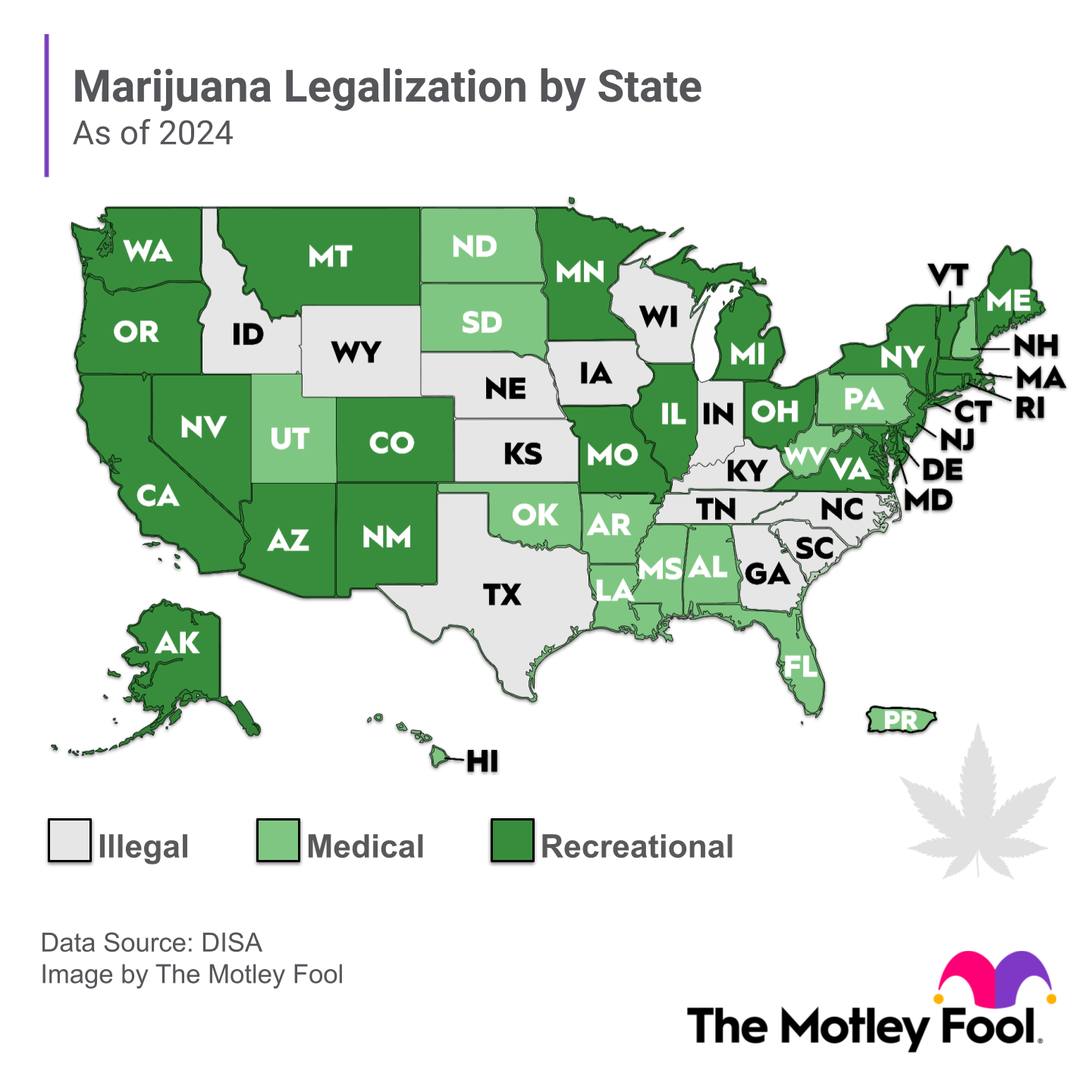
Perhaps one of the most critical aspects for travelers to understand is the conflict between state and federal law. While cannabis is legal in California, it remains an illegal Schedule I controlled substance under federal law in the United States. This federal prohibition has significant implications for interstate travel. It is illegal to transport cannabis across state lines, even if both the originating and destination states have legalized marijuana (e.g., from California to Nevada or Oregon). Crossing state borders with cannabis, by car, bus, train, or plane, can lead to federal charges.
Similarly, air travel with cannabis is strictly prohibited. Despite California law, airports fall under federal jurisdiction. Bringing cannabis into an airport, even for domestic flights within California, is technically illegal and can lead to confiscation or arrest by federal authorities like the TSA. The safest advice for travelers is simple: do not travel with cannabis outside of the state, and avoid bringing it to airports or other federal facilities. Plan to purchase and consume cannabis only within [California](https://lifeoutofthebox.com/california]’s borders and discard any unused products before departing.
The Economic and Cultural Impact on California Tourism
The legalization of cannabis has ushered in a new era for California, extending its influence far beyond local markets into the realm of tourism and lifestyle. This burgeoning sector is reshaping how visitors experience the state, from specialized tours to accommodation policies.
Cannabis Tourism: A Growing Niche
California’s cannabis legalization has given rise to a unique and rapidly expanding niche: cannabis tourism. For travelers, this means a curated experience that integrates cannabis into their itinerary, moving beyond simple dispensary visits. Cannabis tourism can include guided tours of cultivation facilities in areas like the Emerald Triangle, educational workshops on cannabis history and consumption, or even infused dining experiences and spa treatments. These offerings cater to a diverse demographic, from curious first-timers to connoisseurs seeking premium products and experiences.
Cities like Los Angeles and San Francisco are at the forefront of this trend, boasting a variety of services designed to make cannabis accessible and enjoyable for tourists. Imagine a cannabis-friendly city tour that includes stops at iconic landmarks like the Golden Gate Bridge or Hollywood, culminating in a visit to a premier dispensary and a relaxing lounge. This segment of tourism is not just about consumption; it’s about education, culture, and experiencing cannabis as part of a broader lifestyle choice, enhancing the overall travel experience for many.
Accommodation and Cannabis Policies
When it comes to accommodation, the situation with cannabis can be varied and requires careful attention. While cannabis is legal in California, individual hotels, resorts, and vacation rental properties have the right to set their own policies regarding its use on their premises. The vast majority of hotels, particularly major chains, maintain strict no-smoking policies, which often extend to cannabis. This means smoking or vaping cannabis in your hotel room, or even on balconies, is generally prohibited and can result in significant cleaning fees or even eviction.
However, a growing number of cannabis-friendly accommodations are emerging, ranging from boutique hotels that cater specifically to cannabis users to private vacation rentals that explicitly permit consumption. These properties might offer designated outdoor smoking areas, vaporizers for rent, or even special packages that include cannabis experiences. If you plan to consume cannabis during your stay, it is imperative to confirm the accommodation’s policy beforehand. Websites like ours, focused on travel and accommodation, can be a valuable resource for finding properties that align with your lifestyle choices. Transparency is key to avoiding misunderstandings and ensuring a comfortable and compliant stay.
Exploring Cannabis-Friendly Experiences
Beyond dispensaries and consumption lounges, California offers an array of cannabis-friendly experiences that cater to various interests. For the culinary enthusiast, there are pop-up dinners and catering services that feature cannabis-infused dishes, often prepared by gourmet chefs who skillfully integrate flavors and effects. Wellness seekers can find spas offering CBD massages or cannabis-infused bath products designed for relaxation and therapeutic benefits.
Art and entertainment venues are also embracing cannabis, with events ranging from cannabis-themed art shows to comedy nights and concerts where consumption is permitted in designated areas. For those who enjoy the outdoors, some tour operators offer guided hikes or nature walks that incorporate cannabis, focusing on mindfulness and appreciation of California’s natural beauty. These experiences highlight the diverse ways cannabis is being integrated into modern lifestyle and leisure, offering a unique dimension to the state’s already rich tourism landscape. Exploring these options can provide a deeper, more personal connection to California’s evolving culture.
Future Outlook and Responsible Consumption
The journey of cannabis legalization in California is an ongoing process, marked by continuous refinement of regulations and adaptation to market demands. The future promises further evolution in how cannabis is perceived, consumed, and integrated into daily life and tourism. As the industry matures, we can anticipate more sophisticated product offerings, a wider array of cannabis-friendly services, and potentially, a greater normalization of its presence in social settings. This could include an increase in licensed consumption lounges, clearer guidelines for accommodation providers, and more integrated tourism packages that responsibly showcase the state’s cannabis culture.
However, the shadow of federal prohibition still looms large, posing challenges for interstate commerce, banking, and scientific research. Efforts continue at the federal level to reconcile state and federal laws, which if successful, would unlock unprecedented growth and stability for the cannabis industry in California and across the United States. Until then, responsible consumption and adherence to current state laws remain paramount.
For anyone engaging with cannabis in California, whether as a resident or a tourist, the key is always to educate yourself, consume responsibly, and respect the laws and local customs. Always purchase from licensed dispensaries, be mindful of possession limits, and never consume in public places or on federal land. Avoid driving under the influence and remember the strict prohibition against interstate transport. By understanding and respecting these guidelines, you can fully and safely enjoy the unique experiences that California’s progressive cannabis laws afford, ensuring your travels are memorable for all the right reasons.
LifeOutOfTheBox is a participant in the Amazon Services LLC Associates Program, an affiliate advertising program designed to provide a means for sites to earn advertising fees by advertising and linking to Amazon.com. Amazon, the Amazon logo, AmazonSupply, and the AmazonSupply logo are trademarks of Amazon.com, Inc. or its affiliates. As an Amazon Associate we earn affiliate commissions from qualifying purchases.