
Colorado stands as a pioneering state in the United States, having been at the forefront of cannabis legalization. For travelers planning a visit to the Centennial State, understanding the nuances of its marijuana laws is essential for a smooth and enjoyable experience. Whether you’re drawn to the majestic Rocky Mountains, the vibrant urban landscape of Denver, or the serene beauty of its many national parks, knowing the legal framework surrounding cannabis will ensure compliance and enhance your trip. This guide delves into the specifics of marijuana legality in Colorado, offering crucial insights for tourists, from purchase to consumption, and outlining the impact on the state’s burgeoning tourism and lifestyle sectors.
Historically, cannabis has been a contentious topic globally, with varying legal statuses from outright prohibition to decriminalization and full legalization. Colorado’s journey toward legalization began with medical marijuana in 2000, culminating in the landmark Amendment 64 in 2012, which legalized recreational cannabis for adults 21 and over. This move placed Colorado alongside Washington State as the first two states to embark on this revolutionary path, setting a precedent that many others would eventually follow. The decision was not merely about individual liberty but also about generating significant tax revenue for the state, funding vital public services such as education and infrastructure, and establishing a regulated market to replace illicit trade.
For visitors, the question “Is marijuana legal in Colorado?” is met with a resounding “Yes,” but with important caveats. While legal for adults, the state has implemented strict regulations governing its sale, possession, and consumption, particularly with an eye toward public safety and responsible tourism. These rules are designed to integrate cannabis into the existing social fabric without disrupting the overall experience for residents and non-users. Understanding these regulations is paramount for anyone considering incorporating cannabis into their Colorado travel itinerary, ensuring a stress-free exploration of all that this incredible destination has to offer. From navigating the purchasing process at licensed dispensaries to understanding where consumption is permitted, and how it impacts your travel plans, this guide will serve as your comprehensive resource.

Understanding Colorado’s Cannabis Landscape for Travelers
Colorado’s approach to cannabis is multifaceted, encompassing both medical and recreational use, each with its own set of rules. For the average traveler, the focus will primarily be on recreational cannabis, as medical marijuana requires a state-issued patient card, which is not typically accessible to out-of-state visitors. However, understanding the distinction provides a fuller picture of the state’s progressive policies.
A Brief History of Legalization
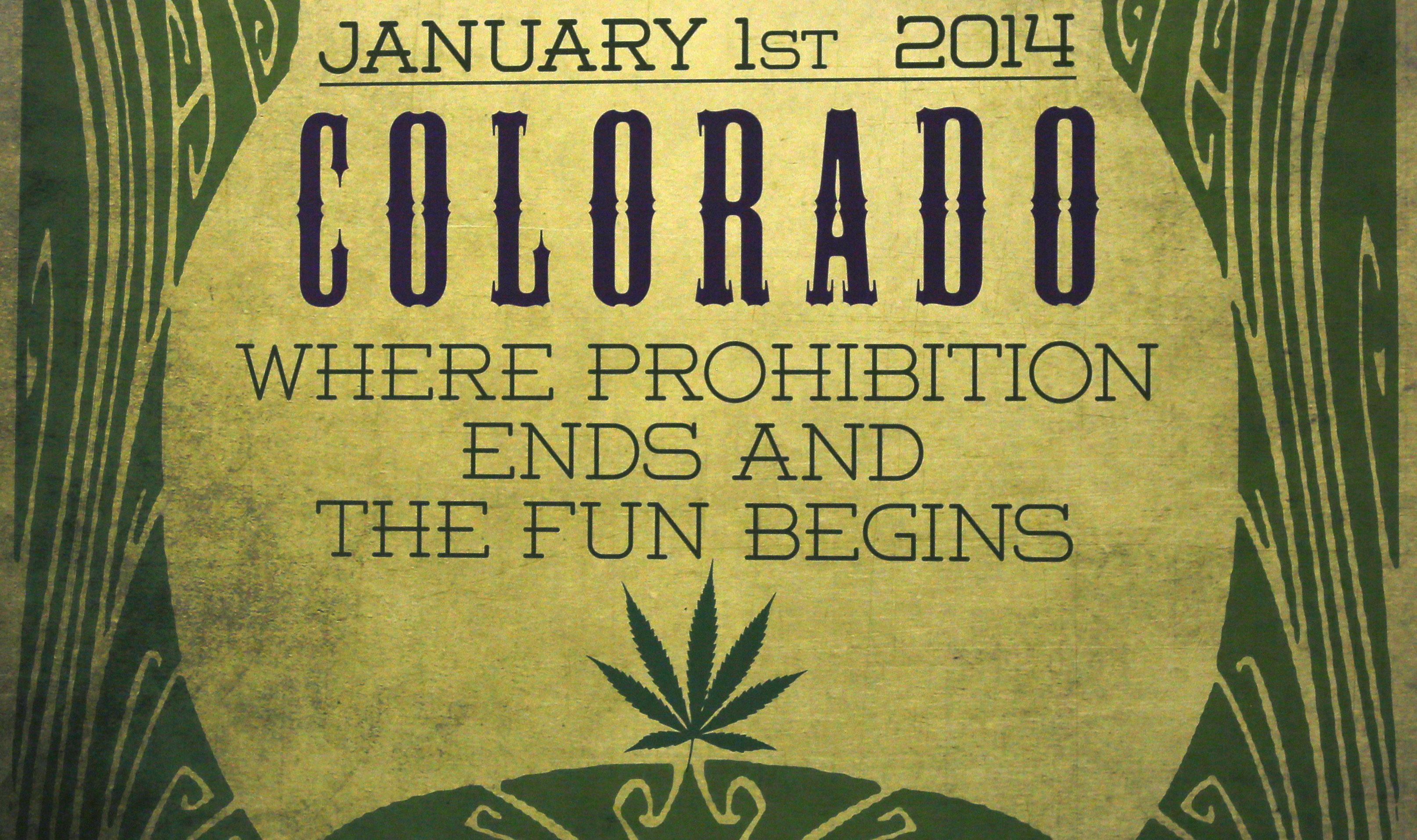
The path to legalization in Colorado was a gradual one. It began with the passage of Amendment 20 in 2000, which legalized medical marijuana for patients with debilitating medical conditions. This created a regulated system for medical dispensaries and patient cultivation. The true game-changer, however, was Amendment 64, passed in November 2012 and implemented in January 2014. This groundbreaking legislation legalized the possession and sale of recreational marijuana for adults aged 21 and older, making Colorado a pioneer in the global cannabis reform movement. The amendment allowed for the cultivation, processing, and sale of cannabis products through state-licensed retail stores, akin to liquor stores, with strict oversight from the Colorado Department of Revenue’s Marijuana Enforcement Division.
The decision to legalize recreational cannabis was driven by various factors, including the belief in individual freedom, the desire to undercut the black market, and the potential for substantial tax revenue. Since its implementation, Colorado has reaped significant economic benefits, with millions of dollars flowing into state coffers, directly impacting public services. This financial boon, combined with the successful establishment of a regulated industry, has provided a powerful case study for other states and countries considering similar reforms. It has also helped to destigmatize cannabis use, fostering a more open dialogue about its role in society and tourism.
Medical vs. Recreational Cannabis
While both medical and recreational cannabis are legal in Colorado, the regulations governing them differ significantly. Medical marijuana patients, upon obtaining a Colorado Medical Marijuana Registry Card, can purchase larger quantities of cannabis and often benefit from lower taxes. They may also access dispensaries that exclusively cater to medical patients, which sometimes offer a broader range of products or higher potency options not available on the recreational market.
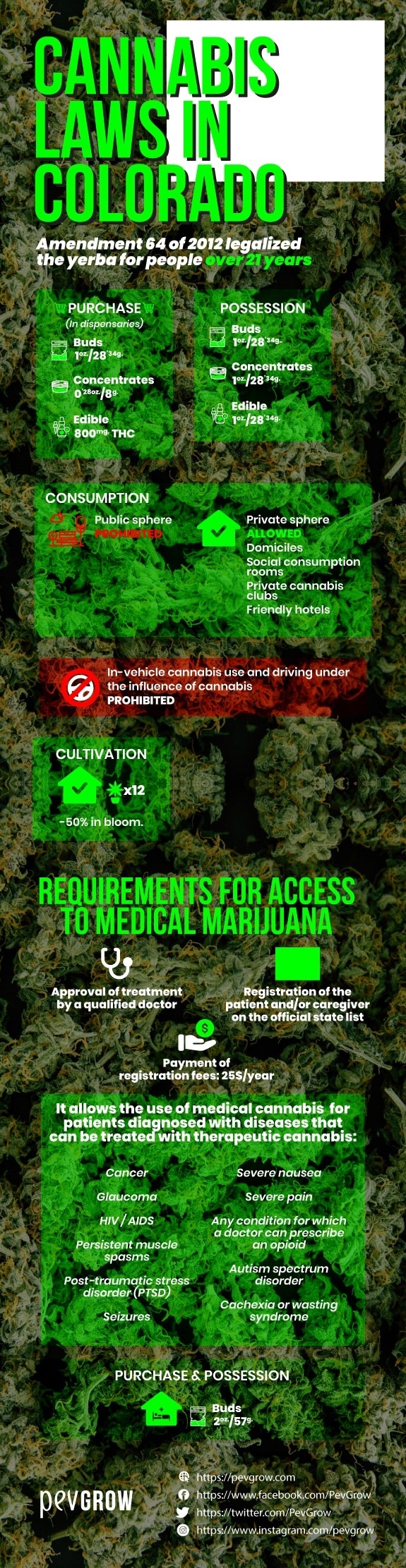
For recreational users and tourists, the rules are more straightforward. Adults aged 21 and older can purchase up to one ounce (28 grams) of flower, 8 grams of concentrate, or 800 milligrams of edibles in a single transaction. These products are subject to state sales tax, local sales tax, and a special excise tax, which contribute to the revenue streams mentioned earlier. The identification requirements are strict: a valid government-issued photo ID proving age 21 or over is mandatory. This can include a driver’s license from any U.S. state or territory, a state-issued ID card, a military ID, or an international passport. Visitors should always carry their ID when purchasing or possessing cannabis. The recreational market is designed to be accessible yet controlled, ensuring that visitors can engage with the cannabis industry safely and legally, provided they adhere to the established guidelines.
Navigating Legal Purchase and Consumption
For visitors to Colorado, understanding precisely where and how to purchase cannabis, as well as the rules around its consumption, is crucial for a compliant and enjoyable experience. The state has established clear guidelines to manage its legal cannabis industry, aiming to balance accessibility with public safety and local sensibilities.
Where to Buy: Licensed Dispensaries
The only legal places to purchase recreational marijuana in Colorado are state-licensed retail dispensaries. These establishments are easily identifiable, often with distinctive signage, and operate under strict regulations. You’ll find them in major cities like Denver, Boulder, Aspen, and many other towns across the state. It’s important to note that not all municipalities permit dispensaries, so availability can vary by location. For instance, Colorado Springs, the state’s second-largest city, has numerous medical dispensaries but does not allow recreational sales within city limits, although recreational dispensaries are available in nearby towns like Manitou Springs or Pueblo.
Age Restrictions and ID Requirements
To enter and make a purchase at a recreational dispensary, you must be 21 years of age or older. This is strictly enforced, and dispensaries will require a valid government-issued photo identification from everyone, regardless of apparent age. Acceptable forms of ID include a valid driver’s license from any state or territory, a state-issued identification card, a military ID, or a passport. Foreign visitors should ensure their passport is current and present it when making a purchase. Dispensary staff are trained to verify IDs diligently, and underage attempts to purchase cannabis are met with severe penalties for both the individual and the establishment.
Types of Products Available
Colorado’s dispensaries offer a wide array of cannabis products to suit different preferences and consumption methods. You can typically find:
- Flower (Buds): The traditional form of cannabis, available in various strains with different cannabinoid profiles (e.g., THC, CBD).
- Edibles: Cannabis-infused food products such as gummies, chocolates, baked goods, and beverages. These are clearly labeled with THC content per serving, usually 10mg, to help users manage their dosage.
- Concentrates: Highly potent forms of cannabis, including wax, shatter, live resin, and oils, typically consumed through vaping or dabbing.
- Vape Cartridges: Pre-filled cartridges containing cannabis oil, designed for use with specific vape pens, offering a discreet and convenient consumption method.
- Topicals: Non-psychoactive cannabis-infused lotions, balms, and salves applied to the skin for localized relief.
Staff at dispensaries are generally knowledgeable and can provide guidance on different products, strains, and consumption methods, especially for those new to cannabis or seeking specific effects. They can help you understand potency, onset times, and duration of effects, which is particularly important for edibles due to their delayed and often more intense impact.
Where You Can Consume: Public vs. Private
While purchasing cannabis is straightforward, knowing where you can legally consume it is paramount. Colorado’s laws are very strict regarding public consumption.
Private Residences and Rentals
The safest and most legal place to consume cannabis in Colorado is on private property, specifically within a private residence where the owner permits its use. If you are staying with friends or family, ensure you have their explicit permission. For visitors staying in vacation rentals booked through platforms like Airbnb or VRBO, it is imperative to check the property’s specific rules. Many hosts explicitly prohibit cannabis consumption, particularly smoking, to avoid damage or lingering odors. Ignoring these rules can lead to fines, eviction, or negative reviews.
Cannabis-Friendly Accommodations and Tours
The growing demand for cannabis tourism has led to the emergence of cannabis-friendly accommodations and specialized tours. Some hotels, particularly boutique establishments or private guesthouses, now offer designated rooms or outdoor areas where cannabis consumption is permitted. It is crucial to confirm these policies directly with the hotel or accommodation provider when booking. Websites and apps dedicated to cannabis-friendly travel can also help locate such properties, which might include anything from upscale hotels in Denver to quaint bed and breakfasts in mountain towns like Breckenridge or Telluride.
Additionally, cannabis tours have become popular, offering guided experiences to dispensaries, grow facilities, and private consumption lounges. These tours often provide a safe and legal environment for consumption, particularly in cities like Denver which has seen the opening of a limited number of licensed cannabis consumption lounges. These lounges are designed to comply with local regulations, offering a space where visitors can legally consume cannabis in a social setting, something that is otherwise difficult to find due to public consumption bans.
The Strict Rules Against Public Consumption
One of the most critical rules for visitors to remember is that public consumption of cannabis is illegal in Colorado. This includes smoking, vaping, or consuming edibles in parks, sidewalks, ski slopes, outdoor music venues, restaurants, bars, and even in your parked car. Public consumption can lead to fines and legal penalties, potentially ranging from a minor citation to a more significant misdemeanor charge.
Furthermore, consumption in plain view or in a manner that is “open and public” is also prohibited. This applies even if you are on private property but visible from a public space. Law enforcement takes these rules seriously, and ignorance of the law is not considered a valid defense. Tourists should exercise discretion and only consume cannabis in designated private spaces to avoid any legal troubles and ensure a smooth trip. This includes avoiding consumption in hotel lobbies, hallways, or any common areas unless explicitly permitted by the establishment.
Essential Travel Tips for Cannabis Enthusiasts
Traveling to Colorado with the intention of exploring its legal cannabis market requires careful planning and adherence to specific rules to avoid legal pitfalls and ensure a pleasant trip. From transportation laws to responsible consumption, these tips are invaluable for any visitor.
Transportation and Travel Laws
The legality of cannabis in Colorado does not extend to all aspects of transportation. Understanding these boundaries is critical.
Driving Under the Influence (DUI)
Driving under the influence of cannabis is illegal and carries severe penalties, similar to alcohol DUI laws. Colorado law establishes a permissible limit of 5 nanograms of active THC per milliliter of blood. However, even if you are below this limit, officers can still arrest you if they believe you are impaired to the slightest degree. It’s best practice to avoid driving altogether after consuming cannabis. Utilize ride-sharing services, taxis, or public transportation if you plan to consume. Passengers are also prohibited from consuming cannabis in a moving vehicle. Any open containers of cannabis must be stored in the trunk or a locked glove compartment, similar to open container laws for alcohol.
Flying In and Out of Colorado
Despite state-level legalization, cannabis remains illegal under federal law. This means it is illegal to transport cannabis across state lines, whether by car, bus, train, or airplane. This includes flights departing from Denver International Airport or any other airport in Colorado. Airport authorities and TSA operate under federal jurisdiction, and possession of cannabis on airport property or attempting to board a flight with it can lead to federal charges, even if your destination state has also legalized it. The safest advice is to consume all purchased cannabis products responsibly within Colorado and not attempt to take any home. If you have leftover products, it is best to dispose of them legally or leave them behind.
Responsible Consumption and Local Etiquette
Responsible use is not just about legality; it’s about being a considerate visitor and ensuring a positive experience.
Start Low, Go Slow
For those new to cannabis or trying a new product, especially edibles, the mantra “start low, go slow” is paramount. Edibles, in particular, can have a delayed onset (30 minutes to 2 hours) and often produce more intense and longer-lasting effects than inhaled cannabis. Begin with a small dose (e.g., 2.5mg or 5mg of THC for edibles) and wait at least two hours before considering more. Overconsumption can lead to uncomfortable experiences, including anxiety, paranoia, or nausea, which can significantly detract from your travel enjoyment. Always read product labels carefully for THC and CBD content.
Respecting Local Laws and Culture
Colorado’s communities vary in their embrace of cannabis. While cities like Denver and Boulder are generally more open, more conservative areas or family-oriented resorts like Vail or Keystone might have a more reserved attitude. Always be discreet with your consumption, even in private settings. Avoid strong odors in shared spaces, and never offer cannabis to minors or individuals who appear intoxicated. Engage respectfully with dispensary staff, fellow tourists, and locals. Remember that cannabis is still not universally accepted, and exercising courtesy goes a long way in ensuring a positive image for cannabis tourism.
Accommodation Considerations for Cannabis Users
Finding suitable accommodation is a key part of planning a cannabis-friendly trip to Colorado.
Finding Cannabis-Friendly Hotels and Vacation Rentals
Due to federal law and individual property policies, the vast majority of traditional hotels in Colorado prohibit cannabis use on their premises, especially smoking. Many larger chains, like the Hyatt Regency Denver or the Four Seasons Resort and Residences Vail, strictly enforce no-smoking policies, which often extend to vaping and cannabis. Smoking in a non-smoking room can result in hefty cleaning fees.
However, a growing number of specialized cannabis-friendly hotels, B&Bs, and vacation rentals cater to cannabis consumers. These establishments typically allow vaping or edibles indoors and may have designated outdoor smoking areas. Websites like Bud and Breakfast or similar cannabis tourism platforms can help you find such accommodations. It is always best to call and confirm the specific cannabis policies directly with the property before booking to avoid any surprises.
Understanding Hotel Policies
Even in cannabis-friendly hotels, there might be specific rules to follow, such as no smoking indoors, only vaping or edibles, or designated outdoor consumption areas. Always inquire about these policies upon check-in. If you choose a standard hotel, stick to edibles or other discreet forms of consumption, and be extremely careful about odors. Many hotels have sophisticated smoke detectors, and penalties for violating smoking policies can be substantial, often hundreds of dollars, potentially ruining your budget travel plans. Respecting the property’s rules is not just about avoiding fines; it’s about being a responsible traveler and contributing to a positive tourism environment for everyone.
The Economic and Cultural Impact on Colorado Tourism
Colorado’s decision to legalize recreational marijuana has had far-reaching implications, not only for its residents but also for its tourism industry, culture, and lifestyle. This bold move transformed the state into a unique destination, attracting a new demographic of travelers and spurring innovation in various sectors.
Boosting Local Economies
The economic benefits of cannabis legalization in Colorado have been significant. Since 2014, the state has generated over $2 billion in tax revenue from cannabis sales, a substantial portion of which is allocated to public services such as school construction, education programs, and health initiatives. This influx of funds has helped strengthen local economies across the state, from bustling cities like Denver to charming mountain towns such as Frisco and Steamboat Springs.
The cannabis industry itself has created tens of thousands of jobs, from cultivation and processing to retail, security, and ancillary services like marketing and legal support. This job growth has diversified the state’s economy, providing new opportunities for residents. Tourism, in particular, has seen a boost, with “cannabis tourism” emerging as a niche market. Visitors travel to Colorado specifically to experience legal cannabis, spending money not only at dispensaries but also on hotels, restaurants, attractions, and local transportation. This ripple effect contributes to a broader economic vitality that benefits numerous businesses unrelated to cannabis directly. For example, a traveler visiting a dispensary in Fort Collins might also explore the local breweries, dine at farm-to-table restaurants, and stay at a local boutique hotel, all contributing to the city’s economic health.
A Unique Niche in Travel and Lifestyle
Colorado’s legal cannabis market has cultivated a unique travel and lifestyle niche, appealing to those who seek destinations offering progressive policies and a relaxed, open-minded atmosphere. For many, the ability to legally purchase and consume cannabis adds an intriguing dimension to their travel experiences, complementing the state’s existing attractions like skiing, hiking in the Rocky Mountain National Park, or exploring cultural sites.
This has given rise to specialized tourism offerings, including guided dispensary tours, cannabis cooking classes, and even “ganja yoga” retreats. These experiences blend traditional tourism activities with the unique appeal of legal cannabis, providing visitors with memorable and distinctive ways to engage with the state’s culture. For example, some visitors might choose to relax with an edible after a long day on the slopes in Aspen or enjoy a cannabis-infused dinner at a private pop-up event in Denver. The availability of cannabis-friendly accommodations further enhances this lifestyle offering, allowing travelers to integrate cannabis seamlessly into their vacation without fear of legal repercussions, as long as they follow the rules. This progressive stance helps to shape Colorado’s image as a modern, forward-thinking destination that caters to a diverse range of interests and preferences.
Future Trends and Evolving Regulations
The cannabis landscape in Colorado is not static; it continues to evolve. Regulators are constantly reviewing and refining laws to address new challenges and opportunities. One significant area of development is the expansion of licensed cannabis consumption lounges. While initially slow to emerge due to local opposition and regulatory hurdles, cities like Denver are gradually approving more social consumption spaces, offering tourists and locals legal venues to consume cannabis outside of private residences. This trend is expected to grow, providing safer and more communal consumption options, which will further integrate cannabis into the mainstream tourism experience.
Another area of focus is product innovation and public health. As the market matures, there’s an ongoing emphasis on product safety, clear labeling, and consumer education, particularly concerning edibles and concentrates. The industry is also exploring more sustainable cultivation practices and ways to reduce its environmental footprint. Furthermore, Colorado continues to engage in discussions about social equity, aiming to ensure that the benefits of the cannabis industry are shared broadly and that past injustices related to prohibition are addressed. As other states and countries look to Colorado as a model, its evolving regulatory framework will continue to shape the future of legal cannabis globally, ensuring that it remains a vibrant and responsibly managed sector within the state’s economy and tourism appeal. Staying informed about these changes is beneficial for repeat visitors and those planning future trips to the Centennial State.
In conclusion, the answer to “Is marijuana legal in Colorado?” is a qualified yes for adults 21 and over. While the state embraces this progressive stance, it is crucial for visitors to understand and respect the strict regulations regarding purchase, consumption, and transportation. By doing so, travelers can safely and legally enjoy Colorado’s unique cannabis culture alongside its breathtaking natural beauty, vibrant cities, and diverse attractions, making their visit truly unforgettable.
LifeOutOfTheBox is a participant in the Amazon Services LLC Associates Program, an affiliate advertising program designed to provide a means for sites to earn advertising fees by advertising and linking to Amazon.com. Amazon, the Amazon logo, AmazonSupply, and the AmazonSupply logo are trademarks of Amazon.com, Inc. or its affiliates. As an Amazon Associate we earn affiliate commissions from qualifying purchases.