
Florida, known for its sun-drenched beaches, world-class theme parks, and vibrant cities, draws millions of visitors each year. From the magical enchantment of Walt Disney World Resort in Orlando to the bustling nightlife of Miami and the tranquil beauty of the Florida Keys, the Sunshine State offers an unparalleled array of experiences. However, for many travelers planning a trip in 2024, a pressing question often arises: what is the legal status of marijuana in Florida? The answer, while seemingly straightforward, carries nuances that are critical for both residents and tourists to understand to ensure a smooth and enjoyable visit. As the legal landscape surrounding cannabis continues to evolve rapidly across the United States, staying informed is paramount, especially when your travel plans might intersect with local laws and regulations. This comprehensive guide will delve into the current legalities of marijuana in Florida for 2024, examining both medical and recreational use, and providing essential advice for travelers seeking to navigate the state responsibly. Whether you’re considering a stay at one of Florida’s luxurious resorts, exploring its natural landmarks, or simply enjoying a laid-back vacation, understanding these laws will be a crucial part of your planning.
The Current Legal Landscape: Medical vs. Recreational in Florida
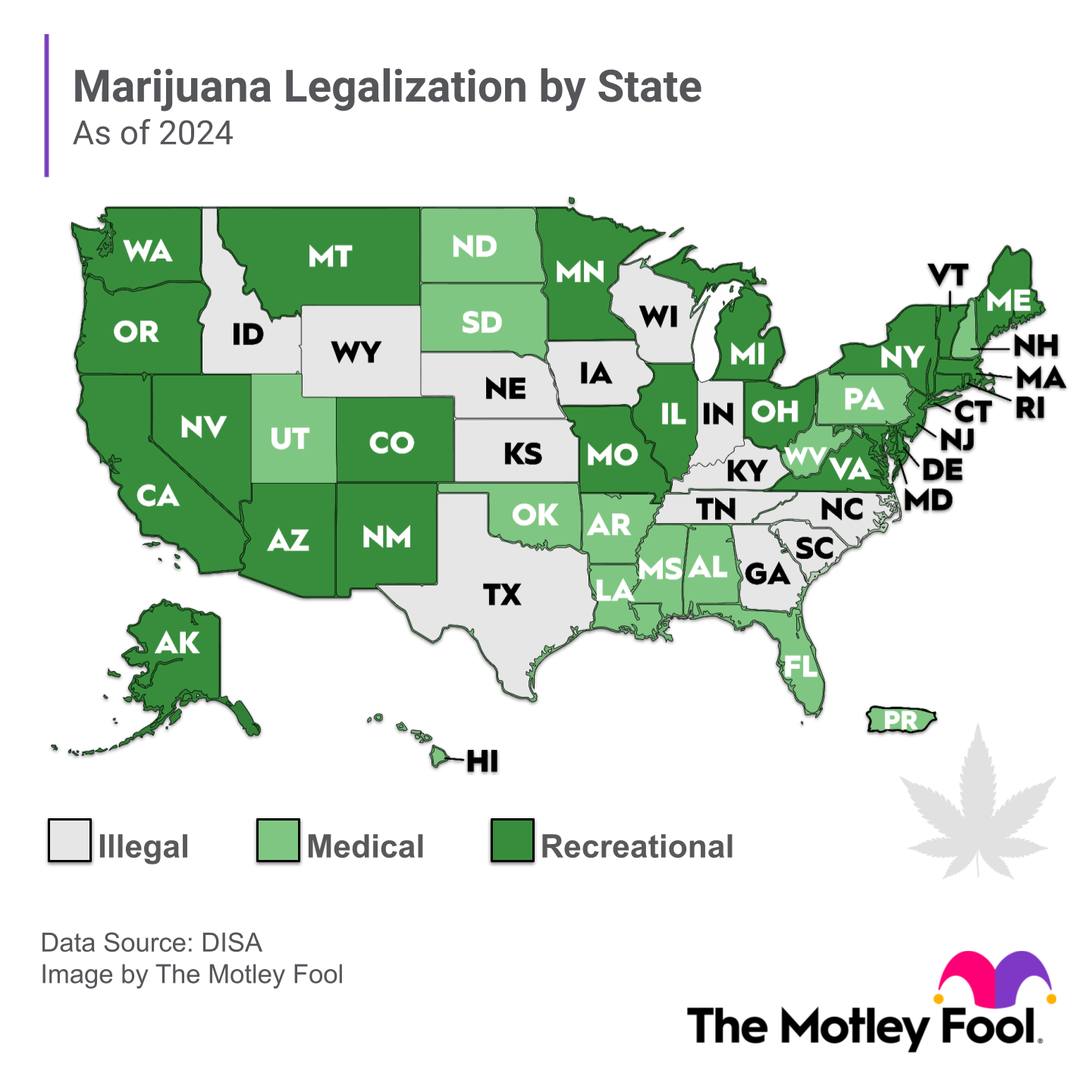
In 2024, the legal status of marijuana in Florida can best be described as a state of transition and strict regulation. While medical marijuana is firmly established and operational, recreational use remains illegal, though a significant shift may be on the horizon. This duality creates a complex environment, particularly for visitors who might be accustomed to more liberal cannabis laws in other states or countries. Understanding the distinction between medical and recreational legality is the first step in ensuring compliance and avoiding potential legal issues during your Florida vacation.
Medical Marijuana: What Travelers Need to Know
Florida implemented its compassionate use medical marijuana program after voters overwhelmingly approved Amendment 2 in 2016. This program allows qualified patients to obtain and use cannabis for specific debilitating medical conditions. The Florida Medical Marijuana Use Registry oversees this system, requiring patients to be certified by a qualified physician and obtain a state-issued identification card.
For travelers, the most critical aspect to understand is the lack of reciprocity. Unlike some other states, Florida does not recognize out-of-state medical marijuana cards. This means that even if you possess a valid medical marijuana card from another state, you are not legally permitted to purchase or possess medical cannabis in Florida. Attempting to do so, or bringing cannabis from another state into Florida, could lead to legal consequences.

The only way for a non-resident to legally obtain medical marijuana in Florida is to establish residency and go through the same process as a Florida resident, which involves a qualifying medical condition, certification by a Florida doctor, and obtaining a state medical marijuana card. This process is generally not feasible for short-term visitors. Therefore, for most tourists, participating in Florida’s medical marijuana program is not a viable option. It’s essential to plan your trip with this in mind, especially if you rely on cannabis for medical purposes. Exploring legal alternatives like CBD products, which are widely available and legal in Florida as long as they contain less than 0.3% THC, might be a consideration.
Recreational Marijuana: The Path to 2024 and Beyond
As of early 2024, recreational marijuana remains illegal in Florida. Possession of even small amounts for recreational purposes can result in misdemeanor charges, fines, and potential jail time, depending on the quantity. This is a crucial point for all travelers to remember. Despite the relaxed attitudes towards cannabis in many parts of the country, Florida’s law enforcement continues to enforce these prohibitions strictly.
However, 2024 is a pivotal year for recreational cannabis in the state. A proposed constitutional amendment, championed by the political committee Smart & Safe Florida, has successfully qualified for the November 2024 ballot. If approved by 60% of voters, this amendment would legalize recreational marijuana for adults 21 and older, allowing them to possess and purchase cannabis products from licensed dispensaries.
The potential impact of this ballot initiative on Florida tourism is immense. Should it pass, Florida could transform into one of the largest cannabis tourism markets in the nation, potentially attracting a new demographic of visitors seeking cannabis-friendly experiences. This could lead to the emergence of cannabis lounges, specialized tours, and new types of accommodations catering to this market. However, even if the amendment passes, implementation would take time, and regulations would need to be established by the Florida Department of Health. Until then, and regardless of the outcome, current laws must be respected. For the remainder of 2024, and potentially into 2025, recreational use is still a no-go for tourists and residents alike.
Navigating Florida as a Tourist: What the Laws Mean for Your Trip
Understanding the legal framework is just the beginning. For travelers, the practical implications of Florida’s marijuana laws extend to where you can stay, what you can do, and how you can get around. Ignoring these details can quickly turn a dream vacation into a stressful ordeal. Florida’s tourism industry thrives on providing memorable experiences, and part of that responsibility lies with visitors being informed and respectful of local regulations.
Accommodation and Cannabis: Hotel Policies and Public Spaces
When it comes to where you stay, the rules are generally quite clear: most Florida hotels, resorts, and other public accommodations operate under strict non-smoking policies. This policy almost universally extends to cannabis, even if medical. The use of marijuana, whether smoked or vaped, is typically prohibited within hotel rooms and common areas. Many establishments will charge significant cleaning fees if evidence of smoking is found. For example, major theme park resorts like those at Walt Disney World Resort or Universal Orlando Resort enforce comprehensive smoke-free policies across their entire properties, including vaping.
Even if recreational marijuana were to become legal, individual property owners and management would still have the right to prohibit its use on their premises. This is similar to how alcohol consumption is regulated: legal, but often restricted to specific areas or not permitted in certain public spaces. If you’re staying in a private rental through platforms like Airbnb or VRBO, the property owner’s specific rules will apply. Always check the listing details or communicate directly with the host regarding their cannabis policy before booking. Edibles might seem like a discreet alternative, but possession for recreational use is still illegal. Even if legally obtained with a medical card, consuming them in public or on private property where prohibited could lead to issues. It is prudent for all travelers to assume that cannabis use is generally not permitted in any Florida hotel or public accommodation unless explicitly stated otherwise by the establishment.

Transportation, Attractions, and Public Consumption
The stringent rules surrounding cannabis in Florida extend heavily into areas of transportation and public spaces. The federal prohibition on marijuana plays a significant role here, especially concerning airports and interstate travel.
- Driving Under the Influence (DUI): Florida has zero tolerance for driving under the influence of any impairing substance, including marijuana. Even if you possess a medical marijuana card, operating a vehicle while impaired is illegal and carries severe penalties, including fines, license suspension, and potential jail time. This is a critical safety and legal consideration for anyone renting a car to explore Florida’s vast attractions.
- Public Consumption: Regardless of medical status, consuming cannabis in public places is generally prohibited. This includes beaches like South Beach in Miami, state parks, national parks such as Everglades National Park, theme parks, sidewalks, and any establishment not specifically licensed for cannabis consumption (which, as of 2024, do not exist for recreational use). Violating these rules can lead to fines or arrests.
- Airports and Federal Law: Even if medical marijuana were legal for tourists in Florida, and even if recreational marijuana passes, federal law still classifies cannabis as an illegal Schedule I substance. This means that possession of marijuana in federal spaces, including airports like Orlando International Airport or Miami International Airport, and on airplanes, remains illegal. The U.S. Transportation Security Administration (TSA) states that while their screening procedures primarily focus on security threats, they are required to report suspected violations of law to local, state, or federal authorities. Attempting to travel with cannabis, even between states where it’s legal, is highly risky and advised against.
- Cruise Lines: If your Florida trip includes a cruise from ports like PortMiami or Port Canaveral, be aware that cruise lines have a zero-tolerance policy for marijuana, regardless of local or state laws. This is because cruise ships operate under maritime law, which often aligns with federal regulations, and they frequently travel through international waters where cannabis is illegal.
Cannabis Culture and Lifestyle in Florida: Beyond the Legalities
Despite the strict legal framework, there is a burgeoning cannabis culture and an evolving lifestyle surrounding cannabis wellness in Florida. This largely exists within the confines of the medical marijuana program and the booming CBD market, but also reflects a broader societal shift that anticipates future changes. For travelers interested in the wellness aspect or curious about the state’s future, understanding this cultural context adds another layer to their Florida experience.
The Evolving Landscape of Wellness and Hospitality
The rise of the medical marijuana program has created a sophisticated infrastructure of dispensaries across Florida, offering a wide range of products from flower to edibles, tinctures, and topicals. While these are currently exclusive to qualified patients, their presence hints at the potential for a broader market. Beyond THC-laden products, the market for CBD (cannabidiol) is thriving and entirely legal in Florida as long as it contains less than 0.3% THC.
This legality has integrated CBD into various wellness and hospitality offerings. Many Florida spas and wellness centers, particularly in luxury resorts found in cities like Palm Beach or Naples, now offer CBD-infused massages, skincare treatments, and other therapeutic services. This allows visitors to experience some of the purported benefits of cannabis without engaging in any illegal activities related to THC. The growth of this wellness segment suggests a readiness for a more comprehensive cannabis market should recreational legalization come to pass. In a post-legalization scenario, Florida could see the rise of cannabis-friendly hotels, “bud and breakfast” accommodations, and specialized tours that blend Florida’s attractions with cannabis experiences, much like what is seen in Colorado or California. For now, however, these remain speculative possibilities rather than current realities for general tourists.
Planning Your Florida Trip: Responsible Tourism and Compliance
Given the current legal framework, responsible tourism in Florida means approaching cannabis with caution and informed compliance. For any traveler, whether visiting Miami Beach, exploring the Kennedy Space Center, or relaxing in Key West, adhering to local laws is paramount.
Here are key takeaways for planning your trip:
- No Recreational Use: Assume recreational marijuana is illegal throughout your entire Florida visit for 2024. Do not purchase, possess, or consume it.
- Medical Cards Not Reciprocal: If you have an out-of-state medical marijuana card, it is not valid in Florida. Do not attempt to use it to acquire cannabis from Florida dispensaries.
- CBD is Legal: Legally available CBD products (under 0.3% THC) can be purchased and used if you wish to explore cannabis-derived wellness benefits. These are widely available in health stores, pharmacies, and specialty shops.
- Respect Private Property Rules: Always check the cannabis policies of your chosen accommodations, whether a hotel, resort, or private rental. Most will prohibit smoking or vaping cannabis.
- Avoid Public Consumption: Refrain from consuming cannabis in any public space, including beaches, parks, theme parks, and sidewalks.
- No Impaired Driving: Never drive under the influence of cannabis.
- Federal Spaces Remain Strict: Airports, U.S. National Parks Service sites, and interstate travel fall under federal law, where marijuana is illegal. Do not travel with cannabis.
The question “Is Marijuana Legal In Florida 2024?” is met with a clear “yes” for qualified medical patients and a resounding “no” for recreational users. However, the upcoming ballot initiative in November 2024 holds the potential to reshape this landscape dramatically. For now, responsible tourism means being fully aware of and compliant with the existing laws. Florida offers an incredible range of travel experiences, from bustling city breaks in Tampa to serene nature explorations in the Everglades. By staying informed and acting responsibly, you can ensure your trip to the Sunshine State is memorable for all the right reasons. Continue to monitor official news sources for updates on the November ballot initiative, as the future of cannabis in Florida could very well hinge on that vote, potentially opening new avenues for lifestyle and tourism in the coming years.
LifeOutOfTheBox is a participant in the Amazon Services LLC Associates Program, an affiliate advertising program designed to provide a means for sites to earn advertising fees by advertising and linking to Amazon.com. Amazon, the Amazon logo, AmazonSupply, and the AmazonSupply logo are trademarks of Amazon.com, Inc. or its affiliates. As an Amazon Associate we earn affiliate commissions from qualifying purchases.