
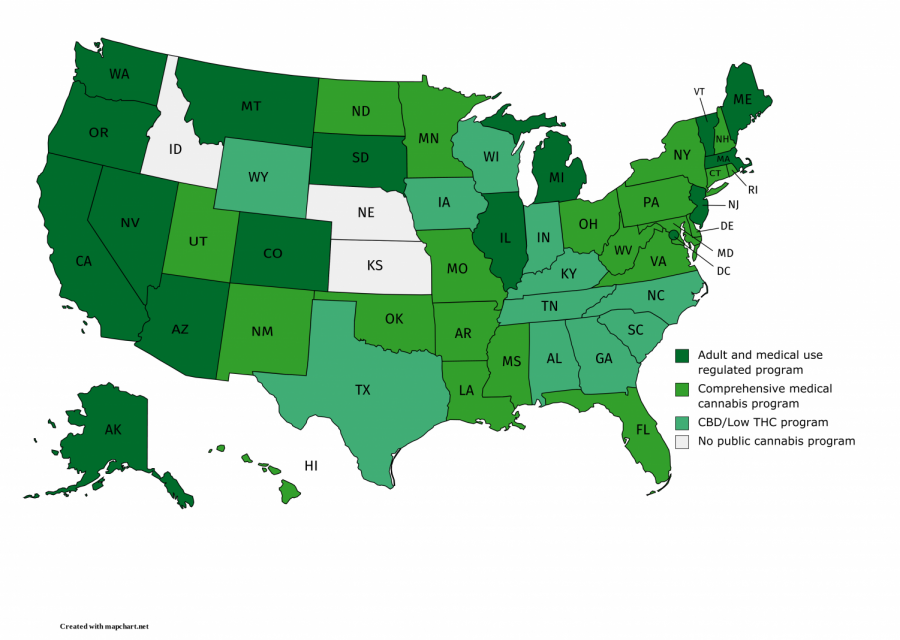
For many travelers planning their next adventure or considering a new lifestyle destination, understanding local laws and regulations is paramount. This is especially true when it comes to cannabis, a substance whose legal status varies dramatically from state to state across the United States. If you’re eyeing the vast prairies, vibrant cities, and rich history of Kansas, you might be wondering: Is marijuana legal in Kansas? The short answer, for both recreational and most medical uses, is a resounding no. Kansas remains one of the few states with very strict prohibition laws regarding cannabis, standing in stark contrast to many of its neighbors. This comprehensive guide aims to illuminate the nuances of cannabis law in the Sunflower State, offering crucial information for visitors, residents, and anyone curious about the evolving landscape of marijuana legislation.

Understanding the legal framework surrounding cannabis in Kansas is not just about avoiding legal trouble; it’s also about gaining insight into the state’s political climate, social attitudes, and its unique position in the broader national conversation on drug reform. Whether your visit involves exploring the historic sites of Topeka, experiencing the vibrant culture of Lawrence, or conducting business in Wichita, being informed is key to a smooth and enjoyable experience. This article will delve into the current legal status, the ongoing legislative efforts, the penalties for non-compliance, and the implications for tourism and lifestyle choices within Kansas.
The Current Legal Landscape in the Sunflower State
Kansas’s stance on marijuana is among the most conservative in the nation. Despite a growing national trend towards legalization or decriminalization, the state has largely maintained its traditional prohibitionist policies. This means that while you might find a cannabis dispensary just across the border in Missouri or Colorado, such establishments are entirely absent and illegal within Kansas itself. The legal framework is complex, with distinctions made between different types of cannabis products and their derivatives, but the overarching message remains clear for the plant itself.
Recreational Cannabis: A Strict Prohibition
When it comes to recreational marijuana, Kansas operates under a complete ban. There is no legal pathway for adults to purchase, possess, or consume cannabis for recreational purposes. This includes all forms: flower, edibles, concentrates, and vapes containing THC. The state’s laws do not differentiate based on the amount, though penalties certainly escalate with larger quantities. This firm prohibition is a significant consideration for anyone traveling through or planning a stay in Kansas, especially those coming from states where recreational cannabis is legal. It underscores the importance of leaving any cannabis products behind before crossing state lines into Kansas to avoid severe legal repercussions. The state legislature has shown little inclination to move towards recreational legalization in recent years, despite increasing public support and the economic benefits observed in neighboring states. For tourists seeking a particular lifestyle or travel experience that might involve cannabis, Kansas is unequivocally not the destination.
Medical Marijuana: Ongoing Legislative Hurdles
While recreational cannabis is strictly prohibited, the conversation around medical marijuana in Kansas has been more active, though largely unsuccessful. Unlike the vast majority of U.S. states, Kansas has yet to establish a comprehensive medical cannabis program. Numerous bills have been introduced in the Kansas Legislature over the past decade, aiming to legalize medical marijuana for patients suffering from debilitating conditions. These legislative efforts have consistently faced significant hurdles, often stalling in committees or failing to garner enough support for a floor vote.
Proponents of medical cannabis argue that patients in Kansas are being denied access to a treatment option that is available and proven effective in many other states. They highlight the potential for relief from chronic pain, epilepsy, multiple sclerosis, and other conditions. Opposition often cites concerns about public safety, the potential for recreational abuse, and the lack of FDA approval for cannabis as a medicine. The debate is ongoing, and while there is growing public and bipartisan support for medical cannabis, the legislative process in Kansas has proven to be slow and cautious. As of now, patients in Kansas do not have a legal avenue to obtain medical marijuana, even with a doctor’s recommendation. This places a significant limitation on healthcare options for some residents and visitors who might rely on cannabis for medicinal purposes in their home states.
Navigating the Nuances of CBD and Delta-8 THC
The one area where cannabis-derived products have found a foothold in Kansas is through the legal sale and consumption of CBD and, more ambiguously, Delta-8 THC.
-
CBD Products: Following the 2018 Farm Bill at the federal level, Kansas legalized industrial hemp and its derivatives, including CBD. This means that products containing cannabidiol (CBD) derived from hemp, with a THC concentration of less than 0.3%, are legal to purchase, possess, and consume. You can find CBD oils, tinctures, edibles, and topicals in various shops across the state, including health food stores, vape shops, and even some supermarkets. These products are not psychoactive and are often marketed for their potential therapeutic benefits, such as pain relief, anxiety reduction, and sleep improvement. For travelers, CBD products offer a legal way to explore some of the compounds found in the cannabis plant, without violating Kansas law.
-
Delta-8 THC: The legal status of Delta-8 THC in Kansas has been more contentious and subject to change. Delta-8 THC is a cannabinoid found in cannabis that is psychoactive, though typically less potent than Delta-9 THC (the primary psychoactive compound in marijuana). It exists in a legal grey area, largely because it is derived from hemp and often meets the less than 0.3% Delta-9 THC threshold set by the federal Farm Bill. For a period, Delta-8 THC products were widely available in Kansas, sold in similar outlets to CBD. However, legal interpretations by the state’s attorney general have challenged this, with some rulings declaring Delta-8 THC to be an illegal controlled substance under Kansas law. This has led to uncertainty and fluctuating availability. While some retailers may still carry these products, purchasing or possessing Delta-8 THC in Kansas carries a significant legal risk and is generally not advised for travelers or residents seeking to avoid any potential legal issues.
Penalties and Enforcement: What Visitors Need to Know
For anyone considering traveling to or living in Kansas, understanding the penalties associated with marijuana offenses is critical. The state’s strict laws mean that even minor infractions can lead to significant consequences, far more severe than in states with more lenient cannabis policies. Ignorance of the law is not considered a valid defense, making prior knowledge essential for responsible travel and lifestyle choices.
Consequences of Possession and Distribution
Kansas law imposes serious penalties for marijuana possession and distribution. These consequences vary depending on the amount of cannabis involved, prior offenses, and whether there was an intent to distribute.
- Possession:
- First Offense (Any Amount): Generally a Class B misdemeanor, punishable by up to six months in jail and a fine of up to $1,000. It can also lead to mandatory drug education or treatment programs.
- Second Offense: Typically elevated to a Class A misdemeanor, with potential jail time of up to one year and fines up to $2,500.
- Third or Subsequent Offense: Can be charged as a felony, leading to much longer prison sentences (e.g., 10-42 months) and significantly higher fines.
- Possession with Intent to Sell: Even relatively small amounts can be deemed “possession with intent to sell” if accompanied by paraphernalia (scales, baggies) or other indicators. This is a felony charge with much more severe penalties, including lengthy prison sentences (e.g., 31-136 months depending on the amount) and fines up to $100,000 or $300,000 for larger quantities.
- Concentrates and Edibles: These are often treated more harshly than raw plant material, sometimes carrying felony charges for even small amounts, as they are considered more potent.
- Distribution:
- Selling or cultivating marijuana is a felony offense in Kansas, with penalties varying widely based on the quantity. Even distributing less than 25 grams can result in a felony charge with possible prison sentences and substantial fines. These penalties escalate sharply for larger quantities, potentially leading to decades in prison for major trafficking operations.
- Paraphernalia: Possessing drug paraphernalia (e.g., pipes, bongs, grinders) is also illegal in Kansas, usually charged as a misdemeanor, even if no marijuana is present. This can lead to fines and jail time.
It is also important to note that a conviction for a marijuana-related offense can have long-lasting implications beyond direct penalties. This includes difficulties with employment, housing, obtaining professional licenses, and even eligibility for federal student aid. For international travelers, a drug conviction can impact future entry into the United States.
Local Ordinances Versus State Law
While state law maintains a strict prohibition, some cities in Kansas have attempted to implement more lenient local ordinances, primarily aiming to decriminalize minor marijuana possession. For example, Kansas City, Kansas (the Wyandotte County side of the metro area), Lawrence, and Topeka have, at various times, passed measures that sought to reduce penalties for small amounts of marijuana possession to a municipal infraction with a fine, rather than a state-level criminal charge.
However, a critical point for visitors and residents alike is that state law always supersedes local ordinances. This means that even if a city has a local decriminalization policy, law enforcement officers (particularly county sheriffs or state troopers) can still choose to enforce state law, which carries much harsher criminal penalties. Individuals cited under a local ordinance might still face charges under state law if the prosecutor decides to pursue them. This creates a legal gray area that offers little protection. The most prudent advice for anyone in Kansas is to adhere to state law to completely avoid legal entanglements, regardless of local city policies.
Implications for Travelers and Tourists
For those who enjoy exploring diverse destinations, from the natural beauty of the Flint Hills to the attractions in Wichita or the rich history in Abilene, understanding Kansas’s cannabis laws is essential for a worry-free trip. These laws have direct implications for how visitors should plan their travel, manage their expectations, and ensure their lifestyle choices align with local regulations.
Staying Compliant While Exploring Kansas
When planning a trip that involves travel to Kansas, strict compliance with cannabis laws is non-negotiable.
- Do Not Bring Cannabis into Kansas: Even if you are traveling from a state where recreational or medical marijuana is legal (such as Colorado, Missouri, or Oklahoma for medical), it is illegal to transport cannabis across state lines into Kansas. This applies to all forms of the plant, including edibles, concentrates, and vapes. Possession at checkpoints or during traffic stops can lead to arrest and charges under Kansas state law, regardless of where you legally acquired the substance.
- No Consumption in Kansas: There are no legal dispensaries, consumption lounges, or private clubs in Kansas for marijuana. Attempting to purchase or consume marijuana while in Kansas can lead to severe legal penalties.
- Be Mindful of CBD Purchases: While CBD products (containing less than 0.3% Delta-9 THC) are legal, ensure any product you purchase is clearly labeled and sourced from reputable vendors to avoid accidental possession of illegal THC levels. Avoid Delta-8 THC products due to their ambiguous and potentially illegal status.
- Accommodation Considerations: Hotels, resorts, apartments, and villas in Kansas will not permit the use of illegal substances on their premises. Even if cannabis were legal, most accommodations would still prohibit smoking due to general no-smoking policies. Traveling responsibly means respecting the rules of your chosen accommodation.
For tourists, the focus should remain on enjoying the myriad legal attractions Kansas has to offer. Explore the Cosmosphere in Hutchinson, delve into frontier history at Dodge City, or experience the unique arts scene in Lawrence. These experiences offer rich cultural and recreational value without any legal risk.
Federal Law’s Overarching Influence
An additional layer of complexity, especially relevant for interstate travel, is the ongoing federal prohibition of marijuana. Despite numerous states legalizing cannabis for medical or recreational use, it remains a Schedule I controlled substance under federal law, specifically the Controlled Substances Act.
This federal stance has several key implications for travelers:
- Interstate Travel: Even between two states where cannabis is legal, transporting marijuana across state lines is a federal offense. This means that even if Kansas were to legalize cannabis, bringing it into the state via federal highways or through airports would still be illegal under federal law.
- Federal Lands: National parks, federal buildings, and other federal properties within Kansas (or any state) are governed by federal law. Possession or use of cannabis on these lands is illegal, regardless of state law. For visitors exploring natural landmarks or historical sites maintained by federal agencies, this is a crucial distinction.
- Banking and Business: The federal prohibition also impacts the cannabis industry, making banking and interstate commerce challenging, even in legal states. While this directly affects businesses, it indirectly shapes the availability and legal framework consumers encounter.
For the savvy traveler and informed tourist, understanding the federal overlay is just as important as knowing state-specific laws. It reinforces the caution needed when dealing with cannabis in any part of the United States, particularly in states like Kansas where state and federal laws align in their prohibition.
The Road Ahead: Future of Cannabis Reform in Kansas
The legislative landscape surrounding marijuana in Kansas is not static, even if change has been slow. Public opinion is shifting, and advocates continue to push for reform. Understanding these dynamics provides insight into what the future might hold for cannabis legality in the Sunflower State, potentially impacting future travel and lifestyle choices.
Legislative Efforts and Public Sentiment
Despite the legislative setbacks for medical marijuana, efforts continue in the Kansas Legislature. Each session typically sees new bills introduced, often with refined language designed to address previous concerns or garner broader support. These proposals frequently include provisions for a tightly regulated medical program, emphasizing patient access for specific debilitating conditions, and robust state oversight.
Public sentiment in Kansas also appears to be evolving. Polls consistently show increasing support for medical marijuana legalization, and even some level of support for recreational cannabis, though this is typically lower. Organizations advocating for reform, such as Kansas Norml and other patient advocacy groups, actively lobby lawmakers and raise public awareness about the potential benefits of cannabis legalization, drawing attention to both medical applications and the economic advantages seen in other states.
The path to reform in Kansas is complex, influenced by a blend of conservative political traditions, concerns from law enforcement and some medical communities, and the gradual shift in societal attitudes. While significant legislative change hasn’t materialized yet, the ongoing debate suggests that the question of marijuana legality in Kansas is far from settled. Future sessions may bring renewed vigor to these discussions, potentially opening the door to some form of legalization down the line.
Comparing Kansas to Neighboring States
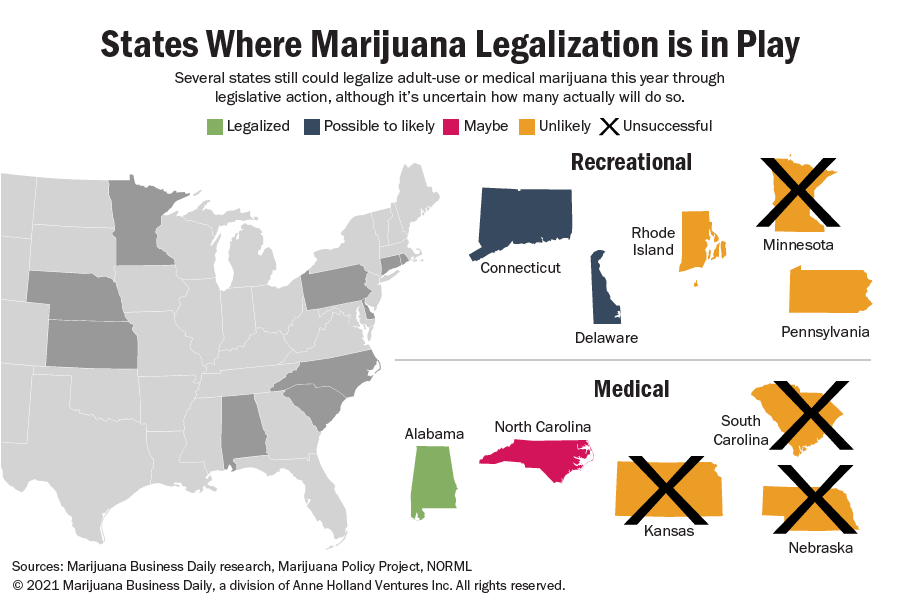
Kansas’s strict stance becomes particularly noticeable when viewed in the context of its surrounding states, many of which have embraced significant cannabis reform.
- Colorado: To Kansas’s west, Colorado was one of the first states to legalize recreational marijuana, establishing a robust and regulated market that attracts cannabis tourism and generates substantial tax revenue.
- Missouri: To the east, Missouri initially legalized medical marijuana and more recently, in late 2022, legalized recreational adult-use cannabis, with dispensaries now operating. This proximity makes Kansas City, Missouri, a stark contrast to Kansas City, Kansas, in terms of cannabis access.
- Oklahoma: To the south, Oklahoma has implemented one of the most liberal medical marijuana programs in the United States, with easy patient access and a thriving industry.
- Nebraska: While also conservative, Nebraska has seen ongoing debates and legislative attempts for medical marijuana, though like Kansas, it has not yet fully legalized it.
This patchwork of laws creates unique challenges and opportunities for states like Kansas. While other states benefit from new tax revenues and job creation, Kansas faces the reality of its residents crossing borders to access cannabis legally, potentially taking tax dollars with them. The contrast with its neighbors may ultimately serve as a catalyst for future reform, as lawmakers weigh the economic and social implications of maintaining prohibition against the evolving norms of the region.
In conclusion, for those asking “Is marijuana legal in Kansas?”, the answer is unequivocally no for recreational use, and no for a regulated medical program. While CBD is legal, and Delta-8 THC exists in a highly precarious legal state, traditional marijuana remains prohibited with strict penalties. Travelers to Kansas must be fully aware of these laws to ensure a safe and legal journey. As the national conversation around cannabis continues to evolve, so too might the laws of the Sunflower State, but for now, caution and compliance are the best guides for any visitor or resident.
LifeOutOfTheBox is a participant in the Amazon Services LLC Associates Program, an affiliate advertising program designed to provide a means for sites to earn advertising fees by advertising and linking to Amazon.com. Amazon, the Amazon logo, AmazonSupply, and the AmazonSupply logo are trademarks of Amazon.com, Inc. or its affiliates. As an Amazon Associate we earn affiliate commissions from qualifying purchases.