
Texas, the Lone Star State, is a vast and diverse destination, attracting millions of visitors each year with its vibrant cities, historic landmarks, breathtaking natural landscapes, and unique cultural experiences. From the bustling metropolises of Houston and Dallas to the historic charm of San Antonio and the quirky allure of Austin, Texas offers an unparalleled array of adventures for every type of traveler. Whether you’re planning a luxury travel escape, a budget travel expedition, or a family-friendly Texas vacation, understanding the local laws and regulations is paramount for a smooth and enjoyable trip. Among the many considerations for visitors, one question often arises, particularly in an era of evolving cannabis legislation across the United States: “Is marijuana legal in Texas in 2024?”
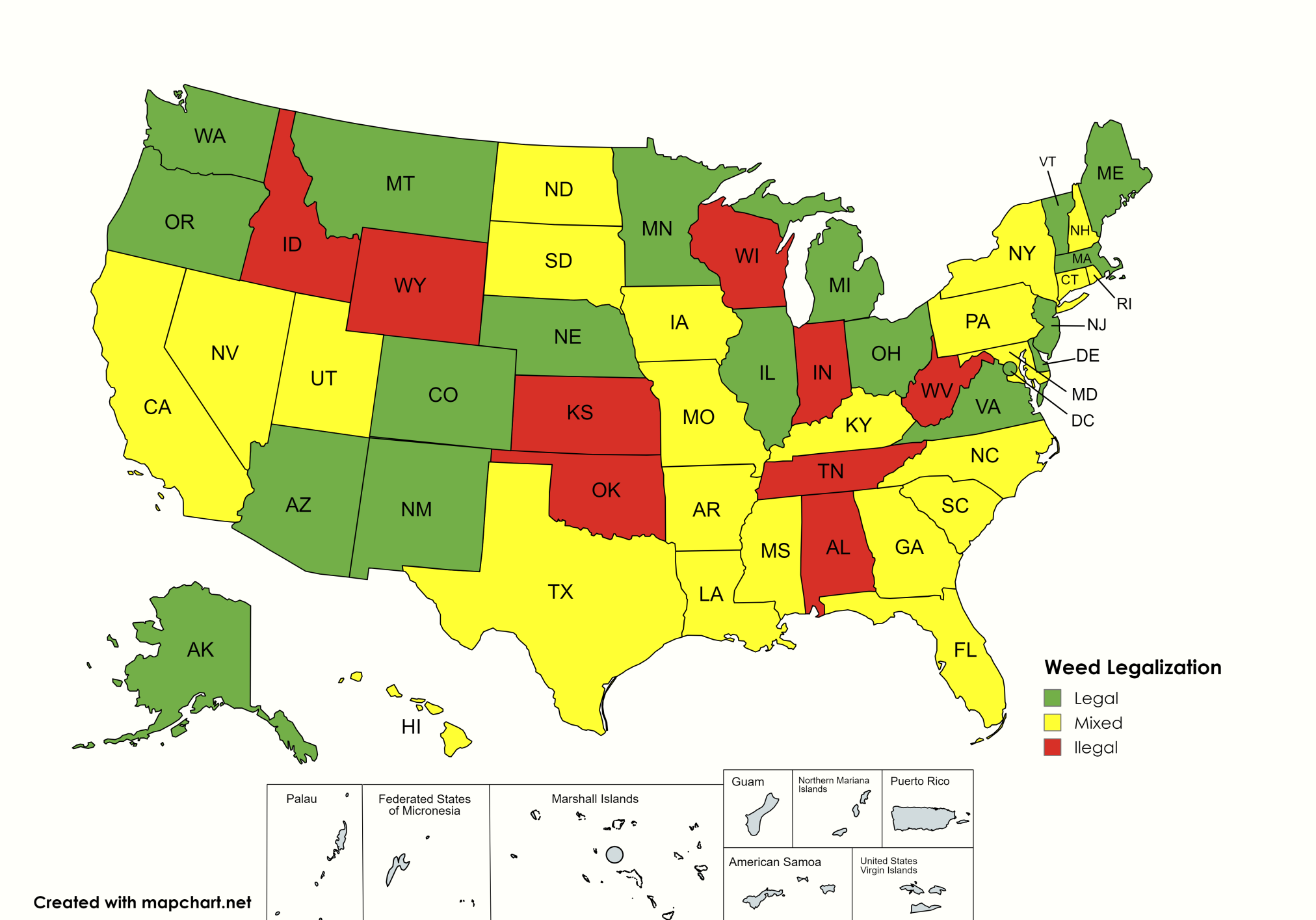
The short answer, for most people, is no, recreational marijuana is not legal in Texas in 2024. While other states have moved towards full legalization for adult recreational use or comprehensive medical cannabis programs, Texas maintains a conservative stance. However, the legal landscape surrounding cannabis products in the state is nuanced and constantly evolving, with certain forms of cannabis and derivatives like CBD and Delta-8 THC holding different legal statuses. For travelers and those considering an extended stay, understanding these distinctions is crucial to avoid legal complications and ensure a stress-free experience in the state. This guide aims to clarify the current legal situation, explore its implications for travel, accommodation, and lifestyle choices, and provide essential tips for navigating Texas responsibly.
The Current Legal Landscape: A Nuanced Picture for Travelers
Understanding Texas’ position on cannabis requires a closer look at various forms of the plant and its derivatives. The state differentiates significantly between marijuana, medical cannabis, industrial hemp, and synthetic cannabinoids. This nuanced approach has created a complex environment that travelers must be aware of to ensure compliance with local laws.
Understanding [Texas’]s Stance on Cannabis in 2024
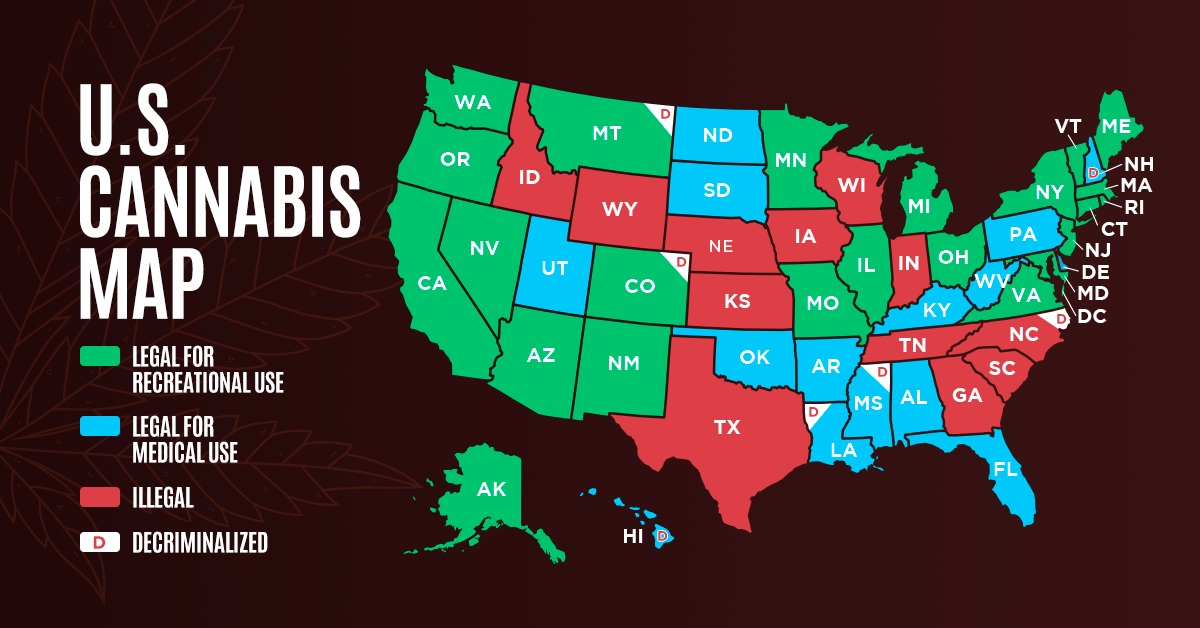
In 2024, traditional marijuana remains largely illegal in Texas. Possession of even small amounts can lead to significant penalties. For instance, possession of two ounces or less is typically a Class B misdemeanor, carrying potential jail time and hefty fines. The penalties escalate dramatically with larger quantities, quickly moving into felony territory with more severe consequences. This is a stark contrast to states where recreational use is fully legal, and travelers should not assume that policies from their home state apply within Texas borders.
While recreational use is prohibited, Texas does have a highly restrictive medical marijuana program known as the Texas Compassionate Use Program (TCUP). Established in 2015 and expanded incrementally, TCUP allows for the prescription of low-THC cannabis products (specifically, cannabis with less than 0.5% THC by weight) for a limited number of debilitating medical conditions. These conditions include epilepsy, multiple sclerosis, spasticity, autism, terminal cancer, and certain neurological disorders. However, access to this program is tightly controlled, requires a qualifying diagnosis from a registered physician, and is not available to out-of-state patients or for general pain management. For the vast majority of visitors, TCUP is not a viable option for accessing cannabis legally.
Furthermore, it’s worth noting that some Texas cities have implemented their own localized policies regarding low-level marijuana possession. Cities like Austin and Dallas, for example, have adopted “cite and release” or “no arrest” policies for minor possession cases, effectively decriminalizing possession of small amounts. This means that instead of an arrest, individuals might receive a citation or be directed to an educational program. However, these local ordinances do not change state law; marijuana remains illegal statewide, and enforcement can vary depending on jurisdiction and the discretion of law enforcement officers. Relying on such local policies as a visitor is a risky proposition, as travelers are best advised to adhere to the strictest interpretation of state law.
CBD and Delta-8: The Gray Area for Visitors
The legal landscape becomes slightly more complex when discussing CBD and Delta-8 THC, which are federally legal under the 2018 Farm Bill, provided they are derived from industrial hemp and contain less than 0.3% Delta-9 THC (the primary psychoactive compound in marijuana).
CBD products, such as oils, edibles, and topical creams, are widely available across Texas in various retail outlets, from specialized CBD shops to grocery stores and pharmacies. These products are legal to purchase and possess in Texas as long as they meet the strict hemp-derived, low-THC criteria. CBD is non-intoxicating and is often sought for its purported wellness benefits. Travelers should feel confident purchasing and using federally compliant CBD products. However, it’s always wise to buy from reputable vendors who provide third-party lab testing to verify THC content.
Delta-8 THC presents a more ambiguous scenario. Delta-8 THC is a cannabinoid found in the cannabis plant that is chemically similar to Delta-9 THC but typically produces a less intense psychoactive effect. Because it can be derived from legal hemp and typically falls within the 0.3% Delta-9 THC limit, its legal status in Texas has been contested. After a period of legal challenges and injunctions, Delta-8 THC products are currently legal for sale and possession in Texas as of 2024, due to a court ruling. You can find Delta-8 THC products in many hemp and vape shops across the state. However, the legal battle over Delta-8 THC is ongoing, and future legislative action could alter its status. Travelers considering Delta-8 THC should exercise caution, stay informed about any new legislative developments, and understand that its intoxicating effects mean it should be consumed responsibly and discreetly, akin to alcohol.
Implications for Travel, Accommodation, and Lifestyle in the Lone Star State
The intricate legal status of cannabis in Texas has direct implications for every aspect of a traveler’s journey, from planning and packing to selecting hotels and enjoying local attractions. Adhering to these guidelines ensures your Texas travel experience remains positive and free of legal entanglements.
Navigating Texas as a Traveler: What You Need to Know
For those traveling to or through Texas, particularly if coming from a state where cannabis is legal, it’s crucial to remember that federal law reigns supreme, especially in transit. The Transportation Security Administration (TSA) operates under federal regulations, which classify marijuana as a Schedule I controlled substance, making it illegal to transport across state lines, even if both the origin and destination states have legalized it. While the TSA states its focus is on security threats and not actively searching for drugs, they are mandated to report any discovery of illegal substances to law enforcement. This means bringing marijuana on a plane to Texas is a significant risk.
Similarly, driving across state lines with marijuana is also a federal offense. Even if you’re traveling from a state where recreational cannabis is legal into Texas, you are subject to federal drug trafficking laws once you cross state borders. The safest approach for any form of marijuana (not legally prescribed low-THC products under TCUP) is to leave it behind.
Once in Texas, public consumption of any intoxicating cannabis product, including Delta-8 THC, is strongly discouraged and could lead to legal issues. Respect for local laws and cultural norms means keeping any consumption private and discreet, especially given the state’s generally conservative views on cannabis. Workplace policies in Texas are also very strict. Even if a visitor somehow qualifies for TCUP (which is highly unlikely for a temporary visitor), employers retain the right to enforce drug-free workplace policies, which can include testing for cannabis. This is particularly relevant for individuals on business trips or those considering a longer-term stay.
Hotel and Accommodation Policies: Before You Book Your Stay
When it comes to accommodation in Texas, including hotels, resorts, apartments, and villas, their policies regarding cannabis are generally straightforward: it’s almost universally prohibited. The vast majority of hotels, from major chains like Hilton, Marriott, and Hyatt to independent boutique hotels, maintain strict non-smoking policies inside their rooms. This typically extends to all forms of smoking, including tobacco, vaping, and marijuana. Violating these policies can result in significant cleaning fees, eviction, and even legal repercussions if state laws are also violated.
Even with the legality of CBD and Delta-8 THC, most establishments prefer guests refrain from consuming any potentially odorous or intoxicating substances on their premises. While edibles or discrete CBD products might seem less conspicuous, it’s always best to check with your specific accommodation provider if you have any doubts. Airbnb and other short-term rental platforms also typically have strict rules set by individual hosts, often prohibiting smoking of any kind. Disregarding these rules could lead to negative reviews, penalties, or cancellation of your booking. For a comfortable and hassle-free stay, respect the policies of your chosen accommodation and avoid any activities that could cause issues.
Responsible Tourism and Lifestyle Choices in Texas
Texas offers an incredible array of attractions and experiences that can be enjoyed responsibly and legally. Focusing on the state’s legitimate offerings ensures a memorable trip without the risks associated with illegal cannabis use. Explore iconic landmarks like The Alamo in San Antonio, stroll along the picturesque Riverwalk, or immerse yourself in the wonders of space at Space Center Houston. Nature enthusiasts can hike in Big Bend National Park or relax on the beaches of South Padre Island. Texas’ culinary scene, vibrant music culture, and rich history provide endless opportunities for enjoyment.
Instead of seeking cannabis, travelers can indulge in Texas’ other legitimate lifestyle offerings. Enjoy world-class Texas barbecue, explore the numerous art galleries in the Dallas Arts District, or unwind at a luxurious spa in a Four Seasons or Ritz-Carlton property. Many resorts offer amenities such as golf courses, swimming pools, and fine dining that provide ample relaxation and entertainment. For families, destinations like Six Flags Over Texas, SeaWorld San Antonio, or Schlitterbahn Waterpark offer wholesome fun. Engaging with the local culture through food tours, live music venues, or historical reenactments will provide authentic and enriching experiences. Responsible tourism means respecting the laws and traditions of your host state, ensuring a positive experience for both visitors and residents.

The Future of Cannabis Legislation in the Lone Star State
The discussion around cannabis legalization in Texas is far from over. Despite its conservative reputation, there is growing public and legislative interest in reforming cannabis laws. Each legislative session sees various bills introduced, ranging from proposals to expand the Compassionate Use Program to outright decriminalization or even full recreational legalization. Advocacy groups continue to push for change, citing potential tax revenues and individual liberties.
However, the path to significant reform in Texas is often slow and challenging. Political dynamics and entrenched viewpoints mean that dramatic changes are unlikely to occur rapidly. While incremental progress, such as further expansion of medical cannabis conditions or adjustments to penalties for minor possession, might be seen in the coming years, full recreational legalization is still a distant prospect for 2024 and likely beyond.
For travelers, this means the most prudent approach is to always assume that traditional marijuana is illegal in Texas and to act accordingly. Stay informed about current laws, as they can change, but do not anticipate a drastic shift in the immediate future that would permit recreational use for visitors. Websites and official government sources are the best places to check for the most up-to-date legal information regarding cannabis in the state.
In conclusion, while the cannabis landscape in the United States is rapidly evolving, the answer to “Is marijuana legal in Texas in 2024?” is generally no for recreational use. Medical marijuana is highly restricted, and while CBD and Delta-8 THC exist in a legal gray area, caution and discretion are advised. For a truly enjoyable and hassle-free Texas travel experience, respect the state’s laws, focus on its incredible array of legal attractions and experiences, and plan your accommodation and lifestyle choices with adherence to local regulations. Texas offers a wealth of discoveries for every visitor – ensure your trip is memorable for all the right reasons.
LifeOutOfTheBox is a participant in the Amazon Services LLC Associates Program, an affiliate advertising program designed to provide a means for sites to earn advertising fees by advertising and linking to Amazon.com. Amazon, the Amazon logo, AmazonSupply, and the AmazonSupply logo are trademarks of Amazon.com, Inc. or its affiliates. As an Amazon Associate we earn affiliate commissions from qualifying purchases.