
The landscape of medical cannabis legality in the United States is a patchwork of state-specific regulations, often presenting a complex picture for residents and especially for travelers. When planning a trip or considering a long-term stay in the Heart of Dixie, one might naturally wonder about the legal status of medical marijuana. For years, Alabama was among the states with some of the strictest cannabis laws. However, a significant shift occurred, bringing the state into the fold of those that recognize the therapeutic potential of cannabis. So, to answer the burning question: yes, medical cannabis is legal in Alabama, but it comes with specific, carefully defined conditions and a multi-layered regulatory framework that is still evolving.

This comprehensive guide aims to demystify Alabama’s medical cannabis program, offering insights for potential patients, curious residents, and, crucially, for visitors planning to explore Alabama’s rich history, stunning natural beauty, and vibrant cities. From understanding the qualifying conditions to navigating the patient registration process, and considering the implications for travel and accommodation, we’ll delve into the nuances of this relatively new legal landscape.
Navigating Medical Cannabis in the Heart of the South: The Alabama Landscape
Alabama’s journey to legalizing medical cannabis was a long and often contentious one, reflecting broader societal debates and concerns. For decades, the state maintained a staunchly prohibitionist stance, making any form of cannabis illegal. This began to change with growing public demand, scientific research into cannabis’s medicinal properties, and legislative efforts championed by patient advocates.
The pivotal moment arrived on May 17, 2021, when Governor Kay Ivey signed Senate Bill 46 into law. This landmark legislation, officially known as the Darren Wesley ‘Ato’ Hall Compassion Act, established the framework for a comprehensive medical cannabis program in the state. Named in honor of a local advocate who passed away before the bill’s passage, the act represents a significant legislative achievement, paving the way for patients with debilitating conditions to access state-approved medical cannabis products.
The primary goal of the Darren Wesley ‘Ato’ Hall Compassion Act is to provide a regulated and safe pathway for qualified patients to obtain medical cannabis for therapeutic use. It meticulously outlines the conditions under which cannabis can be legally prescribed, dispensed, and consumed, while simultaneously imposing strict controls to prevent misuse and diversion. This means that while medical cannabis is now legal, it is not a free-for-all; strict rules and regulations govern every aspect of the program, from cultivation and processing to patient certification and dispensary operations.
The implementation of this act has been overseen by the Alabama Medical Cannabis Commission (AMCC), which was tasked with developing the necessary regulations, licensing cultivators, processors, dispensaries, and transportation services, and establishing a patient registry. While the law was enacted in 2021, the operational rollout has faced various challenges, including legal disputes over licensing, which have led to delays in the opening of dispensaries and the full availability of products. Despite these hurdles, the legislative intent remains clear: to create a carefully controlled medical cannabis ecosystem.
For those considering a visit to cities like Birmingham, Montgomery, or Mobile, understanding this legal framework is crucial. It’s not simply a matter of medical pot being “legal”; it’s about understanding the specific conditions, the types of products available, and the rules governing their use within the state’s borders. This is particularly important for visitors who may hold medical cannabis cards from other states, as Alabama’s program does not currently recognize out-of-state patient registrations.
Understanding Alabama’s Medical Cannabis Program: What You Need to Know
Delving deeper into the specifics of the Darren Wesley ‘Ato’ Hall Compassion Act reveals a carefully structured program designed to balance patient access with public safety. Understanding these intricacies is paramount for anyone seeking to utilize or simply comprehend medical cannabis legality in Alabama.
Qualifying Conditions: Who Can Access Medical Cannabis?
The Alabama law is specific about which medical conditions qualify a patient for a medical cannabis card. The goal is to ensure that access is limited to individuals who genuinely need it for serious, debilitating illnesses. A patient must be diagnosed with one of the following conditions by a physician registered with the Alabama Medical Cannabis Commission (AMCC):
- Autism Spectrum Disorder
- Cancer (for which the patient is undergoing active or palliative treatment)
- Crohn’s Disease
- Depression (treatment-resistant)
- Epilepsy or other seizure disorders
- Panic Disorder
- Persistent Nausea (intractable, for which conventional therapeutic measures have failed)
- Post-Traumatic Stress Disorder (PTSD)
- Sickle Cell Anemia
- Spasticity (associated with multiple sclerosis, spinal cord injury, or a motor neuron disease)
- Tourette’s Syndrome
- A terminal illness (with a prognosis of less than six months to live)
- Chronic Pain (intractable, for which conventional therapeutic measures have failed and other treatment options are exhausted)
This list is comprehensive but also restrictive, highlighting the state’s cautious approach. It emphasizes the importance of a professional medical diagnosis and the failure of traditional treatments before medical cannabis is considered an option.
The Road to Patient Registration: A Step-by-Step Guide
Obtaining a medical cannabis card in Alabama involves a multi-step process designed to ensure legitimate medical need and proper oversight:
- Physician Certification: The first and most critical step is to consult with a physician who is registered and trained by the AMCC to recommend medical cannabis. This physician will review the patient’s medical history, confirm a qualifying condition, and determine if medical cannabis is an appropriate treatment.
- Patient Application: Once certified by an AMCC-registered physician, the patient must apply to the AMCC for a medical cannabis card. This application typically requires submission of the physician’s recommendation, proof of Alabama residency, and a fee.
- AMCC Review and Approval: The AMCC reviews all applications to ensure compliance with state law.
- Issuance of Patient Card: Upon approval, the patient receives a medical cannabis card, which must be presented at licensed dispensaries to purchase medical cannabis products. These cards typically have a validity period, requiring periodic renewal.
It’s important to note that this process can take time, especially during the initial rollout phases of the program, and requires diligent adherence to all guidelines.
Approved Products and Administration Methods
Alabama’s law is also very specific about the types of medical cannabis products that are permitted and the ways they can be administered. This is a crucial distinction from recreational markets or even more permissive medical programs in other states.
Permitted Products and Forms:
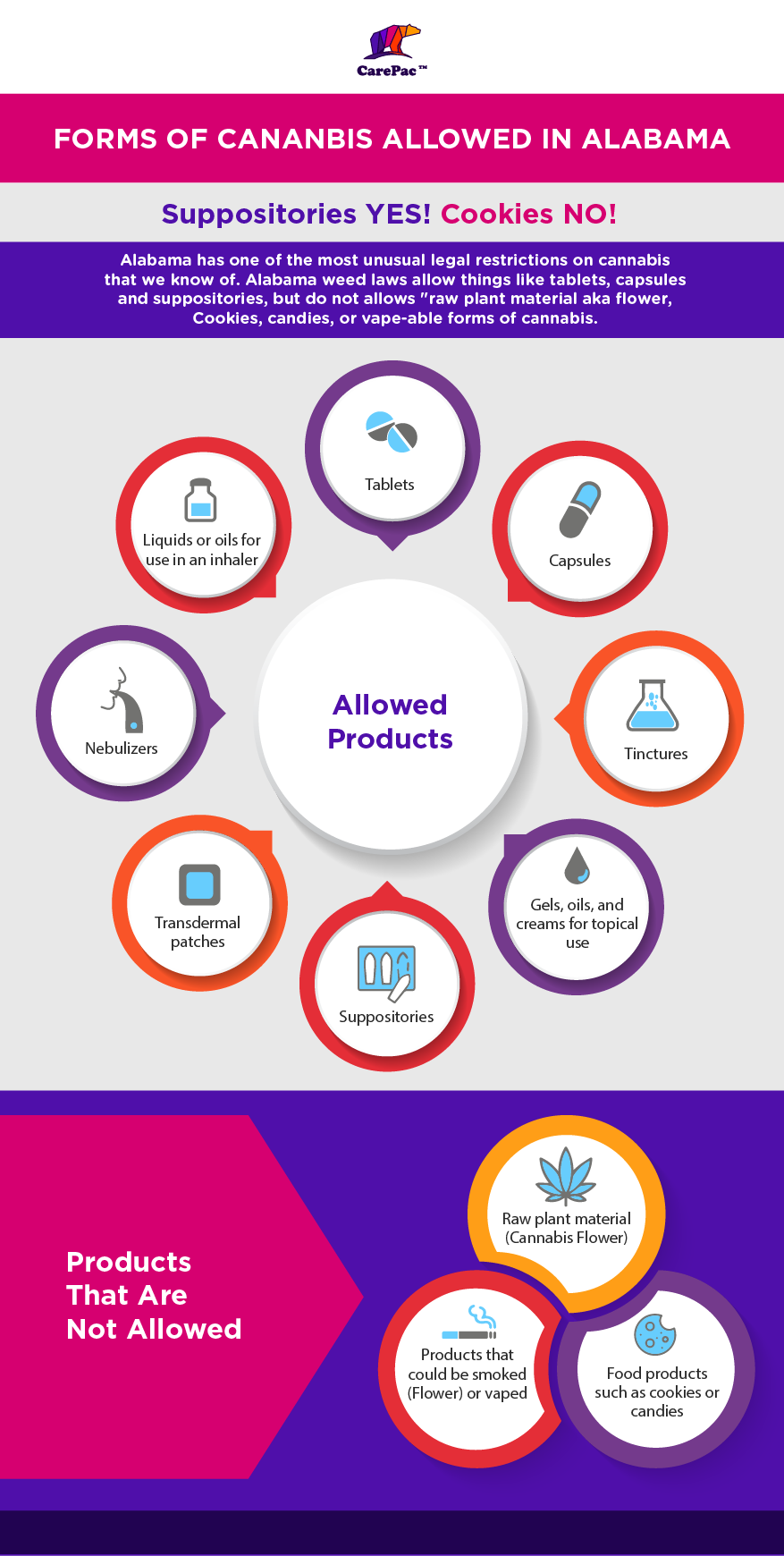
The Darren Wesley ‘Ato’ Hall Compassion Act allows for several forms of medical cannabis, all designed to be non-inhalable or discreet:
- Tablets, Capsules, and Tinctures: Oral consumption for controlled dosing.
- Gels, Creams, and Ointments: Topical application for localized relief.
- Suppositories: For patients who cannot ingest orally or need specific delivery.
- Transdermal Patches: For sustained, systemic delivery through the skin.
- Nebulizers and Inhalers: For respiratory administration, but specifically not raw flower for smoking or vaping.
- Gummies and other chewable edibles: These are permitted but must be precisely dosed and not resemble conventional candy or food products that might appeal to children.
Prohibited Methods and Products:
Crucially, the law explicitly prohibits several common forms of cannabis use:
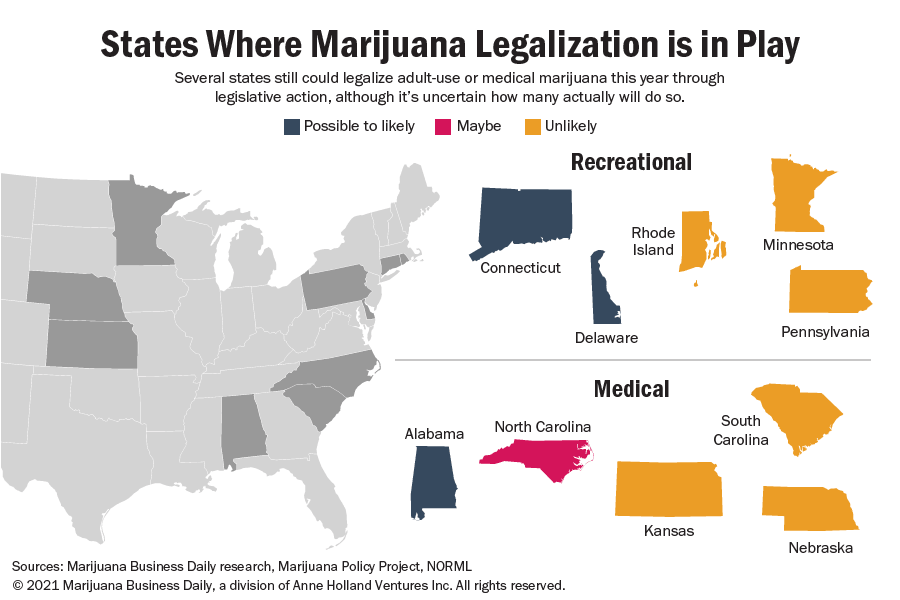
- Smoking raw cannabis flower: This is strictly forbidden.
- Vaping raw cannabis flower: Also prohibited.
- Edibles that resemble cookies, brownies, or other similar food products: While certain precisely dosed chewable forms are allowed, the law aims to prevent cannabis products from being indistinguishable from regular snacks, particularly to prevent accidental consumption by children.
The THC concentration in medical cannabis products is also regulated, with general limits set to ensure therapeutic use without excessively intoxicating effects. Patients are given a maximum daily dosage based on their physician’s recommendation, with the total amount dispensed tracked through a statewide system.
Implications for Travelers and Visitors: Planning Your Trip to Alabama
For tourists and individuals visiting Alabama, understanding the state’s medical cannabis laws is paramount, especially if you are a medical cannabis patient in your home state or country. The intersection of state and federal law, combined with Alabama’s specific regulations, creates a nuanced environment.
Traveling with Medical Cannabis: A Word of Caution
The primary caveat for anyone traveling with medical cannabis into or within Alabama is the conflict between state and federal law. Despite Alabama’s medical cannabis program, cannabis remains illegal under federal law.
- Interstate Travel: Transporting cannabis across state lines, even between two states where it is legal, is a federal offense. This means that if you have a medical cannabis card from, say, Florida or Mississippi, you cannot legally bring your medical cannabis products into Alabama.
- Air Travel: Flying with cannabis, regardless of state legality, is prohibited under federal law, as airports and airspace are under federal jurisdiction. This applies whether you’re flying into Birmingham-Shuttlesworth International Airport, Huntsville International Airport, or Mobile Regional Airport.
- Out-of-State Cards: Currently, Alabama’s medical cannabis program does not offer reciprocity or recognize medical cannabis cards issued by other states or jurisdictions. This means that even if you are a certified medical cannabis patient elsewhere, you cannot legally purchase or possess medical cannabis in Alabama without going through the state’s full registration process, which requires Alabama residency.
Therefore, the safest advice for visitors is to leave any medical cannabis products at home. Attempting to bring them into Alabama could lead to legal complications, even if you have a valid medical recommendation from another state.
Accommodation and Public Consumption Rules
Once in Alabama, even for an Alabama-registered patient, there are strict rules regarding where medical cannabis can be consumed.
- Public Consumption: Similar to alcohol, the public consumption of medical cannabis is generally prohibited. This includes parks, sidewalks, restaurants, and other public spaces.
- Private Property: Consumption is typically restricted to private residences.
- Hotels and Lodging: This area can be particularly tricky for travelers. While you might be in a private room, most hotels, including luxury establishments like the Hyatt Regency Birmingham – The Wynfrey Hotel or the Renaissance Montgomery Hotel & Spa at the Convention Center, have their own strict no-smoking and no-cannabis policies. These policies often extend to any form of cannabis, regardless of its legal status for medical use. It is imperative to check directly with your accommodation provider in cities like Dothan, Gulf Shores, or Orange Beach before assuming you can use medical cannabis on their premises. Violating hotel policy could lead to fines, eviction, or even legal repercussions if local authorities are involved.
- Rental Properties: If staying in an Airbnb or other vacation rental, clarify the cannabis policy with the host beforehand.
Exploring Alabama Responsibly
Alabama offers a myriad of attractions, from the pristine beaches of Gulf State Park to the historical significance of the Civil Rights Trail and the scientific marvels at the U.S. Space & Rocket Center in Huntsville. For medical cannabis patients, it’s crucial to enjoy these destinations responsibly and within the bounds of the law.
- Driving Under the Influence: It is illegal and highly dangerous to operate a vehicle or any heavy machinery while impaired by cannabis, regardless of whether it’s for medical use. Alabama has strict DUI laws that apply to cannabis.
- Federal Lands: Be extremely cautious on federal lands, such as national parks or national forests, where federal law still prohibits cannabis use, even for medical purposes.
- Local Ordinances: While the state law provides a general framework, specific cities or counties may have additional ordinances related to public nuisance or public consumption that could impact how and where medical cannabis can be used.
For any visitor, the golden rule remains: when in doubt, err on the side of caution. If you are an out-of-state patient, the simplest and safest approach is to not bring medical cannabis into Alabama and adhere to its laws as a non-patient.
The Future of Medical Cannabis in Alabama: Delays and Developments
The implementation of Alabama’s medical cannabis program has been anything but smooth. Since the Darren Wesley ‘Ato’ Hall Compassion Act was signed into law, the state has grappled with numerous challenges, primarily centered around the licensing of businesses.
Implementation Challenges and Licensing Delays
The Alabama Medical Cannabis Commission (AMCC) was tasked with the monumental responsibility of creating an entirely new industry from scratch, including developing rules for cultivation, processing, transportation, and dispensing. The process of awarding licenses to businesses interested in participating in the program has been fraught with difficulties:
- Legal Battles: Multiple rounds of licensing awards have been met with legal challenges and lawsuits from applicants who were denied licenses. These legal disputes have led to repeated injunctions, forcing the AMCC to halt the process, review applications multiple times, and even re-score them. This has caused significant delays in the establishment of the supply chain necessary for medical cannabis products to reach patients.
- Impact on Patient Access: These licensing delays directly impact patient access. Without licensed cultivators and dispensaries, even certified patients cannot purchase their medical cannabis. This has left many patients in limbo, waiting for the program to become fully operational.
- Ensuring Fair and Transparent Process: The controversies highlight the challenges inherent in establishing a new regulated market, especially when competition for lucrative licenses is intense. The AMCC’s goal has been to ensure a fair, transparent, and legally sound process, but achieving this has proven complex.
As of early 2024, the legal challenges are ongoing, and while progress is being made, the full rollout of dispensaries across Alabama has been slower than anticipated. This means that while the law exists, practical access for patients is still limited.
What to Expect: Gradual Rollout and Evolving Regulations
Despite the setbacks, the commitment to establishing a functioning medical cannabis program in Alabama remains. Patients and businesses alike should anticipate a gradual rollout and continued evolution of regulations:
- Patience is Key: For patients, businesses, and even curious travelers, patience is essential. The process of building a new, highly regulated industry takes time, and unforeseen challenges will undoubtedly arise.
- First Dispensaries: Eventually, the first licensed dispensaries will open their doors, initially in major metropolitan areas like Birmingham, Huntsville, and Montgomery, before potentially expanding to smaller communities.
- Evolving Regulations: As the program matures, the AMCC may refine existing rules, adjust qualifying conditions, or introduce new product categories based on operational experience and medical advancements. It’s important for all stakeholders to stay informed of these potential changes.
- Future Legislative Actions: There may also be future legislative efforts to expand the program, address current limitations (such as out-of-state reciprocity), or even consider recreational cannabis in the distant future, though such a move would likely be years away given the cautious approach to medical cannabis.
In conclusion, medical pot is indeed legal in Alabama under the Darren Wesley ‘Ato’ Hall Compassion Act. However, this legality comes with significant stipulations regarding qualifying conditions, product types, and administration methods, all overseen by the Alabama Medical Cannabis Commission. For residents, it means a structured pathway to access, though currently hampered by licensing delays. For travelers, the message is clear: Alabama’s program does not extend to out-of-state patients, and bringing medical cannabis across state lines remains a federal offense. Always prioritize understanding and adhering to local laws to ensure a smooth and enjoyable visit to the Yellowhammer State. Staying informed through official sources will be crucial as the program continues to develop and gain full operational capacity.
LifeOutOfTheBox is a participant in the Amazon Services LLC Associates Program, an affiliate advertising program designed to provide a means for sites to earn advertising fees by advertising and linking to Amazon.com. Amazon, the Amazon logo, AmazonSupply, and the AmazonSupply logo are trademarks of Amazon.com, Inc. or its affiliates. As an Amazon Associate we earn affiliate commissions from qualifying purchases.