
Texas, a state renowned for its sprawling landscapes, rich history, and vibrant culture, often finds itself navigating complex legislative waters. When it comes to the topic of cannabis, the Lone Star State has historically maintained a more conservative stance compared to many of its counterparts across the nation. This has led to a great deal of public curiosity and, at times, confusion regarding the legality of cannabis for medical purposes. Understanding the nuances of Texas’s Compassionate Use Program is crucial for residents and visitors alike who may be seeking or curious about medicinal cannabis as a treatment option. This exploration delves into the current legal framework, the scope of the program, qualifying conditions, and what a visitor to Texas might need to know regarding this evolving aspect of health and wellness.
The Texas Compassionate Use Program: A Closer Look
The journey towards legalizing medicinal cannabis in Texas began with the passage of House Bill 1535, which established the Texas Compassionate Use Program (TCUP). This program, which went into effect on September 1, 2015, was a significant step for the state, albeit a carefully controlled one. Unlike many other states that allow for a broader range of cannabis products, Texas’s program is quite restrictive, focusing specifically on low-THC cannabis.
Low-THC Cannabis: Defining the Limits
The critical distinction in Texas’s medicinal cannabis law is the definition of “low-THC.” Under the Compassionate Use Program, cannabis is considered low-THC if it contains no more than 0.5% of tetrahydrocannabinol (THC) by weight. THC is the primary psychoactive compound in cannabis, responsible for the “high” often associated with recreational use. By limiting the THC content, Texas aims to provide therapeutic benefits without the intoxicating effects, positioning it as a strictly medical treatment.
Scope and Accessibility
The initial legislation was quite limited in its scope. It permitted the dispensing of low-THC cannabis to patients with intractable epilepsy. However, subsequent legislative sessions have seen expansions to the list of qualifying conditions, broadening access for a greater number of Texans. It is important to note that even with these expansions, the program does not permit the smoking of cannabis. Instead, the prescribed low-THC cannabis is typically dispensed in forms such as oils, tinctures, or edibles.
Qualifying Conditions and Patient Eligibility
The eligibility for the Texas Compassionate Use Program is determined by a specific list of debilitating medical conditions. The Texas Department of Public Safety (DPS) oversees the Compassionate Use Registry of Texas (CURT), where physicians are required to enter patient information.
Evolution of Qualifying Conditions
When TCUP was first enacted, the list of qualifying conditions was notably short, primarily focusing on epilepsy. However, through legislative amendments, the program has evolved to include a wider range of conditions, reflecting ongoing research and changing perspectives on cannabis as a therapeutic agent. Some of the conditions that may now qualify patients for low-THC cannabis include:
- Epilepsy and other seizure disorders: This was the initial focus of the program and remains a primary qualifying condition.
- Multiple sclerosis (MS): Patients suffering from the neurological effects of MS may be eligible.
- Spasticity: Conditions characterized by involuntary muscle stiffness and spasms can be treated.
- Terminal cancer: Patients diagnosed with terminal cancer may find relief from symptoms.
- Incurable neurological disease: This broad category can encompass a range of conditions affecting the nervous system.
- Post-traumatic stress disorder (PTSD): For individuals suffering from severe PTSD, TCUP offers a potential avenue for relief.
- Autism: Certain symptoms associated with autism spectrum disorder may be addressed.
It is crucial for potential patients to consult with a physician registered with the Compassionate Use Program to determine if their specific condition qualifies. The list of qualifying conditions can be updated by the Texas Legislature, so staying informed about the latest legislative changes is important.
The Role of Registered Physicians
A cornerstone of the Texas Compassionate Use Program is the requirement for patients to be diagnosed and treated by a qualified physician who is registered with the program. These physicians must have a certain level of training and experience in neurology or other relevant specialties to be approved. They are responsible for assessing a patient’s condition, determining if it meets the criteria for low-THC cannabis treatment, and prescribing the appropriate dosage and form.
A patient cannot simply obtain a prescription from any doctor. They must seek out a physician specifically licensed and registered with the Texas Medical Board to prescribe low-THC cannabis. These physicians are often found in specialized clinics or departments within larger medical facilities across Texas.
Navigating the Legal Landscape for Visitors
For individuals traveling to Texas, understanding the state’s stance on medicinal cannabis is paramount, especially if they are registered patients in other states or are considering seeking treatment while visiting.
Out-of-State Patient Reciprocity
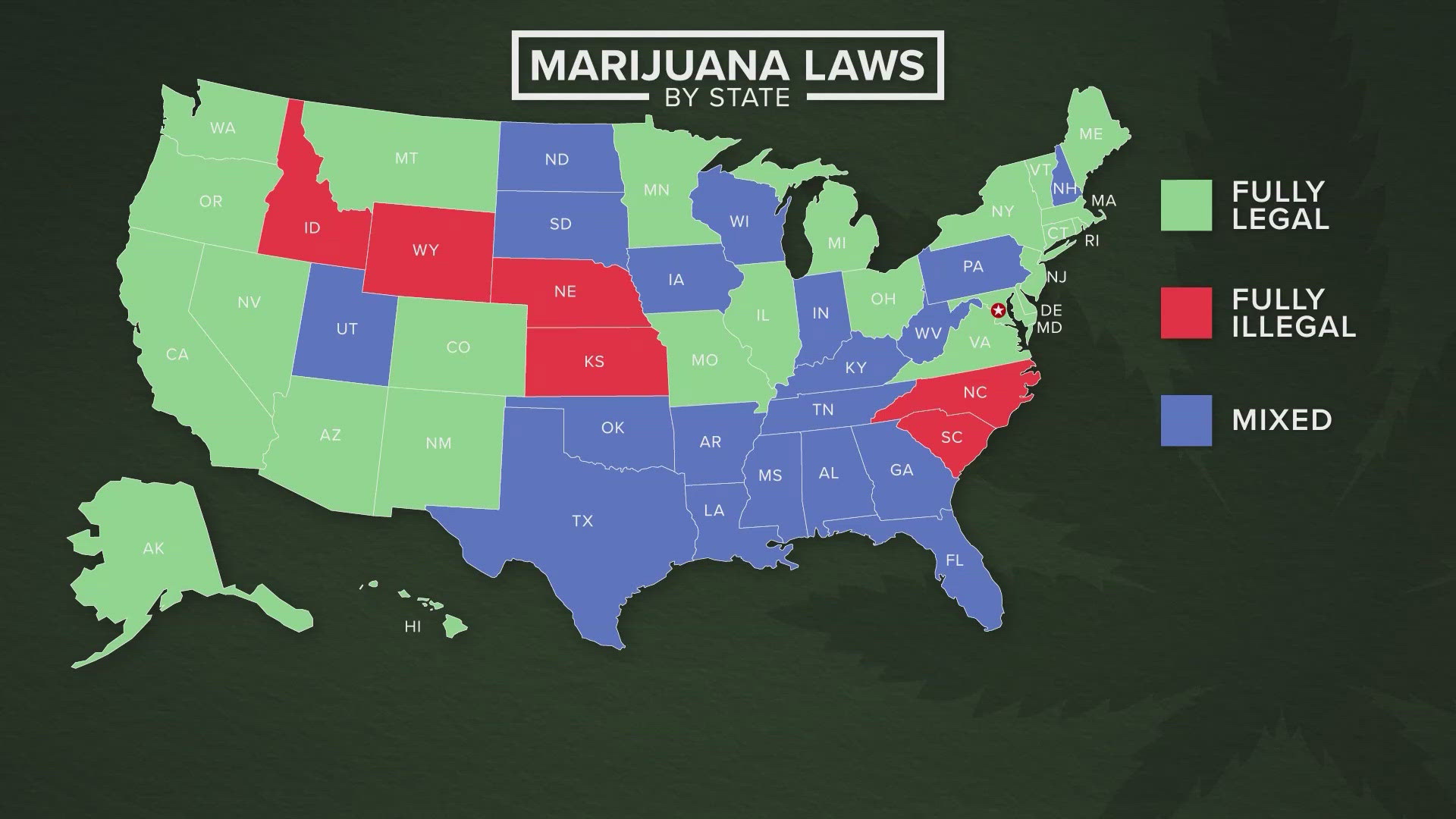
A significant point of consideration for travelers is that Texas does not currently recognize out-of-state medical cannabis cards or prescriptions. This means that even if you are a registered patient in California, Colorado, or any other state with a robust medical cannabis program, your status will not automatically grant you access to low-THC cannabis in Texas.
If a visitor wishes to obtain low-THC cannabis in Texas, they would need to meet the eligibility criteria for the Texas Compassionate Use Program and be evaluated by a Texas-registered physician. This process can be time-consuming and may not be feasible for short-term visitors.
Possession and Transportation
Given the strict regulations within Texas, possessing or transporting any form of cannabis that is not compliant with the Compassionate Use Program is illegal. This includes recreational cannabis, which remains illegal in Texas, as well as any medical cannabis products that do not meet the low-THC threshold or are not dispensed through a registered dispensary. Law enforcement in Texas strictly enforces cannabis laws, and visitors should be acutely aware of these regulations to avoid legal issues.
Dispensing and Purchasing
Low-THC cannabis in Texas can only be obtained from licensed dispensaries. These dispensaries are regulated by the state and are the sole legal outlets for purchasing medicinal cannabis products. The state has a limited number of licensed dispensaries, and their locations can be found through official Texas state resources. When purchasing, patients must present a valid ID and their information will be verified against the CURT system.
The Future of Medicinal Cannabis in Texas
The landscape of cannabis policy is constantly evolving, and Texas is not immune to these shifts. While the state has taken a cautious approach, there is ongoing debate and public discourse surrounding the potential expansion of its cannabis laws.
Legislative Trends and Advocacy
Advocacy groups and concerned citizens continue to push for broader medical cannabis access and potential decriminalization or legalization of recreational cannabis. Each legislative session brings the possibility of new bills being introduced, aiming to expand the list of qualifying conditions, increase the THC limit, or create a more comprehensive medical marijuana program.
Observing the legislative trends in other states that have moved towards more permissive cannabis policies often provides insight into potential future directions for Texas. However, Texas’s unique political and social climate means that any changes are likely to be gradual and carefully considered.
Potential Impacts on Tourism and Local Businesses
Should Texas’s cannabis laws evolve, it could have a notable impact on its tourism sector. States with established medical and recreational cannabis markets have seen increased tourism from individuals seeking to legally access these products. If Texas were to expand its program, it could potentially attract a new demographic of travelers interested in cannabis tourism, while also creating new business opportunities within the state for dispensaries, cultivators, and ancillary services.
For now, the focus remains on the existing Compassionate Use Program. Understanding its limitations and requirements is essential for anyone interested in medicinal cannabis in Texas, whether they are a resident seeking treatment or a visitor planning their stay in the Lone Star State. The path forward for cannabis policy in Texas will undoubtedly be a topic of continued discussion and legislative action.
LifeOutOfTheBox is a participant in the Amazon Services LLC Associates Program, an affiliate advertising program designed to provide a means for sites to earn advertising fees by advertising and linking to Amazon.com. Amazon, the Amazon logo, AmazonSupply, and the AmazonSupply logo are trademarks of Amazon.com, Inc. or its affiliates. As an Amazon Associate we earn affiliate commissions from qualifying purchases.