
As the Atlantic hurricane season intensifies, residents and potential visitors alike turn their attention to the southeastern coast of the United States. The question of whether a specific city like Melbourne, Florida lies in the potential path of an approaching hurricane is a critical one for ensuring safety, planning travel, and understanding regional preparedness. Understanding the forecasting models and the geographical vulnerabilities of Melbourne can offer valuable insight.
Understanding Hurricane Forecasting and Its Impact on Melbourne
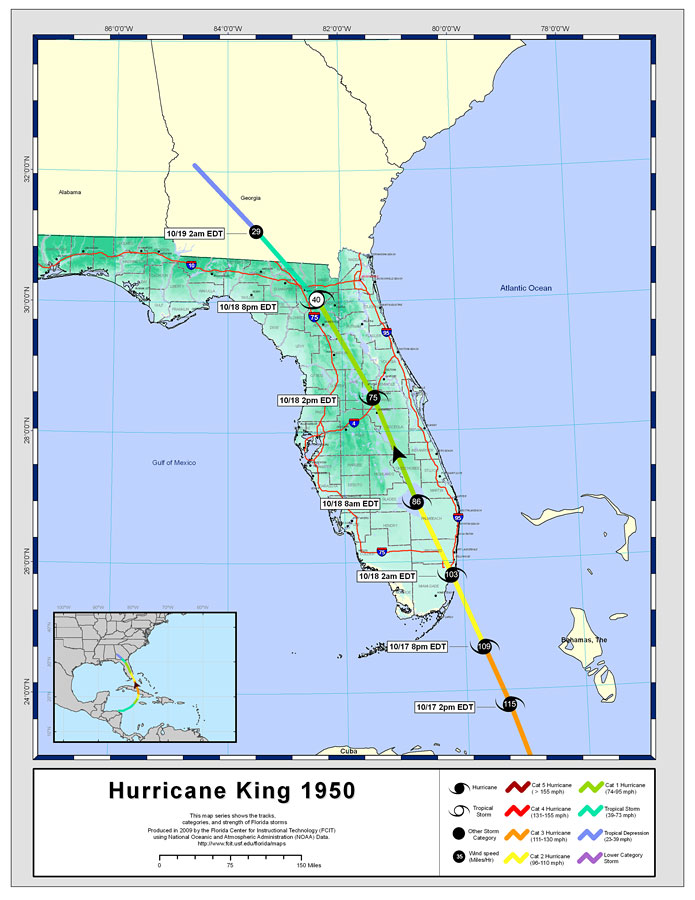
Hurricane forecasting is a complex science that involves a combination of satellite imagery, aircraft reconnaissance, and sophisticated computer models. These models, such as the National Hurricane Center’s (NHC) various forecast cones, predict the most likely track and intensity of a storm over a period of several days. It is crucial to remember that these are forecasts, not guarantees, and the path can shift.
The National Hurricane Center’s Role
The National Hurricane Center in Miami, Florida is the primary source for official hurricane advisories and forecasts in the Atlantic basin. They issue regular updates, including:
- Tropical Weather Outlooks: These provide information on disturbances that have the potential to develop into tropical cyclones.
- Tropical Storm and Hurricane Watches/Warnings: Watches indicate that conditions may occur within a specified area, while warnings mean that hurricane conditions are expected.
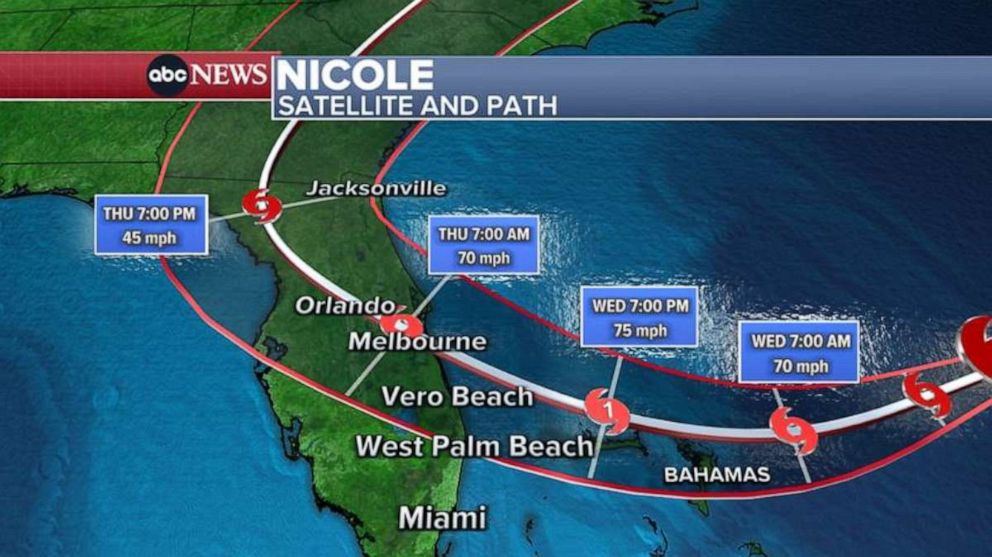
- Forecast Tracks: These depict the most probable path of the storm’s center, often represented by a cone of uncertainty that accounts for potential deviations.
The NHC’s guidance is vital for local officials in Melbourne and across Brevard County to issue evacuation orders and prepare emergency response plans.
Factors Influencing a Hurricane’s Path Towards Melbourne
Several meteorological factors influence whether a hurricane moves towards Melbourne or bypasses it:
- Steering Currents: Large-scale atmospheric patterns, such as high-pressure systems (like the Bermuda-Azores High) and mid-latitude troughs, act as steering currents that dictate a hurricane’s general movement. A strong ridge of high pressure might force a storm westward towards Florida, while a trough moving off the East Coast could pull it northward.
- Storm Intensity: The intensity of a hurricane can affect how it interacts with atmospheric steering patterns. Stronger storms can sometimes be less susceptible to subtle shifts in the steering flow.
- Land Interaction: As a storm approaches land, its structure and intensity can be altered by friction and the release of latent heat from rainfall. This can sometimes cause a storm to “walk” or shift its track slightly.
For Melbourne, its position on Florida’s Atlantic coast makes it susceptible to storms tracking westward across the Atlantic or those forming closer to the Bahamas.
Melbourne’s Geographic Vulnerability
Melbourne, situated on the central east coast of Florida, has a coastline directly exposed to the Atlantic Ocean. This geographical positioning means that hurricanes forming in the Atlantic or moving across the southern United States have a direct potential path towards the city.
Coastal Exposure and Storm Surge
The primary threat to coastal communities like Melbourne from hurricanes is storm surge. This is a rise in sea level caused by the storm’s winds pushing water ashore, amplified by the low atmospheric pressure. The low-lying nature of much of the Florida coastline makes it particularly vulnerable to inundation.
- Inland Waterways: Melbourne also has a network of inland waterways, including the Indian River Lagoon, which can exacerbate flooding during storm surge events as water is pushed inland.
- Hurricane Evacuation Zones: To mitigate the risks of storm surge, Brevard County has established specific hurricane evacuation zones based on projected surge levels. Understanding these zones is crucial for residents when evacuation orders are issued.

Inland Flooding and Wind Impacts
Beyond storm surge, hurricanes bring torrential rainfall and destructive winds. Melbourne can experience significant inland flooding from prolonged rainfall, which can overwhelm drainage systems and cause rivers and canals to overflow. High winds can cause widespread power outages, structural damage to buildings, and uproot trees.
Preparing for a Hurricane in Melbourne
Whether Melbourne is directly in the path of a hurricane or under threat of indirect impacts, preparation is paramount. This involves a multi-faceted approach encompassing individual readiness, community awareness, and official guidance.
Individual and Family Preparedness
- Develop a Plan: Create a family emergency plan that includes communication strategies, evacuation routes, and designated meeting points.
- Build a Disaster Kit: Assemble a kit with essential supplies, including water, non-perishable food, medications, a first-aid kit, flashlights, batteries, and sanitation items.
- Secure Your Home: Take steps to secure windows and doors, such as installing storm shutters, and trim trees to reduce the risk of falling limbs.
- Stay Informed: Monitor official sources like the National Hurricane Center, local news, and Brevard County emergency management for the latest updates and evacuation orders.
- Pet Preparedness: Ensure your pets have a safe place to go and necessary supplies.
Community and Official Preparedness Measures
Local government agencies in Melbourne and Brevard County implement extensive preparedness measures:
- Emergency Shelters: Designated public shelters are made available for residents who need to evacuate. Information on shelter locations and opening times is disseminated well in advance of potential impacts.
- Evacuation Routes: Clearly marked evacuation routes are established to guide residents to safer areas.
- Public Information Campaigns: Regular campaigns educate the public on hurricane risks, preparedness steps, and the importance of heeding evacuation orders.
- Infrastructure Readiness: Utility companies work to prepare their infrastructure for potential damage, and public works departments ensure drainage systems are clear.
Staying Informed and Making Travel Decisions
For those considering a visit to Melbourne or residing in the area, staying informed is the most critical aspect when hurricane threats arise.
Monitoring Official Advisories
It is essential to rely on official sources for accurate and timely information. The National Hurricane Center website, NOAA Weather Radio, and reputable local news outlets are the best resources. Avoid speculative forecasts or unverified social media posts.
Travel Considerations
When a hurricane is forecast to impact the region, travel plans to and from Melbourne may need to be adjusted.
- Airline and Hotel Policies: Airlines and hotels often have flexible rebooking or cancellation policies during hurricane threats. It is advisable to check these policies directly with the provider.
- Road Conditions: Driving into or out of a hurricane-affected area can be dangerous due to high winds, heavy rain, flooding, and potential debris on roads. Always heed evacuation orders from local authorities.
- Visitor Safety: For tourists already in Melbourne, prioritizing safety is paramount. Follow all instructions from local emergency management and your accommodation provider. Consider cutting your trip short if an evacuation is ordered or if conditions are expected to deteriorate significantly.
The question of whether Melbourne, Florida is in the path of a hurricane is dynamic and depends entirely on the storm’s track and intensity. By understanding the forecasting process, recognizing the local vulnerabilities, and prioritizing preparedness, individuals can navigate these challenging periods with greater safety and resilience.
LifeOutOfTheBox is a participant in the Amazon Services LLC Associates Program, an affiliate advertising program designed to provide a means for sites to earn advertising fees by advertising and linking to Amazon.com. Amazon, the Amazon logo, AmazonSupply, and the AmazonSupply logo are trademarks of Amazon.com, Inc. or its affiliates. As an Amazon Associate we earn affiliate commissions from qualifying purchases.