
When travelers set their sights on the sun-drenched shores of Miami, they are often met with a dichotomy of images: the neon-lit art deco glamour of South Beach and the gritty, high-stakes narratives often depicted in television dramas. For a prospective visitor, the question of safety is paramount. Is Miami, Florida, a dangerous city, or is its reputation overshadowed by pop culture tropes?
To understand the safety profile of this iconic United States destination, one must look beyond the headlines and examine the geographical nuances, the nature of urban activity, and the common-sense protocols that apply to any major metropolis.
Understanding the Landscape of Crime in Miami
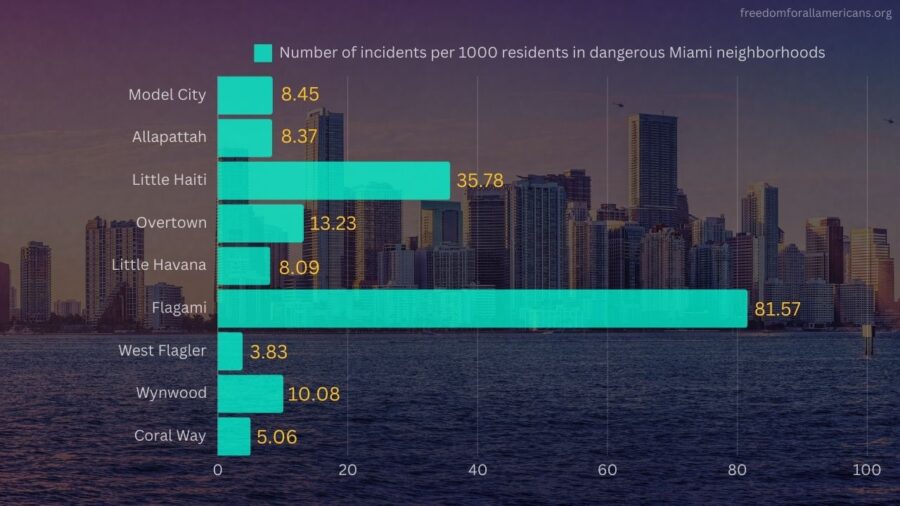
Like any major coastal city, Miami experiences a variation in crime rates depending heavily on the specific neighborhood. It is a mistake to treat the city as a monolith. Crime statistics in large urban centers are rarely distributed evenly; they are usually concentrated in specific pockets where socio-economic challenges are more acute.
The Myth of Universal Danger
Tourists often ask if the entire city is a “no-go zone.” The reality is quite the opposite. The primary tourist corridors—Downtown Miami, Brickell, Coconut Grove, and Coral Gables—are heavily policed and frequented by millions of visitors every year. These areas are as safe as any other major city center in the Americas. Most criminal activity is localized in residential neighborhoods far removed from the typical tourist itinerary.
Areas to Exercise Caution
While Miami is generally welcoming, certain areas require a higher level of situational awareness. Parts of Liberty City, Overtown, and certain sections of Little Haiti have historically reported higher crime rates. Most visitors have no reason to venture into these residential zones, but it is important for travelers to remain mindful of their surroundings if they decide to explore off the beaten path. Using navigation apps to stick to main thoroughfares is a simple way to avoid wandering into areas that are less tourist-friendly.
Safety for Tourists: Staying Smart While You Explore
Traveling to a city known for its vibrant nightlife, such as Miami, requires a balance between indulgence and awareness. The majority of incidents involving tourists are crimes of opportunity—theft or petty crime—rather than violent encounters.
The Importance of Nightlife Awareness
Miami Beach is the heart of the city’s nocturnal life. From the sprawling clubs of Wynwood to the upscale lounges in Mid-Beach, the nightlife is world-class. However, safety decreases when alcohol consumption increases.

- Stay in Groups: There is safety in numbers, especially late at night.
- Watch Your Drink: Never leave beverages unattended in crowded bars or clubs.
- Transportation: Rely on reputable ride-sharing services rather than walking through poorly lit, unfamiliar streets at 3:00 AM.
Protecting Your Belongings
Beach theft is a common annoyance in tourist-heavy coastal cities. When visiting Haulover Beach or Crandon Park, do not leave valuables like cameras, wallets, or passports unattended on your towel while you swim. It is best to travel light to the beach or stay with a partner who can watch your belongings at all times.
Evaluating Public Transportation and Connectivity
Many travelers wonder if Miami is safe to navigate via public transit. The city operates the Metrorail and Metromover, which connect major hubs like Government Center and the Miami International Airport.
The Metromover Advantage
The Metromover is a free, elevated rail system that circles the Downtown Miami area. It is generally very safe, well-lit, and monitored by security cameras. During daylight and early evening hours, it is an excellent way for tourists to move between museums like the Pérez Art Museum Miami and the shopping districts.
Taking Precautions at Night
While public transit is efficient, it is wise to be more cautious when using Metrorail late at night. If you are traveling solo, opting for a taxi or an official ride-sharing app is often the preferred choice for convenience and added security. Staying in well-traveled, brightly lit stations is a fundamental rule for urban travel in any city in the United States.
The Verdict: Is Miami Dangerous?
Ultimately, labeling Miami as “dangerous” is an exaggeration that ignores the vibrant, thriving reality of the city. Like any major global destination—be it New York City, London, or Paris—the city has its challenges, but the vast majority of visitors enjoy their time without a single safety concern.
A Culture of Vigilance
Miami is a massive, diverse metropolis with a bustling population. As long as you practice basic urban safety habits—staying aware of your surroundings, securing your valuables, avoiding isolated areas at night, and keeping your wits about you—your experience will likely be defined by the stunning Atlantic Ocean views, the incredible Cuban cuisine in Little Havana, and the architectural marvels of Ocean Drive.

Final Recommendations for the Savvy Traveler
- Research Your Neighborhood: Choose accommodations in well-established tourist areas like Sunny Isles Beach or Coconut Grove.
- Trust Your Gut: If a street or a situation feels uncomfortable, exit the area immediately.
- Stay Informed: Keep an eye on local news sources if you are staying for an extended period, particularly regarding weather patterns or large public gatherings.
Miami offers a unique blend of cultures, art, and high-energy atmosphere that is unmatched in the United States. By choosing to be a smart, informed traveler rather than a fearful one, you open the door to one of the most exciting cities in the world. The city’s beauty, cultural depth, and warmth are far more prevalent than its risks. With proper planning, your trip to the Sunshine State will be marked by unforgettable experiences rather than safety concerns.
LifeOutOfTheBox is a participant in the Amazon Services LLC Associates Program, an affiliate advertising program designed to provide a means for sites to earn advertising fees by advertising and linking to Amazon.com. Amazon, the Amazon logo, AmazonSupply, and the AmazonSupply logo are trademarks of Amazon.com, Inc. or its affiliates. As an Amazon Associate we earn affiliate commissions from qualifying purchases.