
When planning a trip to Miami, travelers often find themselves weighing the logistics of local infrastructure against their comfort and health. While many vacationers prioritize booking a stay at a top-tier Miami Beach resort or mapping out visits to Art Deco District landmarks, a common, practical question arises: is the tap water safe to drink?
Understanding the quality of the water supply in Miami-Dade County is essential for anyone spending time in this vibrant metropolis. Whether you are staying in a luxury rental in Brickell or exploring the historic streets of Little Havana, knowing what comes out of the tap helps you pack smarter and stay hydrated more effectively during your Florida getaway.

The Regulatory Framework of Water Quality in South Florida
The water distributed throughout Miami is sourced primarily from the Biscayne Aquifer, a massive underground reservoir that provides water to millions of residents and tourists alike. Because this is a public utility, it is subject to rigorous oversight.
Compliance with Federal Standards
The Miami-Dade Water and Sewer Department operates under strict mandates set by the Environmental Protection Agency. These federal standards require local utility providers to perform continuous testing for a wide range of contaminants, including bacteria, nitrates, lead, and copper. In United States municipalities, water reports are filed annually, ensuring that the supply meets the Safe Drinking Water Act requirements.
Rigorous Testing Protocols
Testing occurs throughout the distribution system, not just at the treatment plants. If you are staying near Downtown Miami, the water reaching your tap has traveled through miles of pipes. To combat potential issues like pipe corrosion, treatment facilities often adjust the chemistry of the water to ensure it remains stable as it traverses the city. Visitors can access the Water Quality Report published by local authorities, which provides a transparent breakdown of the chemical composition of the city’s water.
Taste, Infrastructure, and Sensory Considerations
While the water is scientifically classified as “safe” according to legal standards, many travelers notice a distinct difference in taste compared to their home regions. This is common across North America and usually boils down to local geological factors rather than safety concerns.
Why the Taste Varies
The Biscayne Aquifer sits beneath limestone bedrock, which is rich in minerals. As water filters through this rock, it picks up calcium and magnesium, contributing to “hard water.” When this water is treated with chlorine—the standard, safe method for disinfecting public water supplies—it can create a specific, slightly chemical taste or odor that some travelers find unpleasant.
Old Infrastructure and Lead Risks
In older neighborhoods such as Coconut Grove or parts of Coral Gables, the age of the building plumbing may be a point of consideration. While the city’s primary water lines are well-maintained, the pipes inside private or older historic hotels may be outdated. If you are staying in a boutique hotel that has not undergone recent plumbing renovations, you might encounter slight discoloration or a metallic taste, particularly first thing in the morning. Running the cold water tap for thirty seconds can usually flush out any water that has been sitting in the internal pipes overnight.
Practical Tips for the Traveling Connoisseur
If you are sensitive to the taste of tap water or simply prefer a specific filtration standard while on vacation, you do not have to rely solely on the public supply. Miami is a city built for tourism, and there are plenty of ways to ensure your hydration matches your preferences.
Using Personal Filtration Devices
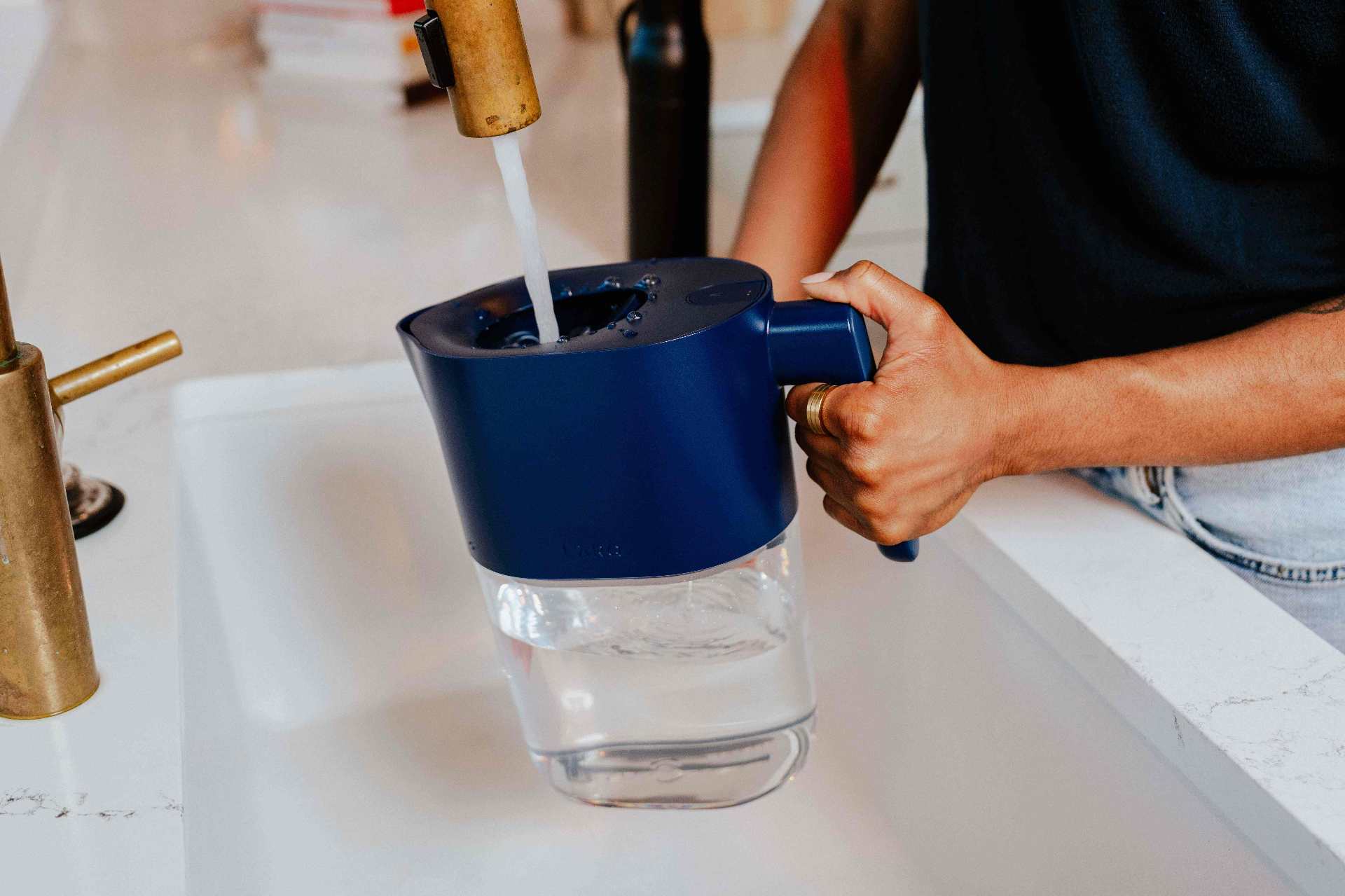
Many frequent travelers choose to bring portable, carbon-filtered water bottles. These are excellent for removing the chlorine taste often found in Florida tap water. Because these filters are lightweight and reusable, they are perfect for days spent at South Beach or walking through the Wynwood Walls.
Opting for Bottled Water
Most major hotel chains in Miami, such as those found in Mid-Beach, provide bottled water in guest rooms. Additionally, convenience stores and supermarkets are ubiquitous in districts like Design District, making it incredibly easy to purchase high-quality filtered or spring water if you do not want to risk tap water, regardless of its safety ratings.
Stay Hydrated in the Heat
The most important factor regarding water in Miami-Dade County is not its chemical purity, but the volume you consume. The tropical climate of Florida is unforgiving, especially during the summer months. Whether you are attending a festival at Bayfront Park or exploring the wilderness of Everglades National Park, dehydration is a significant risk for tourists.
If you are concerned about the tap water in your hotel, do not let that discourage you from drinking enough fluids. Use the tap water for non-consumption tasks—like brushing your teeth—without reservation. For drinking, if the taste is off-putting, rely on bottled options or filtered stations found in most upscale establishments.
Conclusion: Balancing Safety and Comfort
The water supply in Miami is safe for consumption and adheres to stringent governmental regulations. There is no biological threat that should prevent you from drinking the tap water if you are in a standard, modern establishment. However, the unique mineral profile and the common use of chlorine as a disinfectant mean the “water experience” in Miami may differ from what you are accustomed to in other parts of the world.
For the vast majority of visitors, the best strategy is to enjoy the high-quality water available while keeping a bottle of filtered or mineral water on hand for your palate. Whether you are dining at a high-end restaurant in Bal Harbour or relaxing in a hotel suite overlooking the Atlantic Ocean, you can focus your energy on the sun, the culture, and the excitement of your trip, knowing that the basic utilities are maintained with a high degree of professional oversight and public accountability. Your health is a priority, and in Miami, the infrastructure is built to protect it, allowing you to focus on the luxury and leisure that the city is famous for providing.
LifeOutOfTheBox is a participant in the Amazon Services LLC Associates Program, an affiliate advertising program designed to provide a means for sites to earn advertising fees by advertising and linking to Amazon.com. Amazon, the Amazon logo, AmazonSupply, and the AmazonSupply logo are trademarks of Amazon.com, Inc. or its affiliates. As an Amazon Associate we earn affiliate commissions from qualifying purchases.