
The Miami Design District has rapidly transformed into one of Miami’s most glittering and sought-after destinations. Renowned for its cutting-edge architecture, high-end fashion boutiques, exquisite art galleries, and gourmet dining experiences, it draws a sophisticated international crowd. For prospective visitors, whether planning a luxury escape, a cultural excursion, or a business stay, a paramount concern often revolves around safety. When exploring a new urban environment, especially one synonymous with luxury and art, understanding the local safety landscape is crucial for a worry-free and enjoyable travel experience.
The direct answer to “Is Miami Design District safe?” is overwhelmingly positive, particularly when compared to certain historical perceptions of urban Miami neighborhoods. The district has undergone extensive redevelopment and is characterized by a strong emphasis on security, cleanliness, and visitor comfort. However, like any major metropolitan area, being informed and taking sensible precautions is always advisable. This comprehensive guide will delve into the safety profile of the Miami Design District, offering insights for various types of travelers and providing practical tips to ensure your visit is as secure as it is unforgettable.
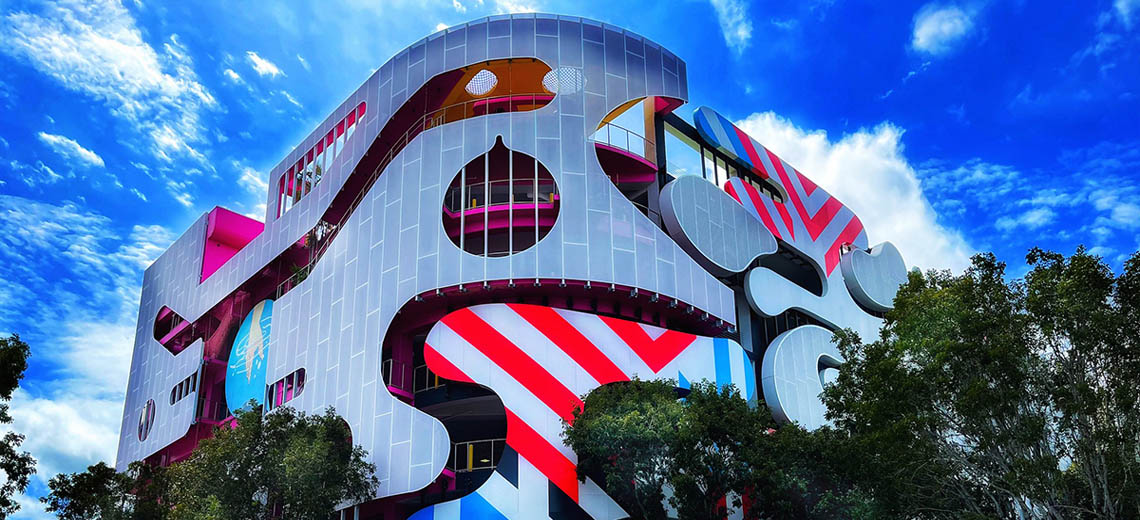
Understanding the Miami Design District’s Safety Profile
The Miami Design District’s safety narrative is deeply intertwined with its ambitious urban revitalization. Once a collection of warehouses and design showrooms, the area has been meticulously reimagined into a pedestrian-friendly luxury destination. This transformation involved not only significant financial investment but also a conscious effort to establish a secure and welcoming environment for residents, shoppers, and tourists alike.
General Overview and Perception
The general perception of the Miami Design District is one of high security and affluence. This perception is well-founded. The district benefits from private security personnel who actively patrol the streets, complementing the efforts of the Miami Police Department. These security teams are often visible, adding to a sense of reassurance for visitors. The well-lit streets, meticulously maintained public spaces, and the presence of high-value merchandise in retail establishments naturally necessitate and receive heightened security measures.
Visitors frequently report feeling safe, even when strolling through the district in the evening. The affluent nature of the businesses and clientele also contributes to a generally lower incidence of petty crime, as the area is not typically a target for opportunistic theft in the same way some more densely populated tourist hubs might be. The focus on a curated, upscale experience inherently brings with it a commitment to maintaining a polished and secure atmosphere.
Evolution and Urban Development
The evolution of the Miami Design District is a testament to planned urban development prioritizing safety and quality of life. What was once the historic Buena Vista neighborhood has been meticulously redeveloped by Dacra, led by Craig Robins, into a vibrant arts and luxury shopping hub. This redevelopment included significant infrastructure improvements, such as improved lighting, widened sidewalks, and surveillance systems, all contributing to a safer environment.
The district’s layout encourages pedestrian activity, with key attractions like Palm Court and various plazas serving as communal gathering points. This constant flow of people, combined with strategic security placements, creates a natural deterrent to criminal activity. The synergy between high-end accommodation options that are increasingly popping up in and around the district, world-class dining, and luxury retail has fostered an ecosystem where safety is not just an afterthought but a foundational element of the visitor experience. Comparing it to its earlier days, or even to adjacent, less developed areas, the contrast in safety and ambiance is stark, showcasing a successful model of urban regeneration.
Practical Safety Tips for Visitors
While the Miami Design District is generally safe, adopting common-sense safety practices will further enhance your peace of mind and ensure a smooth travel experience. These tips are universal for most urban destinations but are particularly relevant for a district that attracts high-value goods and an affluent demographic.
Navigating the District Day and Night
During the day, the Miami Design District is a bustling hub of shoppers, art enthusiasts, and diners. Walking is the best way to experience its unique charm, with wide sidewalks and clear signage. Stick to well-trafficked areas and be aware of your surroundings. Evenings bring a different ambiance, with sophisticated dining and events. The district remains well-lit and active into the night, but it’s always wise to travel with companions if possible, especially after dark. If you are alone, remain in areas with visible security presence and ample lighting. Avoid shortcuts through dimly lit alleys, though these are rare in the core retail and dining zones of the district.
Protecting Your Valuables
Given the district’s association with luxury, it’s prudent to be mindful of your personal belongings. While overt displays of wealth are common, excessive flaunting can sometimes attract unwanted attention, though incidents are rare.
- Keep bags secured: Carry purses cross-body and keep wallets in front pockets. Avoid leaving phones or wallets unattended on restaurant tables.
- Be discreet with cash and cards: Only carry what you need for the day and be mindful when using ATMs.
- Secure purchases: If you make significant purchases, consider returning them to your hotel or vehicle promptly rather than continuing to carry them openly for extended periods. Most high-end boutiques offer secure packaging, which can make a difference.
- Travel Insurance: For those carrying high-value items or expensive accommodation bookings, comprehensive travel insurance is always a recommended layer of protection against unforeseen circumstances.
Transportation Safety

Getting to and from the Miami Design District is straightforward, with several safe transportation options.
- Ride-Sharing Services: Uber and Lyft are widely available and reliable. Always verify your driver and vehicle before getting in. The district often has designated pick-up and drop-off zones, making it convenient.
- Taxis: Traditional taxis are also an option, particularly if hailing one from a major hotel or designated stand.
- Public Transportation: While Miami’s public transport system is extensive, its efficiency and safety can vary by route and time of day. The Design District is not directly served by the Metromover but is accessible via bus routes. If using public buses, especially at night, research your route and stops in advance.
- Driving and Parking: The district offers several secure parking garages. Use these reputable facilities instead of street parking, which can be less secure, especially in adjacent neighborhoods. Always lock your car and store valuables out of sight.
Accommodation and Security in the District
When selecting accommodation near the Miami Design District, safety is a key factor influencing comfort and overall experience. While the district itself doesn’t host many large-scale hotels within its core, nearby areas like Midtown Miami, Wynwood, and even downtown Miami offer a range of options, from boutique hotels and apartments to luxury resorts.
Choosing a Safe Stay
When booking your stay, consider the following:
- Location: Prioritize hotels within or immediately adjacent to the Design District or in well-regarded neighborhoods like Midtown. Research the specific block if unsure, especially if booking through peer-to-peer rental platforms.
- Reviews: Always check recent reviews on reputable booking sites, paying close attention to comments related to safety, neighborhood ambiance, and the responsiveness of staff to security concerns.
- Security Features: Inquire about security measures. Does the hotel have 24/7 front desk service, key card access to elevators and rooms, in-room safes, and visible security personnel? For apartments or villas, confirm gated access, alarm systems, and secure entry points.
- Emergency Services: Ensure the accommodation provides clear information on how to contact emergency services and staff in case of an issue.
Reputable hotels like the Mandarin Oriental Miami or Four Seasons Hotel Miami (though not directly in the district) are known for their stringent security protocols, offering a high level of safety and peace of mind for luxury travel experiences. Even smaller boutique options within the district’s periphery often boast similar dedication to guest security.
Hotel Security Measures
High-quality hotels in and around Miami invest heavily in security infrastructure and trained staff. Expect:
- Controlled Access: Electronic key card systems are standard, limiting access to guest floors and amenities.
- Surveillance: CCTV cameras are typically deployed in public areas, hallways, and parking facilities.
- Trained Staff: Security personnel are often present, and all hotel staff are usually trained to identify and respond to suspicious activity.
- In-Room Safes: Utilize the in-room safe for passports, cash, expensive jewelry, and other small valuables.
- Concierge Services: A knowledgeable concierge can offer valuable local tips regarding safe navigation and trusted transportation providers.
For those planning a long-term stay or considering apartments and villas, ensure the building has robust entry systems and community security features. In any accommodation, always lock your door and use secondary locks if available.
Comparing Safety: Design District vs. Other Miami Neighborhoods
To fully appreciate the safety of the Miami Design District, it’s useful to place it in context with other prominent Miami neighborhoods. Miami is a diverse city, and safety levels can vary significantly from one area to another.
The Design District stands out as one of the safest commercial and cultural hubs. It benefits from its targeted development, private security, and the concentration of high-value businesses that demand and fund superior security.
- Compared to South Beach: While South Beach is a world-famous tourist destination, its high density of visitors, vibrant nightlife, and larger crowds can sometimes lead to more instances of petty theft or minor disturbances. The Design District, by contrast, feels more controlled and less chaotic, especially at night.
- Compared to Brickell or Downtown Miami: These areas are also very safe, particularly their newer residential and commercial zones. Brickell is known for its upscale urban living and business focus, with a strong security presence. Downtown Miami, home to major landmarks like the Pérez Art Museum Miami, the Frost Science Museum, and the Arsht Center, has improved considerably but can still have some less polished areas, especially closer to transit hubs, where vigilance is advised. The Design District generally maintains a more uniformly high level of security across its entire footprint.
- Compared to Wynwood: Wynwood, while trendy and artistic, is still undergoing development in some parts. It’s generally safe, especially during the day and on bustling art walk evenings, but can feel slightly grittier and less consistently patrolled than the Design District as you move away from its main arteries.
- Compared to Little Havana or Coconut Grove: These neighborhoods offer unique cultural experiences and a more laid-back vibe. They are generally safe for tourists during the day but might require more caution after dark, particularly in less populated areas, compared to the constant activity and visible security of the Design District.
In essence, the Miami Design District consistently ranks among the safest areas in Miami for tourists and residents alike, thanks to its strategic development, dedicated security, and the nature of its high-end attractions.
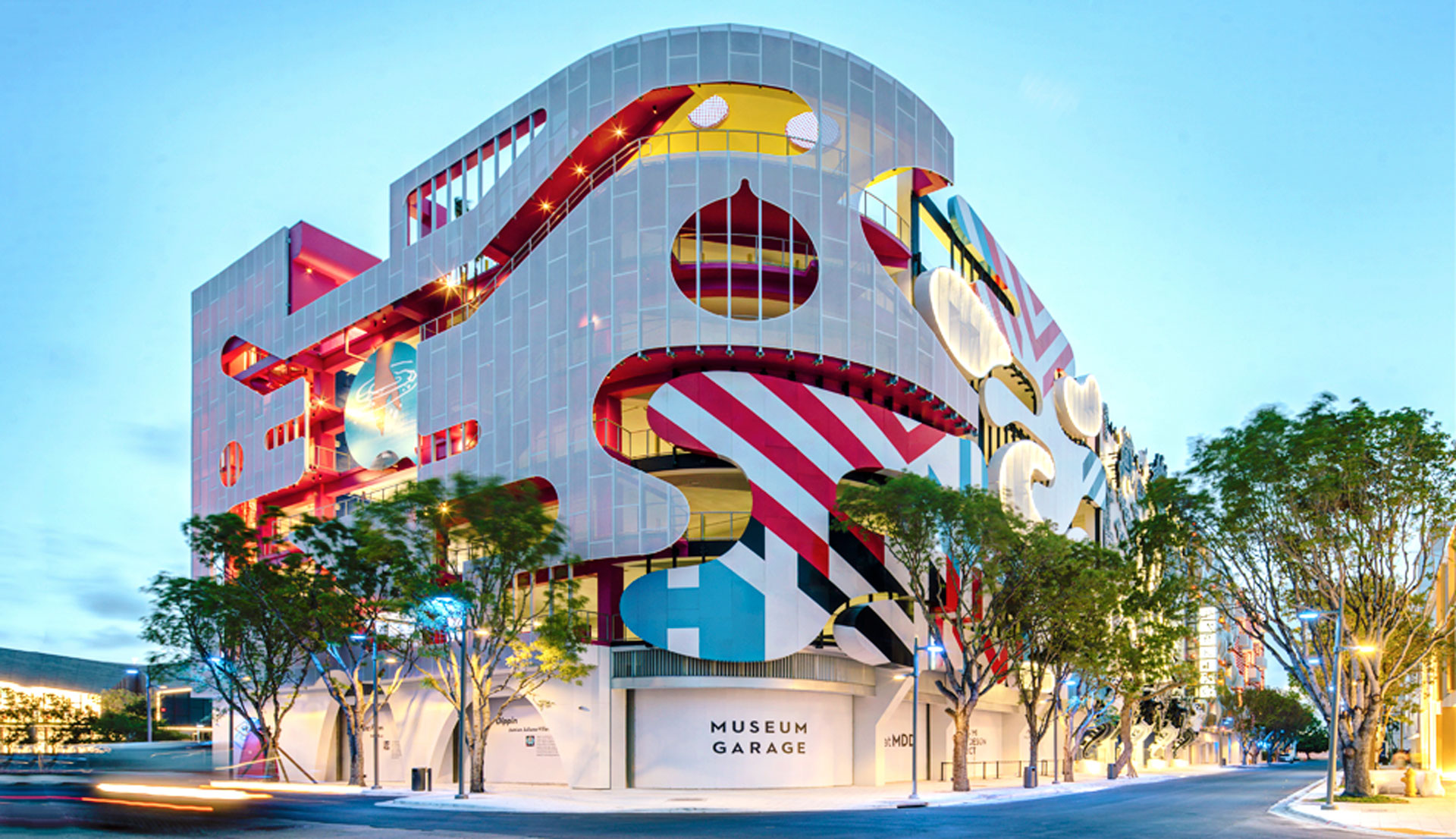
Enjoying the Miami Design District Responsibly
The Miami Design District offers a unique and enriching experience, whether you’re interested in luxury travel, cutting-edge art, or gourmet food. By understanding its safety dynamics and implementing smart practices, you can fully immerse yourself in everything it has to offer.
- For Luxury Travelers: The district caters specifically to a discerning clientele, offering secure shopping and dining environments. Your primary concern will likely be enjoying the exclusive experiences rather than safety issues.
- For Family Trips: The pedestrian-friendly nature and open spaces make it suitable for families during the day. Children can safely explore the public art installations. Keep an eye on younger children in crowded areas, as always.
- For Business Stays: If visiting for business, you’ll find the professional atmosphere and secure surroundings conducive to productive meetings and comfortable evenings.
- For Budget Travel (though less common here): Even if on a budget, you can still enjoy the public art and window shopping. Adhering to the general safety tips will be sufficient.
The district’s active surveillance, regular patrols, and community-oriented approach to safety create an environment where visitors can feel comfortable and confident. From admiring the architectural wonders and unique art installations to indulging in world-class shopping and dining, the Miami Design District is not just safe, but it’s designed to provide a premium and secure tourism experience. By staying vigilant and informed, your visit to this vibrant Florida gem will be nothing short of spectacular.
LifeOutOfTheBox is a participant in the Amazon Services LLC Associates Program, an affiliate advertising program designed to provide a means for sites to earn advertising fees by advertising and linking to Amazon.com. Amazon, the Amazon logo, AmazonSupply, and the AmazonSupply logo are trademarks of Amazon.com, Inc. or its affiliates. As an Amazon Associate we earn affiliate commissions from qualifying purchases.