
The enchanting tale of Moana, Disney’s animated epic, has captivated audiences worldwide with its vibrant portrayal of Polynesian culture, breathtaking oceanic voyages, and memorable characters. Since its release, a common question echoes among fans and potential travelers alike: “Is Moana in Hawaii?” This inquiry stems from the film’s strong visual and narrative ties to the Pacific Islands, often leading to assumptions about its specific geographical setting. While Hawaii is indeed a jewel in the crown of Polynesia, the truth behind Moana’s island home, Motunui, is a bit more nuanced, encompassing a broader tapestry of Pacific traditions and landscapes.

Unpacking Moana’s Polynesian Roots
To truly understand Moana’s origins and its relationship to specific islands, it’s crucial to delve into the rich and diverse cultures of Polynesia. The film was never intended to represent one single island nation but rather to be a celebration of the collective heritage of the entire region. This deliberate choice aimed for cultural authenticity and respect, drawing inspiration from various communities across the vast Pacific Ocean.
The Tapestry of Pacific Cultures
The creative team behind Moana, known as the Oceanic Story Trust, comprised anthropologists, cultural practitioners, linguists, and choreographers from various Pacific Islands. Their mission was to ensure that the story resonated authentically with the cultures it aimed to represent. Elements such as wayfinding, traditional navigation, oral storytelling, dance, and music were meticulously researched and incorporated.
For instance, the character of Maui, the demigod, is a figure found in numerous Polynesian mythologies, albeit with variations in his exploits and characteristics. His stories are prevalent in places like Hawaii, Samoa, Tonga, New Zealand (Aotearoa), and the Marquesas Islands. The film synthesizes these diverse legends into a cohesive narrative, providing a composite hero that many Pacific Islanders can recognize. The detailed artistry in tattooing, the architectural styles of the village, and the designs of the voyaging canoes also reflect a careful blending of various Polynesian aesthetics, rather than a singular origin.
Dispelling the Hawaiian Myth
While Hawaii is undeniably a Polynesian island, Motunui, Moana’s fictional home, is not specifically located there. The filmmakers intentionally kept Motunui unspecific to avoid misrepresenting any one culture or claiming a definitive setting. Instead, Motunui is a composite island, designed to evoke the spirit and essence of many Pacific Islands.
The visual inspiration for Motunui drew from a variety of landscapes across Polynesia, from the volcanic peaks of Fiji to the lush, verdant islands of Samoa and French Polynesia. The vibrant flora and fauna, the turquoise lagoons, and the dramatic coastlines seen in the film are characteristic of the entire region, not just Hawaii. Therefore, while fans might associate the beauty of the film with familiar Hawaiian imagery, the creative team’s intent was to cast a wider net, celebrating the breadth of oceanic heritage.
Auli’i Cravalho and the Spirit of Oʻahu
Despite Motunui not being in Hawaii, the film does have a significant connection to the islands through its lead voice actress. The casting of Auli’i Cravalho, a native Hawaiian from Oʻahu, brought an authentic voice and spirit to the character of Moana.
Connecting the Voice to the Islands
Auli’i Cravalho’s heritage profoundly enriched the film. Her upbringing in Hawaii provided her with a deep understanding of Polynesian values, the importance of ʻohana (family), and the sacred connection to the ocean, all of which are central themes in Moana. Her personal experiences growing up on Oʻahu allowed her to infuse the character with a genuine sense of mana (spiritual power) and aloha (love, compassion).
For tourists visiting Hawaii, the connection through Auli’i Cravalho offers a unique entry point into appreciating the local culture. It highlights that while Moana is a fictional story, its underlying spirit is deeply rooted in the living traditions of the Pacific. Engaging with local Hawaiian culture, even if it’s not the exact ‘Motunui,’ allows visitors to experience the vibrancy that inspired parts of the film.
Real-World Polynesian Cultural Centers
For those eager to dive deeper into the real-world cultures that inspired Moana, places like the Polynesian Cultural Center on Oʻahu, Hawaii, offer an immersive experience. This renowned attraction showcases the diverse traditions of various Polynesian island nations, including Hawaii, Samoa, Fiji, Aotearoa (New Zealand), Tonga, and Tahiti.
Visitors can learn about traditional dances, music, food preparation, crafts, and the history of these islands. It’s an excellent opportunity to witness the distinctions and commonalities between these cultures, moving beyond the generalized ‘Polynesian’ identity presented in the film to appreciate the specific nuances of each island nation. Such centers provide an educational and entertaining way to connect with the living heritage that forms the backdrop of Moana’s world.
Exploring the Real-Life Motunui
While Motunui itself is a fictional locale, the spirit of adventure and connection to the ocean portrayed in Moana can be found across many breathtaking island nations in the Pacific. These destinations offer a chance to experience the stunning natural beauty and rich cultural practices that inspired the film.

Island Nations That Inspired the Film
Travelers seeking a “real-life Motunui” experience have a wealth of options. The Hawaiian Islands, with their dramatic volcanic landscapes, lush valleys, and vibrant coral reefs, certainly evoke Moana’s world. Islands like Maui or Kauaʻi offer stunning natural beauty reminiscent of the film’s animation.
Further south, Samoa is often cited as a key inspiration, particularly for its pristine beaches, waterfalls, and strong adherence to fa’a Samoa (the Samoan way of life). The culture of wayfinding, central to Moana’s story, is a proud heritage in nations like Tonga and French Polynesia, where traditional sailing and navigation techniques are still practiced and celebrated. The dramatic limestone cliffs of the Marquesas Islands also bear a striking resemblance to some of Motunui’s more rugged scenes. Each of these destinations offers a unique blend of natural wonder and cultural depth, allowing visitors to forge their own adventure inspired by Moana.
The Importance of Cultural Sensitivity in Tourism
When visiting these beautiful islands, especially those with such deep cultural roots, it’s paramount for tourists to practice cultural sensitivity. The magic of Moana lies in its respectful portrayal of Polynesian culture, and visitors should strive to do the same. This means learning about local customs, respecting sacred sites, supporting local economies, and engaging with communities in a mindful way.
Understanding simple greetings in the local language, asking permission before photographing people, and dressing modestly when visiting villages or religious sites are small but significant ways to show respect. Such considerations enrich the travel experience, fostering genuine connections with the people and places, rather than merely consuming them as a spectacle. Ethical tourism ensures that the beauty and culture of these islands are preserved for future generations, much like Moana’s mission to protect her island.
Moana’s Impact on Pacific Island Tourism
The release of Moana undoubtedly sparked a renewed interest in the Pacific Islands, drawing the attention of a global audience to their breathtaking beauty and rich cultures. This cinematic spotlight has had a tangible effect on tourism, presenting both opportunities and responsibilities for travelers and destinations alike.
Authentic Experiences for Visitors
For many, Moana served as an introduction to the concept of Polynesian navigation, the power of ancestral stories, and the deep spiritual connection to the ocean. Tourists arriving in places like Hawaii, Fiji, or Tahiti often seek out experiences that align with the film’s themes: sailing excursions, cultural performances, traditional luaus, or opportunities to learn about local legends.
This increased interest provides a platform for local communities to share their authentic heritage. Many tour operators and cultural centers now highlight aspects of their traditions that resonate with Moana’s narrative, offering genuine insights into Pacific Island life. Visitors can find themselves learning to husk a coconut, paddle an outrigger canoe, or listen to ancient chants, connecting with the living traditions that inspired the animated world. It’s an opportunity to move beyond superficial tourism and engage in meaningful cultural exchange, driven by the film’s positive representation.
Supporting Local Communities
Responsible tourism, especially in the wake of a popular film like Moana, is crucial for supporting the communities whose cultures are being celebrated. When visiting the Pacific Islands, tourists have the power to make a significant positive impact by choosing locally owned businesses, purchasing authentic handmade crafts, and engaging with local guides.
For example, when exploring a vibrant market in Samoa or Hawaii, opting for products made by local artisans directly contributes to their livelihoods. Similarly, booking cultural tours led by indigenous guides ensures that the profits remain within the community and that the stories are told by those who truly own them. This approach helps to preserve cultural integrity and empowers local populations, reinforcing the film’s message of cherishing and protecting one’s heritage and environment.
Planning Your Polynesian Adventure
The allure of the Pacific, amplified by Moana, invites travelers to embark on their own journeys of discovery. While no single island is Motunui, the essence of Moana’s world is palpable across the diverse landscapes and cultures of Polynesia.
Beyond the Silver Screen
To truly experience the spirit of Moana, one must look beyond the animated setting and embrace the real-world wonders of the Pacific. This means diving into the turquoise waters of Fiji, hiking the lush trails of Kauaʻi, or witnessing the powerful traditional dances of Aotearoa (New Zealand). Each island group offers a unique slice of Polynesian paradise, rich with history, natural beauty, and warm hospitality.
Consider exploring the ancient petroglyphs on Maui, learning about traditional navigation techniques in Tonga, or simply relaxing on a secluded beach in Tahiti. The adventure lies not just in visiting a place that looks like Motunui, but in engaging with the living cultures and environments that collectively inspired such a powerful story.
Respecting the Mana of the Islands
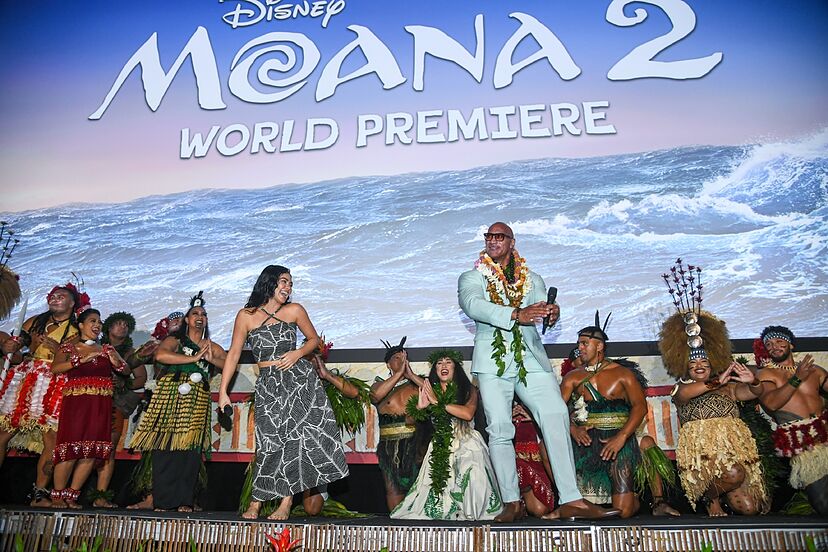
Ultimately, the answer to “Is Moana in Hawaii?” is no, not directly. But the spirit, the mana, of Moana’s journey is deeply intertwined with the entire Polynesian region, including Hawaii. As travelers, our role is to approach these sacred lands and vibrant cultures with respect, humility, and a genuine desire to learn. By doing so, we not only honor the fictional tale but also contribute positively to the enduring legacy of the real-life navigators, storytellers, and island guardians who continue to shape the Pacific. Your adventure, much like Moana’s, can be one of discovery, connection, and a deeper appreciation for the boundless beauty of our world.
LifeOutOfTheBox is a participant in the Amazon Services LLC Associates Program, an affiliate advertising program designed to provide a means for sites to earn advertising fees by advertising and linking to Amazon.com. Amazon, the Amazon logo, AmazonSupply, and the AmazonSupply logo are trademarks of Amazon.com, Inc. or its affiliates. As an Amazon Associate we earn affiliate commissions from qualifying purchases.