
The question of whether Montana is a “red state” delves deeper than simple political affiliation, touching upon the very fabric of its identity, culture, and the experiences it offers to travelers. While electorally, Montana undeniably leans Republican, this designation doesn’t fully capture the nuanced tapestry of its communities, its vibrant tourism industry, or the distinct lifestyles found across its vast and varied landscapes. For those planning a visit, understanding the state’s political leanings can offer context, but it’s the unparalleled natural beauty, the spirit of its people, and its rich cultural heritage that truly define the Treasure State.
Beyond the ballot box, Montana is a place where rugged independence meets breathtaking wilderness, where bustling college towns contrast with serene ranchlands, and where a strong sense of community thrives. From the majestic peaks of Glacier National Park to the geothermal wonders near Yellowstone National Park, and from the growing tech hubs to the charming small towns, Montana offers a spectrum of experiences for every type of traveler. This article will explore Montana’s political landscape and, more importantly, how its identity as a largely conservative state influences (or doesn’t influence) the local culture, travel destinations, accommodation options, and overall lifestyle that visitors can expect.
The Political Landscape of Big Sky Country
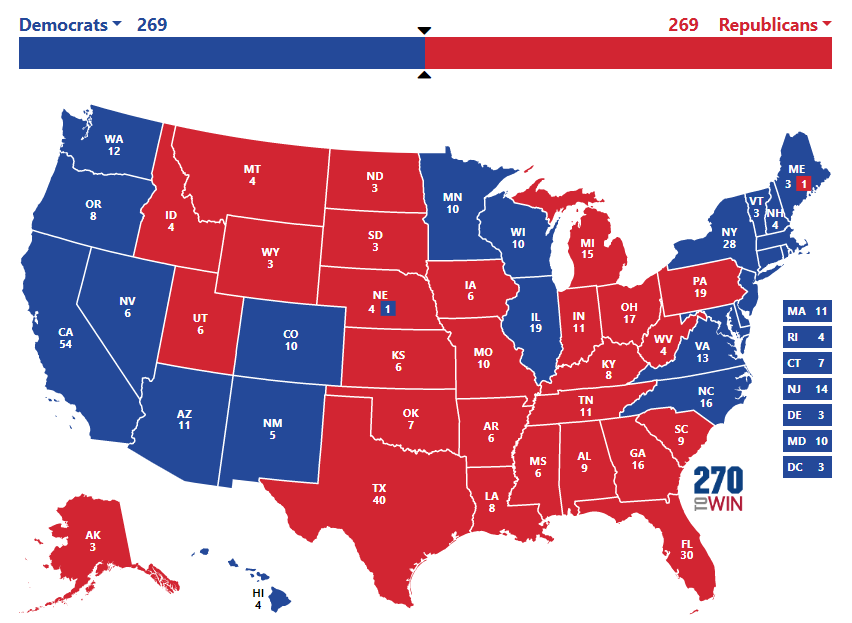
To answer the question definitively, yes, Montana is largely considered a “red state.” Its voting patterns consistently favor Republican candidates in presidential, senatorial, and gubernatorial elections. This political leaning is deeply rooted in the state’s history, demographics, and dominant industries.
Historical Roots and Modern Affiliations
Historically, Montana’s political identity has been shaped by its frontier spirit, a strong emphasis on individual liberty, and industries such as agriculture, mining, and timber, which often align with conservative values. The state’s vast rural areas, where communities are tight-knit and self-reliance is paramount, have traditionally been strongholds for the Republican Party. This trend has solidified over the past few decades, with Montana consistently voting Republican in presidential elections since 1996, and often electing Republican representatives to Congress and state offices.
However, the political climate isn’t monolithic. While the state’s general assembly, governor’s mansion, and congressional delegation are frequently dominated by Republicans, there are undercurrents of political diversity. The state’s strong libertarian streak, for example, occasionally manifests in bipartisan efforts on issues of privacy or individual freedoms, which might surprise some observers. The prevailing conservative ethos emphasizes fiscal prudence, limited government intervention, and the protection of gun rights, all of which resonate deeply with a significant portion of the population. Understanding these values can provide insight into the local customs and perspectives encountered during travel throughout the state.
Understanding the Electoral Map: Urban vs. Rural Dynamics
The political leanings in Montana become more complex when examining its urban centers versus its expansive rural regions. The state’s larger cities and university towns often exhibit more liberal tendencies, creating pockets of blue within the predominantly red landscape.
- Bozeman: Home to Montana State University, Bozeman has experienced rapid growth, attracting a diverse population including tech professionals, outdoor enthusiasts, and a younger demographic. This influx has contributed to a more progressive political environment compared to many other parts of the state. Its vibrant downtown, farm-to-table restaurants, and thriving arts scene reflect this evolving demographic.
- Missoula: As the location of the University of Montana, Missoula is widely recognized as the most liberal city in Montana. It’s a hub for environmental activism, arts and culture, and progressive politics, often standing in stark contrast to the conservative bent of the rest of the state. Travelers here will find a welcoming, open-minded atmosphere, particularly around the university campus and its independent businesses.
- Billings: As Montana’s largest city, Billings serves as a commercial and industrial center, particularly for the energy and agriculture sectors. While it has a more diverse political mix than smaller rural towns, it generally leans conservative, reflecting its role as a regional economic engine. Visitors here will find a robust array of businesses and services, reflecting a more traditional Montana ethos.
- Helena: The state capital, Helena, often mirrors the state’s overall political inclination, leaning conservative while still engaging in the political discourse that defines a state capital. Its historical architecture and government buildings provide a glimpse into the state’s storied past.
- Rural Areas: The vast stretches of rural Montana, encompassing ranching communities, small towns, and remote wilderness areas, remain the backbone of the state’s conservative political identity. Here, the values of self-sufficiency, community support, and respect for tradition are deeply ingrained and readily apparent to visitors.
This urban-rural divide means that while the state as a whole votes Republican, a traveler’s experience can vary significantly depending on their chosen destination. Exploring Montana offers a unique opportunity to witness these different cultural and political landscapes firsthand.
Montana’s Identity Beyond Politics: A Traveler’s Perspective
While politics might define Montana electorally, its true identity, and what makes it a world-class destination, transcends partisan lines. The state’s allure lies in its majestic natural beauty, its rich history, and the authentic experiences it offers.
Embracing the Outdoor Lifestyle: Where Conservatism Meets Conservation
One of Montana’s most defining characteristics is its profound connection to the outdoors. The state is synonymous with the Rocky Mountains, pristine rivers, expansive forests, and iconic national parks. This love for the land and outdoor recreation is a unifying force that crosses political divides.
- Glacier National Park: Known as the “Crown of the Continent,” this park offers unparalleled hiking, scenic drives along the Going-to-the-Sun Road, and opportunities for wildlife viewing. Its preservation is a testament to the shared value Montanans place on their natural heritage.
- Yellowstone National Park: While primarily in Wyoming, a significant portion of Yellowstone National Park, including several entrances, is located in southern Montana. Visitors can explore geysers, hot springs, and abundant wildlife, experiencing the pioneering spirit that still defines this region.
- Flathead Lake: The largest freshwater lake west of the Mississippi River in the contiguous United States, Flathead Lake is a haven for boating, fishing, and swimming, surrounded by cherry orchards and stunning scenery. Its serene beauty is appreciated by all, regardless of political persuasion.
- Big Sky Resort: A world-renowned destination for skiing and snowboarding in winter, and hiking, mountain biking, and zip-lining in summer. Big Sky Resort attracts visitors from around the globe, all drawn to the promise of adventure in the Rocky Mountains.
The conservative value of land stewardship often translates into a strong conservation ethic, ensuring that Montana’s natural resources are protected for future generations. This commitment to preserving the wild beauty means travelers can expect well-maintained parks, accessible trails, and a deep respect for the environment from locals. Whether you’re fly-fishing in the Gallatin River, hunting in the backcountry, or simply enjoying a scenic drive, the outdoor lifestyle is an integral part of the Montana experience.
Local Culture, Food, and Unique Experiences
Montana’s culture is a rich blend of Native American heritage, pioneer spirit, and a growing modern influence. While underlying conservative values might inform some aspects of local life, the hospitality and unique culinary scene are universally appealing.
The state is famous for its ranching traditions, with many opportunities to experience an authentic dude ranch stay, learning about cowboy culture and horsemanship. Native American history is deeply woven into the land, with numerous tribal nations having significant cultural sites and events that welcome visitors.
When it comes to food, Montana offers more than just traditional cowboy fare. You’ll find delicious bison burgers, locally sourced trout, and the famous huckleberry in season, used in everything from pies to cocktails. The craft brewery scene has exploded, even in smaller, more conservative towns, offering a surprisingly diverse selection of local beers. Bozeman and Missoula, in particular, boast sophisticated dining scenes with farm-to-table movements gaining traction.
Travelers will find a strong sense of community and genuine hospitality throughout the state. Montanans are generally proud of their state and eager to share its wonders. This spirit of openness and helpfulness is a cornerstone of the local culture, creating memorable interactions for visitors.
Accommodation and Lifestyle in the Treasure State
The range of accommodation options and lifestyle experiences in Montana caters to a wide spectrum of preferences, from those seeking rustic solitude to travelers desiring luxury amenities.
From Rustic Retreats to Luxury Resorts
Montana’s tourism sector understands the diverse needs of its visitors, offering everything from charming bed and breakfasts to world-class resorts.
- Luxury Stays: Destinations like Big Sky Resort and the surrounding Yellowstone Club or Spanish Peaks Mountain Club offer ultra-luxury lodges, private cabins, and amenities like ski-in/ski-out access, gourmet dining, and spa services. These high-end accommodations are perfect for those seeking an indulgent escape amidst spectacular natural scenery. Properties such as The Resort at Paws Up near Greenough exemplify luxury glamping and ranch experiences, blending rustic charm with five-star service.
- Boutique Hotels and Urban Comforts: In cities like Bozeman and Missoula, you’ll find modern boutique hotels that combine local flair with contemporary comforts. Examples include The Lark in Bozeman, known for its stylish design and central location, or the historic Hotel Florence in Missoula, offering a glimpse into the city’s past with updated amenities. These provide excellent bases for exploring the vibrant urban scenes.
- Cozy Cabins and Vacation Rentals: For a more independent or budget-friendly option, countless cabins, vacation rentals, and Airbnb properties are available, especially near national parks and popular outdoor recreation areas. These often provide a more immersive experience, allowing visitors to enjoy the tranquility of Montana’s wilderness.
- Dude Ranches: For a truly iconic Montana experience, consider a stay at a working dude ranch, such as Mountain Sky Guest Ranch near Big Sky. These offer horseback riding, cattle drives, hearty meals, and a deep dive into the state’s cowboy heritage.
Whether you’re planning a family trip, a romantic getaway, a business stay that blends work with adventure, or a solo exploration, the breadth of accommodation in Montana ensures that every traveler can find their ideal retreat.
Planning Your Montana Adventure: Tips for Every Traveler
Embracing Montana’s identity means being prepared for its vastness and diversity. For optimal travel experiences, consider the following:
- Best Time to Visit: Summer (June-August) is ideal for hiking, fishing, and exploring the national parks, though it’s also peak season. Spring and fall offer fewer crowds and beautiful scenery, with opportunities for wildlife viewing. Winter brings world-class skiing and snowboarding.
- Activities for All: Families will love the wildlife, open spaces, and educational opportunities in places like Museum of the Rockies in Bozeman. Adventure seekers can explore countless trails, rivers, and mountains. Those interested in local culture can visit historical sites, art galleries, and experience local festivals. Even for business stays, the proximity to nature offers a refreshing balance.
- Transportation: A car is essential for exploring Montana’s expansive landscapes. Airports in Bozeman, Missoula, Billings, and Kalispell offer convenient access.
- Respecting the Environment and Locals: Montanans take pride in their natural surroundings and their way of life. Practicing Leave No Trace principles, respecting private property, and engaging with locals in a friendly manner will enhance your experience. While the state leans conservative, genuine hospitality often transcends political lines.
In conclusion, while Montana is indeed a “red state” in terms of its dominant political leanings, this political label merely scratches the surface of what makes the state truly unique. For travelers, Montana offers an unforgettable journey into the heart of the American West, characterized by unparalleled natural beauty, a rich cultural mosaic, and a diverse array of experiences and accommodations. From the rugged peaks of its national parks to the vibrant energy of its growing cities, Montana invites exploration, promising adventure, relaxation, and a genuine connection to the Big Sky Country, regardless of your own political persuasion.
LifeOutOfTheBox is a participant in the Amazon Services LLC Associates Program, an affiliate advertising program designed to provide a means for sites to earn advertising fees by advertising and linking to Amazon.com. Amazon, the Amazon logo, AmazonSupply, and the AmazonSupply logo are trademarks of Amazon.com, Inc. or its affiliates. As an Amazon Associate we earn affiliate commissions from qualifying purchases.