
The question of whether Montana belongs to the Midwest is more than a simple geographical query; it’s a fascinating dive into regional identity, cultural nuances, and the very essence of what makes a place unique for visitors. For tourists planning to explore the vast landscapes and vibrant communities of the United States, understanding these distinctions is crucial for setting expectations, appreciating local culture, and ultimately, enjoying a more authentic experience. While some might casually group Montana with its agricultural neighbors to the east, a closer examination reveals a state that proudly carves out its own identity, firmly rooted outside the traditional boundaries of the Midwest.
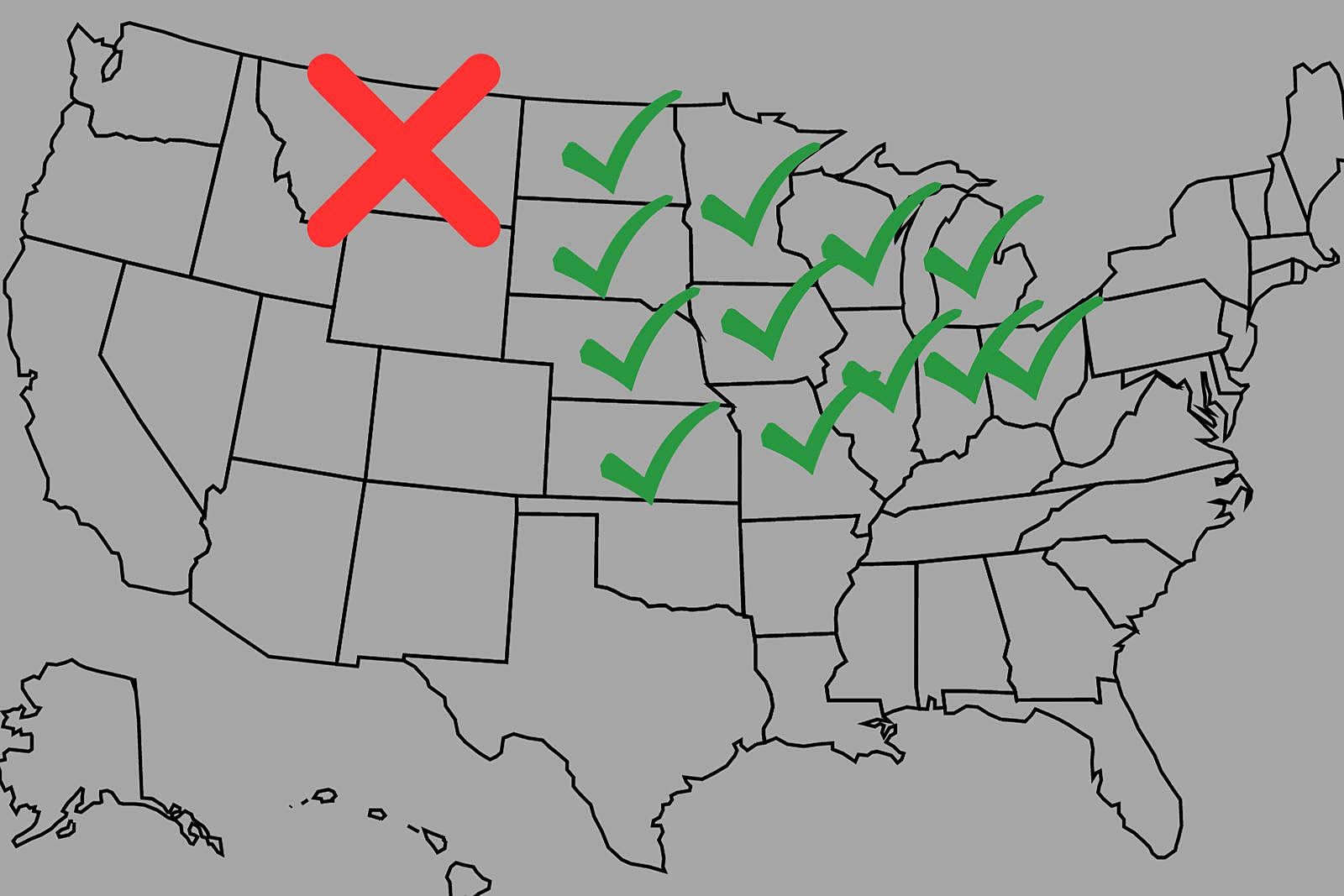
This article will explore the defining characteristics of the Midwest and Montana, highlighting why the Treasure State offers a distinctly different tourism experience. From its dramatic topography to its unique blend of cultural influences, Montana’s identity has profound implications for anyone seeking to engage with its local culture, partake in its diverse activities, and savor its distinct culinary offerings.
Deconstructing Regional Identity: What Defines the Midwest?
To understand why Montana isn’t Midwest, it’s essential first to define what the Midwest truly is. This region, as recognized by the U.S. Census Bureau, comprises 12 states, typically encompassing the agrarian heartland of the nation. But beyond official categorizations, the Midwest carries a distinct set of geographical, cultural, and economic markers that shape its tourism appeal.
Geographical Markers
Geographically, the Midwest is largely characterized by its expansive, fertile plains, rolling hills, and vast agricultural lands. States like Iowa, Illinois, Kansas, and Nebraska epitomize this landscape with their endless cornfields, soybean crops, and cattle ranches. The topography is generally flat to gently undulating, a stark contrast to the dramatic mountain ranges found further west. Major river systems, such as the Mississippi and Missouri Rivers, are integral to its identity, historically serving as vital arteries for trade and settlement. While lakes like the Great Lakes are prominent in the eastern Midwest, the overall impression is one of broad, open spaces dedicated to cultivation rather than rugged wilderness.
Cultural Hallmarks
Culturally, the Midwest is often associated with a particular ethos of friendliness, hospitality, and a strong sense of community. Known for its “Midwestern nice” stereotype, residents are often perceived as open, down-to-earth, and hardworking. This manifests in local tourism through community festivals, county fairs, and a general welcoming atmosphere. Food culture often revolves around comfort food, hearty meals, and regional specialties influenced by European immigrant populations, such as German and Scandinavian traditions. Sports, particularly football and basketball, hold significant cultural weight, especially at the collegiate level, drawing passionate fans and fostering local pride.
Economic Foundations
Economically, the Midwest has historically been and remains a powerhouse of agriculture and manufacturing. The “Rust Belt” region, though facing challenges, reflects a legacy of heavy industry, particularly in states like Ohio, Michigan, and Indiana. Agriculture, however, is the enduring backbone, defining much of the landscape and local economies in the central and western parts of the region. This economic focus heavily influences the types of attractions available to tourists, from farm tours and agricultural museums to industrial heritage sites and burgeoning craft beer scenes in urban centers.
Montana’s Unique Tapestry: Beyond the Midwest Label
Against this backdrop of Midwestern characteristics, Montana emerges as a distinctly different entity. Often categorized within the Mountain West or occasionally the Pacific Northwest (due to its westernmost reaches), Montana offers a landscape, culture, and economic profile that diverts sharply from its eastern neighbors.
The Allure of the Mountain West
The most striking differentiator is Montana’s geography. Known as “Big Sky Country,” it is dominated by the majestic peaks of the Rocky Mountains, particularly in its western half. Iconic national parks like Glacier National Park and the proximity to Yellowstone National Park define its tourism identity, drawing visitors for unparalleled hiking, skiing, wildlife viewing, and mountaineering. The landscape is rugged, vast, and untamed, with dense forests, pristine alpine lakes, and powerful rivers. This topography supports a unique ecosystem and provides a completely different set of recreational opportunities than those typically found in the Midwest.
Echoes of the Great Plains
While Montana’s western half is unequivocally mountainous, its eastern side does extend into the Great Plains. Here, one can find vast prairies, cattle ranches, and an agricultural presence that might bear superficial resemblance to parts of the Midwest. However, even these plains possess a distinct character, often higher in elevation, drier, and more sparsely populated, blending seamlessly into the arid expanses of the American West. The culture here is more aligned with cowboy traditions, ranching heritage, and the spirit of the frontier, a different flavor than the farming communities of Iowa or Ohio. This dual landscape provides Montana with a diverse appeal, allowing tourists to experience both soaring peaks and sprawling plains within a single visit.
A Touch of the Pacific Northwest

In its far western reaches, particularly around areas like Missoula and the Flathead Valley, Montana shares some ecological and cultural characteristics with the Pacific Northwest. Evergreen forests, abundant rainfall (though less than coastal regions), and a growing emphasis on outdoor recreation, craft breweries, and a more progressive urban vibe can be felt. This subtle influence further distinguishes Montana from the Midwest, adding another layer to its complex identity and offering diverse experiences for tourists.
Tourism Implications: How Regional Identity Shapes the Montana Experience
For the discerning tourist, understanding Montana’s true regional identity is paramount. It influences everything from the type of accommodation available to the activities one can pursue and the local flavor encountered. Expecting a Midwestern experience in Montana would be to miss the profound richness of its unique character.
Culture and Hospitality for Visitors
While “Midwestern nice” is a specific cultural trait, Montana offers its own brand of hospitality, often characterized by a rugged individualism mixed with genuine warmth. Visitors will find a strong appreciation for nature, self-reliance, and a deep respect for the land. Local culture is heavily influenced by Native American heritage, pioneer history, and a modern outdoor adventure ethos. Towns like Bozeman and Whitefish blend cowboy traditions with contemporary outdoor lifestyles, offering a unique cultural milieu. Tourists can expect friendly interactions, but perhaps with a less overtly effusive style than in some Midwestern towns, more rooted in shared respect for the wilderness and community.
Gastronomy: A Blend of Influences
The culinary scene in Montana reflects its diverse regional identity. While hearty, comfort-style dishes can be found, mirroring some Midwestern staples, the emphasis quickly shifts to local game (elk, bison), fresh trout from pristine rivers, and huckleberries, a prized regional fruit. Ranch-to-table dining experiences are increasingly popular, celebrating local beef and produce. The craft beverage scene, particularly microbreweries and distilleries, has flourished, often featuring locally sourced ingredients and capturing the independent spirit of the state. This contrasts with the Midwestern focus on corn-fed meats, dairy, and German/Scandinavian immigrant culinary traditions.
Activities and Natural Landscapes
The array of activities available in Montana is overwhelmingly skewed towards its Mountain West and Great Plains identity. Summer brings opportunities for fly-fishing, whitewater rafting, hiking, mountain biking, and exploring national parks. Winter transforms the state into a premier destination for skiing, snowboarding, snowmobiling, and ice fishing. Wildlife viewing, particularly of grizzly bears, wolves, and moose, is a major draw. These outdoor, wilderness-centric activities are distinct from the agricultural tourism, lake recreation (outside of the Great Lakes region), or historical site visits that might define a Midwestern trip.
Why the Distinction Matters for Travelers and Locals Alike
The accurate regional categorization of Montana is not merely academic; it has practical implications for tourism, local development, and how the state is perceived both internally and externally.
Setting Expectations for Visitors
For travelers, understanding that Montana is not Midwest helps in planning. Those seeking flat farmlands, quaint small towns focused on agriculture, and a specific “Midwestern charm” might be surprised by Montana’s rugged mountains, vast wilderness, and frontier-influenced culture. Conversely, those drawn to epic outdoor adventures, national parks, and a taste of the American West will find their expectations met and exceeded. It ensures that tourists arrive with an accurate mental map of the landscapes, activities, and cultural interactions they are likely to encounter.
Preserving Montana’s Distinct Character
For locals, affirming Montana’s identity outside the Midwest is crucial for preserving its unique character. It reinforces the state’s focus on its natural heritage, its Western values, and its distinct way of life. This distinction helps in local policy-making, conservation efforts, and the development of tourism infrastructure that is appropriate for its specific environment and culture, rather than trying to fit a generic mold.
Marketing and Brand Identity in Tourism
From a tourism marketing perspective, clearly defining Montana’s regional identity is vital. The “Big Sky Country” brand, with its emphasis on mountains, wilderness, and outdoor adventure, resonates globally. Marketing Montana as part of the Midwest would dilute this powerful image and confuse potential visitors. By positioning itself firmly within the Mountain West, Montana can target the right demographics and communicate its unique value proposition effectively.

Conclusion: Embracing Montana’s True Identity
In conclusion, the answer to “Is Montana Midwest?” is a resounding no. While geographic proximity might lead some to a superficial grouping, a deeper look at its stunning mountain landscapes, rich Western culture, diverse economic drivers, and unparalleled outdoor activities firmly places Montana within the Mountain West region. For tourists, this distinction is not just a detail; it’s the key to unlocking an authentic and unforgettable experience. By appreciating Montana’s true identity, visitors can fully immerse themselves in its vast beauty, distinct culture, and the adventures that truly define the Treasure State, far removed from the gentle plains of the Midwest.
LifeOutOfTheBox is a participant in the Amazon Services LLC Associates Program, an affiliate advertising program designed to provide a means for sites to earn advertising fees by advertising and linking to Amazon.com. Amazon, the Amazon logo, AmazonSupply, and the AmazonSupply logo are trademarks of Amazon.com, Inc. or its affiliates. As an Amazon Associate we earn affiliate commissions from qualifying purchases.