
Montana, a state synonymous with wide-open spaces, majestic natural beauty, and a deeply ingrained independent spirit, presents a unique set of considerations for visitors regarding firearm regulations. For many travelers, understanding the legal landscape of carrying firearms, particularly in public spaces, is a crucial aspect of planning their trip. The question “Is Montana open carry?” is not a simple yes or no, but rather a nuanced inquiry into the state’s laws, exceptions, and the practical implications for those visiting the Big Sky Country. This guide aims to demystify Montana’s open carry laws, providing clarity for tourists and outdoor enthusiasts alike, ensuring a safe and legally compliant experience.

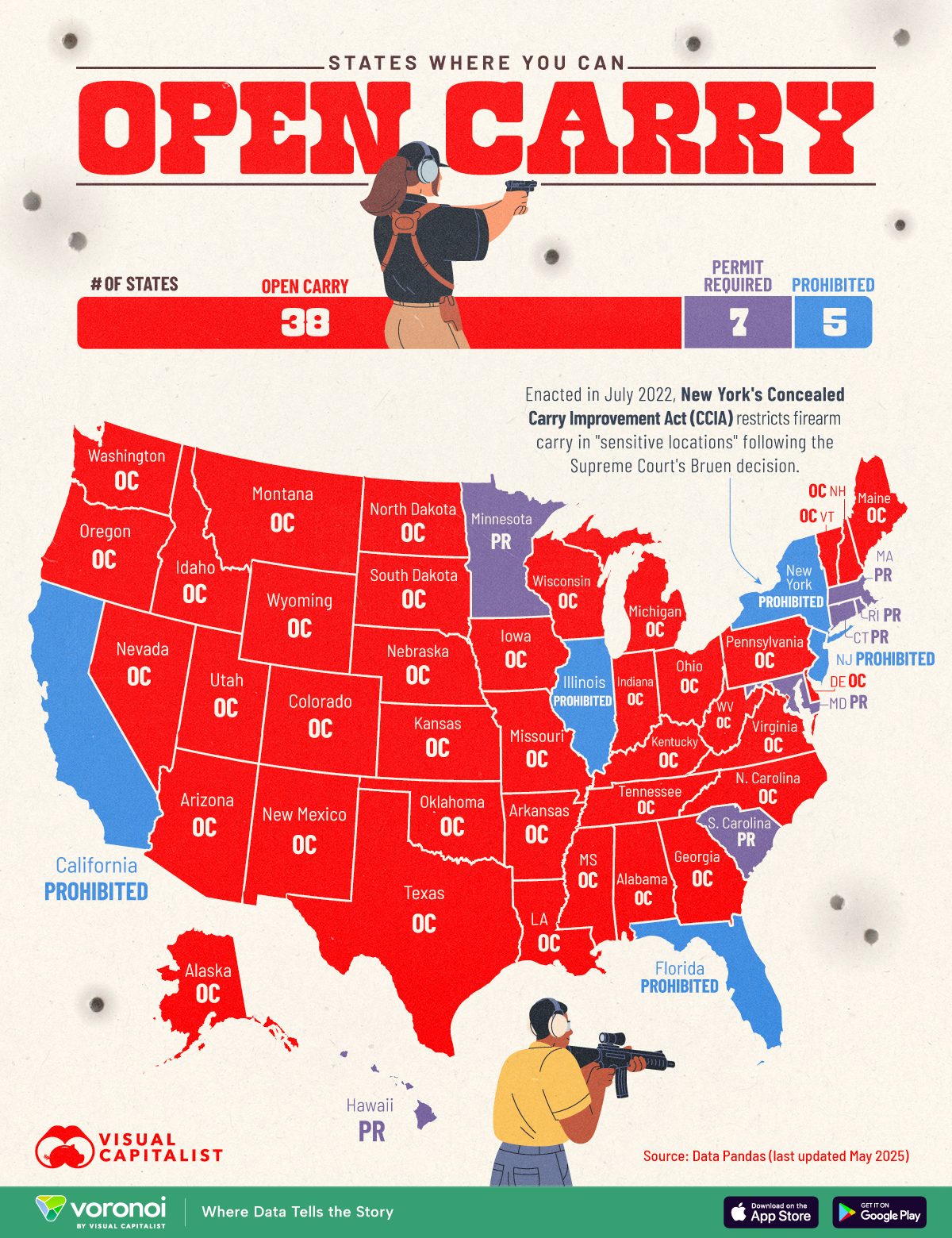
The foundation of Montana’s firearm policy rests on a bedrock of Second Amendment rights, interpreted with a strong emphasis on individual liberty. Unlike many other states, Montana generally allows for open carry of firearms without a permit, provided the individual is legally allowed to possess a firearm. This permissive stance reflects the state’s historical connection to firearms for hunting, self-defense, and sporting purposes. However, this freedom comes with responsibilities and specific limitations that travelers must be aware of to avoid legal entanglements.
Understanding Montana’s Open Carry Laws
Montana’s legal framework for open carry is largely permissive, stemming from the state’s constitutional protections and legislative actions. The core principle is that any person legally allowed to possess a firearm may openly carry one in any place where they are not otherwise prohibited by law. This means that, in the absence of specific restrictions, seeing an individual openly carrying a rifle or handgun is not uncommon in many parts of Montana.
Key Provisions and General Permissions
The Montana Code Annotated (MCA) addresses firearm regulations, and while not always explicitly detailing “open carry” in a singular section, the collective provisions lean towards allowing it. For instance, MCA § 45-8-361 outlines prohibitions on carrying firearms in certain places, implying that where these prohibitions do not apply, carrying is generally permitted. This includes areas like the wilderness surrounding Glacier National Park or the vast ranches near Bozeman, where firearms are often part of the local culture for hunting and self-protection.
Crucially, for a traveler to legally open carry, they must meet the basic requirements for firearm possession. This typically involves being at least 18 years of age and not being prohibited by state or federal law from owning a firearm (e.g., due to felony convictions, domestic violence restraining orders, or being a fugitive from justice). Federal law also dictates certain restrictions, such as carrying firearms in national parks, which visitors should consult.
Resident vs. Non-Resident Considerations
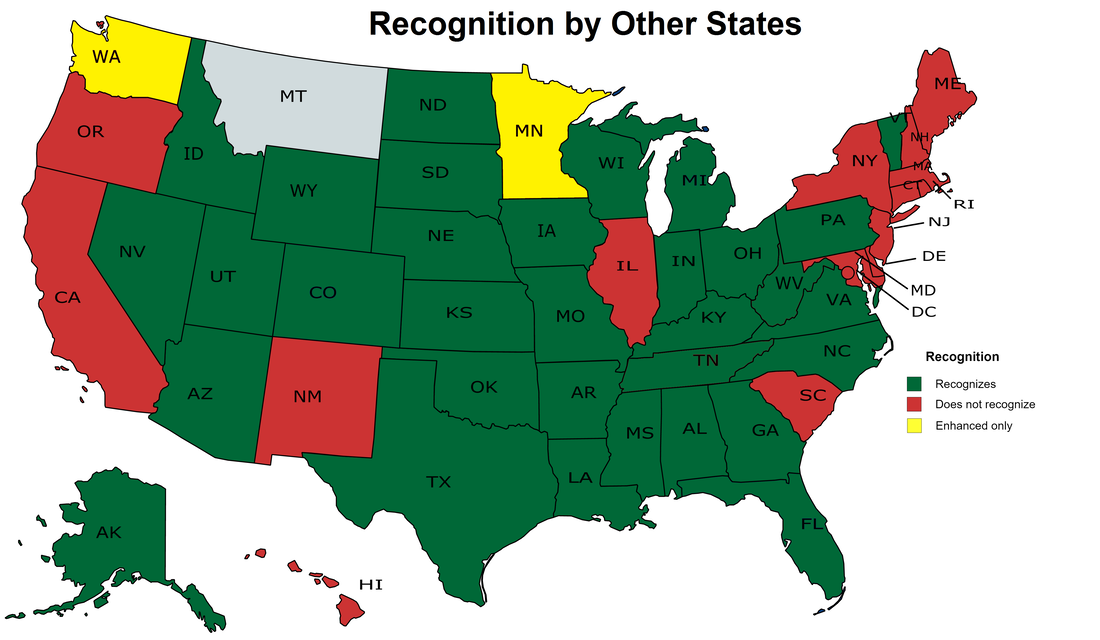
While Montana’s laws generally apply equally to residents and non-residents, there can be nuances. Non-residents may need to ensure their home state’s firearm laws do not conflict with their intent to carry in Montana. However, Montana does not require a permit for open carry, which simplifies matters for visitors. Concealed carry, on the other hand, has different requirements, with Montana being a “permitless carry” state for concealed handguns as well, meaning no permit is needed for concealed carry for those legally allowed to possess a handgun. This further underscores the state’s broadly permissive approach to carrying firearms.
Places Where Open Carry is Restricted or Prohibited
Despite the general permissiveness, Montana law clearly delineates specific locations where firearms, whether openly or concealed, are forbidden. Travelers must be acutely aware of these restrictions to ensure compliance. These prohibitions are designed to enhance safety and security in sensitive environments.
Federal and State Buildings
Federal laws, which supersede state laws in many instances, prohibit firearms in federal buildings. This includes post offices, federal courthouses, and any facility managed by federal agencies. Similarly, Montana state law restricts firearms in certain state-owned or operated facilities. For instance, firearms are generally prohibited in courthouses, legislative sessions, and detention facilities. Visitors should look for signage indicating firearm restrictions at entrances to government buildings.
Schools and Educational Institutions
A significant restriction applies to schools and educational institutions. Montana law prohibits firearms on school grounds, including K-12 schools and university campuses, with limited exceptions for law enforcement officers or individuals with specific permits and authorization for training purposes. This applies to both public and private educational facilities and is a critical area where travelers must exercise caution. If visiting a university town like Missoula for an event or to see a landmark, understanding this prohibition is essential.
Private Property and Business Restrictions
Private property owners and businesses generally have the right to prohibit firearms on their premises. This is often indicated by signage, such as “No Firearms Allowed” signs. If a private establishment clearly prohibits firearms, visitors must comply with that directive. This applies to restaurants, shops, and even private parks or recreational areas that are not public lands. For instance, a small, family-owned lodge in a remote area near Yellowstone National Park could legally ban firearms on its property.
Tribal Lands
It is vital for travelers to understand that laws regarding firearms can differ significantly on Native American tribal lands. Many reservations in Montana, such as the Blackfeet Indian Reservation or the Crow Indian Reservation, have their own laws and regulations governing the possession and carrying of firearms, which may be more restrictive than state law. Travelers venturing onto these lands should research and adhere to the specific tribal ordinances, which may require permits or prohibit firearms altogether in certain areas.
Responsible Firearm Handling and Etiquette
Even where open carry is legal, responsible handling and a strong sense of public etiquette are paramount. The intent of open carry laws is not to intimidate or cause alarm but to allow for lawful self-defense and the exercise of constitutional rights. Travelers who choose to open carry should be mindful of their actions and the potential perceptions of others, especially in tourist areas or towns with a less frequent presence of firearms.
Awareness and De-escalation
Being aware of your surroundings is always a good practice for travelers, and this extends to firearm safety. If you choose to open carry, be mindful of how your firearm is displayed. Avoid aggressive stances or overtly displaying the weapon in a manner that could be interpreted as threatening. In situations of potential conflict or misunderstanding, de-escalation should be the priority. If approached by law enforcement, remain calm, follow their instructions, and be prepared to identify yourself and state that you are legally carrying a firearm.
Safe Storage and Transportation
When not in immediate possession, firearms must be stored and transported safely. This means unloaded firearms in a secure case when traveling in a vehicle, especially if the vehicle is being driven by someone other than the firearm owner, or if the firearm is not on the person. Federal regulations and Montana law generally require firearms to be inaccessible to unauthorized individuals. For travelers staying in hotels or rentals, understanding the establishment’s policy on firearms and ensuring safe storage within the accommodation is crucial. Many hotels, even in cities like Billings, have policies regarding firearms, and it’s wise to inquire discreetly if concerned.
Respecting Local Sensibilities
While Montana is known for its gun-friendly culture, it is important for travelers to be sensitive to the fact that not everyone is comfortable around firearms. In areas with higher concentrations of tourists, such as the resort towns around Big Sky or popular tourist destinations like Bighorn Canyon National Recreation Area, exercising extra discretion with open carry might be advisable. The goal is to enjoy the beautiful landscapes and unique experiences Montana offers without inadvertently causing unease.
Navigating Different Environments in Montana
Montana is a state of vast contrasts, from bustling cities to remote wilderness. The considerations for open carry can vary depending on the environment you are visiting.
Urban vs. Rural Settings
In more rural areas and unincorporated communities, open carry is generally more common and accepted as a part of daily life, often associated with hunting, ranching, or self-protection. In larger cities like Helena or Great Falls, while still legal in most public spaces outside of prohibited areas, it might attract more attention. Travelers should gauge the environment and act accordingly.
Recreational Areas and Public Lands
When venturing into Montana’s breathtaking natural landscapes, including national forests, state parks, and designated wilderness areas, the general open carry laws typically apply. However, it is imperative to remember that specific regulations can exist within these areas. For instance, while you might be able to open carry in the Gallatin National Forest, firearms may be restricted in specific facilities within it or in nearby towns. Always check for posted signs and specific park regulations. Remember, federal lands often have their own set of rules.
Lodging and Accommodations
When booking accommodation, whether it’s a luxury resort like The Resort at Paws Up or a simple motel in a small town, it is prudent to be aware of their policies regarding firearms. While state law may permit open carry, private establishments can set their own rules. Discreetly inquiring with the front desk or checking the accommodation’s website for their firearm policy is a recommended step for responsible travelers.
In conclusion, while Montana is a state where open carry is generally legal for individuals who are permitted to possess firearms, it is not without its important restrictions and requires a high degree of personal responsibility and awareness. Travelers seeking to carry firearms in Montana should thoroughly familiarize themselves with the state’s laws, understand prohibited locations, and always prioritize safe handling and respectful conduct. By doing so, visitors can fully enjoy the unparalleled beauty and adventure that Montana has to offer, all while adhering to legal requirements and local norms.
LifeOutOfTheBox is a participant in the Amazon Services LLC Associates Program, an affiliate advertising program designed to provide a means for sites to earn advertising fees by advertising and linking to Amazon.com. Amazon, the Amazon logo, AmazonSupply, and the AmazonSupply logo are trademarks of Amazon.com, Inc. or its affiliates. As an Amazon Associate we earn affiliate commissions from qualifying purchases.