
Montana, often dubbed “Big Sky Country,” conjures images of vast, untamed wilderness, snow-capped peaks, and crisp, invigorating air. But when considering a visit, one of the most common questions that arises is, “Is Montana warm?” The answer, as with many things in this expansive state, is nuanced and depends heavily on when you visit, where you go, and what your definition of “warm” entails. Montana experiences a diverse range of climates, from the searing heat of a summer day in its eastern plains to the biting chill of a winter blizzard in its mountainous regions.
Understanding Montana’s Climate Zones
Montana’s climate is largely defined by its geography, with significant variations between its eastern plains and its western mountain ranges.
The Eastern Plains: Continental Extremes
The eastern two-thirds of Montana are characterized by a semi-arid continental climate. This means the region experiences significant temperature fluctuations throughout the year and even within a single day. Summers here can be quite warm, with average high temperatures in July and August often reaching into the 80s and 90s Fahrenheit. Extended heatwaves are not uncommon, particularly in the lower elevations. However, the nights can still offer a refreshing coolness.
Conversely, winters in the eastern plains are typically harsh and prolonged. Temperatures frequently dip well below freezing, with average highs in January hovering around the low 20s Fahrenheit. Blizzards are a significant concern, bringing heavy snowfall and high winds that can cause dangerous conditions. Spring and autumn are transitional seasons, marked by rapid changes. Spring can bring a mix of warm sunny days and late snowfalls, while autumn offers crisp, clear air and beautiful fall foliage before the deep freeze sets in.
The Western Mountains: Alpine Influence
The western part of Montana, dominated by the Rocky Mountains, presents a distinctly different climatic profile. While still subject to continental influences, the elevation plays a crucial role. Temperatures are generally cooler, especially at higher altitudes.
Summers in the mountain towns and valleys are pleasant and temperate. Daytime highs in July and August typically range from the mid-70s to the low 80s Fahrenheit, making it ideal for outdoor activities. However, even during the warmest months, evenings can become cool, requiring a light jacket. Snowfall is a defining characteristic of western Montana’s winters, with resorts like Big Sky Resort and Whitefish Mountain Resort relying on abundant powder for their ski seasons. Temperatures can plummet well below zero Fahrenheit, especially at higher elevations. Spring and autumn bring dramatic beauty to the mountains, with blooming wildflowers in the spring and vibrant colors in the fall, but also unpredictable weather that can include snow.
Seasonal Warmth and Visitor Experiences
The perception of warmth in Montana is intrinsically linked to the season of your visit and your intended activities.
Summer: The Peak of Warmth and Activity
For those seeking warm weather, summer (June through August) is undoubtedly the prime time to visit Montana. This is when the state is at its most accessible and its landscapes are most vibrant. The eastern plains can experience genuinely hot days, perfect for exploring Glacier National Park on days when the mercury soars. The western mountains offer a more moderate warmth, ideal for hiking, biking, and exploring charming towns like Bozeman and Missoula. Rivers are at their most robust for whitewater rafting and fishing.
However, it’s crucial to remember that even during summer, the higher elevations in the mountains can remain cool, and sudden thunderstorms are common, particularly in the afternoons. Packing layers is essential, regardless of the season.
Spring and Autumn: Shoulder Seasons of Transition
Spring (April through May) in Montana is a period of dramatic transition. While the snow begins to melt in many areas, especially at lower elevations, it can persist in the mountains well into late spring or even early summer. Early spring can still be quite cold, with a high likelihood of snow. As the season progresses, temperatures gradually rise, and wildflowers begin to bloom, painting the meadows in vibrant hues. This is a beautiful time for nature lovers, but be prepared for variable weather, including potential late-season snowstorms.

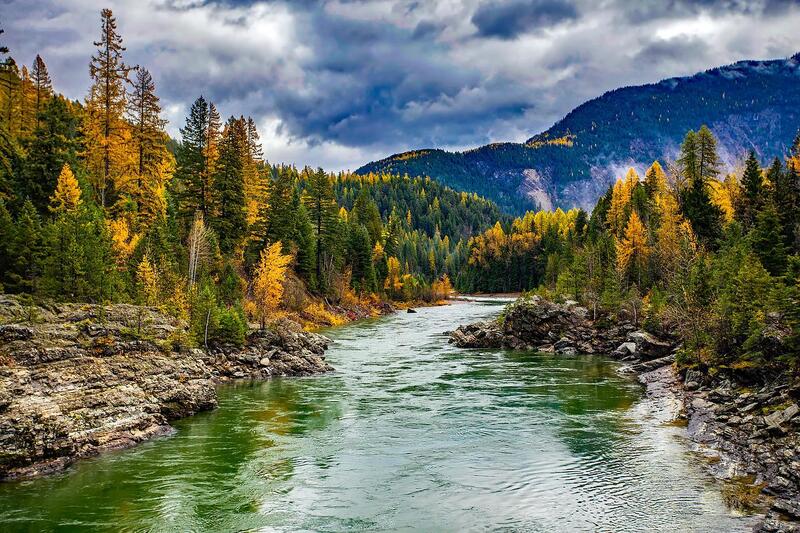
Autumn (September through October) is a spectacular season in Montana, often referred to as “Indian Summer.” The crisp air, clear blue skies, and the breathtaking spectacle of changing aspen and larch leaves create a magical atmosphere. Temperatures in early autumn can be quite pleasant, with warm days and cool, crisp nights. However, as October progresses, the temperatures begin to drop significantly, and the first snowfalls of winter are not uncommon, especially in the western mountains. This is an excellent time for hiking, scenic drives, and enjoying the fall colors before the winter chill sets in.
Winter: Embracing the Cold
For many, visiting Montana in winter (November through March) means embracing the cold. This is when the state truly transforms into a winter wonderland, offering unparalleled opportunities for snow sports. Ski resorts like Big Sky Resort and Whitefish Mountain Resort operate at their peak. Opportunities for snowshoeing, cross-country skiing, and even dog sledding abound. While the temperatures are consistently below freezing, the dry air can make the cold more bearable than in more humid climates. The stunning beauty of snow-laden landscapes, the absence of crowds, and the cozy atmosphere of lodges and cabins are significant draws for winter visitors.
Planning Your Visit Based on Temperature
When planning a trip to Montana, understanding the seasonal temperature variations is key to a successful and enjoyable experience.
For Warm Weather Seekers
If your primary goal is to experience warmth, aim for the months of July and August. These are the hottest months across the state. While eastern Montana will be the hottest, western Montana offers a more temperate warmth suitable for active exploration. Evenings will still be cool, so pack accordingly. Consider destinations like the Yellowstone National Park area or the plains around Billings.
For Those Seeking Moderate Temperatures and Outdoor Activities
If you prefer moderate temperatures that are conducive to hiking, biking, and exploring without extreme heat, consider visiting in late spring (late May to early June) or early autumn (September). During these periods, you can enjoy pleasant daytime temperatures while still experiencing the beauty of nature. The western mountains are particularly inviting during these shoulder seasons.
For Winter Sports Enthusiasts
If your idea of a perfect trip involves snow and cold, then winter is your season. From December through March, Montana offers excellent conditions for skiing, snowboarding, and other winter activities. Be prepared for sub-zero temperatures and significant snowfall.
What to Pack for Montana’s Weather
Regardless of the season, Montana’s weather can be unpredictable. A good rule of thumb is to pack layers.
Essential Items for Any Season:
- Waterproof and windproof outer layer: Crucial for both rain and wind, which can make even moderate temperatures feel much colder.
- Warm mid-layers: Fleece jackets, down vests, or sweaters are essential for insulation.
- Moisture-wicking base layers: Especially important for outdoor activities to keep you dry.
- Comfortable, sturdy footwear: Hiking boots or comfortable walking shoes are a must.
- Sun protection: Sunglasses, sunscreen, and a hat are important year-round, as the sun can be intense, especially at higher altitudes and during winter months with snow reflection.

Season-Specific Additions:
- Summer: Lighter clothing, shorts, t-shirts, but still include a light jacket or sweater for evenings.
- Spring and Autumn: A heavier jacket, gloves, and a warm hat might be necessary, especially for early spring or late autumn. Waterproof pants are also a good idea.
- Winter: Heavy-duty winter coat, insulated pants, thermal base layers, warm socks, waterproof insulated boots, gloves, and a warm hat that covers your ears are essential.
In conclusion, while “warm” might not be the first adjective that springs to mind when thinking of Montana for most of the year, the state certainly offers periods of agreeable temperatures, particularly during its vibrant summer months. By understanding its diverse climate and planning your visit accordingly, you can experience the warmth of its landscapes and the warmth of its hospitality, whatever the season.
LifeOutOfTheBox is a participant in the Amazon Services LLC Associates Program, an affiliate advertising program designed to provide a means for sites to earn advertising fees by advertising and linking to Amazon.com. Amazon, the Amazon logo, AmazonSupply, and the AmazonSupply logo are trademarks of Amazon.com, Inc. or its affiliates. As an Amazon Associate we earn affiliate commissions from qualifying purchases.