
California, with its sun-drenched beaches, iconic cities, and breathtaking natural wonders, beckons millions of tourists each year. From the bustling streets of Los Angeles to the majestic beauty of Yosemite National Park, the Golden State offers an unparalleled array of experiences. As visitors immerse themselves in California’s vibrant culture and diverse attractions, understanding local laws and customs is paramount for a safe, enjoyable, and hassle-free trip. While most travelers focus on practicalities like accommodation, transportation, and attraction tickets, being aware of specific legal nuances can prevent unforeseen complications. One such area that occasionally sparks curiosity, often fueled by popular culture or misunderstanding, is the concept of “mutual combat.” For those wondering if agreeing to a fight has legal standing in California, the answer is critical for any responsible traveler.

Navigating California’s Legal Landscape as a Tourist
For any visitor, whether from another state or an international destination, every new locale comes with its own set of rules and social norms. California is no exception. Understanding these guidelines isn’t just about avoiding trouble; it’s about enriching your experience by engaging respectfully with the local environment and community.
Why Local Laws Matter for Travelers
Imagine arriving in San Francisco, eager to see the Golden Gate Bridge and explore Alcatraz. Your trip itinerary is meticulously planned, but have you considered the legal framework governing public behavior? Local laws dictate everything from where you can smoke, to noise ordinances, and crucially, how public disputes are handled. Ignorance of the law is never a defense, and a seemingly minor infraction can quickly escalate, leading to fines, arrest, or even deportation for international visitors. For a tourist, legal troubles translate directly into wasted vacation time, significant stress, unexpected expenses, and a thoroughly negative impression of an otherwise wonderful destination. Prioritizing legal awareness is an integral part of responsible travel planning, ensuring that your memories of California are overwhelmingly positive.
Common Misconceptions About Public Conduct
Popular media, particularly films and television, often portray simplified or dramatized versions of legal situations. This can lead to misconceptions about what is legally permissible in real life. For instance, scenarios depicting individuals settling disputes with a “fair fight” or a “gentleman’s agreement” might give the impression that if both parties consent, there are no legal repercussions. This idea often underpins the concept of “mutual combat.” However, such portrayals rarely reflect the complexities of actual legal systems. In reality, what might seem like a consensual physical altercation can quickly be categorized as assault, battery, or disturbing the peace by law enforcement, regardless of initial agreement. Tourists should be particularly cautious about transferring assumptions from fictional narratives or even from their home countries’ legal systems to the unique jurisdiction of California. Understanding that local law enforcement officers operate under strict guidelines is crucial for avoiding unintentional legal entanglements.
Unpacking “Mutual Combat” in the Golden State
The notion of “mutual combat” refers to a situation where two individuals willingly agree to engage in a physical fight. While it might sound like a straightforward agreement, its legal standing in California is anything but simple, and largely misunderstood.
The Legal Reality vs. Popular Belief
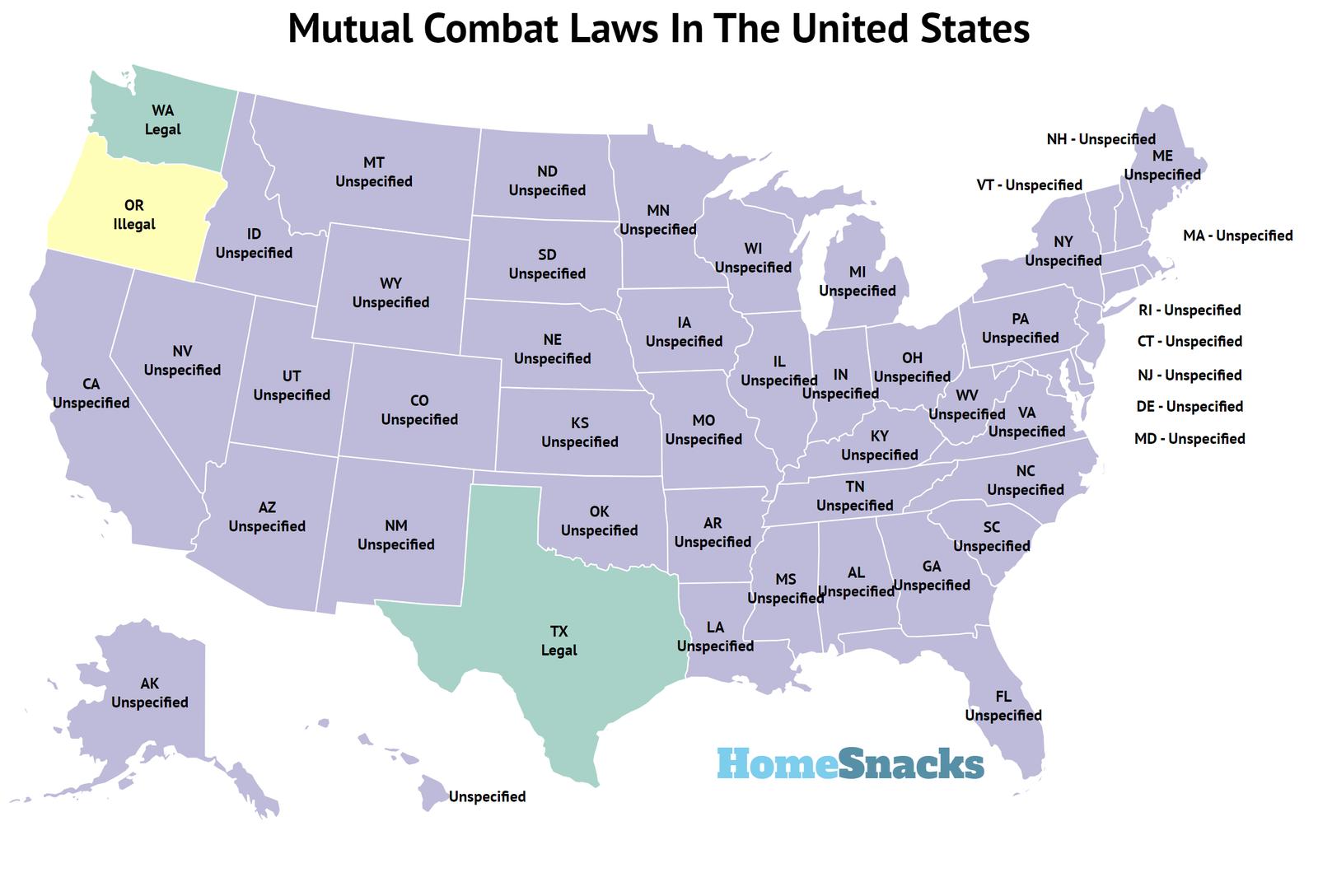
Contrary to popular belief and the occasional urban legend, “mutual combat” is generally not a legal defense for assault and battery charges in California. The state’s legal framework prioritizes public safety and peace. While there might be nuances in how cases are prosecuted (e.g., if injuries are minimal, and both parties admit to mutual consent, charges might be reduced or dropped in very specific circumstances at the discretion of the prosecutor or judge), the fundamental principle remains: consent to fight does not excuse committing a criminal offense. Engaging in a physical altercation, even if both parties initially agree, can still lead to charges of assault, battery, or even more serious offenses if significant injuries occur. California law enforcement officers are trained to intervene in public disturbances and physical altercations, regardless of whether the participants claim mutual consent. Their primary duty is to maintain order and protect individuals from harm. Therefore, any physical fight, whether pre-arranged or spontaneous, can result in arrest and criminal charges.
Implications for Visitors
For a tourist, the implications of this legal reality are profound. Imagine a disagreement escalating in a lively bar in San Diego or a crowded street in Hollywood. If you or someone you’re with becomes involved in a physical altercation, even if you feel it’s a “fair fight” or mutually agreed upon, you could face severe consequences. These can include immediate arrest, lengthy detentions, substantial legal fees, court appearances, and potential fines or jail time. For international visitors, a criminal record in the U.S. can jeopardize future travel to the country and even affect visa applications for other nations. Such an incident would not only ruin your vacation but could have long-lasting personal and professional repercussions. The best advice for any tourist is to avoid physical confrontations entirely, understanding that the legal risks far outweigh any perceived justification for engaging in “mutual combat.”
Prioritizing Safety and Avoiding Conflict in California
Ensuring a smooth and enjoyable trip to California largely depends on prioritizing personal safety and knowing how to navigate potentially tense situations without resorting to conflict. This is a core aspect of responsible tourism, allowing you to fully appreciate the state’s beauty and attractions, from the beaches near Santa Monica to the theme park thrills of Disneyland Resort.
De-escalation Strategies for Travelers
Prevention is always better than cure. As a tourist, you may find yourself in unfamiliar environments or situations that could lead to misunderstandings. Knowing how to de-escalate potential conflicts is an invaluable skill.
- Maintain Composure: If confronted, try to remain calm. Reacting with anger can exacerbate the situation.
- Communicate Clearly: Speak calmly and politely. Explain that you do not wish to engage in conflict and are trying to enjoy your trip.
- Create Distance: Physically remove yourself from a heated situation if possible. Walk away, move to another area, or enter a safe establishment.
- Avoid Provocation: Do not engage in verbal taunts, aggressive body language, or any actions that could be perceived as challenging.
- Seek Assistance: If you feel threatened or unable to de-escalate the situation, look for security personnel, staff in a public venue, or discreetly call for help.
Remember, your priority as a traveler is to experience California safely and positively, not to resolve every disagreement or challenge that arises. Walking away is a sign of strength and intelligence, not weakness.
When to Seek Help: Resources for Tourists
Despite your best efforts, sometimes situations can become unsafe. It’s crucial for tourists to know how and when to seek official help.
- Emergency Services (911): For any immediate threat to life, serious injury, or crime in progress, dial 911. This connects you to police, fire, and ambulance services anywhere in the United States. Clearly state your location and the nature of the emergency.
- Non-Emergency Police Services: For non-life-threatening situations or to report a crime that has already occurred (e.g., theft without immediate danger), you can typically find the non-emergency number for local police departments (e.g., Los Angeles Police Department or San Francisco Police Department) with a quick online search or by asking a local.
- Consular Services: If you are an international traveler, your home country’s consulate or embassy in the U.S. can provide assistance in legal matters, help with lost passports, or offer guidance in emergencies. Keep their contact information readily available.
- Hotel Staff: If you are staying at a hotel, the front desk or concierge can often provide immediate assistance, contact local authorities, or offer advice on local resources.
Being prepared with this knowledge can make a significant difference in handling an unexpected emergency and ensuring your well-being while traveling through California.
Experiencing California Responsibly: Beyond the Fray
Ultimately, the goal of any trip to California is to create lasting positive memories. This means focusing on the vast array of experiences the state has to offer, rather than getting entangled in legal complexities or disputes.
Embracing California’s Positive Activities
California is a treasure trove of positive and enriching activities. Instead of contemplating unusual legal scenarios like “mutual combat,” direct your energy towards the incredible opportunities available:
- Outdoor Adventures: Hike the trails of Big Sur, surf the waves of Malibu, or explore the deserts near Palm Springs.
- Cultural Immersion: Visit world-class museums in San Diego, enjoy live music in Hollywood, or explore the historic missions of California.
- Culinary Delights: Savor farm-to-table cuisine in Northern California’s wine country, enjoy diverse ethnic foods in Los Angeles, or indulge in fresh seafood along the coast.
- Iconic Landmarks: Marvel at the Golden Gate Bridge, stroll down the Hollywood Walk of Fame, or discover the wonders of Yosemite National Park.
These are the true essence of a California vacation – experiences that uplift, inspire, and create cherished memories, far removed from any potential for conflict or legal trouble.

A Culture of Respect and Hospitality
California is a melting pot of cultures, known for its progressive outlook and general sense of hospitality. Visitors are welcomed and encouraged to explore its diverse offerings. In return, the expectation is that tourists will respect local laws, engage courteously with residents, and contribute positively to the atmosphere. This mutual respect forms the bedrock of a harmonious tourist experience. By understanding that acts of physical aggression, even if perceived as consensual, are not tolerated and carry significant legal consequences, visitors can ensure they align with this culture of respect and maintain a positive presence during their travels.
In conclusion, while the idea of “mutual combat” might be a curiosity sparked by various narratives, the clear legal reality in California is that engaging in physical altercations, regardless of consent, is a criminal offense with serious repercussions. For tourists, the message is unequivocal: prioritize safety, avoid conflict, understand local laws, and immerse yourself in the abundant, positive experiences that California so generously offers. This approach ensures your journey through the Golden State will be memorable for all the right reasons.
LifeOutOfTheBox is a participant in the Amazon Services LLC Associates Program, an affiliate advertising program designed to provide a means for sites to earn advertising fees by advertising and linking to Amazon.com. Amazon, the Amazon logo, AmazonSupply, and the AmazonSupply logo are trademarks of Amazon.com, Inc. or its affiliates. As an Amazon Associate we earn affiliate commissions from qualifying purchases.