
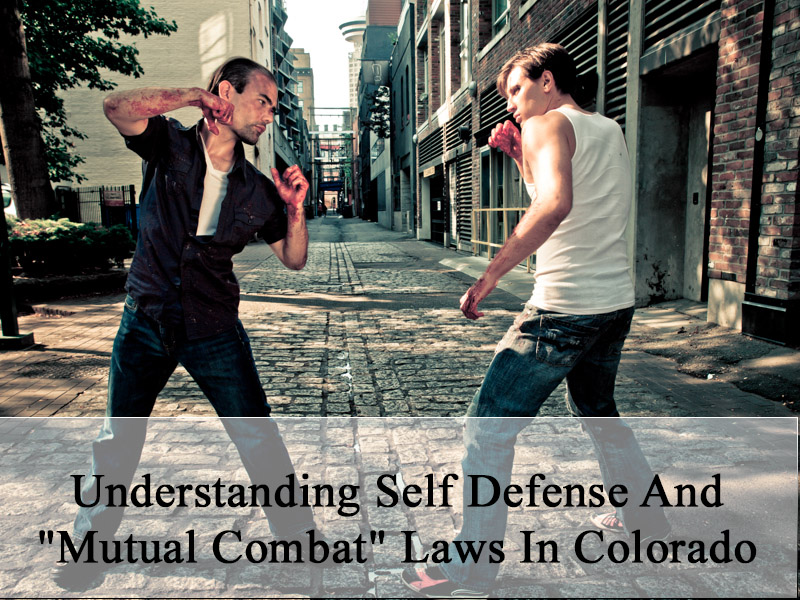
When the phrase “mutual combat” is mentioned, it often conjures images of spontaneous, bare-knuckle brawls or duels to settle disputes. The idea of two consenting adults engaging in physical violence, and whether such an act carries legal ramifications, is a complex topic. This is particularly true in a state like Texas, known for its distinct legal landscape and robust self-defense laws. Understanding the legality of mutual combat in Texas requires delving into the nuances of assault, battery, and self-defense statutes. While the romanticized notion of a duel might be an antique concept, the underlying principles of consensual violence and its legal treatment are still relevant.

At its core, mutual combat revolves around the idea of consent. If two individuals willingly agree to fight, does that agreement negate the illegality of the physical assault? Texas law, like most jurisdictions, generally views consent as a defense to certain torts, such as battery. However, when it comes to criminal assault, the landscape becomes considerably more intricate. The state’s penal code is designed to protect individuals from harm, and it often presumes that consent to serious bodily injury is invalid. This means that even if parties agree to a fight, they may still face criminal charges if injuries occur.
The Texas Legal Framework: Assault and Consent
In Texas, the relevant statutes are primarily found in the Texas Penal Code. Assault is defined as intentionally, knowingly, or recklessly causing bodily injury to another person. It can also include intentionally or knowingly threatening another person with imminent bodily injury. The crucial question concerning mutual combat is whether the “consent” of the victim can serve as a defense to an assault charge.
Understanding the Elements of Assault
To understand why mutual combat is problematic legally, it’s essential to grasp what constitutes assault in Texas. Texas Penal Code § 22.01 defines assault. For the purposes of mutual combat, the most relevant part is the causing of bodily injury. Bodily injury simply means physical pain, illness, or any impairment of physical condition. This definition is quite broad and can encompass even minor injuries.
The prosecution must prove beyond a reasonable doubt that the defendant caused bodily injury to another person. When it comes to mutual combat, the defense might argue that the complainant consented to the fight and therefore, there was no unlawful touching or injury. However, this defense is not as straightforward as it might seem in criminal law.
The Limits of Consent as a Defense
While consent can be a valid defense to civil claims of battery, its effectiveness in criminal assault cases is significantly limited. The law generally holds that an individual cannot legally consent to be seriously injured. This principle stems from public policy concerns aimed at preventing societal harm and deterring violent behavior.
In Texas, courts have generally held that consent is not a defense to a criminal assault charge if the act involves substantial bodily injury or if it is likely to cause such injury. This means that even if two individuals agree to a fistfight, and one of them suffers a broken bone, a concussion, or significant bruising, the consenting party who inflicted the injury can still be prosecuted for assault. The rationale is that the state has an interest in preventing its citizens from engaging in conduct that could lead to serious harm, regardless of their private agreements.
Consider a scenario where two individuals, perhaps at a bar or after a heated argument, decide to “settle their differences” with a boxing match. They might shake hands beforehand, agree to “no hitting below the belt,” and even consider it a fair fight. However, if one participant sustains a black eye, a split lip, or even a fractured nose, the other participant could very well face assault charges. The “mutual combat” aspect, while demonstrating a degree of willingness, does not automatically excuse the infliction of bodily injury.
There are some limited exceptions, often related to sports or other activities where physical contact is inherent and participants are aware of and accept the risks. For instance, in organized boxing or football, consent to the risks of injury is implied by participation. However, these are regulated activities with rules and safety measures. A spontaneous street fight, even if mutually agreed upon, does not fall into these categories.
Self-Defense in the Context of Mutual Combat
The concept of self-defense is a cornerstone of Texas law, granting individuals the right to use force to protect themselves from imminent harm. However, when mutual combat is involved, the application of self-defense becomes particularly thorny.
The “Initial Aggressor” Rule
In Texas, the right to self-defense is generally not available to the “initial aggressor.” If an individual provokes a conflict or is the first to use force, they typically lose their claim to self-defense if the other party retaliates. In the context of mutual combat, both parties are essentially engaging in aggression. Therefore, the distinction between who was the “initial aggressor” can become blurred or even irrelevant if both parties willingly participate in the fight.
If a fight is truly mutual, meaning both parties are willing combatants, then neither can typically claim self-defense if they injure the other. This is because, by agreeing to the fight, they have both voluntarily entered into a situation where they are likely to cause or receive bodily injury. The law is reluctant to allow individuals to claim self-defense when they have knowingly and willingly put themselves in harm’s way as part of a consensual violent encounter.

When Does Self-Defense Apply in a Fight?
Self-defense typically comes into play when an individual is facing an unwanted attack or the threat of an unwanted attack. If a fight begins mutually, but one party attempts to withdraw from the combat and the other continues to attack, the party who withdrew might then have a claim to self-defense against the continued aggression.
For example, imagine two individuals engaged in a mutual fistfight. If one participant clearly signals an intent to stop fighting, perhaps by stepping back and saying, “I’m done,” and the other participant continues to strike them, the person who was attacked after attempting to disengage could potentially argue self-defense. However, this scenario requires a clear and unequivocal attempt to withdraw. Simply realizing they are losing and then claiming self-defense as they continue to fight is unlikely to be successful.
The key here is the expectation of imminent and unlawful bodily injury from someone who is not agreeing to fight. In a mutual combat situation, the initial agreement negates the “unlawful” nature of the force from the perspective of the consenting parties. However, if one party unilaterally escalates the violence beyond the scope of the initial agreement or if one party attempts to end the fight and is attacked, the legal landscape shifts.
Exceptions and Nuances in Texas Law
While the general rule is that consent is not a defense to assault in Texas, and self-defense is complicated in mutual combat, there are always nuances and potential exceptions to consider. The specific facts of each case are paramount.
The Role of Specific Injuries and Intent
The severity of the injury inflicted can play a role. While the law is generally strict about consent to serious bodily injury, the intent of the individuals involved is also a factor. If the mutual combat was a minor scuffle with no significant injury, prosecutors might be less inclined to pursue charges, or the penalties might be less severe. However, this is a matter of prosecutorial discretion, not a legal defense.
Furthermore, Texas Penal Code § 22.02 defines aggravated assault, which involves more serious injuries or the use of a deadly weapon. If aggravated assault occurs during what was initially considered mutual combat, the legal consequences will be far more severe, and consent will almost certainly not be a defense.
Organized Sports and Activities
As mentioned earlier, organized sports are a significant exception. Participants in activities like boxing, mixed martial arts, or even high-contact sports like football implicitly consent to the risks of bodily injury that are inherent to the game. This consent is not to criminal assault, but to the physical contact governed by the rules of the sport. If a participant in a sanctioned boxing match were to suffer a severe injury, they would not be able to sue their opponent for battery, nor would the opponent be liable for assault, assuming the actions were within the rules of the sport.
However, even in sports, actions that clearly exceed the bounds of the game—such as intentional fouls designed to injure or unprovoked attacks—can still lead to legal repercussions.
The Act of Agreeing to Fight
It’s important to note that the act of agreeing to engage in mutual combat itself might be considered a disorderly conduct offense, depending on the circumstances and where the fight takes place. If the fight occurs in a public place and disturbs the peace, individuals involved could face additional charges.
Conclusion: The Risks of Mutual Combat in Texas
In Texas, the legal answer to “Is mutual combat legal?” is generally no. While the idea of two individuals agreeing to a physical altercation might seem like a private matter, Texas law prioritizes public safety and the prevention of harm. Consent to inflict or receive bodily injury, especially if it results in significant harm, is not a valid defense against criminal assault charges.
Self-defense, a crucial right in Texas, is also significantly hampered in mutual combat scenarios, as the law generally disallows it for the initial aggressor, and in a mutual fight, both parties are often considered aggressors.
Therefore, anyone considering engaging in mutual combat in Texas should be aware that they are taking on significant legal risks. Even if no serious injury occurs, the act of agreeing to fight can be seen as a willingness to break the law. If injuries do occur, criminal charges are highly likely, and the defense of consent will be of little avail. It is always advisable to seek peaceful resolutions to disputes and to understand that the state’s legal system is designed to protect individuals from violence, regardless of their private agreements.
For those planning a trip to Texas, whether for a relaxing getaway in the Hill Country, exploring the vibrant culture of Austin, or enjoying the beaches near Galveston, it’s always best to adhere to local laws and customs. From ensuring a comfortable stay at a charming boutique hotel in San Antonio to experiencing the unique Tex-Mex cuisine in El Paso, understanding and respecting Texas law is part of a responsible and enjoyable travel experience. While the state offers a wealth of attractions, from the historic Alamo to the natural beauty of Big Bend National Park, it also maintains a firm stance on public order and safety. Engaging in illegal activities, such as mutual combat, can quickly turn a vacation into a legal nightmare, far from the relaxing lifestyle one might seek.
LifeOutOfTheBox is a participant in the Amazon Services LLC Associates Program, an affiliate advertising program designed to provide a means for sites to earn advertising fees by advertising and linking to Amazon.com. Amazon, the Amazon logo, AmazonSupply, and the AmazonSupply logo are trademarks of Amazon.com, Inc. or its affiliates. As an Amazon Associate we earn affiliate commissions from qualifying purchases.