
If you are a feline enthusiast who has recently found yourself in the company of a particularly large, fluffy, and talkative companion, you may have found yourself wondering about their lineage. While many household cats are simply beautiful “Domestic Longhairs,” the Maine Coon possesses a suite of distinct physical and behavioral traits that set them apart from the average house cat. Often referred to as the “gentle giants” of the cat world, these cats originated in the harsh climates of North America, specifically developing in the rugged environments of Maine.
Identifying whether your cat carries the genetic legacy of this storied breed requires a keen eye for specific anatomical landmarks and a deep appreciation for their storied history. While a DNA test is the only way to be 100% certain, observing your pet through the lens of breed standards can provide significant insight into their ancestry.
Physical Characteristics: The Anatomy of a Gentle Giant
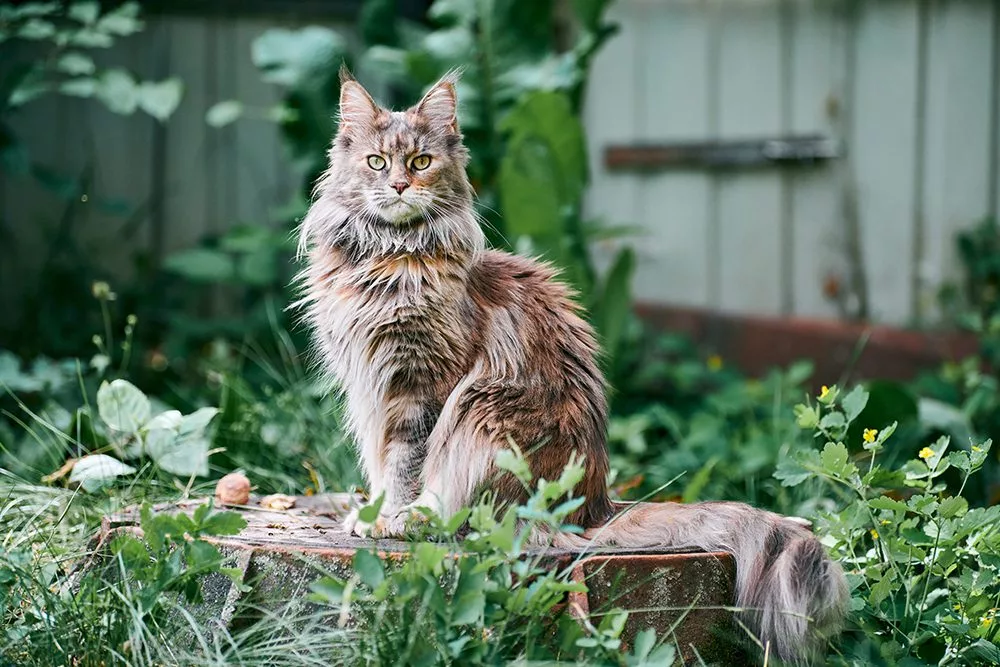
The most obvious way to evaluate a potential Maine Coon is to look at their physical build. Unlike smaller domestic breeds, the Maine Coon is built for resilience. They are slow to mature, often not reaching their full size until they are three to five years old.
Size and Stature
One of the first things you will notice is the sheer frame of the cat. Maine Coons are substantial animals. A healthy adult male can weigh anywhere from 15 to 25 pounds, while females typically range between 10 and 15 pounds. Their bodies are long, rectangular, and muscular, supported by thick, sturdy legs. If your cat feels like a “heavyweight” when you pick them up, it is a hallmark sign that they might belong to this breed. Their chest is broad, and their overall stance is solid, projecting the image of a cat designed for traversing the snowy woods of New England.
The Head and Facial Structure
The head of a Maine Coon is perhaps its most iconic feature. They possess a broad, modified wedge-shaped head with high cheekbones. If you look at your cat in profile, you should see a gentle concave curve at the bridge of the nose; there should be no “break” or stop like you might see in a Persian.
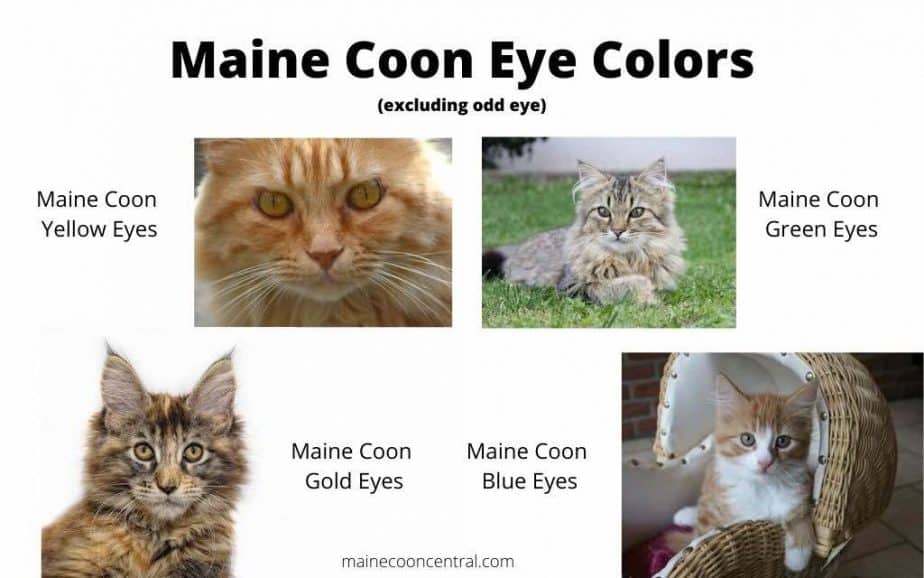
The muzzle is square and firm, often described as having a “box-like” appearance. This robust chin is a critical breed standard. Furthermore, their eyes are large, expressive, and slightly oval, set at a slight angle. When you look at their ears, they should be large and tufted—often with “lynx tips” of fur extending from the tips—set high on the head, appearing almost alert even when the cat is resting.
The Coat and Tail: Built for the Elements
Evolutionary adaptations are the primary reason the Maine Coon looks the way it does. Because they emerged from the cold, snowy winters of the United States, their coat is essentially a survival suit.
Texture and Distribution
A purebred Maine Coon features a coat that is uneven in length. It is shorter over the shoulders and becomes progressively longer down the back and toward the hindquarters. The coat is generally described as “shaggy,” with a silky, waterproof texture that keeps them dry. They also possess a distinctive “ruff” or mane around their neck, which is often more pronounced in males.
The Tail
The tail is arguably the most dramatic part of a Maine Coon. It should be long—at least as long as the cat’s torso—and incredibly bushy. When the cat is walking, they often carry it proudly, like a banner. If you find your cat has a tail that resembles a plume or a raccoon’s tail, you are looking at a classic breed trait. The density of the fur on the tail is meant to provide extra warmth when the cat wraps it around their body during sleep.
Behavioral Traits: More Than Just Appearance
While physical appearance is the most common way to identify a Maine Coon, their personality is arguably their most defining characteristic. If your cat acts more like a dog than a cat, you might be living with a Maine Coon.
The “Dog-Like” Personality
Maine Coons are notoriously social. They are rarely the types of cats that hide under the bed when guests arrive. Instead, they are often the first to greet visitors at the door. They enjoy following their owners from room to room, supervising household activities, and even playing games of fetch.
Vocalizations and Communication
If your cat is surprisingly chatty but doesn’t necessarily “meow,” you may have a Maine Coon. These cats are famous for a range of vocalizations, including chirps, trills, and soft, melodic chirrups. These sounds are often used as a way to “talk” to their human companions. If your cat seems to have a conversation with you whenever you come home from a trip to Portland or a walk through the city, take note of the pitch and tone.
Relationship with Water
Many domestic cats fear water, but Maine Coons are known for their curiosity regarding it. It is not uncommon to find a Maine Coon dipping a paw into a water bowl, playing with a dripping faucet, or even joining their owner in the bathroom. This fascination is believed to be a vestige of their hardy history, where they were comfortable around the wet, freezing environments of the Atlantic coastline.

The Verdict: Do You Have a Maine Coon?
To truly determine if your cat is a Maine Coon, consider the following checklist:
- Weight and Build: Is your cat significantly larger than the average feline, with a rectangular body and a sturdy, muscular frame?
- The “Square” Profile: Does your cat have a firm, square muzzle and a subtle concave curve to the nose?
- Tufted Extremities: Does your cat have tufts of fur between their toes and long lynx tips on their ears?
- Behavioral Quirkiness: Is your cat exceptionally social, prone to “trilling” instead of meowing, and unusually interested in playing with water?
If you have ticked these boxes, your cat certainly shares the phenotypical traits of this majestic breed. Whether they are a pedigreed show cat or a “found-in-the-wild” rescue, the Maine Coon’s personality is what truly defines them. They are loyal, intelligent, and deeply affectionate companions.
While the allure of having a “purebred” is understandable, the beauty of the Maine Coon is found in their spirit. If you have adopted a cat that possesses these traits, you have found a companion that is as unique as the landscapes of North America that fostered their ancestors. Treasure the “gentle giant” in your home; they are a direct link to a rugged, fascinating chapter of feline history that continues to enchant cat lovers across the globe.
LifeOutOfTheBox is a participant in the Amazon Services LLC Associates Program, an affiliate advertising program designed to provide a means for sites to earn advertising fees by advertising and linking to Amazon.com. Amazon, the Amazon logo, AmazonSupply, and the AmazonSupply logo are trademarks of Amazon.com, Inc. or its affiliates. As an Amazon Associate we earn affiliate commissions from qualifying purchases.