
Nebraska, often celebrated as the Cornhusker State, presents a fascinating geographical and temporal quirk for travelers and residents alike: it spans two distinct time zones. While the vast majority of Nebraska observes Central Time (CT), a significant portion of its westernmost counties operates on Mountain Time (MT). This seemingly small detail can have substantial implications for anyone planning a trip, booking accommodations, or coordinating activities across the state. Understanding this temporal division is key to a seamless and enjoyable Nebraska experience, allowing you to fully immerse yourself in its rich history, diverse landscapes, and vibrant local culture without missing a beat—or a reservation.
For globetrotters and domestic tourists, time zones are a fundamental aspect of travel planning. They dictate arrival and departure times for flights, the opening hours of attractions, the schedule of guided tours, and even the coordination of family gatherings or business meetings. In a state like Nebraska, where a westward journey can literally take you back in time by an hour, being aware of this transition is not just a matter of convenience; it’s essential for maximizing your travel itinerary and avoiding any unexpected surprises. From the bustling urban centers of Omaha and Lincoln in the east to the rugged beauty of the Pine Ridge and Wildcat Hills in the west, Nebraska’s dual time zone system adds an intriguing layer to its travel narrative.
This article delves into the specifics of Nebraska’s time zones, offering insights into the geographical split, its historical underpinnings, and, most importantly, practical advice for travelers. Whether you’re planning a cross-state road trip, visiting relatives, or simply curious about this unique aspect of the Great Plains, understanding how time works in Nebraska will undoubtedly enhance your journey.
Understanding Nebraska’s Time Zone Geography: A State Divided
The division of Nebraska into two time zones is not arbitrary but rather a result of geographical factors, historical development, and practical considerations for its residents. It’s a common characteristic of states in the United States that span significant longitudinal distances, particularly those situated on the cusp of major time zone boundaries.
The Predominance of Central Time
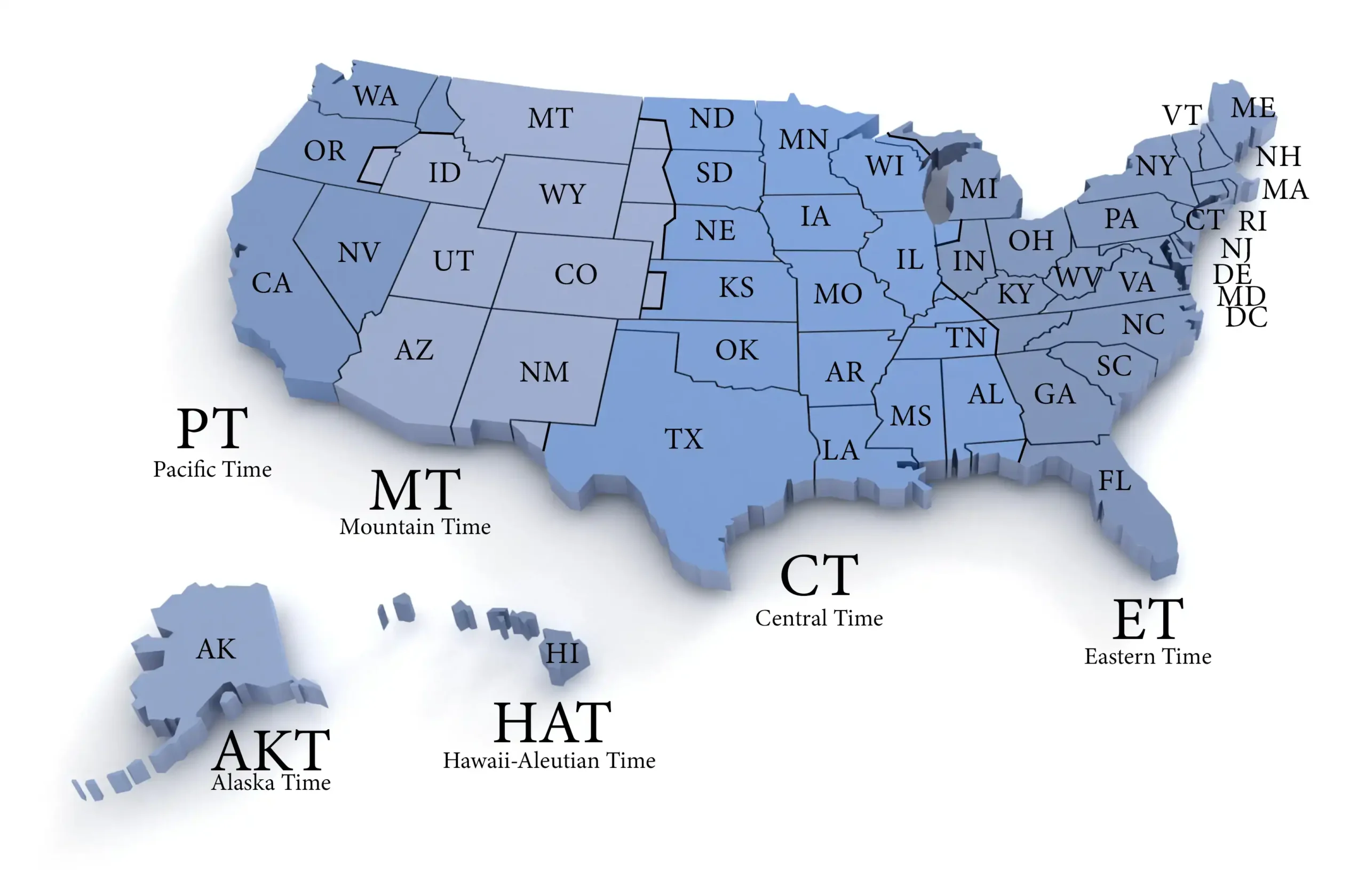
The overwhelming majority of Nebraska observes Central Time. This includes its most populous cities, commercial hubs, and agricultural heartland. Cities like Omaha, Lincoln, Kearney, Grand Island, and North Platte all fall squarely within the Central Time Zone. For anyone traveling into Nebraska from the east, or those staying within the central and eastern portions of the state, planning is straightforward, as they will almost certainly be operating on Central Time.
This vast stretch of land, rich in farming communities and cattle ranches, extends eastward to the Missouri River, which forms much of Nebraska’s eastern border. The influence of the Central Time Zone here is deeply ingrained in daily life, from school schedules and business hours to local news broadcasts and major sporting events at venues like Memorial Stadium in Lincoln. Tourists exploring attractions such as the Henry Doorly Zoo and Aquarium in Omaha, or the Strategic Air Command & Aerospace Museum near Ashland, will consistently find themselves adhering to CT.
The Western Counties in Mountain Time
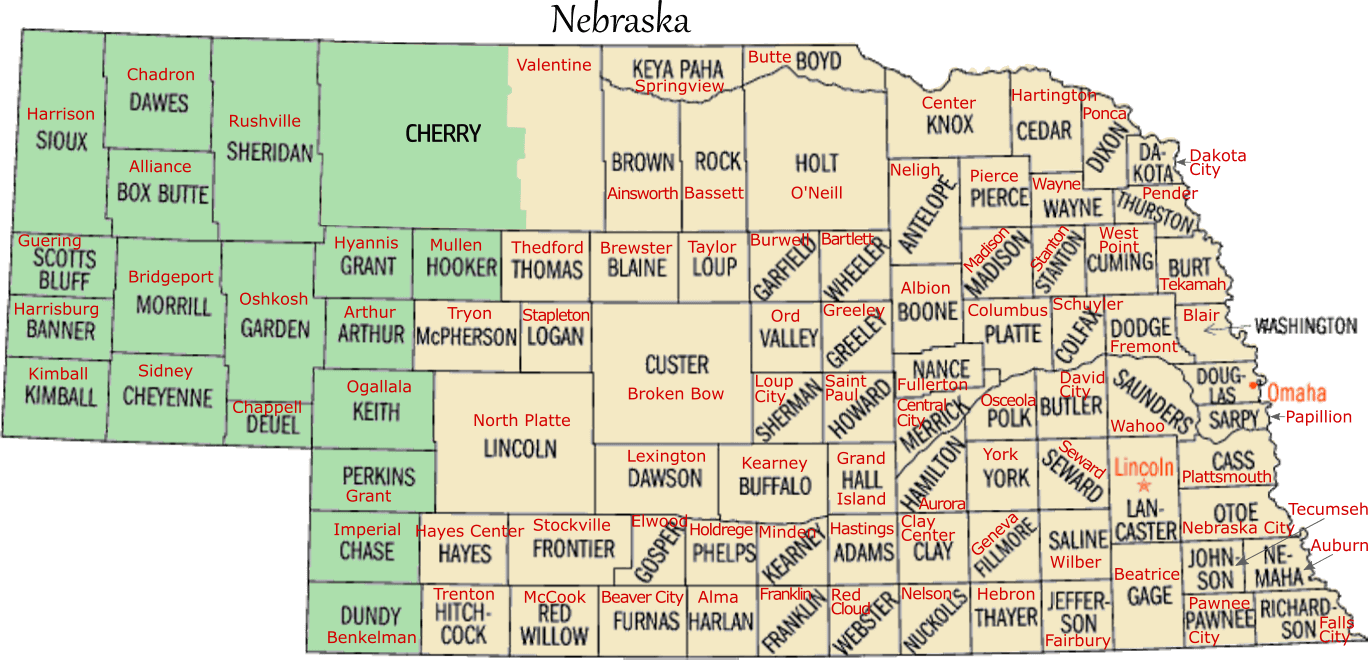
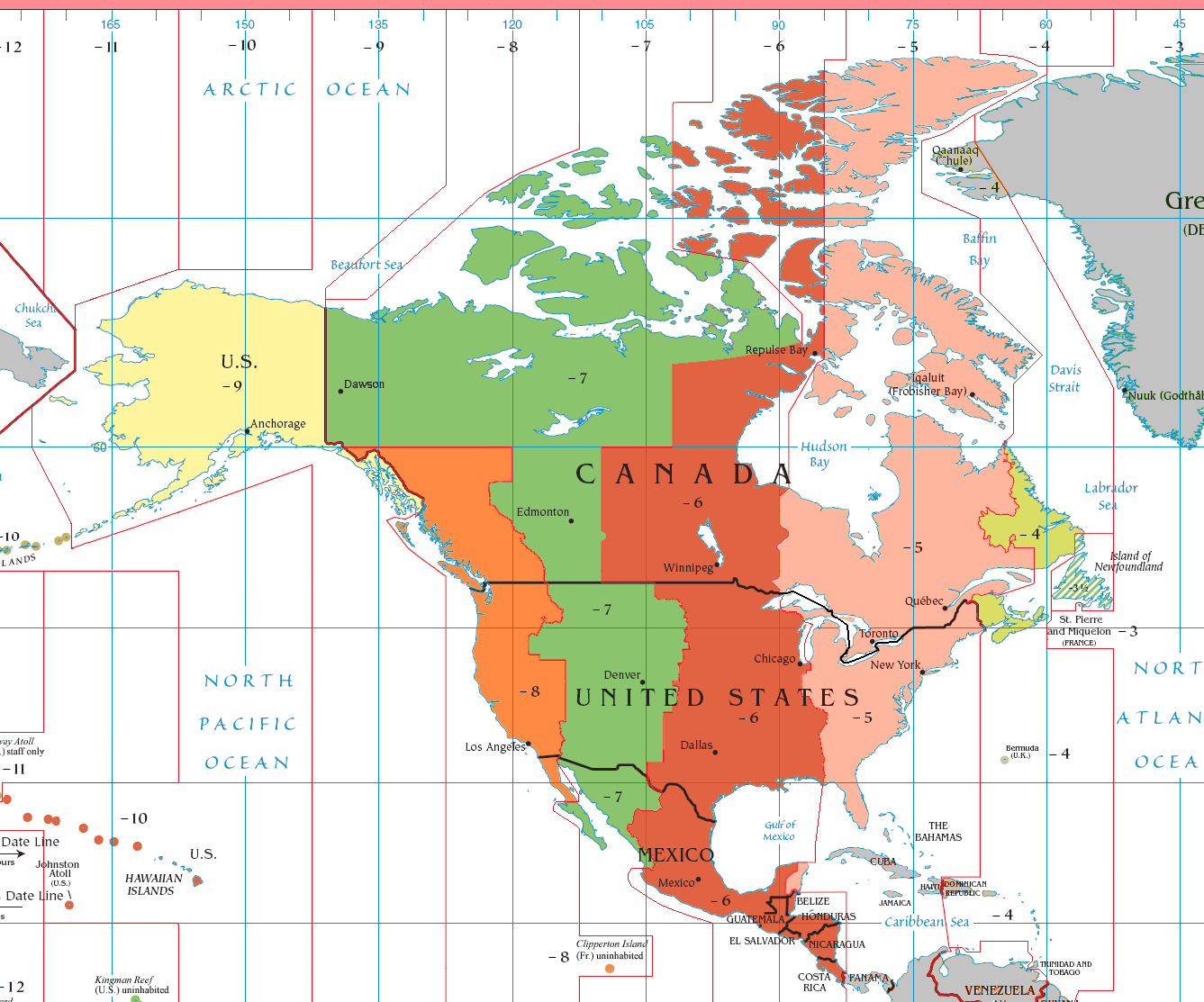
The transition occurs in the western part of the state, where a cluster of counties shifts to Mountain Time. Historically, the exact boundary has seen some adjustments, but currently, ten counties are officially designated as observing Mountain Time. These include Arthur, Banner, Box Butte, Cheyenne, Dawes, Deuel, Garden, Kimball, Morrill, and Scotts Bluff counties. This region, characterized by its dramatic bluffs, historic trails, and a landscape that transitions from rolling plains to the beginnings of the western mountains, aligns culturally and economically more with its western neighbors such as Colorado and Wyoming.
For travelers heading to iconic landmarks like Scotts Bluff National Monument or Chimney Rock National Historic Site, it’s crucial to remember that these lie within the Mountain Time Zone. The change is often subtle, with no grand sign announcing the shift, but the implications for scheduled activities are very real. The primary city in this region, Scottsbluff (the county seat of Scotts Bluff County), operates on MT, setting the rhythm for businesses, schools, and local events.
Historical Context and the Logic Behind the Split
The concept of standardized time zones in the United States originated with the railroads in the late 19th century, designed to bring order to chaotic schedules. Official time zones were later established by Congress. The boundary lines for these zones, overseen by the US Department of Transportation, are drawn not just along strict meridians but also consider practical societal and economic factors.
For Nebraska, the decision to split the state into two time zones reflects a logical compromise. The eastern and central parts of the state are heavily integrated with the economic and social systems of the Midwest, which predominantly observe Central Time. These areas share strong ties with neighboring states like Iowa, Missouri, and Kansas. Conversely, Western Nebraska’s economy and culture are more closely linked with states further west, where Mountain Time is the norm. Aligning with MT facilitates trade, communication, and daily life for residents who frequently interact with communities in Colorado or Wyoming. This pragmatic approach ensures that time zones serve the communities they govern effectively, rather than creating arbitrary divisions that hinder daily life.
Practical Implications for Travelers and Visitors
Navigating Nebraska’s dual time zones requires a little forethought, but it’s far from a daunting task. For those embarking on a journey through the Cornhusker State, particularly a cross-state adventure, understanding the temporal shift is crucial for a smooth and enjoyable experience. This awareness touches upon every aspect of travel, from booking your first night’s stay to planning your final departure.
Planning Your Itinerary: Flights, Drives, and Accommodations
One of the most significant impacts of Nebraska’s dual time zones is on travel logistics. When booking flights, always confirm whether the arrival or departure times are local to the airport or expressed in a standard time. For instance, a flight arriving at Omaha’s Eppley Airfield will be on Central Time, whereas a connecting flight from Denver to Scottsbluff’s Western Nebraska Regional Airport will operate on Mountain Time. Misinterpreting these times could lead to missed connections or unexpected waits.
For those undertaking a road trip along Interstate 80 or other scenic routes, the time change will occur roughly between the cities of North Platte and Ogallala if driving westward. It’s important to remember that as you cross this invisible boundary, your phone or car’s GPS might automatically adjust, but it’s always wise to double-check. Consider a family arriving at their pre-booked hotel in Ogallala or Sidney a full hour “earlier” than expected because they gained an hour on their drive from Lincoln. This can be a pleasant surprise for an early check-in or a slight inconvenience if they miss an hour of exploring.
When booking accommodation, whether it’s a cozy bed-and-breakfast in Minden, a resort near Lake McConaughy, or a luxury suite in Omaha, confirm the local time for check-in and check-out. While most booking platforms display times based on the property’s local zone, a quick verification can prevent any confusion, especially if your travel crosses the time zone boundary on the same day.
Dining and Attractions: Keeping Track of Local Time
Imagine having a reservation at a popular farm-to-table restaurant in Omaha’s Old Market, scheduled for 7 PM CT. If you’ve spent the day exploring Scotts Bluff National Monument and forget to adjust your internal clock, you might arrive an hour late, thinking it’s only 6 PM CT when your body is still on Mountain Time. Similarly, visiting hours for museums, historical sites, and state parks will strictly adhere to their local time. A guided tour of Ash Hollow State Historical Park might start at 9 AM MT, meaning if you’re driving from North Platte, which is in CT, you’d need to depart two hours before the tour starts (factoring in the one-hour time difference and travel time).
This also extends to cultural events, live music performances, sporting events, and festivals. Whether you’re catching a University of Nebraska-Lincoln football game, exploring the vibrant Haymarket District in Lincoln, or attending a rodeo in the Sandhills region, always verify the local time of the event. Being a responsible and well-prepared tourist means not just knowing where you’re going, but also when you’re going to be there.
Business and Communication: Bridging the Time Gap
For business travelers or those needing to communicate with individuals across the state, the time zone difference is paramount. A 9 AM conference call scheduled for Omaha will be an 8 AM start for colleagues in Scottsbluff. While this might seem obvious, overlooking it can lead to missed meetings or inefficient communication. When arranging calls or virtual meetings, explicitly stating the time zone (e.g., “9 AM CT”) is a simple yet effective way to avoid confusion.
Furthermore, consider the implications for delivery services, appointment scheduling, and even simple phone calls to local businesses. If you’re calling a supplier or a booking agent in Gering from Grand Island, remember they are an hour behind you. This small detail can affect service delivery, especially for those involved in logistics or time-sensitive operations across the state. Understanding and respecting these differences fosters smoother interactions and ensures that your plans, whether for leisure or business, stay on track.
Exploring Nebraska: Landmarks and Attractions Across Time Zones
Nebraska’s diverse landscape offers a wealth of attractions, each with its own story and, in some cases, its own time zone. From the bustling urban experiences to the serene beauty of its natural wonders and the poignant history of westward expansion, the Cornhusker State provides a rich tapestry for any traveler.
Eastern Nebraska: Central Time Highlights
The eastern two-thirds of Nebraska, firmly rooted in Central Time, is home to the state’s largest cities and many of its most visited attractions.
In Omaha, a vibrant metropolis, visitors can explore the world-renowned Henry Doorly Zoo and Aquarium, stroll through the historic Old Market district with its unique boutiques and eateries, or delve into history at the Durham Museum. All these experiences operate on CT.
Further southwest, the state capital Lincoln beckons with its impressive State Capitol Building, the bustling Haymarket District, and the electric atmosphere of University of Nebraska-Lincoln events.
Other notable CT attractions include the Strategic Air Command & Aerospace Museum near Ashland, a testament to aviation history; Pioneer Village in Minden, offering a glimpse into early American life; and the Great Platte River Road Archway Monument in Kearney, which chronicles the journey of westward expansion along the Platte River. When planning visits to these sites, rest assured that all scheduled times will be in Central Time.
Western Nebraska: Mountain Time Adventures
Venturing into Western Nebraska, the landscape dramatically changes, as does the time zone. Here, the rugged beauty of the Mountain Time Zone offers a different kind of adventure, rich in Oregon Trail history and stunning geological formations.
The most iconic landmarks in this region are undoubtedly Scotts Bluff National Monument and Chimney Rock National Historic Site. Both served as critical landmarks for pioneers on the Oregon, California, and Mormon Trails. Visitors can hike, explore interpretive centers, and marvel at the historical significance of these sites, all operating on Mountain Time.
Other MT attractions include Ash Hollow State Historical Park near Lewellen, another important stop on the pioneer trails, and the unique badlands formations of Toadstool Geologic Park near Crawford.
Even the vast recreational area of Lake McConaughy, though geographically close to the time zone boundary, officially observes Mountain Time due to its strong ties to the western communities. If you’re heading to the lake for boating, fishing, or camping, remember to adjust your watch backward an hour upon arrival from Central Nebraska.
The Transitional Zone: Where Time Shifts
The area around North Platte and Ogallala serves as a rough transitional zone. While North Platte remains in Central Time, towns just west of it begin to shift. For instance, Sidney and Kimball are firmly in Mountain Time. This means a short drive along Interstate 80 can result in a change of an hour.
Travelers undertaking a journey across this expanse should be particularly mindful. Imagine driving from a morning departure in Omaha and arriving in Scottsbluff later that day. You would have effectively gained an hour, pushing back your internal clock. This temporal shift can be an advantage, giving you an extra hour of daylight for exploration in the evening, but it requires careful coordination for pre-booked activities or dinner reservations. The transitional zone is where awareness of the time zones becomes most critical, transforming a simple drive into a journey through time.
Tips for Seamless Travel in Nebraska’s Dual Time Zones
Navigating Nebraska’s two time zones doesn’t have to be a source of stress. With a few practical strategies, you can ensure your travel plans remain perfectly synchronized, allowing you to fully enjoy the rich experiences the state offers without any temporal hitches. These tips, derived from common travel wisdom and specific to multi-time zone regions, will help you stay on schedule and make the most of every moment.
Always Confirm Local Time
This is the golden rule for any travel involving time zone changes. Before making reservations for hotels, restaurants, tours, or events, always verify the specific time zone. Most reputable booking platforms will display times in the local zone of the establishment, but a quick double-check can prevent misunderstandings.
- Hotel Check-ins/Check-outs: Confirm the local time for your arrival and departure. An “early” arrival due to a time zone gain might allow for an immediate check-in, or you might need to adjust plans if a later check-out from a Central Time hotel leads to a rushed entry into a Mountain Time activity.
- Attraction Hours: Museum opening and closing times, state park entry hours, and special event schedules are strictly local. A website displaying “9 AM – 5 PM” usually refers to the local time of the attraction.
- Dining Reservations: Few things are as frustrating as missing a dinner reservation. When booking online or over the phone, confirm the time zone with the restaurant, especially if you’re making a reservation from a different part of the state.
Leverage Technology
Modern technology is your best friend when traversing time zones.
- Smartphones and GPS Devices: Most smartphones automatically detect and adjust to the local time zone based on your location. Ensure your phone’s automatic time zone setting is enabled. Similarly, car GPS systems often update automatically. However, don’t rely solely on these; sometimes, there can be a slight delay in updating, or GPS signals might be intermittent in rural areas.
- World Clock Apps: Before your trip, set up a world clock on your phone or computer that displays both Central Time and Mountain Time. This visual reference will quickly help you gauge the difference as you move across the state.
- Offline Maps: Download offline maps for Nebraska before you embark. While they won’t adjust your time, they will help you identify which town or region you are in, allowing you to manually adjust your watch if needed.
Embrace the Experience
Finally, view the time zone shift not as a hassle but as a unique part of your Nebraska travel adventure. It adds a memorable detail to your journey, a conversation starter, and a subtle reminder of the vastness and diversity of the American landscape.
- Plan for the “Extra” Hour: If you’re traveling westward into Mountain Time, you gain an hour. This can be a bonus for an evening activity or simply an opportunity for a more relaxed arrival. Use it to your advantage – perhaps an extra hour of daylight for photography at Scotts Bluff or a leisurely dinner in Chadron.
- Account for the “Lost” Hour: Conversely, when traveling eastward from Mountain Time to Central Time, you “lose” an hour. Be mindful of this when heading to early morning flights from Omaha or appointments in Lincoln. Adjust your alarm accordingly.
- Talk to Locals: Nebraskans are generally friendly and helpful. If you’re ever unsure about the local time, simply ask. Locals are well-acquainted with their state’s dual time zones and can offer accurate information.
By keeping these tips in mind, your journey through Nebraska will be characterized by smooth transitions and timely arrivals, allowing you to focus on the exploration of its fascinating cities, historical landmarks, and breathtaking natural beauty. The dual time zones, rather than being a complication, become an interesting geographical feature that enhances the unique character of the Cornhusker State.
LifeOutOfTheBox is a participant in the Amazon Services LLC Associates Program, an affiliate advertising program designed to provide a means for sites to earn advertising fees by advertising and linking to Amazon.com. Amazon, the Amazon logo, AmazonSupply, and the AmazonSupply logo are trademarks of Amazon.com, Inc. or its affiliates. As an Amazon Associate we earn affiliate commissions from qualifying purchases.