
While the glitz and glamour of professional basketball often focus on the star players and championship aspirations, the foundation of any successful franchise lies in its ownership. The Oklahoma City Thunder is no exception. Understanding the ownership group provides insight into the strategic decisions, financial backing, and long-term vision that shape the team’s trajectory. This exploration delves into the individuals and entities that hold the keys to the Thunder, offering a glimpse into the business of professional sports in Oklahoma City.
The Genesis of Thunder Ownership: A New Era for Oklahoma City
The arrival of the Oklahoma City Thunder in Oklahoma City was a momentous occasion, marking the city’s entry into the major professional sports landscape. The story of how the team came to be owned by its current custodians is as compelling as any on-court rivalry.
The Relocation and the Founding Ownership
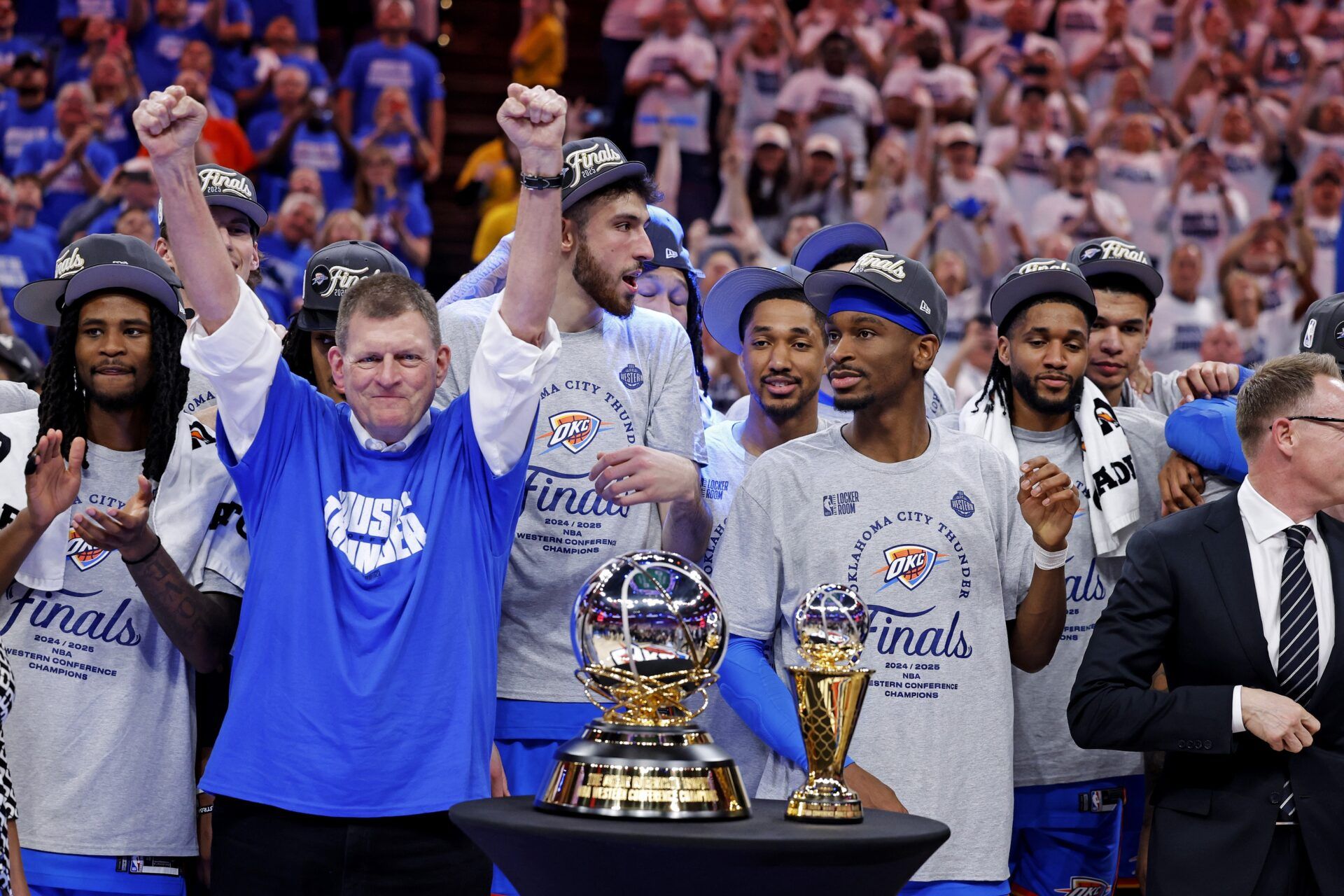
The franchise that would become the Oklahoma City Thunder originated as the Seattle SuperSonics. In 2006, the team was purchased by a group led by Clay Bennett, through his company Professional Basketball Club, LLC. This acquisition marked the beginning of a controversial period, as Bennett and his partners pursued a relocation for the franchise. After a protracted legal battle and public discourse, the team was ultimately moved from Seattle to Oklahoma City for the 2008-2009 NBA season. This relocation was instrumental in establishing professional basketball in the relatively smaller market of Oklahoma City, and the founding ownership group played a pivotal role in making this ambitious venture a reality. Their decision to invest in and move an NBA franchise to the region laid the groundwork for the fervent fan base and the team’s subsequent successes.
The Transformation into a Local Powerhouse
The initial ownership group, while instrumental in the relocation, saw subsequent shifts as the team solidified its presence and began to thrive. Over time, the ownership structure evolved, reflecting a growing commitment to Oklahoma City and its sports aspirations. This evolution often involves bringing in local investors and stakeholders who are deeply invested in the community’s economic and cultural development. The aim is to create an ownership group that not only possesses the financial wherewithal to operate an NBA franchise but also understands and champions the values and spirit of Oklahoma City. This transition from an externally driven relocation to a locally rooted ownership is crucial for building lasting fan loyalty and ensuring the team’s long-term sustainability.
The Current Custodians: A Deeper Look at the Ownership Group
The ownership of the Oklahoma City Thunder is not vested in a single individual but rather a collective of partners. This diversified ownership model allows for shared responsibilities, varied expertise, and a broader base of financial support.
The Principals and Their Vision
At the forefront of the current ownership is Clay Bennett, who remains the chairman and a significant figure in the franchise’s leadership. His vision, established from the outset, has been to build a competitive and sustainable NBA franchise. Alongside Bennett, other key partners contribute to the operational and strategic direction of the team. These individuals often bring a wealth of experience from various business sectors, including real estate, finance, and media. Their collective goal is to not only achieve on-court success but also to foster a strong brand identity for the Oklahoma City Thunder and contribute positively to the Oklahoma City metropolitan area. Their commitment extends beyond the game itself, often involving civic engagement and philanthropic endeavors.
The Role of Local Investment and Community Ties
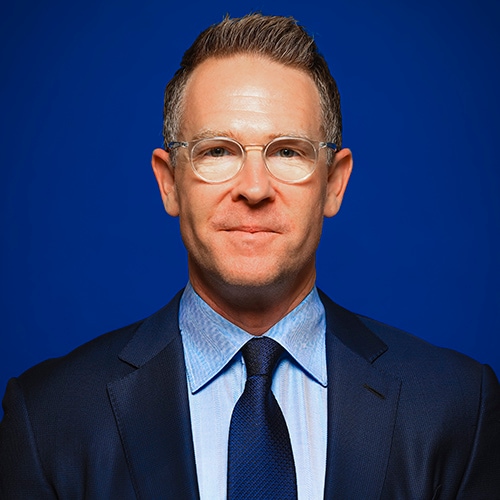
A significant aspect of the Oklahoma City Thunder’s ownership structure involves local investors and business leaders. This inclusion is vital for anchoring the team firmly within the community. These local partners bring an intimate understanding of the Oklahoma City market and a deep-seated desire to see the team succeed, not just as a sporting entity but as a source of civic pride. Their involvement ensures that the team’s decisions are often made with the best interests of the city and its residents in mind. This community-centric approach fosters a stronger connection between the fans and the ownership group, creating a more robust and engaged fan base that is crucial for the team’s sustained popularity and economic viability.
The Business of Basketball: Ownership and Franchise Value
The ownership of an NBA franchise like the Oklahoma City Thunder is a significant financial undertaking, involving substantial investment and a complex business model. Understanding the financial dynamics provides context for the ownership’s strategic decisions.
Financial Commitments and Revenue Streams
Owning an NBA team requires immense capital. The purchase price of such franchises is in the hundreds of millions of dollars, and ongoing operational costs are considerable. The Oklahoma City Thunder generates revenue through various streams, including ticket sales, broadcast rights, sponsorships, merchandise, and stadium naming rights. Ownership groups are responsible for investing in the team’s roster, coaching staff, and facilities, all of which are critical for on-court performance and fan engagement. The financial success of the franchise is directly tied to its ability to generate revenue and manage expenses effectively, ensuring profitability and the capacity for future growth.
Franchise Value and Market Dynamics
The value of an NBA franchise is a dynamic entity, influenced by market size, team performance, brand recognition, and the overall health of the league. The Oklahoma City Thunder, despite being in a smaller market compared to some other NBA cities, has managed to build a highly valuable franchise. This is a testament to the effective management by its ownership group and the passionate support of its fan base. The ownership’s strategic decisions, such as drafting and developing talented young players and fostering a strong team culture, contribute significantly to the team’s on-court success, which in turn drives fan engagement and enhances the franchise’s overall value. The ownership group’s ability to navigate market dynamics and capitalize on opportunities is key to maintaining and increasing the franchise’s worth.
The Future of Thunder Ownership: Sustaining Excellence in Oklahoma City
As the Oklahoma City Thunder continues to evolve, so too will its ownership landscape. The focus remains on maintaining a winning tradition and solidifying the team’s place as a cornerstone of the Oklahoma City community.
Long-Term Strategic Planning
The current ownership group is likely focused on long-term strategic planning, which includes player development, potential stadium improvements or renovations, and continued community outreach. The success of the Thunder’s “rebuild” era, marked by the emergence of young stars, indicates a commitment to a sustainable winning model. Ownership plays a crucial role in approving budgets for player contracts, scouting, and development programs, all of which are essential for cultivating a consistent pipeline of talent. Their foresight in these areas will determine the team’s ability to compete at the highest level for years to come.
Community Engagement and Legacy
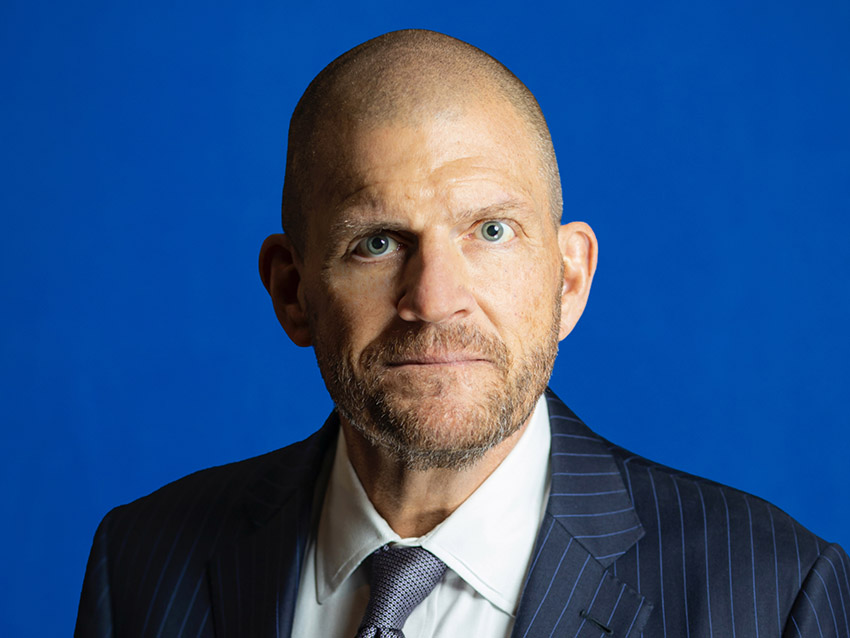
Beyond the wins and losses, the ownership of the Oklahoma City Thunder carries a responsibility to the community. Their commitment to Oklahoma City goes beyond the basketball court, involving investments in local initiatives and fostering a positive civic presence. The legacy they aim to build is one of a successful, well-respected organization that is deeply integrated into the fabric of the city. This includes ensuring that the team remains a source of pride and entertainment for generations of fans, contributing to Oklahoma City’s cultural and economic vitality. The ownership’s dedication to these broader goals will define their enduring impact.
LifeOutOfTheBox is a participant in the Amazon Services LLC Associates Program, an affiliate advertising program designed to provide a means for sites to earn advertising fees by advertising and linking to Amazon.com. Amazon, the Amazon logo, AmazonSupply, and the AmazonSupply logo are trademarks of Amazon.com, Inc. or its affiliates. As an Amazon Associate we earn affiliate commissions from qualifying purchases.