
The question of whether Nevada is a “blue state” is far more complex than a simple yes or no, especially when viewed through the prism of its unique economic drivers, diverse demographics, and unparalleled appeal as a global travel destination. Often characterized as a quintessential swing state, Nevada consistently finds itself at the epicenter of national political debates, its electoral outcomes frequently decided by razor-thin margins. This vibrant political landscape is intrinsically tied to the very industries that define Nevada’s identity: tourism, hospitality, and a dynamic lifestyle that attracts millions of visitors and new residents each year. To truly understand Nevada’s political leanings, one must first appreciate the intricate tapestry of its urban centers, its vast rural expanses, and the diverse individuals who call this desert oasis home.
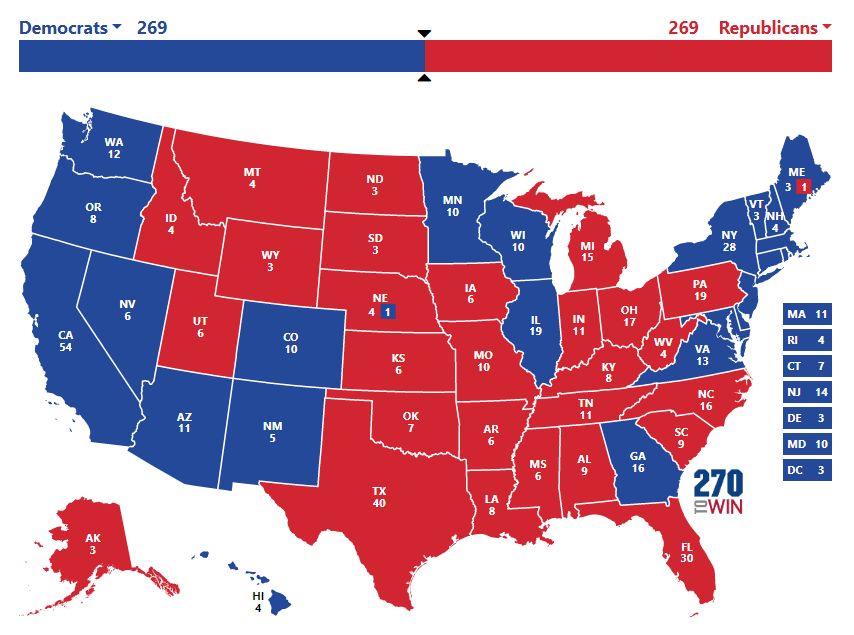
This article delves into the political pulse of Nevada, exploring the demographic shifts and economic realities that color its electoral map. Simultaneously, we will uncover how these very elements contribute to its enduring charm as a top-tier travel destination, offering everything from opulent resorts and world-class entertainment to breathtaking natural wonders and rich historical sites. From the glitz of Las Vegas to the serene beauty of Lake Tahoe, Nevada’s lifestyle and tourism industries are not just economic powerhouses but also significant shapers of its political identity.
The Shifting Sands of Nevada’s Political Landscape
Nevada’s political identity is a dynamic mosaic, far from being definitively “blue” or “red.” It is a state that embodies the essence of a battleground, where presidential candidates and congressional hopefuls expend significant resources vying for its crucial electoral votes. For decades, Nevada has been considered a bellwether, often reflecting broader national trends while retaining its distinct local character.
A Battleground State Defined by Demographics
The concept of Nevada as a “purple state” is well-earned. While Democrats have seen increased success in recent election cycles, particularly at the presidential level and in some statewide races, the margins are consistently close, indicating a deeply divided electorate. This swing-state status is largely a product of significant demographic transformations and the stark contrast between its urban and rural populations.
The state’s two largest population centers, Clark County (home to Las Vegas and its surrounding metropolitan area) and Washoe County (encompassing Reno and parts of Lake Tahoe), are the primary engines of Democratic support. Clark County, in particular, is a demographic melting pot, boasting a rapidly growing Hispanic population, a significant Asian-American community, and a diverse array of transplants from other states, most notably California. These groups tend to lean Democratic, contributing to the “blue” tilt observed in federal and statewide elections. The influx of residents from more liberal states like California, often seeking a lower cost of living and new opportunities, further bolsters this trend.

A crucial factor in Nevada’s Democratic strength, especially in Clark County, is the formidable influence of labor unions. The Culinary Workers Union Local 226, representing tens of thousands of hospitality workers in Las Vegas resorts and hotels, is a political powerhouse. Their extensive ground game, voter registration drives, and get-out-the-vote efforts are unparalleled, consistently mobilizing a key Democratic constituency. These workers, many of whom are immigrants or first-generation Americans, rely heavily on the unions for fair wages, benefits, and job security, fostering strong loyalty to candidates who support labor causes.
Conversely, Nevada’s vast rural counties, encompassing much of its land area outside the two main metropolitan hubs, remain staunchly Republican. These regions, often sustained by agriculture, mining, and ranching, reflect a more traditional, conservative political outlook. The struggle for political control in Nevada is thus a perpetual tug-of-war between its densely populated, diverse, and unionized urban centers and its sparsely populated, historically conservative rural areas.

Economic Foundations and Electoral Realities
The economy of Nevada is undeniably shaped by its massive tourism and hospitality industries, which, in turn, have a profound impact on its political landscape. Las Vegas alone draws tens of millions of visitors annually, fueling a service-based economy that supports a vast workforce. The jobs generated by casinos, hotels, restaurants, and entertainment venues largely fall into the blue-collar and service sectors, often unionized, providing a bedrock of support for Democratic candidates. The economic well-being of these workers is directly tied to the success of the tourism industry, making them highly attuned to political promises related to job creation, wages, and social safety nets.
While tourism dominates, Nevada also has a robust mining industry, particularly gold and silver, predominantly located in its rural counties. This industry tends to be more conservative, both in its workforce demographics and its political lobbying efforts, often advocating for less regulation and policies favorable to resource extraction. Furthermore, in recent years, Nevada has made concerted efforts to diversify its economy, attracting tech companies and logistics operations, especially in the Reno area. The burgeoning tech sector brings with it a new demographic of residents, often younger and more diverse, whose political leanings can further influence the state’s electoral balance. This diversification adds another layer of complexity to Nevada’s political identity, as the allegiances of this growing workforce are still taking shape.
Ultimately, Nevada’s political color is best described as a vibrant shade of purple, constantly shifting with demographic changes, economic fluctuations, and the dynamic interplay between its urban and rural inhabitants. While recent trends suggest a lean towards “blue,” its designation as a perennial swing state is well-deserved, making it one of the most exciting and unpredictable electoral battlegrounds in the United States.
Beyond the Ballot Box: Nevada as a Premier Travel Destination
While its political leanings are a matter of intense debate, there is no denying Nevada’s undisputed status as a premier global travel destination. The state brilliantly leverages its unique attractions, from man-made marvels to stunning natural landscapes, to draw millions of tourists each year. This robust tourism sector is not merely an economic engine but a defining characteristic of the Nevada lifestyle.
Iconic Landmarks and Unforgettable Experiences
Nevada is a land of striking contrasts, offering an unparalleled array of experiences for every type of traveler. At its heart lies Las Vegas, the “Entertainment Capital of the World,” a city synonymous with luxury, excitement, and indulgence. The iconic Las Vegas Strip is a marvel of human ingenuity, lined with some of the world’s most famous hotels and resorts. Visitors can marvel at the dancing fountains of the Bellagio, explore the Roman grandeur of Caesars Palace, glide through canals at The Venetian Resort Las Vegas, or experience the sophisticated elegance of Wynn Las Vegas. Beyond gaming, Las Vegas offers an astonishing array of world-class dining, spectacular live shows, high-end shopping, and vibrant nightlife, catering to luxury travelers, business convention attendees, and those seeking an unforgettable escape.
Yet, Nevada’s allure extends far beyond the neon glow of Las Vegas. The state is a treasure trove of natural wonders that captivate outdoor enthusiasts and nature lovers. Just a short drive from the Strip, the breathtaking sandstone cliffs and ancient petroglyphs of Red Rock Canyon National Conservation Area offer incredible hiking, climbing, and scenic drives. Further afield, the vibrant red geological formations of Valley of Fire State Park provide a dramatic backdrop for exploration.
To the north, the majestic Lake Tahoe, straddling the Nevada-California border, is a year-round paradise. Its crystal-clear waters and surrounding Sierra Nevada mountains attract skiers, snowboarders, hikers, boaters, and nature photographers. Resorts like the ones found in South Lake Tahoe provide luxurious accommodations with stunning lake views. Other notable natural landmarks include the imposing Hoover Dam, a monumental feat of engineering that powers much of the Southwest, and the rugged beauty of Great Basin National Park, home to ancient bristlecone pines and Lehman Caves. For those seeking cooler climates and mountain adventures, Mount Charleston, just an hour from Las Vegas, offers hiking and skiing opportunities.
Beyond its natural beauty, Nevada also boasts a rich history, evident in its numerous ghost towns, mining camps, and museums. These sites offer a glimpse into the state’s frontier past, providing a compelling contrast to its modern, metropolitan image.
Diverse Accommodation and Lifestyle Options
Nevada’s tourism industry is meticulously designed to cater to a spectrum of preferences, budgets, and lifestyles, offering an impressive range of accommodation options. For the luxury traveler, the state’s major cities, especially Las Vegas and Reno, are replete with five-star resorts and boutique hotels. These establishments often feature opulent suites, world-class spas, gourmet restaurants, high-end shopping arcades, and exclusive amenities that promise an indulgent experience. Resorts on the Las Vegas Strip are renowned for their themed environments, elaborate pools, and constant stream of entertainment, creating self-contained worlds of luxury.
However, Nevada also embraces budget-conscious travelers with a wealth of affordable hotels, motels, and value-oriented resorts. Many mid-range options in Las Vegas still offer comfortable stays and access to amenities, making the destination accessible to a wider audience. For families, numerous resorts provide kid-friendly pools, entertainment, and activities, ensuring a memorable trip for all ages.
For those planning longer stays or seeking a more personalized experience, Nevada offers a growing market for alternative accommodations. Platforms like Airbnb and VRBO list a wide selection of apartments, villas, and vacation homes, particularly in areas like Lake Tahoe, Reno, and the outskirts of Las Vegas. These options provide travelers with the comforts of home, often including fully equipped kitchens and multiple bedrooms, ideal for extended family trips, group vacations, or even business stays where a more residential feel is preferred.
The lifestyle promoted in Nevada is as diverse as its accommodation. It caters to the high-roller seeking exclusive experiences, the adventurer yearning for outdoor thrills, the family looking for wholesome fun, and the business traveler attending major conventions. The state’s local culture is a fascinating blend of cowboy heritage, mining history, and cutting-edge urban sophistication, reflected in its diverse culinary scene—from Michelin-starred restaurants in Las Vegas to authentic Basque cuisine in Reno and hearty Western fare in rural towns. Whether it’s the thrill of gaming, the serenity of a mountain hike, the excitement of a live show, or the discovery of a hidden historical gem, Nevada promises a lifestyle and travel experience that is truly unique.
The Interplay of Politics, Tourism, and a Dynamic Lifestyle
The dual identity of Nevada as a political battleground and a world-class tourist destination is not coincidental; these two aspects are deeply interwoven, each influencing and shaping the other. The state’s economic reliance on tourism and hospitality creates a workforce with specific needs and political priorities, which in turn impacts electoral outcomes. The constant influx of visitors and new residents also contributes to the demographic shifts that keep Nevada firmly in the “purple” category.
The success of the hospitality industry relies heavily on a stable and attractive environment. Policies related to infrastructure, safety, environmental protection (crucial for destinations like Lake Tahoe and the national parks), and even public health can directly impact tourism numbers. Conversely, the high demand for labor in these sectors fuels growth and necessitates policies that address housing, education, and social services for a diverse and growing population. This creates a feedback loop where the economic health of the state (driven by tourism) directly informs the political discourse and the needs of the electorate.
For visitors, understanding this dynamic enriches the travel experience. It offers insights into the heart of Nevada – a place of ambition, resilience, and constant evolution. When exploring Las Vegas, one not only sees the glamour but also senses the vibrant energy of its diverse workforce, many of whom are actively engaged in shaping the state’s political future. A road trip through its rural landscapes reveals the contrasting values and lifestyles that contribute to Nevada’s complex political identity.
Tips for experiencing the “real” Nevada often involve venturing beyond the obvious. While the Las Vegas Strip is a must-see, exploring downtown Las Vegas with its vibrant arts scene and local eateries offers a different perspective. A visit to Reno provides a taste of a rapidly growing tech hub, while a journey to Ely or Virginia City connects travelers with the state’s rich mining heritage and frontier spirit. Engaging with local businesses, dining at non-resort restaurants, and talking to residents can offer a more nuanced understanding of the daily lives and diverse perspectives that make up this fascinating state.
In conclusion, the question “Is Nevada a blue state?” doesn’t have a straightforward answer, reflecting its nature as a perpetually purple battleground. Its political identity is an ever-evolving narrative, deeply entwined with its booming tourism industry, its iconic landmarks, and the dynamic lifestyles of its diverse residents. From the glittering hotels of Las Vegas to the tranquil beauty of its national parks, Nevada stands as a testament to American diversity, innovation, and the enduring power of its unique spirit, making it a compelling destination for both political observers and intrepid travelers alike.